What is a 4G Rugged Android Tablet and How Does It Work?
In an era where mobility meets durability, the 4G Rugged Android Tablet has emerged as a vital tool for various industries. According to a report by MarketsandMarkets, the global rugged tablet market is projected to reach $1.34 billion by 2025. This growth reflects a demand for devices that can withstand harsh environments while providing high-speed connectivity.
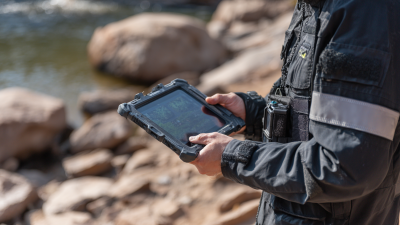
The 4G Rugged Android Tablet is designed to operate under extreme conditions. It can endure drops, water, and dust exposure. These tablets serve diverse sectors, including construction, logistics, and field services. For example, field workers often rely on these devices for GPS navigation and data entry. However, not all rugged tablets deliver equal performance. Some fall short in software compatibility, impacting usability.
Companies must carefully evaluate their needs. A rugged tablet should not only be tough but also user-friendly. User interface and app availability are crucial factors. As the industry evolves, ensuring the right balance between durability and functionality will be essential for maximizing productivity.

Definition and Features of a 4G Rugged Android Tablet
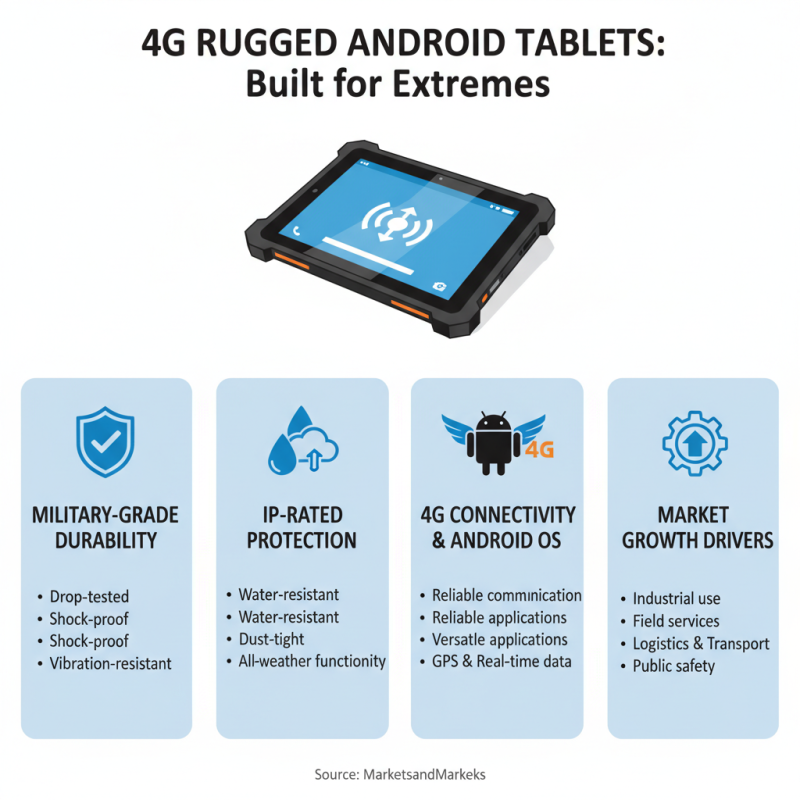
A 4G rugged Android tablet is designed for tough environments. It combines the versatility of Android with military-grade durability. These devices are often IP-rated for water and dust resistance, ensuring they function in harsh conditions. A study from MarketsandMarkets indicates the rugged tablet market is expected to grow significantly, driven by the demand in various industries.
Features include high brightness screens for outdoor visibility and robust processors for multitasking. Many models offer long battery life, essential for fieldwork. Additionally, 4G connectivity allows users to access real-time data, improving efficiency and decision-making.
Tips: When choosing a rugged tablet, consider battery life and display size. Ensure it meets your operational needs. Read reviews to gauge performance in real-world conditions. Often, these tablets may lack the sleekness of conventional devices, which can be a drawback for some users. Aim for a balance between durability and functionality for the best experience.
Key Components of a 4G Rugged Android Tablet
A 4G rugged Android tablet is built for tough environments. It combines durability with advanced technology. Key components determine its functionality and resilience. The screen is often made from hardened glass, resistant to scratches and impacts. Many utilize Gorilla Glass, ensuring visibility under bright lights and outdoor conditions.
The integrated 4G connectivity supports fast data transfer. This is crucial for fieldwork in industries like construction or logistics. According to a recent industry report, over 80% of businesses prefer mobile devices that can withstand extreme conditions. The battery life is also a significant factor, often lasting more than 12 hours. This is essential for uninterrupted work.
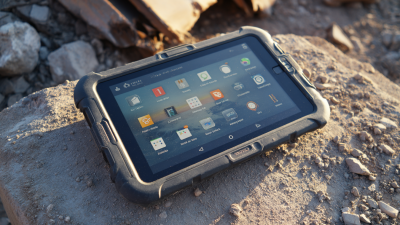
Enclosures of these tablets are typically constructed from robust materials. Common choices include rubberized corners and shock-absorbent housing. However, not all rugged tablets meet the same standards. Some may not withstand extreme temperatures or heavy moisture exposure, highlighting the need for careful selection. Other components, like advanced GPS and various sensors, enhance functionality but can make devices bulkier. It's important to balance features with ease of use in challenging environments.
Performance Comparison of 4G Rugged Android Tablets
This bar chart compares the key performance metrics of different 4G rugged Android tablets, highlighting their CPU performance, RAM capacity, and battery life. These aspects are crucial for field operations where durability and efficiency are key.
Working Mechanism of a 4G Rugged Android Tablet
A 4G rugged Android tablet is designed for durability and mobility. It combines the robust features of rugged devices with the functionality of a tablet. These tablets can withstand tough environments. They are often water-resistant, shockproof, and dustproof. You can use them in construction sites or extreme outdoor conditions. This is where their utility shines.
The working mechanism involves advanced hardware and software integration. These tablets typically use high-performance processors and ample memory. They connect to 4G networks for fast internet access. Users can download applications or sync data seamlessly. The rugged design helps protect internal components from physical damage. Additionally, the display is usually sunlight-readable. This feature allows for easy visibility outside. However, usability can be an issue in certain conditions.
While these tablets are highly reliable, they may have limitations. Battery life might not always be sufficient for long days in the field. Some users may find them heavier than standard tablets. Also, the price can be a factor for budget-conscious consumers. Despite these challenges, rugged Android tablets offer unique features that can be invaluable in demanding situations.
Applications of 4G Rugged Android Tablets in Various Industries
4G rugged Android tablets are gaining traction across various industries. Their durability and connectivity make them essential in challenging environments. Recent reports indicate that the global rugged tablet market is projected to reach $2 billion by 2027. This growth reflects an increasing reliance on mobile technology in sectors such as construction, field services, and logistics.
In construction, these tablets withstand tough weather and rough handling. Workers use them for project management and safety inspections. Features like GPS and real-time communication enhance efficiency on job sites. Data from a construction tech report shows that companies using rugged devices report a 30% productivity increase. Despite these benefits, some users struggle with device integration into existing workflows.
In logistics, 4G rugged tablets streamline operations. They facilitate tracking and inventory management, reducing errors. A logistics survey noted that businesses employing rugged tablets cut paperwork processing time by 50%. However, the high initial investment remains a concern. As organizations adopt new technology, they must consider the balance between durability and cost-effectiveness. These challenges highlight the need for strategic planning in technology deployment.
Advantages of Using a 4G Rugged Android Tablet Over Traditional Tablets
The demand for rugged mobile devices is on the rise. A recent report by Industry Research estimates that the global rugged tablet market will grow by 6.5% annually. A 4G rugged Android tablet is specifically designed for challenging environments. It combines the robustness needed for tough work settings with the functionality of Android.
Unlike traditional tablets, rugged models often feature reinforced screens and are resistant to dust and water. This makes them suitable for construction sites or outdoor use. According to research, 40% of tablet damage occurs due to drops. Rugged tablets significantly reduce this risk. They can withstand falls from heights of up to 1.5 meters.
Battery life is another important factor. Many rugged tablets have extended battery capacity. This allows for longer use without needing frequent chargers. However, some users report that the heavier build can be cumbersome. It is essential to weigh the benefits against the potential inconveniences. Certainly, rugged tablets serve niche markets well, but they may not be the best choice for casual users.
What is a 4G Rugged Android Tablet and How Does It Work? - Advantages of Using a 4G Rugged Android Tablet Over Traditional Tablets
| Feature |
4G Rugged Android Tablet |
Traditional Tablet |
| Durability |
IP68 rating; withstands drops, dust, and water |
Standard build, prone to damage |
| Connectivity |
Built-in 4G LTE |
Wi-Fi only or optional cellular |
| Operating System |
Android with rugged enhancements |
Standard Android version |
| Battery Life |
Long-lasting, often customizable |
Varies, generally shorter |
| Use Case |
Fieldwork, construction, outdoor settings |
Casual, home, and office use |
| Price Range |
Higher due to rugged features |
Varied, generally lower |

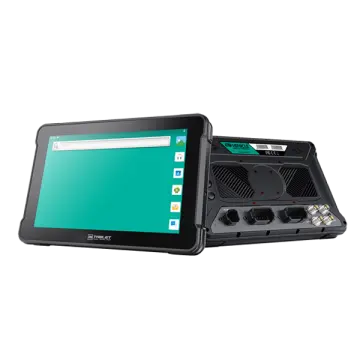 AT-10A
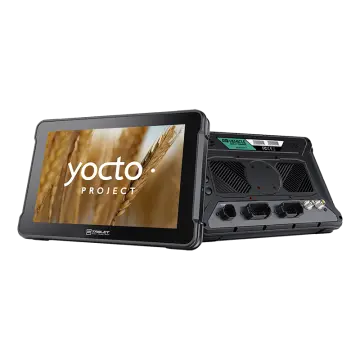 AT-10AL
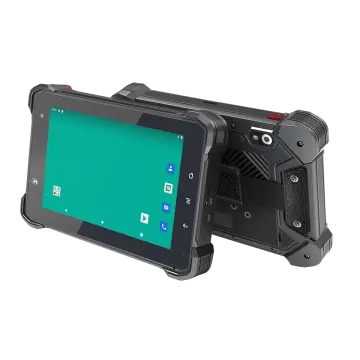 VT-7 GA/GE
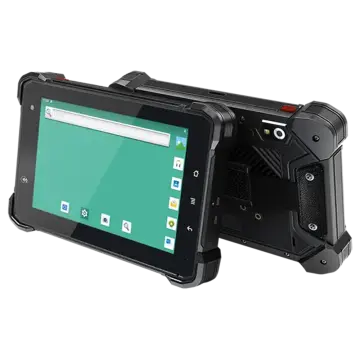 VT-7 Pro
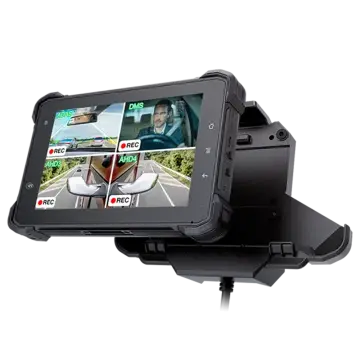 VT-7 PRO (AHD)
 VT-7A
VT-7A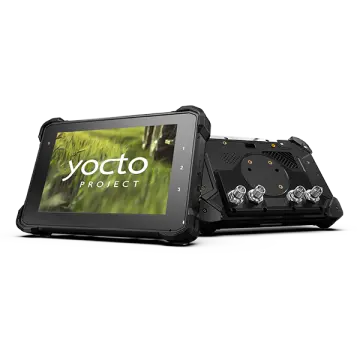 VT-7AL
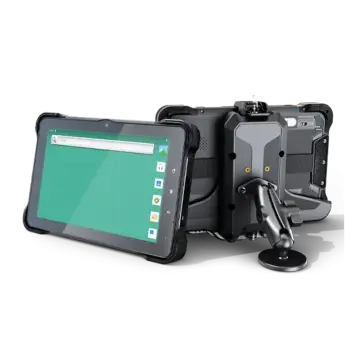 VT-10
VT-10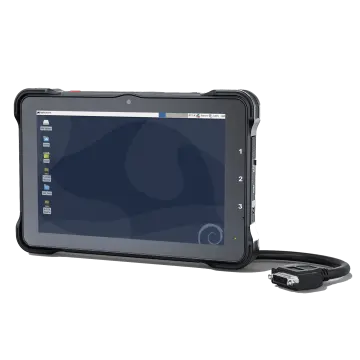 VT-10 IMX
 VT-10 Pro
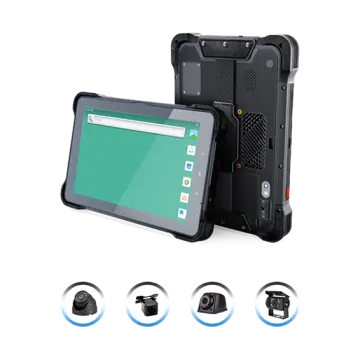 VT-10 Pro AHD
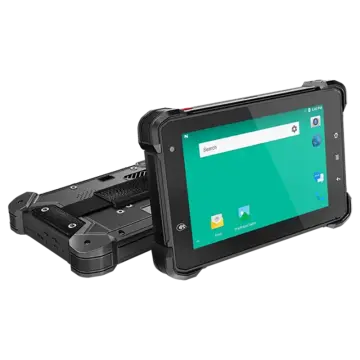 VT-7
VT-7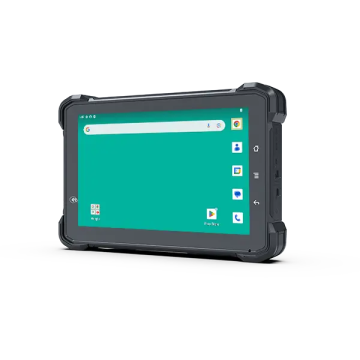 VT-7A PRO
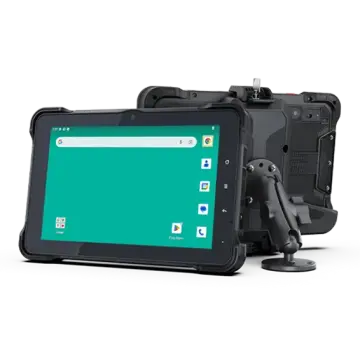 VT-10A Pro
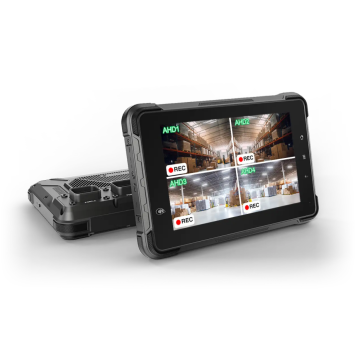 ST-7 Rugged Table
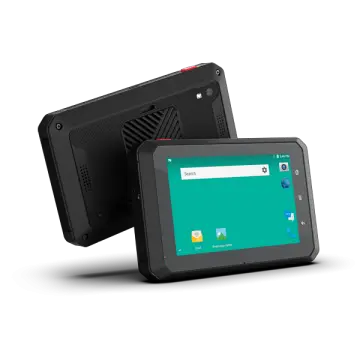 VT-5A
VT-5A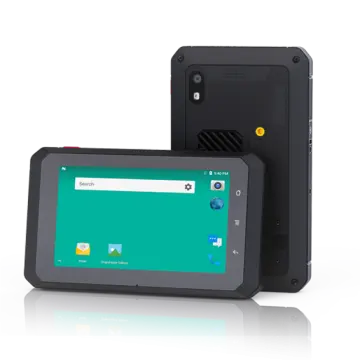 VT-5
VT-5 VT-BOX
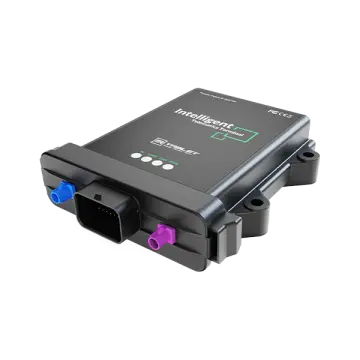 VT-BOX-II
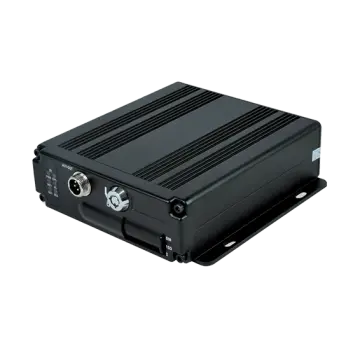 AI-MDVR040
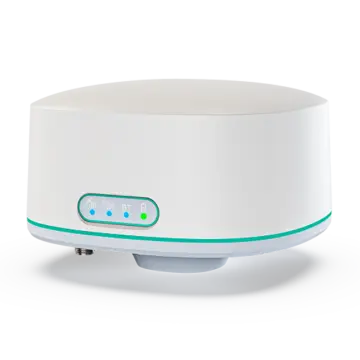 AT-B2
AT-B2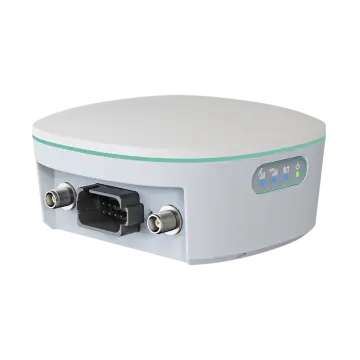 AT-R2
AT-R2