What is a 4G Rugged Android Tablet and Why You Should Buy One?
The 4G Rugged Android Tablet is a powerful tool for professionals working in demanding environments. According to John Marshall, an industry expert in mobile technology, "Investing in a 4G Rugged Android Tablet can enhance efficiency and durability in fieldwork." This statement highlights the importance of having a reliable device that can withstand harsh conditions.
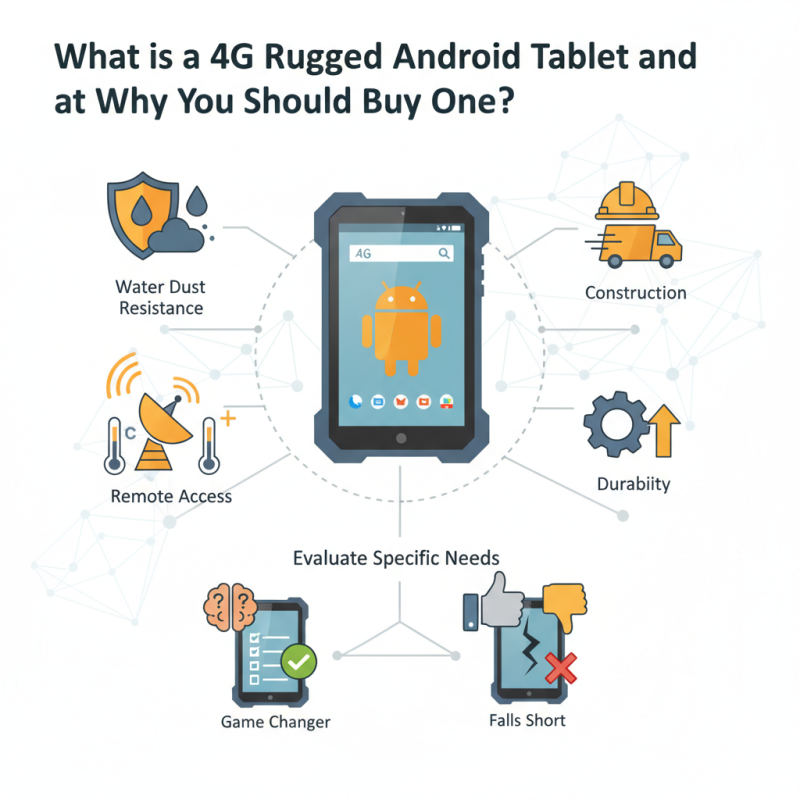
These tablets are designed for outdoor use. They are resistant to water, dust, and extreme temperatures. Many industries, such as construction and logistics, rely on such devices for everyday tasks. The need for constant connectivity is also crucial. A 4G rugged tablet ensures you stay connected, even in remote areas.
However, potential buyers should reflect on their specific needs. Not all rugged tablets are created equal. While some offer impressive features, others may fall short. It's essential to evaluate what you truly require for your work. Ultimately, a well-chosen 4G Rugged Android Tablet can be a game changer, but only if it aligns with your specific tasks and environment.
What Defines a 4G Rugged Android Tablet?
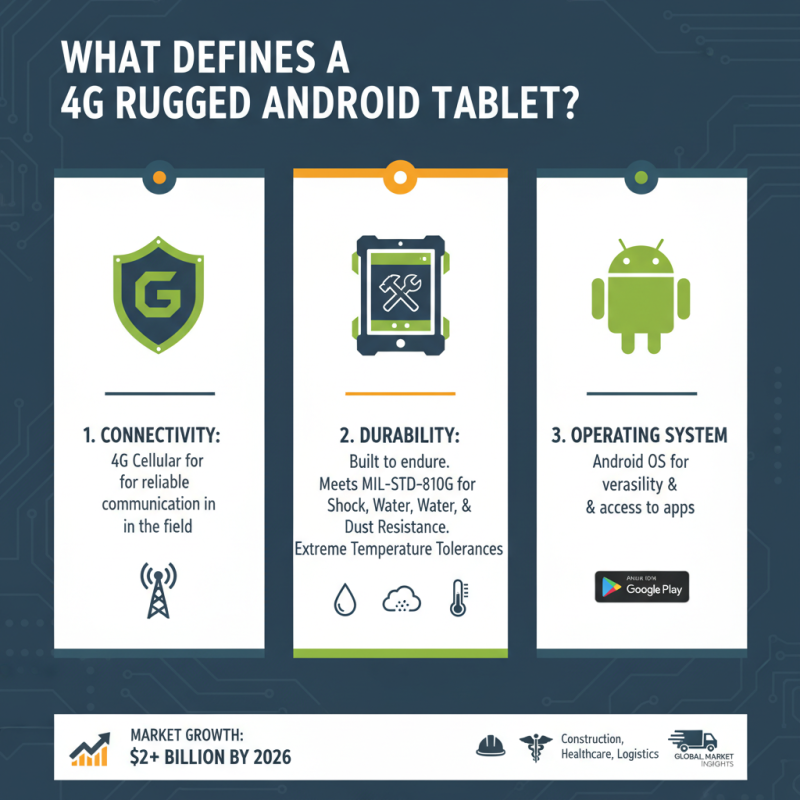
A 4G rugged Android tablet is specifically designed for durability and performance in harsh environments. These devices meet military standards for impact resistance and water, dust, and temperature extremes. The Global Market Insights report predicts that the rugged tablet market will reach over $2 billion by 2026. This growth is fueled by industries like construction, healthcare, and logistics that rely on reliable tech.
What defines a 4G rugged Android tablet? Key features include reinforced casings, shatterproof screens, and long battery life. Many models also provide higher brightness levels for outdoor visibility. A rugged tablet is not just tough; it integrates 4G connectivity for fast data access, crucial for fieldwork. For example, a 4G rugged tablet can allow real-time data sharing, enhancing productivity. However, some users find these models heavier and bulkier than standard tablets.
The challenge lies in balancing durability with usability. Users may experience slower software updates compared to mainstream devices. Moreover, while rugged tablets are built to withstand drops and shocks, their performance can degrade in extreme conditions. Investing in a rugged Android tablet is about making informed choices. Is the robust design worth the trade-offs in weight and flexibility?
Key Features of 4G Rugged Android Tablets
4G rugged Android tablets are designed for tough environments. They combine durability and advanced technology. These tablets often resist water, dust, and extreme temperatures. This makes them ideal for industries like construction and fieldwork. Users can rely on these devices in harsh conditions.
Key features of 4G rugged Android tablets include their robust design. They typically meet military standards for toughness. This means they can survive drops and shocks. Tough screens reduce glare and withstand scratches. The 4G connectivity is vital. It allows seamless communication and access to information on the go. Battery life is another crucial aspect. Long-lasting batteries support full-day use without frequent charging.
Despite their strengths, there are points to consider. Some users find the weight a drawback. Heavier tablets can be less portable. App compatibility can be a concern as well. Not all applications are optimized for rugged systems. It's essential to evaluate your specific needs before purchasing. The right rugged tablet can make a significant difference in productivity.
Benefits of Using a 4G Rugged Android Tablet
In today's fast-paced world, a 4G rugged Android tablet can be a game-changer for mobile professionals. With a durable design, these tablets can withstand harsh conditions. According to industry reports, nearly 60% of field workers experience equipment failure frequently. A rugged tablet can prevent costly downtime. They feature tough screens, reinforced casings, and waterproof capabilities, making them ideal for construction sites, warehouses, or outdoor activities.
In addition to durability, the 4G connectivity enhances productivity. Users can access documents and perform tasks anywhere, increasing efficiency by up to 30%. This connectivity allows for real-time updates and collaboration among team members, which is crucial in fast-paced environments. However, potential buyers should consider the limitations. Battery life may not always meet demands, especially with constant connectivity. Some rugged tablets might weigh more than standard devices, impacting portability.
Overall, investing in a 4G rugged Android tablet offers substantial benefits. The ability to work in demanding conditions without compromise is invaluable. Yet, every device comes with trade-offs. Prospective users must carefully evaluate their needs and preferences to make the right choice. A rugged tablet may not fit everyone's lifestyle, but for the right professionals, it can prove indispensable.
Industries That Can Benefit from Rugged Tablets
Rugged tablets have become essential tools in various industries. Construction teams, for instance, need devices that can withstand harsh conditions. Dropping a tablet on a job site can lead to costly delays and repairs. A rugged tablet offers durability, protecting against drops, dust, and water. Workers can access plans, updates, and assignments without fear of damage.
The healthcare sector also benefits from rugged tablets. Physicians can use these devices in different environments. They allow professionals to input patient data on the go, streamlining processes. However, there's a challenge in ensuring these devices connect securely to networks. This is crucial for maintaining patient confidentiality.
In logistics, rugged tablets help manage inventory and track shipments. Workers can scan barcodes and update records in real time. Yet, sometimes connectivity issues can hinder efficiency. Finding the right balance between durability and technology is essential for maximizing productivity. This reflection encourages industries to embrace innovation while addressing potential challenges.
What is a 4G Rugged Android Tablet and Why You Should Buy One? - Industries That Can Benefit from Rugged Tablets
| Industry |
Primary Use Cases |
Benefits |
Durability Features |
| Construction |
Site management, project tracking |
Improved field communication, ruggedness |
Waterproof, shock-resistant |
| Field Services |
Remote diagnostics, customer support |
Increased efficiency in the field |
Dustproof, temperature resistant |
| Logistics |
Inventory management, tracking shipments |
Real-time updates, enhanced tracking |
Drop-tested, impact-resistant |
| Emergency Services |
Communication, incident reporting |
Reliable in critical situations |
High visibility, reinforced exteriors |
| Healthcare |
Patient monitoring, data collection |
Improved patient care, mobility |
Antimicrobial surfaces, disinfectant-friendly |
Considerations Before Purchasing a 4G Rugged Android Tablet
When considering the purchase of a 4G rugged Android tablet, several key factors should come into play. These devices, designed to withstand harsh environments, are ideal for industries like construction and fieldwork. According to a market research report, the rugged tablet sector is projected to grow by 8% annually through 2026. This growth highlights the increasing reliance on durable technology in demanding conditions.
First, evaluate the tablet's durability. Look for certifications like IP65 or MIL-STD-810G. These ratings indicate resistance to dust, water, and drops. A tablet that's built to last can save money in the long run. It's essential to consider potential repair costs as well. If a tablet breaks, even minor repairs can quickly escalate in price.
Battery life is another crucial aspect. Many rugged tablets offer impressive performance, lasting over 10 hours on a single charge. This feature ensures uninterrupted work. However, not all devices live up to their promises. User reviews often highlight discrepancies between manufacturer claims and real-life usage. Be cautious and seek out user feedback before deciding.

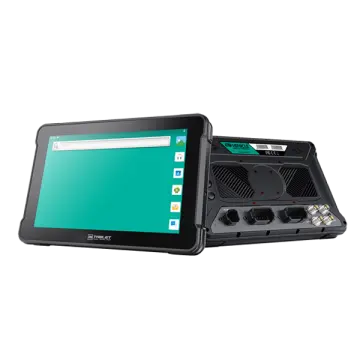 AT-10A
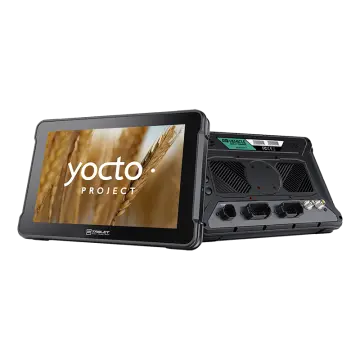 AT-10AL
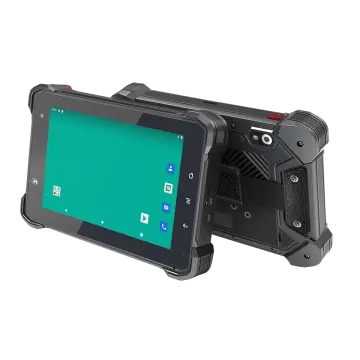 VT-7 GA/GE
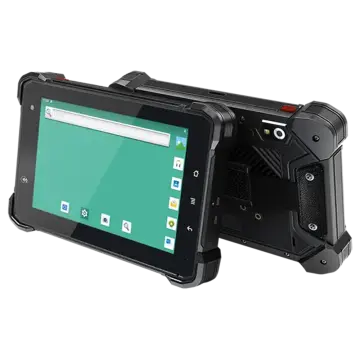 VT-7 Pro
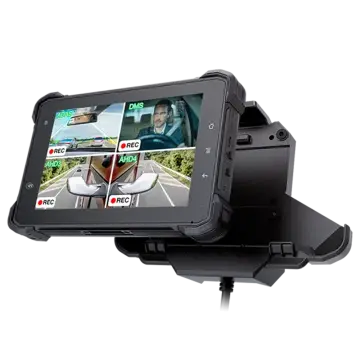 VT-7 PRO (AHD)
 VT-7A
VT-7A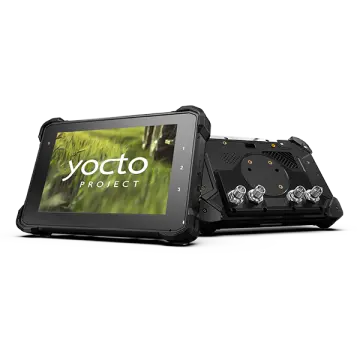 VT-7AL
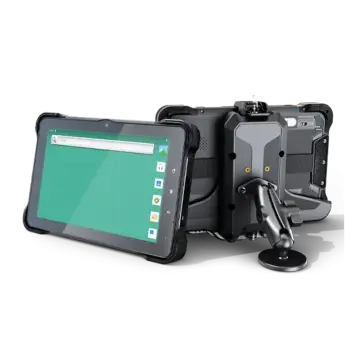 VT-10
VT-10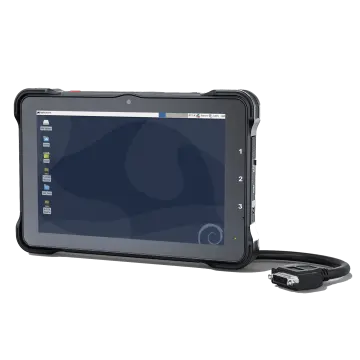 VT-10 IMX
 VT-10 Pro
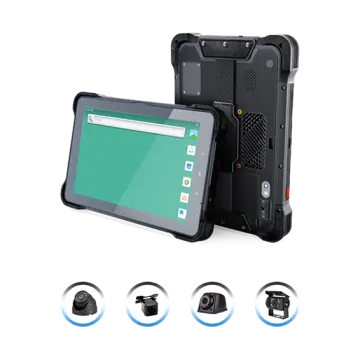 VT-10 Pro AHD
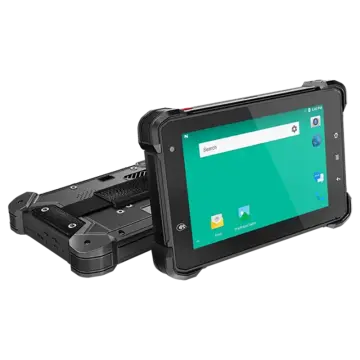 VT-7
VT-7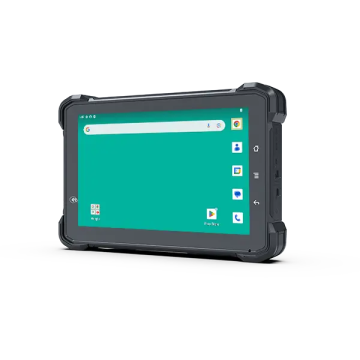 VT-7A PRO
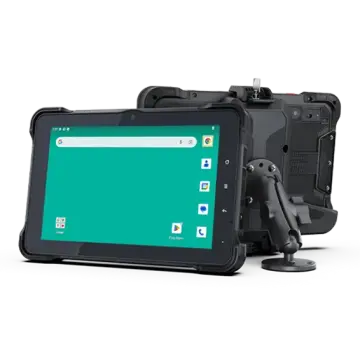 VT-10A Pro
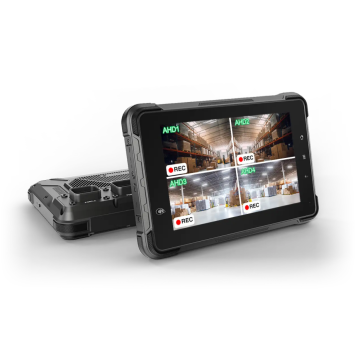 ST-7 Rugged Table
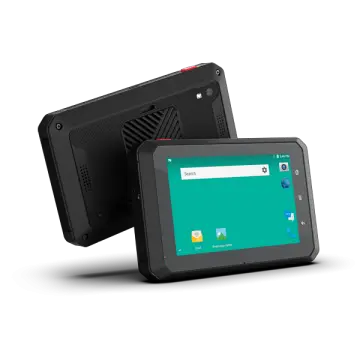 VT-5A
VT-5A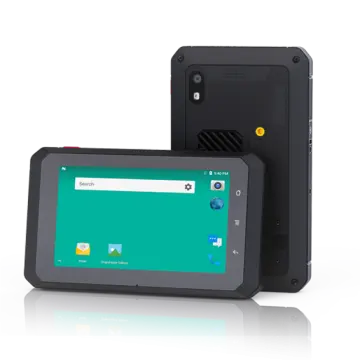 VT-5
VT-5 VT-BOX
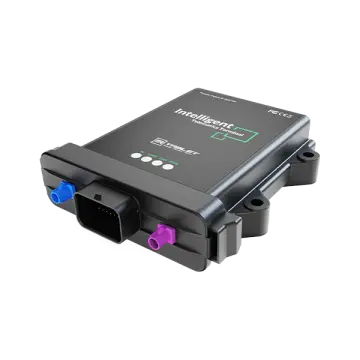 VT-BOX-II
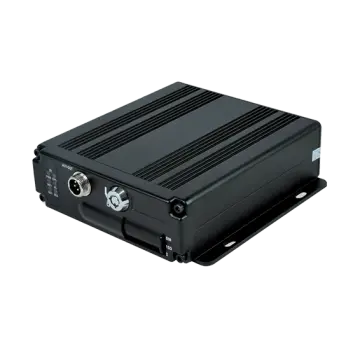 AI-MDVR040
 AT-B2
AT-B2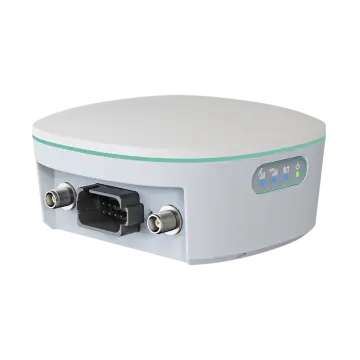 AT-R2
AT-R2