What is an Android Industrial Tablet and How Does it Work?
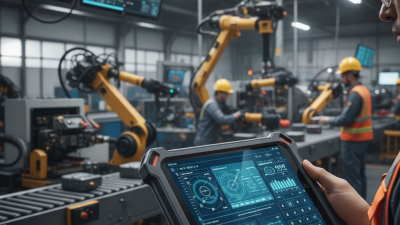
The rise of the Android Industrial Tablet is revolutionizing how industries operate. According to recent market research, the global industrial tablet market is projected to reach $28 billion by 2025. This growth signifies a strong shift towards mobile technology in sectors like manufacturing, logistics, and healthcare. These devices are designed to withstand harsh environments, making them ideal for industrial use.
An Android Industrial Tablet integrates advanced features like touchscreens, rugged designs, and various connectivity options. They enhance productivity by providing real-time data access on the shop floor. However, many organizations underestimate the importance of choosing the right tablet. Compatibility with existing systems is often overlooked.
Despite the advantages, challenges remain. Some users report difficulties with software integration. Training staff to utilize these devices effectively is essential. Inadequate training can lead to underutilization and wasted investment. As industries continue to evolve, the Android Industrial Tablet must adapt to meet emerging demands.
What Defines an Android Industrial Tablet?
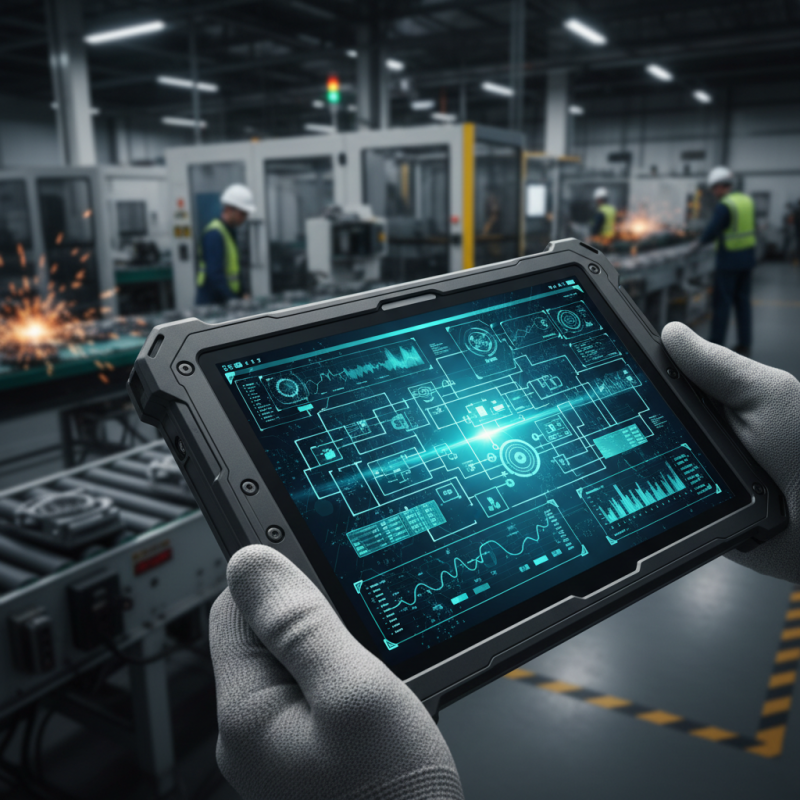
An Android industrial tablet is designed for rugged environments. These devices often feature enhanced durability, including resistance to drops and water. They are typically equipped with larger batteries to sustain longer working hours. According to a recent industry report, the global market for rugged tablets is expected to grow by over 7% annually. This growth highlights the increasing reliance on technology in industrial settings.
Distinctive features define an Android industrial tablet. They usually come with specialized software for various applications. This could include inventory management, field service tasks, or even remote monitoring of machinery. A recent survey indicated that 30% of enterprises reported improved efficiency after integrating such tablets into their workflows. Workers benefit from real-time updates and data access on the go, leading to more informed decisions.
Despite their advancements, challenges remain. For example, compatibility issues with legacy systems can arise. Furthermore, some users struggle with battery life in high-demand situations. It's essential to evaluate whether the benefits outweigh these drawbacks before making a purchase. Understanding the specific needs of your industry can provide clarity on if these tablets are suitable.
Key Features of Android Industrial Tablets
Android industrial tablets are specifically designed for rugged environments. They have robust casings that resist drops, dust, and moisture. The screens are often made to work even with gloves on. This is vital in factories or warehouses where conditions can be harsh.
Key features of these tablets include powerful processors for multitasking. They often come with high-resolution displays, making visibility easy in bright sunlight. Many models offer extended battery life to keep operations running smoothly. Some tablets include integrated barcode scanners, which streamline inventory management. Wireless connectivity options, like Wi-Fi and Bluetooth, facilitate quick data exchange.
Despite their advantages, Android industrial tablets face challenges. The rugged design can make them bulkier than standard tablets. Updates can be less frequent, which might lead to security concerns. Compatibility with existing software should also be considered carefully. In some cases, specific applications might not run efficiently. While these devices are powerful, they still need ongoing improvements.
What is an Android Industrial Tablet and How Does it Work? - Key Features of Android Industrial Tablets
| Feature |
Description |
Benefits |
| Durability |
Designed to withstand harsh environments with rugged casing and high resistance to dust and water. |
Longevity in tough conditions, reducing the need for replacements. |
| Touchscreen Interface |
Capacitive or resistive touchscreen for easy interaction even with gloves. |
Enhanced usability in industrial settings. |
| Battery Life |
Long-lasting batteries designed for all-day use. |
Reduced downtime for charging, improving productivity. |
| Connectivity |
Multiple connectivity options including Wi-Fi, Bluetooth, and cellular. |
Flexible communication and data transfer in various environments. |
| Scanning Capability |
Integrated barcode or QR code scanners for inventory and tracking. |
Streamlined processes and improved accuracy in data entry. |
| Operating System |
Runs on Android, providing a familiar interface and extensive app support. |
Access to a wide range of industrial applications for various needs. |
How Android Industrial Tablets Function in Various Industries
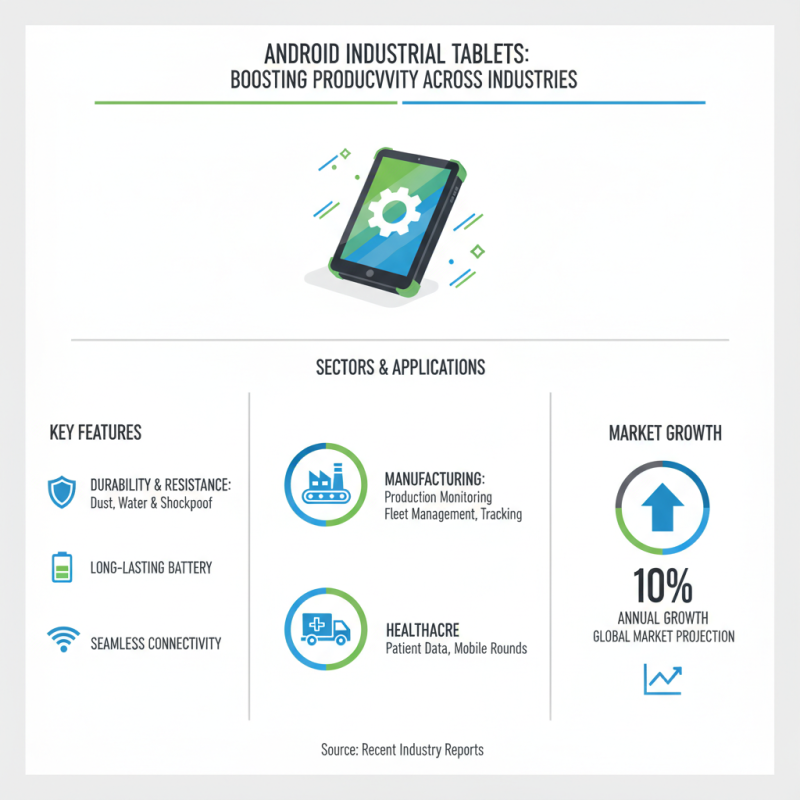
Android industrial tablets are designed to enhance productivity across various industries. They operate efficiently in harsh environments, boasting durability and high resistance to dust and moisture. According to recent industry reports, the global market for industrial tablets is projected to grow by 10% annually, with widespread adoption in sectors like manufacturing, logistics, and healthcare.
In manufacturing settings, these tablets streamline operations. Workers use them for real-time data entry and monitoring equipment. They support functions like inventory management and quality control. However, some users often overlook software compatibility with legacy systems. Always consider integration challenges before deployment.
In logistics, Android industrial tablets improve tracking accuracy. Delivery personnel rely on them for route optimization and package scanning. A staggering 70% of logistics companies indicate that using tablets has reduced delivery delays. Yet, it's crucial to train staff adequately. Even a small error in input can lead to significant setbacks.
Tips: Ensure your workforce receives proper training on the tablets. This helps maximize their efficiency. Regular software updates can also enhance functionality and security.
Advantages of Using Android Industrial Tablets in Work Environments
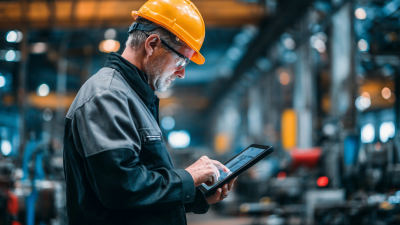
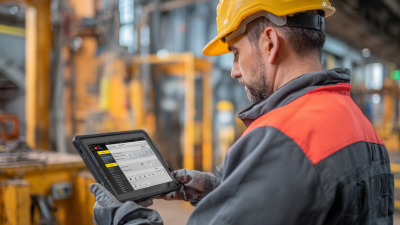
Android industrial tablets have gained popularity in various work environments. These devices are designed for ruggedness and durability. They can withstand harsh conditions, such as extreme temperatures and wet environments. Workers in construction sites and warehouses benefit greatly from their robust nature. Some tablets even include features like gloves mode, allowing easy use in challenging situations.
One of the key advantages of using Android industrial tablets is their versatility. They can run multiple applications simultaneously. This capability enhances productivity on-site. Workers can access real-time data, communicate with teams, and complete tasks without switching devices. The touch screens provide intuitive navigation, but they can be finicky at times. Users may need some time to adjust.
Battery life is another critical aspect. Many industrial tablets offer extended usage, which is beneficial for long shifts. Yet, some users report that the battery can drain faster when using demanding apps. Regular charging breaks may be necessary. Overall, Android industrial tablets are effective tools for many industries, but users must be mindful of their limitations.
Common Applications and Use Cases for Android Industrial Tablets
Android industrial tablets have found a niche in various sectors. Their robust design and versatility make them suitable for challenging environments. In manufacturing, these tablets streamline operations. Workers can access real-time data and instructions. This promotes efficiency on the shop floor. With touchscreens, navigating systems is intuitive, but some users still struggle with accuracy in harsh conditions.
In logistics, the tablets assist in inventory management. Scanning barcodes becomes quicker. Workers can track shipments on the go. However, battery life can be an issue during long shifts. In construction, these devices withstand dust and moisture. They help teams collaborate on site, but the learning curve can frustrate new users. Some find it difficult to adapt to new technology. Overall, industrial tablets play a key role, yet challenges remain.

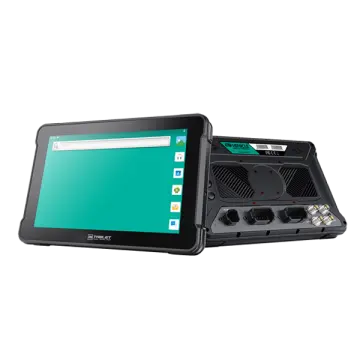 AT-10A
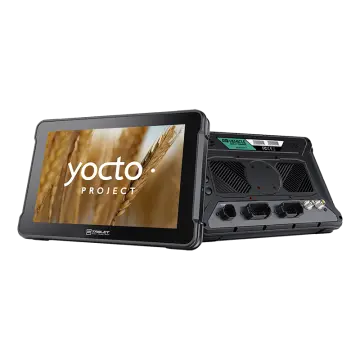 AT-10AL
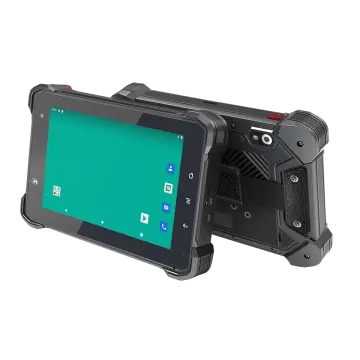 VT-7 GA/GE
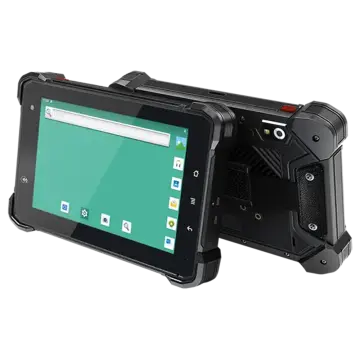 VT-7 Pro
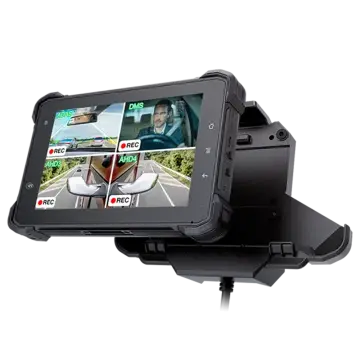 VT-7 PRO (AHD)
 VT-7A
VT-7A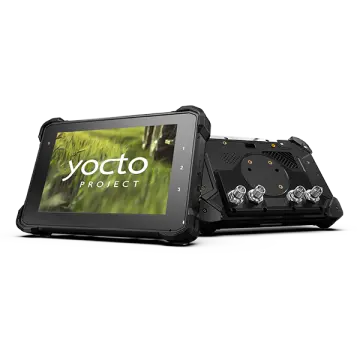 VT-7AL
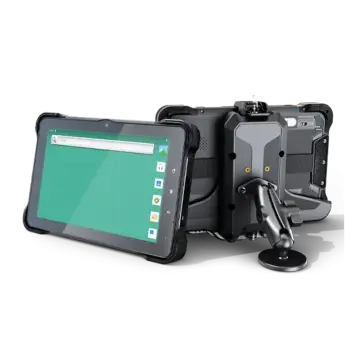 VT-10
VT-10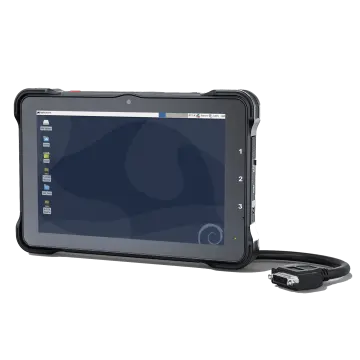 VT-10 IMX
 VT-10 Pro
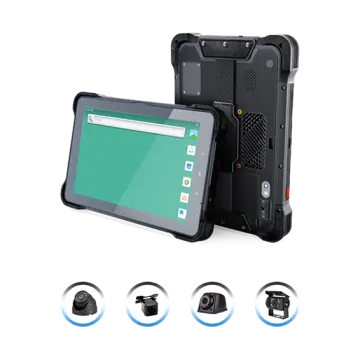 VT-10 Pro AHD
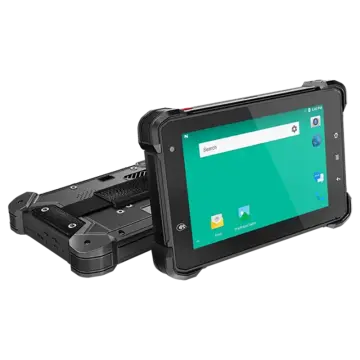 VT-7
VT-7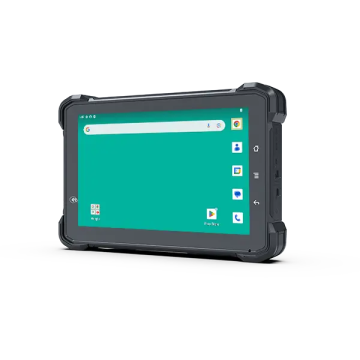 VT-7A PRO
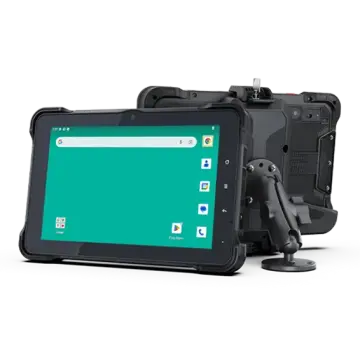 VT-10A Pro
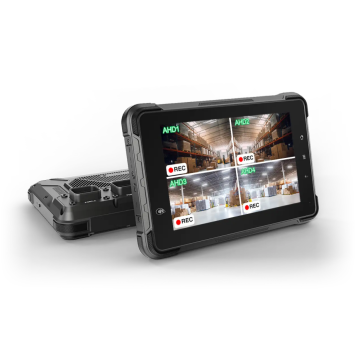 ST-7 Rugged Table
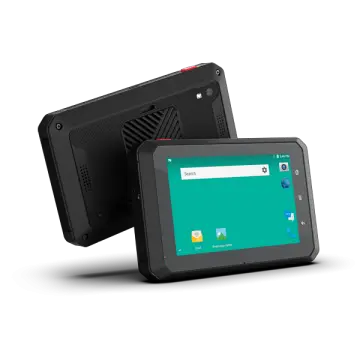 VT-5A
VT-5A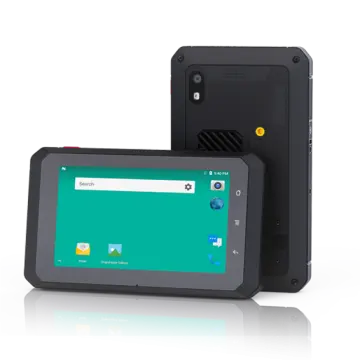 VT-5
VT-5 VT-BOX
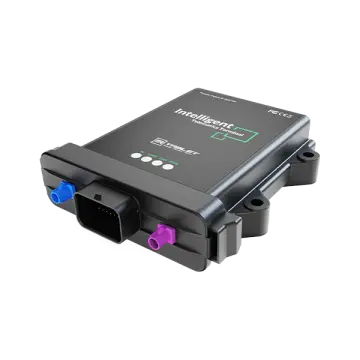 VT-BOX-II
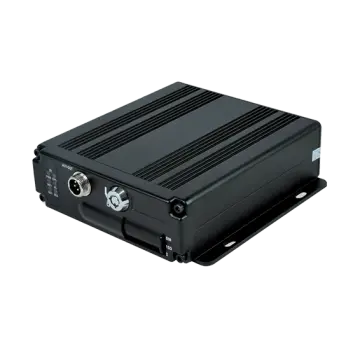 AI-MDVR040
 AT-B2
AT-B2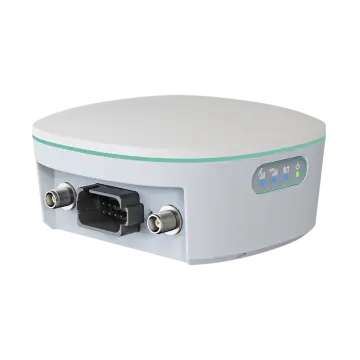 AT-R2
AT-R2