What is an Android Tablet and How to Choose the Best One?
In today’s tech-savvy world, understanding what an Android Tablet is can be crucial for making an informed purchase. Android Tablets are versatile devices, combining the functionality of a smartphone with the screen size of a laptop. They cater to various needs, from browsing the web to gaming, making them a popular choice among consumers.
Choosing the best Android Tablet involves several factors. It can be overwhelming with so many options available. Key features to consider include screen size, battery life, and processing power. Users often struggle with identifying what specs truly matter for their usage. Reflecting on personal needs is essential before diving into the multitude of choices.
Consumers may find themselves influenced by marketing hype. Features that seem impressive may not translate to everyday usability. Therefore, a grounded understanding of what an Android Tablet offers is vital. Prioritizing essential functions over flashy specifications can lead to a more satisfying experience. Ultimately, careful consideration and research can make a significant difference in finding the right device.
Understanding the Basics: What is an Android Tablet?
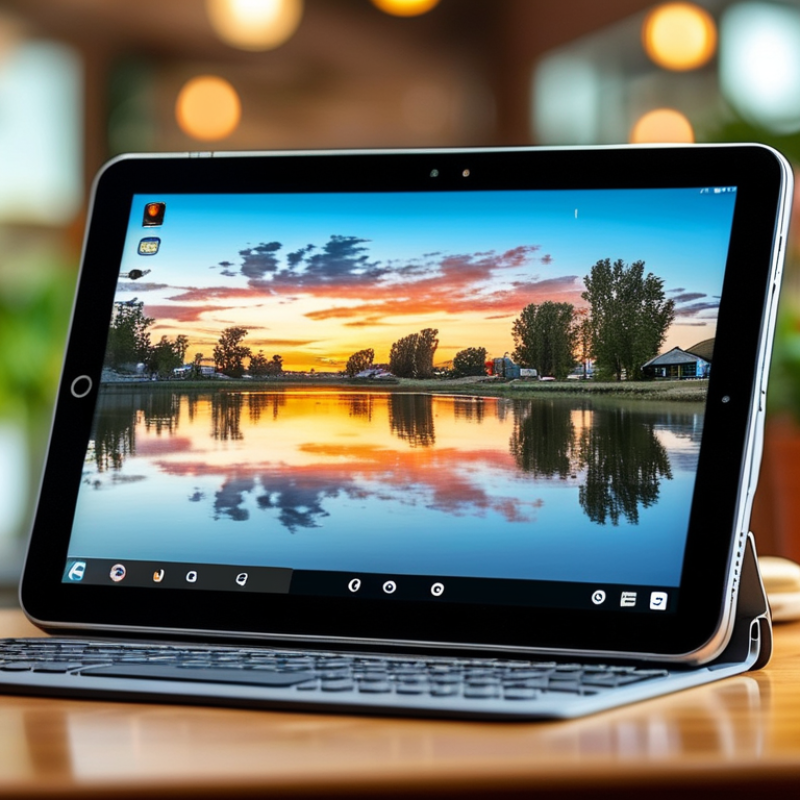
An Android tablet is a mobile device that runs on the Android operating system. These tablets combine the features of a smartphone and a laptop. With various screen sizes and specifications, they cater to different user needs. Users can browse the web, play games, or watch movies. The interface is user-friendly, making it accessible for everyone.
When choosing an Android tablet, consider your primary use. Are you an avid reader or a gamer? Do you need it for work or casual browsing? The specifications should match your needs. Look for a suitable screen size and battery life. A powerful processor enhances performance, especially for multitasking.
Tip: Before making a purchase, read reviews. User experiences can highlight potential pitfalls. Always check for software updates too; they improve security and functionality.
Additionally, think about storage capacity. Some apps and media require significant space. A tablet with expandable storage can be beneficial in the long run. Balancing your budget with desired features may take time. Reflect on what truly matters to you in a tablet.
Key Features to Consider When Choosing an Android Tablet
When choosing an Android tablet, consider key features that align with your needs. Screen size is essential. Tablets range from 7 to 12 inches. A larger screen offers a better viewing experience, especially for movies and web browsing. However, smaller models are more portable. Think about how you plan to use your tablet.
Battery life is another crucial factor. Many tablets claim all-day battery life. However, real-world usage may differ. Some sleek models drain more power with high-resolution displays. Perform a bit of research on battery reviews before buying.
Performance is vital too. Look for tablets with ample RAM and a powerful processor. This impacts multitasking abilities and loading times. A good tablet should run apps smoothly. Specifications can be overwhelming, but find a balance between power and cost.
Tips: Focus on your priorities. If you mostly read, a lighter tablet may suffice. If you play games, invest in more power. Also, consider connectivity options like Wi-Fi and cellular capabilities. These features come in handy for on-the-go use. Always look for customer reviews before making a decision. They can provide insight into long-term reliability.
Top Brands and Models of Android Tablets on the Market
When exploring the world of Android tablets, several brands and models stand out. These devices cater to various needs, from casual browsing to professional tasks. Popular brands often prioritize user experience, ensuring their tablets feature responsive screens and long battery life. A detailed review of specifications can inform smart purchasing decisions.
Samsung frequently releases versatile models that appeal to both students and professionals. Choosing the right size is crucial; smaller tablets are lighter and more portable, while larger ones offer better multimedia experiences. Another noteworthy player often steps up with affordable yet powerful options, designed for budget-conscious buyers. This creates a diverse landscape.
Beyond specifications, user feedback is invaluable. Many users mention the learning curve associated with different interfaces. Features designed for productivity may not always integrate seamlessly, leading to frustration. Understanding these nuances can help prospective buyers select the tablet that best matches their needs. Observing trends and reviews enriches this process, guiding informed choices.
What is an Android Tablet and How to Choose the Best One?
| Feature |
Description |
| Operating System |
Android OS version available at purchase |
| Screen Size |
Varies from 7 to 12 inches, affecting portability and usability |
| Processor |
Type and speed of processor, influencing performance |
| RAM |
Amount of memory, impacting multitasking capabilities |
| Storage Options |
Internal storage capacity and microSD expansion support |
| Battery Life |
Average battery life on a full charge, usually measured in hours |
| Camera Quality |
Specifications of front and rear cameras |
| Connectivity |
Wi-Fi, Bluetooth, and optional cellular capabilities |
| Operating Features |
Additional features like stylus support, detachable keyboards, etc. |
How to Assess Performance Specifications for Android Tablets
When selecting an Android tablet, assessing performance specifications is crucial. Performance largely relies on the processor and RAM. A faster processor improves multitasking and app loading times. Look for tablets with at least 4GB of RAM for smooth operation.
Display quality matters too. A high-resolution screen enhances the viewing experience, especially for media consumption. An ideal tablet should offer vibrant colors and decent brightness.
Battery life is another key factor. Long-lasting batteries allow for extended use without frequent recharging.
Storage capacity cannot be overlooked. Consider whether you need space for apps, photos, or videos. Some tablets support expandable storage, allowing for more flexibility.
Assess how these elements align with your usage. Each user's needs will differ, so reflect on what truly matters in daily use.
Tips for Finding the Best Value in Android Tablets
When selecting an Android tablet, value is key. Research shows that over 70% of consumers prioritize performance and affordability. Identifying your needs is essential. Do you need it for work, entertainment, or both? A study from IDC indicates that battery life and display quality are also top factors for 68% of users.
Consider these tips for finding the best value in Android tablets. Look at the specifications, focusing on RAM and processing power. Tablets with at least 4GB of RAM handle multitasking better. Additionally, battery life is critical; aim for models offering at least 8 hours of usage. Reading user reviews can provide real-world insights.
Be cautious about flashy features that may not add value. Many high-end models boast 120Hz screens, yet they may not justify the extra cost for casual usage. Balancing price and essential features is crucial. Spending extra might seem tempting, but will it truly enhance your experience? Remember, a tablet should meet your practical needs without breaking the bank.

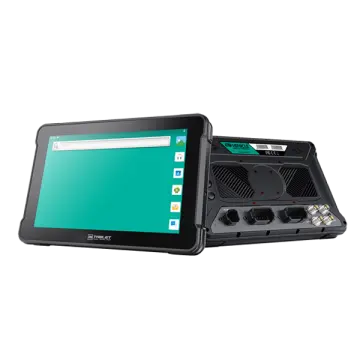 AT-10A
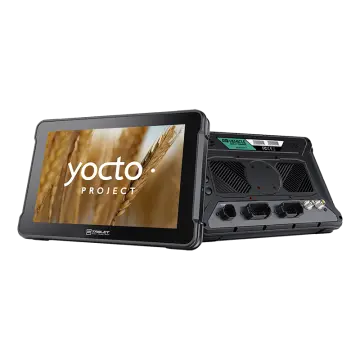 AT-10AL
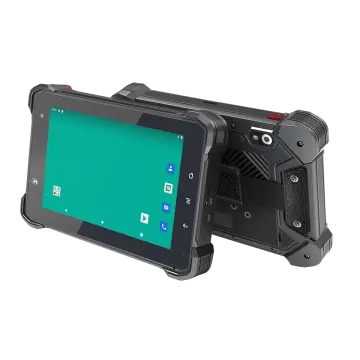 VT-7 GA/GE
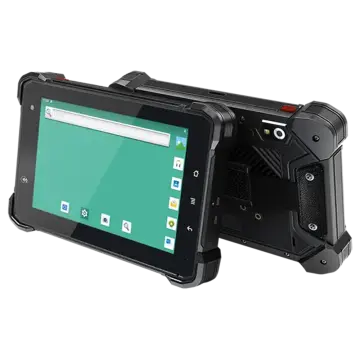 VT-7 Pro
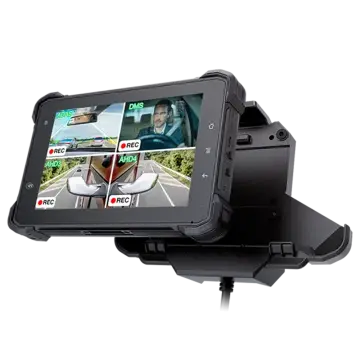 VT-7 PRO (AHD)
 VT-7A
VT-7A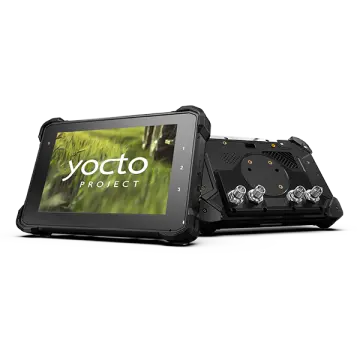 VT-7AL
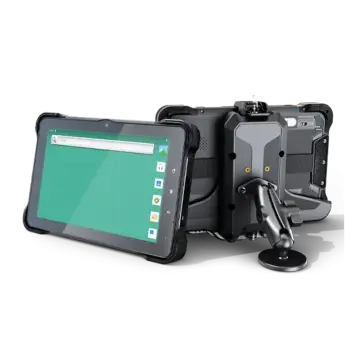 VT-10
VT-10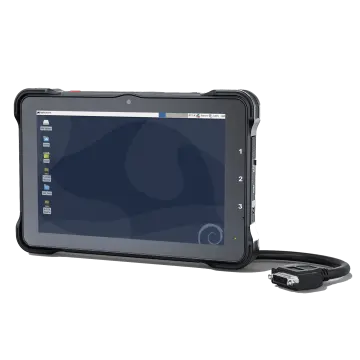 VT-10 IMX
 VT-10 Pro
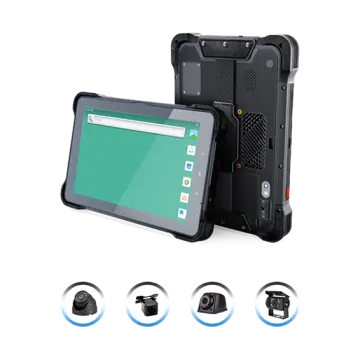 VT-10 Pro AHD
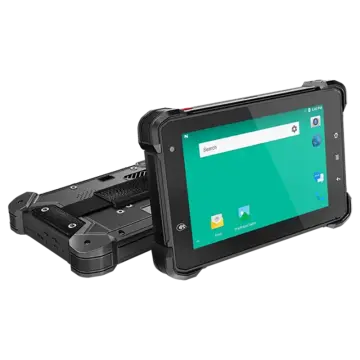 VT-7
VT-7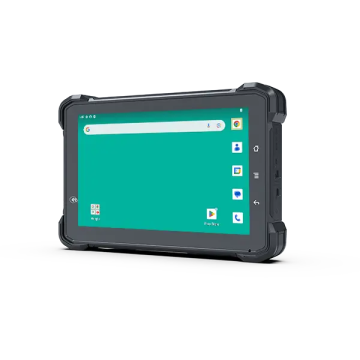 VT-7A PRO
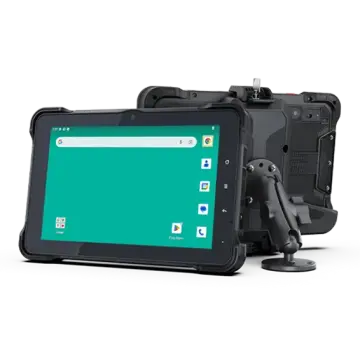 VT-10A Pro
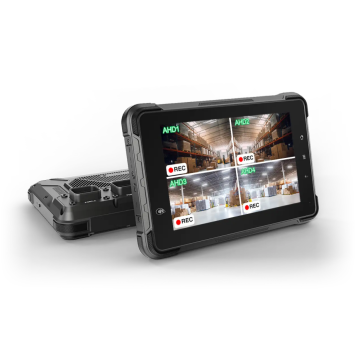 ST-7 Rugged Table
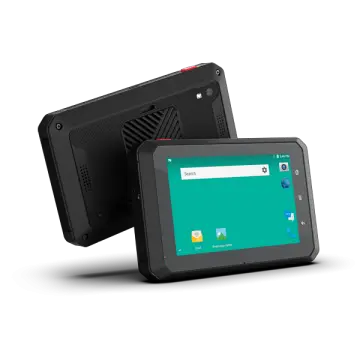 VT-5A
VT-5A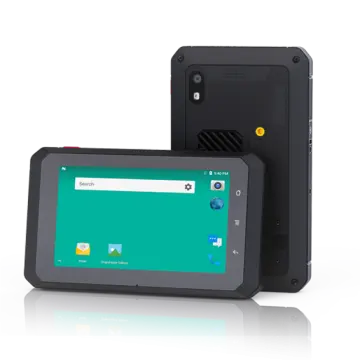 VT-5
VT-5 VT-BOX
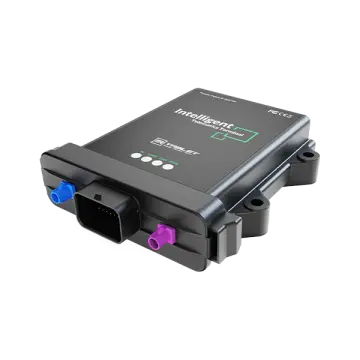 VT-BOX-II
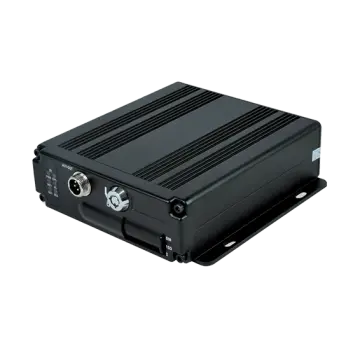 AI-MDVR040
 AT-B2
AT-B2 AT-R2
AT-R2