Best Android Industrial Tablets for Business Needs in 2026?
As industries evolve, the demand for efficient technology rises. Android Industrial Tablets have emerged as a key player in this transformation. According to a recent market report by Grand View Research, the global industrial tablet market is expected to reach USD 5.1 billion by 2026, driven by the rise of mobile automation and data collection needs across various sectors.
These devices are not just tools; they enhance productivity and streamline operations. In manufacturing, for instance, Android Industrial Tablets facilitate real-time monitoring and communication on the shop floor. However, not all tablets are created equal. Companies must assess their specific needs, from durability to software compatibility. The right choice can lead to significant cost savings and improved workflow.
Yet challenges remain. The rapid technological advancements create pressure to adopt the latest models. Businesses must balance innovation with budget constraints. Selecting the ideal Android Industrial Tablet involves careful consideration of both current and future requirements. Ultimately, pursuing excellence in this area can yield substantial benefits for organizations willing to invest wisely.
Top Features to Look for in Industrial Tablets for Business Use in 2026
In 2026, choosing an industrial tablet for business use requires careful consideration of essential features. Build quality is crucial. Tablets should be rugged and capable of withstanding harsh environments. Look for devices rated for drops and resistant to dust and moisture. A strong chassis is vital, especially for fieldwork.
Battery life is another key factor. Extended usage through long shifts is often necessary. Industrial tablets should offer over ten hours of reliable battery performance. Additionally, quick charging features can minimize downtime. Connectivity options enhance productivity, too. 5G capabilities provide fast internet in areas without Wi-Fi.
Display quality matters significantly. A bright, clear screen is essential for readability outdoors. Touch sensitivity should work even when wearing gloves. Security features like biometric scanning ensure data protection. Furthermore, support for various software and apps can expand the tablet's usefulness in business contexts. All these elements combine to create reliable tools that can adapt to evolving business needs.
Market Trends: Growth of Android Industrial Tablets in Various Sectors
The market for Android industrial tablets is expanding rapidly. Businesses across sectors are recognizing their versatility. These devices are robust and user-friendly. They enhance productivity and efficiency in various environments. From manufacturing to logistics, Android tablets are making a mark. Their ability to run specialized applications is crucial for many operations.
In warehouses, these tablets assist in inventory management. Workers scan barcodes and access real-time data. This streamlines processes and reduces errors significantly. In the field, technicians use them for maintenance tasks. They receive updates instantly, minimizing downtime. However, durability remains a concern. Tablets must withstand harsh conditions, like dust and moisture.
The healthcare sector benefits too. Android tablets facilitate patient monitoring and data management. Yet, privacy issues arise. Ensuring data protection is vital as regulations evolve. As businesses implement these technologies, they often overlook training. Staff members need proper guidance to use these devices effectively. Ignoring this can lead to suboptimal results. Transitioning to Android industrial tablets may not be seamless, but the potential rewards are substantial.
Comparative Analysis of Leading Android Industrial Tablets in 2026
In 2026, the landscape of Android industrial tablets has evolved significantly, catering to unique business requirements. A recent report from Industry Research Group states that the demand for durable tablets in industrial environments has surged by over 35% since 2024. This increase indicates a strong trend toward mobile computing solutions in sectors like manufacturing and logistics.
Comparative analysis reveals variations in key features among leading models. Battery life remains a critical factor; many tablets now offer over 12 hours, ideal for long shifts. Yet, durability varies widely. Some tablets can withstand drops from three feet, while others falter under similar conditions. Industry surveys show that only 40% of users prioritize ruggedness. This gap highlights potential pitfalls in purchasing decisions.
Moreover, software compatibility is essential for seamless operations. Many devices run Android 12 or later, ensuring better integration with existing enterprise applications. However, businesses face challenges in managing software updates across multiple devices. Notably, 58% of businesses reported difficulties during transition periods. Such information is pivotal for companies investing in these tools.
Best Android Industrial Tablets for Business Needs in 2026
| Model |
Screen Size |
Processor |
RAM |
Storage |
Battery Life |
Weight |
| Model A |
10.1 inches |
Octa-core 2.5 GHz |
4 GB |
64 GB |
12 hours |
1.2 kg |
| Model B |
12.5 inches |
Hexa-core 2.2 GHz |
6 GB |
128 GB |
15 hours |
1.5 kg |
| Model C |
10.5 inches |
Quad-core 2.0 GHz |
8 GB |
256 GB |
10 hours |
1.0 kg |
| Model D |
11.6 inches |
Octa-core 2.8 GHz |
8 GB |
512 GB |
14 hours |
1.3 kg |
Impact of Android Tablets on Productivity and Efficiency in Industries
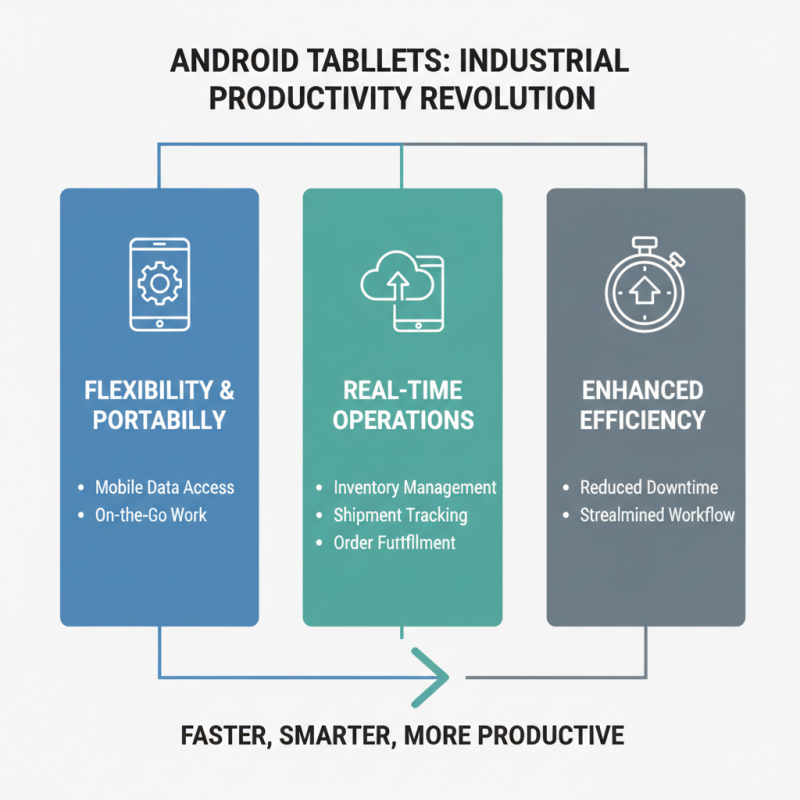
The rise of Android tablets in industrial settings has transformed productivity and efficiency. These devices offer flexibility and portability in ways traditional computing cannot. Workers can access real-time data on the floor. They can manage inventory, track shipments, and complete orders swiftly. This immediacy reduces downtime and enhances workflow.
Integration of Android tablets into processes is not without challenges. Training staff can be a hurdle. Some employees may struggle with adapting to new technology. Additionally, compatibility issues with existing systems can arise. It's essential to evaluate how these devices fit into the established workflow.
Despite these obstacles, the impact of Android tablets on industries is undeniable. Businesses experience improved communication and collaboration. Tasks that once took hours can now be completed in minutes. This shift is crucial in a competitive market. However, organizations must remain open to feedback and adjustments. Testing various models and setups can lead to better outcomes.
Future Innovations: What to Expect in Android Industrial Tablets by 2026
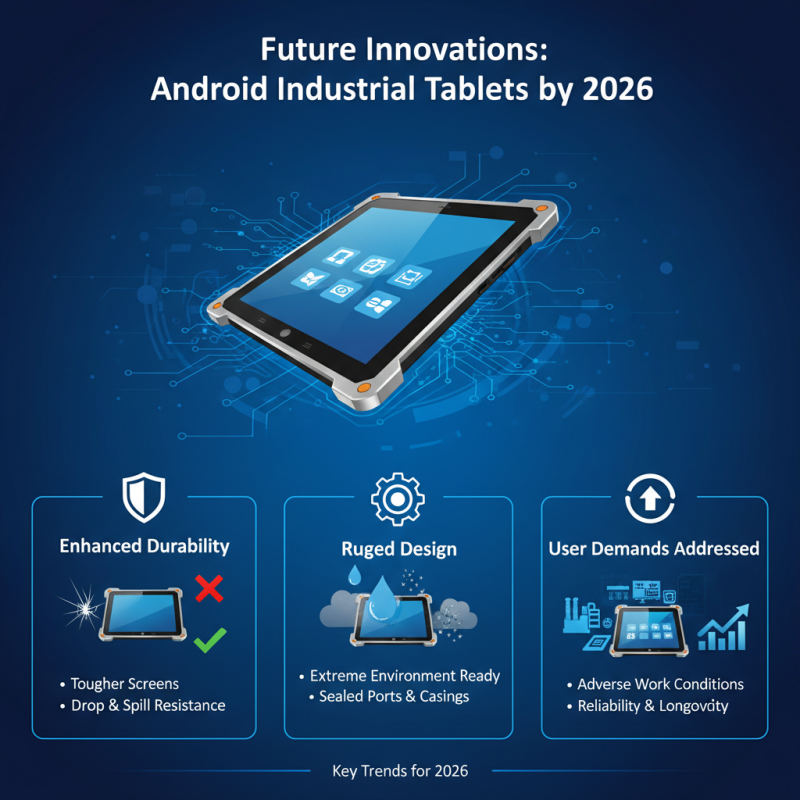
As we approach 2026, the landscape of Android industrial tablets is set for significant transformation. Enhanced durability and rugged design will be paramount. Tablets will likely feature tougher screens and better resistance to drops and spills. This improvement addresses critical user demands in adverse work environments, where traditional devices fail.
Software innovations will also be crucial. We expect advancements in operating systems, offering better security and functionality. Incorporating AI for predictive maintenance could revolutionize operations. Tablets might soon assist users by providing maintenance reminders and real-time analytics. These smart features will increase efficiency and reduce downtime.
However, manufacturers face challenges in balancing performance and battery life. Heavy applications may drain power quickly. Users should consider this aspect when choosing devices. Moreover, the push for sustainability could lead to eco-friendly materials, but this comes with a price. The balance between innovation and cost will require careful consideration from businesses.

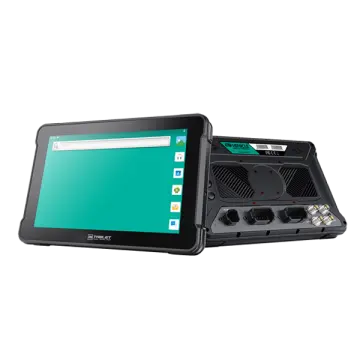 AT-10A
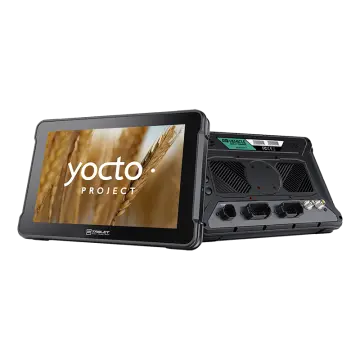 AT-10AL
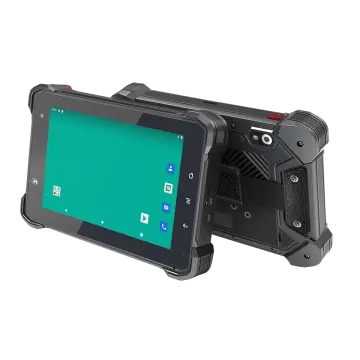 VT-7 GA/GE
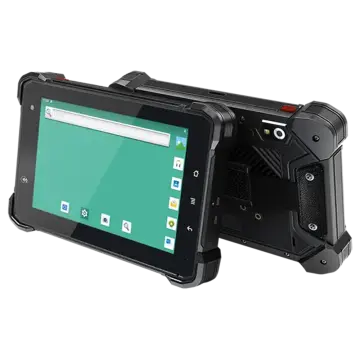 VT-7 Pro
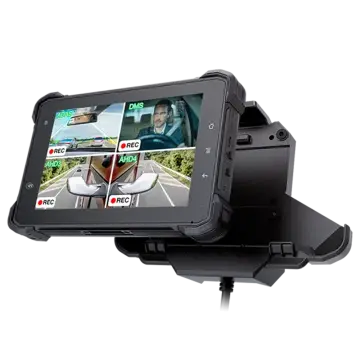 VT-7 PRO (AHD)
 VT-7A
VT-7A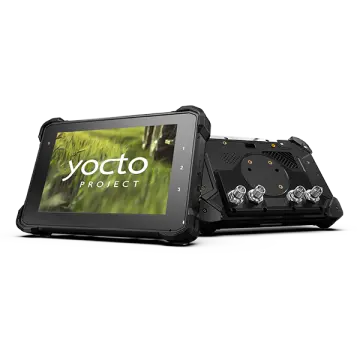 VT-7AL
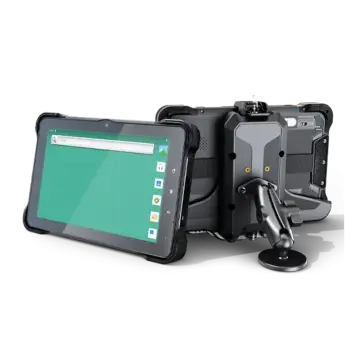 VT-10
VT-10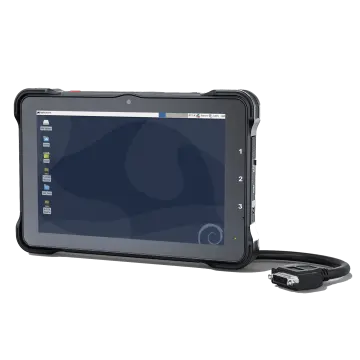 VT-10 IMX
 VT-10 Pro
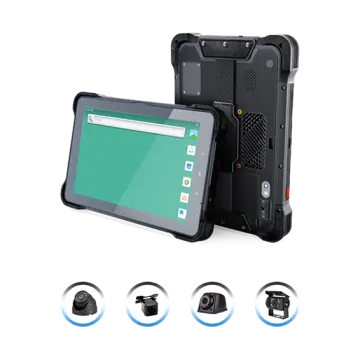 VT-10 Pro AHD
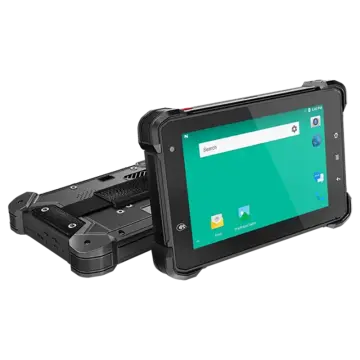 VT-7
VT-7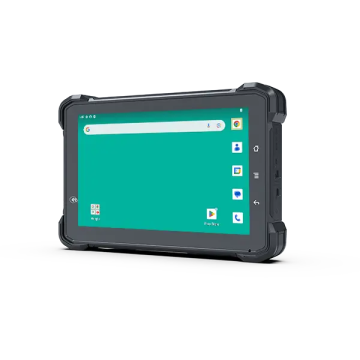 VT-7A PRO
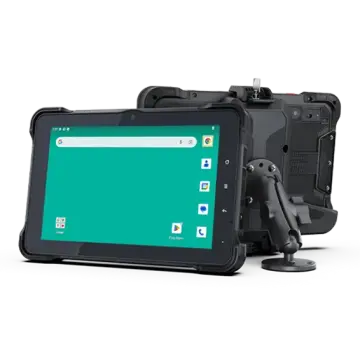 VT-10A Pro
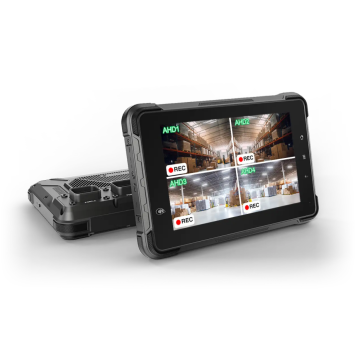 ST-7 Rugged Table
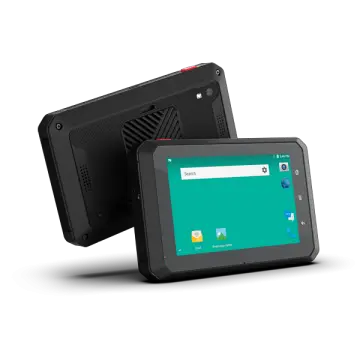 VT-5A
VT-5A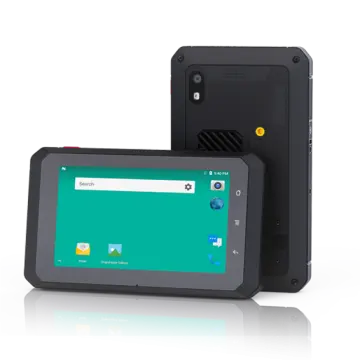 VT-5
VT-5 VT-BOX
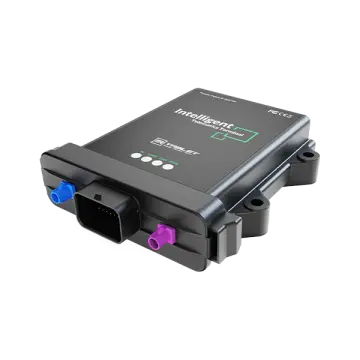 VT-BOX-II
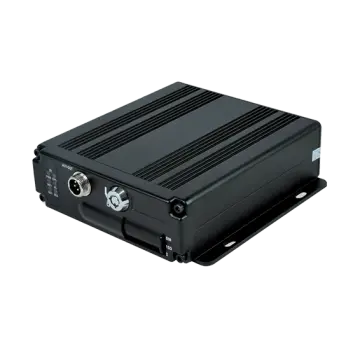 AI-MDVR040
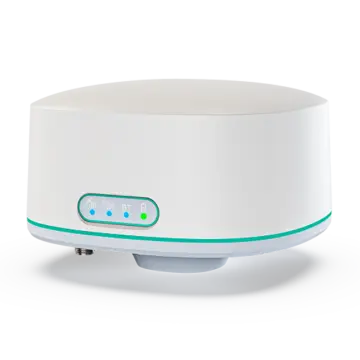 AT-B2
AT-B2 AT-R2
AT-R2