Best Industrial Tablets Android for Global Buyers in 2026?
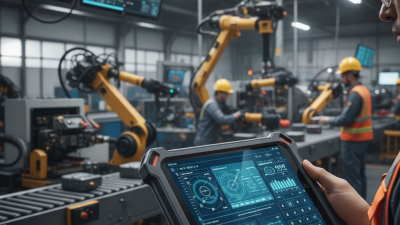
In the ever-evolving landscape of technology, Industrial Tablet Android devices are becoming crucial for businesses worldwide. By 2026, these tablets will play a significant role in enhancing productivity and efficiency in various industries. Their robust features cater to the unique demands of industrial environments, ensuring reliability and performance.
Choosing the best Industrial Tablet Android for your needs requires careful consideration. Many options claim to provide exceptional performance, yet not all deliver on their promises. Key factors include durability, battery life, and user-friendly interfaces. Companies should seek tablets that withstand tough conditions while offering seamless operation.
Moreover, buyers must reflect on their specific requirements. Different industries may prioritize distinct functionalities. What works for one sector may not suit another. It is essential to align the features of an Industrial Tablet Android with the operational needs of your business. Striking a balance between cost and performance remains a challenge. As we approach 2026, understanding these dynamics is vital for informed purchasing decisions.
Overview of Industrial Tablets and Their Importance in 2026
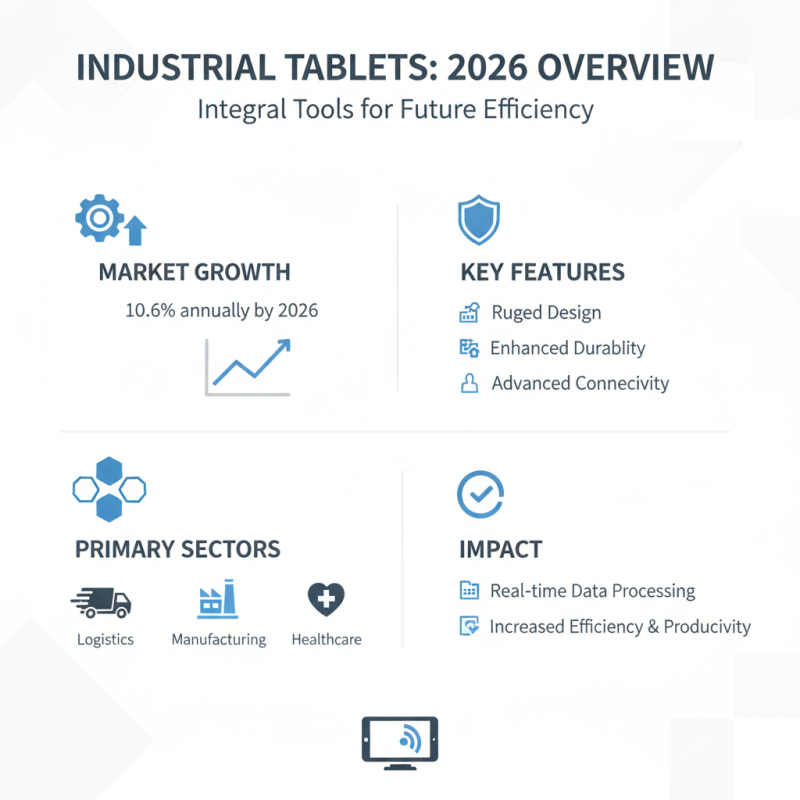
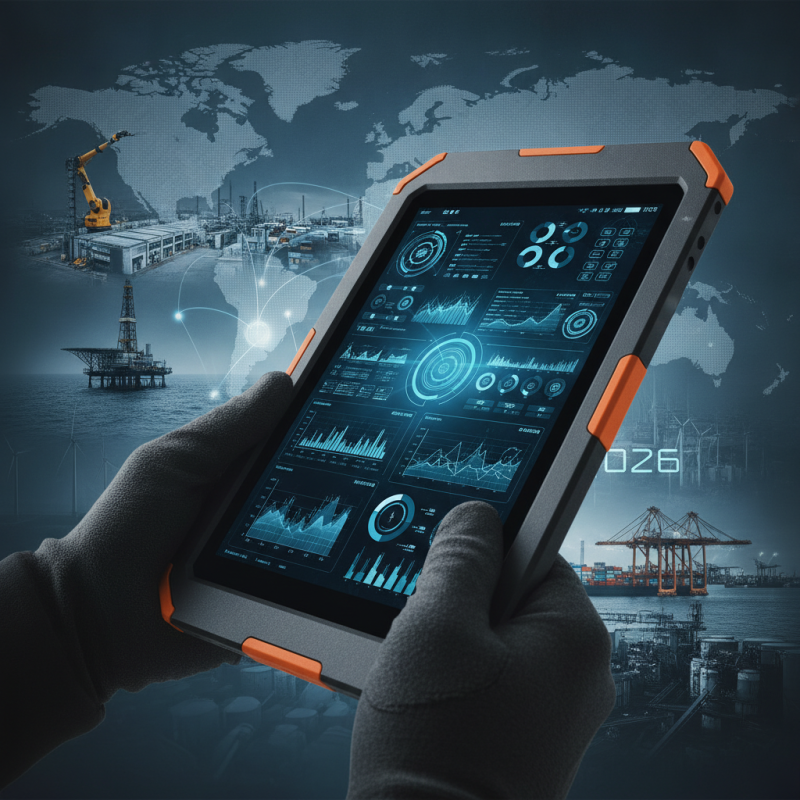
Industrial tablets are becoming integral tools in various sectors, especially in logistics, manufacturing, and healthcare. With a projected market growth of 10.6% annually, their role is expanding significantly by 2026. These devices offer rugged designs, enhanced durability, and advanced connectivity features. They enable real-time data processing on the floor, which increases efficiency and productivity.
The need for remote access to critical data is crucial. A report by MarketsandMarkets indicates that nearly 70% of companies will implement mobile solutions by 2026. This trend highlights the importance of seamless data sharing and operational agility. However, it raises concerns about data security and device management. Businesses must address these issues to fully leverage the benefits of industrial tablets.
Moreover, user experience plays a vital role. Many users report dissatisfaction with interface intuitiveness and app reliability. This feedback should drive future improvements. Continuous development will ensure that industrial tablets evolve to meet user needs while maximizing productivity across diverse industries.
Key Features to Look for in Android Industrial Tablets
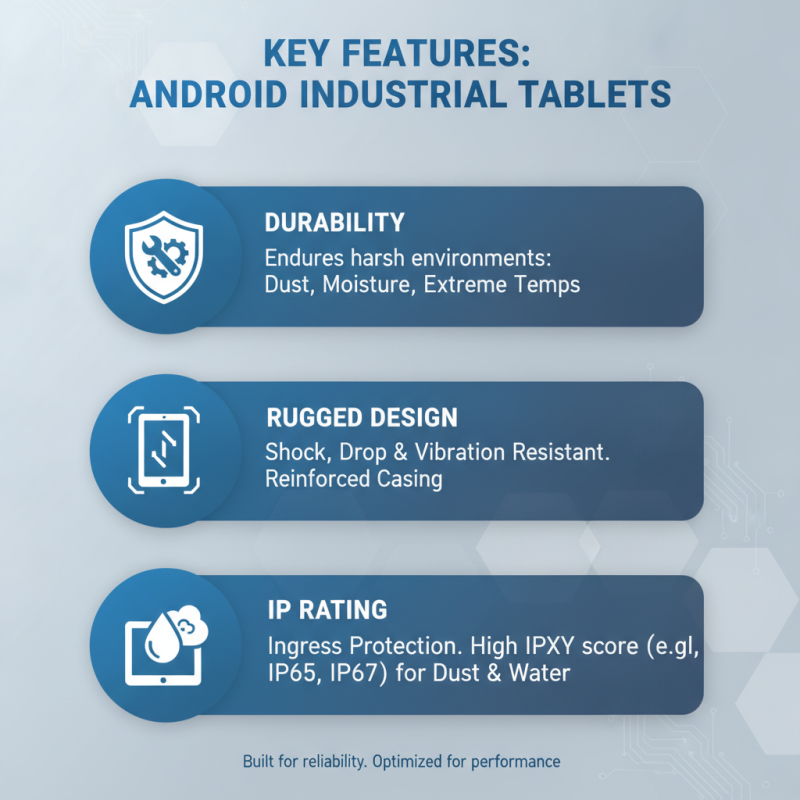
When selecting an Android industrial tablet, it’s crucial to consider various key features. Durability is one of the top priorities. Look for tablets that can endure harsh environments, such as exposure to dust, moisture, or temperature extremes. Enhanced IP ratings can indicate better protection against the elements.
Another significant factor is battery life. In industrial settings, long-lasting power is essential. A reliable tablet will support extended work shifts without frequent charging. Check for devices with fast charging capabilities, as this can help minimize downtime.
Tips: Pay attention to the processing power. Strong CPUs and ample RAM ensure smooth multitasking. This is especially important for demanding applications.
Display quality matters too. Opt for screens that offer high visibility in bright lighting. Touch responsiveness should be precise, even with gloves on. Features like anti-glare coatings can enhance usability in various settings.
Always seek tablets that allow for easy integration with existing systems. Compatibility with software and peripherals is essential for seamless operations. Balancing these features will help, but it’s vital to assess the specific needs of your industry.
Top Brands Offering Android Industrial Tablets Globally
In 2026, the demand for Android industrial tablets continues to rise. Many top brands are stepping up to meet global needs. These devices are designed for tough environments and offer essential features. Robust designs protect against harsh conditions. Their ease of use makes them a favorite among workers. However, not all brands provide the same level of quality.
Several brands focus on providing durable tablets that withstand drops and spills. Battery life is a critical aspect; some devices can last an entire shift. Display quality also matters. Users need clear visuals, even in bright light. While some manufacturers succeed, others fall short. The balance between price and performance remains a challenge for buyers.
Companies are constantly innovating to stay competitive. New features like enhanced connectivity and built-in software are becoming standard. However, not all advancements are necessary or user-friendly. Feedback from real-world users often highlights issues that manufacturers overlook. Understanding these nuances is vital for making informed choices in the industrial tablet market.
Best Industrial Tablets Android for Global Buyers in 2026
| Model |
Screen Size |
Battery Life |
Operating System Version |
Storage Capacity |
Weight |
Price Range |
| Model A |
10.1 inches |
10 hours |
Android 12 |
128 GB |
600 grams |
$300 - $400 |
| Model B |
8.0 inches |
12 hours |
Android 11 |
64 GB |
400 grams |
$200 - $300 |
| Model C |
12.9 inches |
9 hours |
Android 13 |
256 GB |
800 grams |
$500 - $600 |
| Model D |
11.6 inches |
15 hours |
Android 12 |
128 GB |
650 grams |
$350 - $450 |
Comparative Analysis of the Best Industrial Tablets for 2026
As we approach 2026, the demand for industrial tablets is expected to surge significantly. A recent report by MarketsandMarkets indicates that the global industrial tablet market will reach $3.6 billion by 2026, growing at a CAGR of 12.1%. This growth highlights the increasing reliance on mobile technology across various sectors, including manufacturing, logistics, and field services. Manufacturers must focus on essential features like durability and battery life to meet these demands effectively.
Recent studies show that 70% of companies are integrating mobile devices into their daily operations. Industrial tablets need to withstand harsh environments and facilitate real-time data access. Factors like screen size, processing power, and ease of use play critical roles in buyer decisions. However, challenges persist. Some products struggle with software compatibility, limiting their use in specialized applications. It’s crucial that manufacturers address these issues as the market continues to evolve.
Security remains a top priority. According to a survey by Cybersecurity Ventures, cybercrime damages are predicted to reach $10.5 trillion annually by 2025. Industrial tablets must implement robust security protocols to protect sensitive data. Companies need to assess the balance between functionality and security. Buyers should remain vigilant, as not every product meets high standards. Continuous feedback and adaptation are essential in this rapidly changing market landscape.
Best Industrial Tablets Android for Global Buyers in 2026
This chart displays a comparative analysis of the top industrial tablets based on their performance metrics including battery life, screen size, and processor speed. The data represents the estimated performance features expected in 2026.
Future Trends in Industrial Tablets and Their Market Impact
Industrial tablets are evolving rapidly, driven by advancements in technology and increasing demand for mobility. The global industrial tablet market is projected to reach $17 billion by 2026, according to a recent report by MarketsandMarkets. This uptick signifies a shift towards more durable, secure, and user-friendly devices tailored for various industrial environments.
Future trends indicate a strong focus on enhanced connectivity and ruggedness. Tablets with 5G capabilities will dominate, providing faster data transfer and real-time communication in challenging settings. Furthermore, the integration of AI and machine learning will enable predictive maintenance and analytics. However, the market faces challenges. The high costs of rugged tablets deter many small to medium enterprises from transitioning to this technology.
Sustainability factors are also becoming crucial. Businesses are now prioritizing eco-friendly materials and energy-efficient devices. This movement, while beneficial, requires careful consideration of supply chain impacts and recycling processes. As the industry evolves, these dynamics will shape the market significantly, potentially complicating standardization efforts. Balancing innovation with usability remains a constant challenge, prompting manufacturers to re-evaluate their design and production strategies.

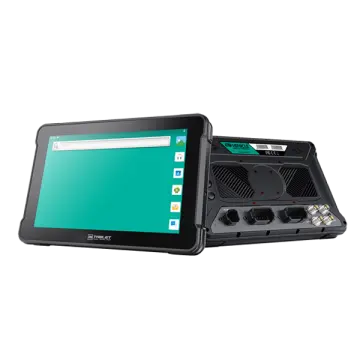 AT-10A
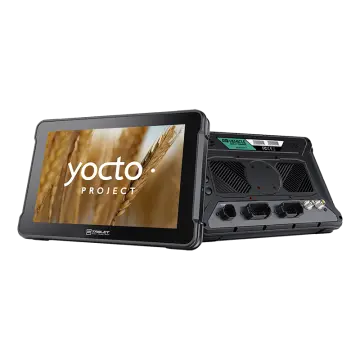 AT-10AL
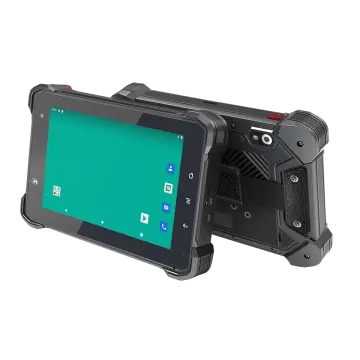 VT-7 GA/GE
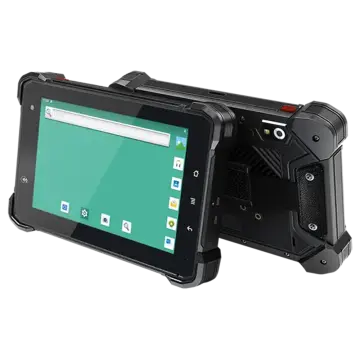 VT-7 Pro
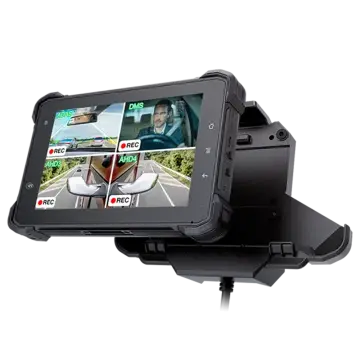 VT-7 PRO (AHD)
 VT-7A
VT-7A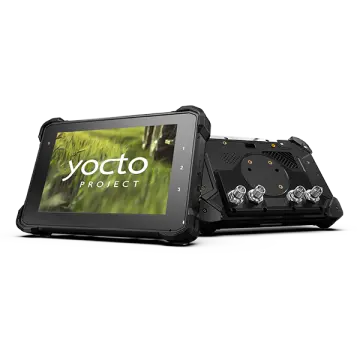 VT-7AL
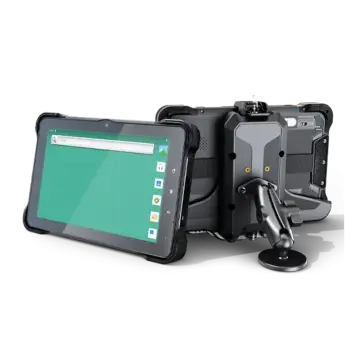 VT-10
VT-10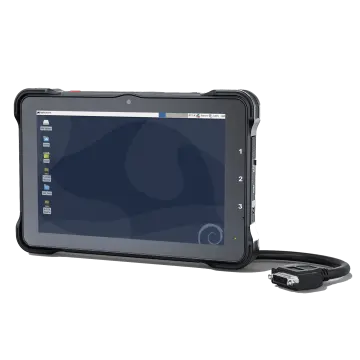 VT-10 IMX
 VT-10 Pro
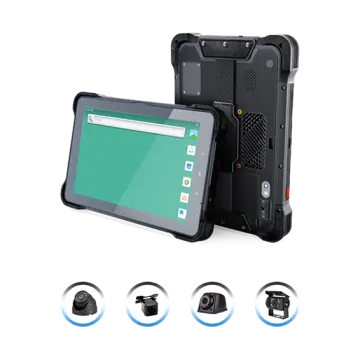 VT-10 Pro AHD
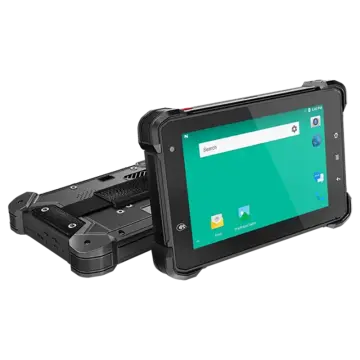 VT-7
VT-7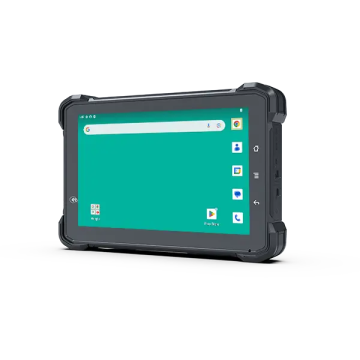 VT-7A PRO
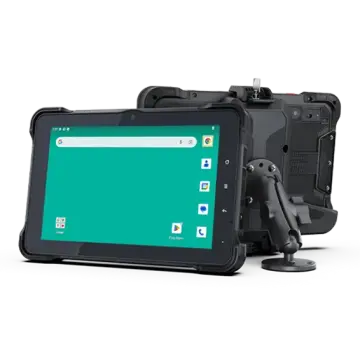 VT-10A Pro
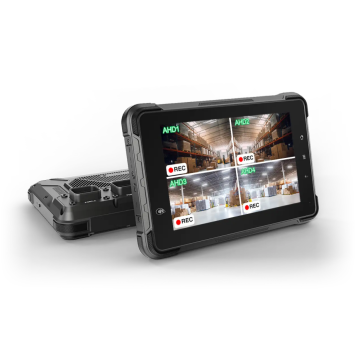 ST-7 Rugged Table
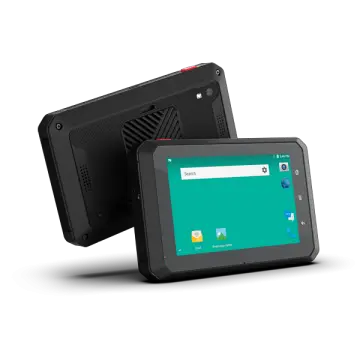 VT-5A
VT-5A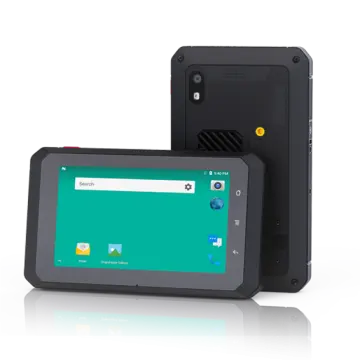 VT-5
VT-5 VT-BOX
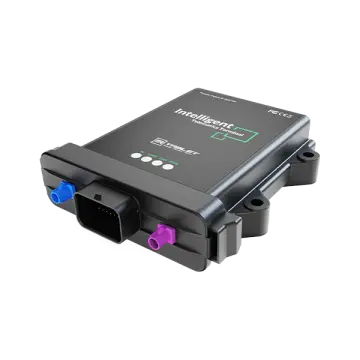 VT-BOX-II
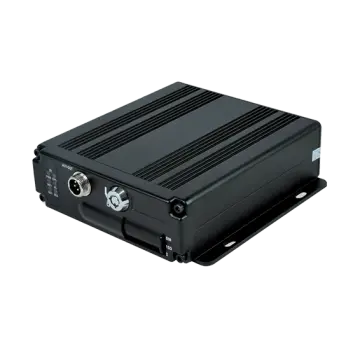 AI-MDVR040
 AT-B2
AT-B2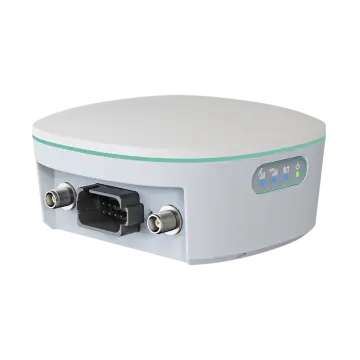 AT-R2
AT-R2