10 Best Industrial Android Tablets for Enhanced Productivity in 2026?
In recent years, the demand for Industrial Android Tablets has surged significantly. These devices are specially designed for rigorous environments. They enhance productivity and streamline operations in various industrial sectors. As industries evolve, so do the tools we use. The efficacy of an Industrial Android Tablet can transform workflows and improve efficiency.
Choosing the right tablet is crucial for businesses. Factors like durability, battery life, and application support are vital. While many options exist, not all meet the specific needs of industrial applications. Understanding this can save companies time and money in the long run. Yet, navigating the market can be overwhelming.
In 2026, the landscape of Industrial Android Tablets promises even more advancements. Companies must remain vigilant and adaptable. Selecting a tablet shouldn't be a rushed decision. The effectiveness of these devices carries a significant weight on overall productivity. Balancing innovation with practical needs is key. The right tablet can lead to unprecedented advancements in industrial performance.
Top Features to Look for in Industrial Android Tablets for 2026
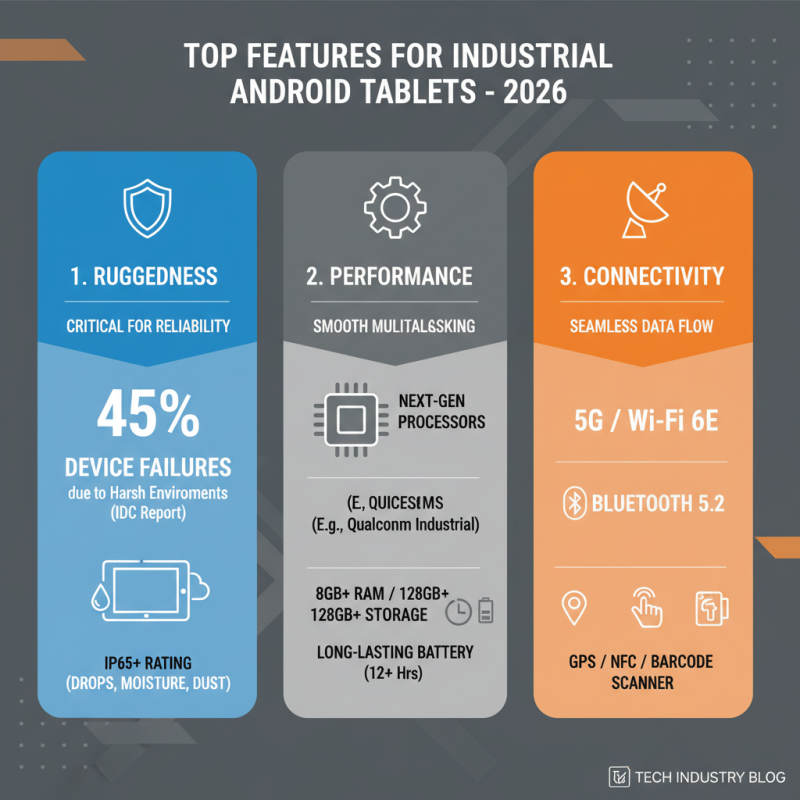
When choosing industrial Android tablets for 2026, several key features stand out. First, ruggedness is critical. According to a market research report by IDC, around 45% of industrial tablet users face device failures due to harsh environments. Tablets need to withstand drops, moisture, and dust. Look for devices that meet IP65 or higher ratings for reliability in challenging conditions.
Battery life also plays an essential role. Many industrial tasks demand extended usage without frequent charging. A report from Gartner indicates that devices with over 12 hours of battery life improve productivity by 30%. Users often express frustration with devices that require constant recharging, leading to downtime.
Connectivity options cannot be overlooked. In 2026, seamless integration with IoT solutions will be vital. A survey by ABI Research found that industries leveraging IoT experience a 25% increase in operational efficiency. Hence, tablets should support 5G, Wi-Fi 6, and Bluetooth 5.0 to keep pace with evolving workplace needs. The right features can transform workflows, but users must carefully assess trade-offs between power and portability.
Market Trends in Industrial Tablets: Growth Projections and Key Players
The industrial tablet market is experiencing significant growth, driven by increased demand for mobile solutions. According to a recent report by MarketsandMarkets, the global industrial tablet market is projected to reach $6.9 billion by 2026, growing at a CAGR of 10.7%. This rise is fueled by the need for real-time data access and efficient workflow processes in manufacturing and logistics. Key players in this space must adapt to these trends to stay competitive.
Adoption of rugged Android tablets is also rising. These devices withstand harsh environments and enhance productivity. Industrial companies increasingly recognize the efficiency of using tablets for tasks like inventory management and equipment monitoring. A study by Research and Markets noted that 60% of enterprises plan to integrate tablets into their operations by 2025.
**Tip:** Ensure compatibility with existing systems when choosing industrial tablets. This can minimize disruptions during implementation.
Another trend is the use of advanced technologies such as AI and IoT in industrial tablets. These features help streamline operations, yet their integration can present challenges. Companies may face difficulties in training employees to utilize these new technologies effectively. As automation rises, it’s crucial to consider both the benefits and potential drawbacks of technology adoption.
**Tip:** Regular training sessions can help staff adapt to new tools, ensuring higher productivity.
10 Best Industrial Android Tablets for Enhanced Productivity in 2026
| Model |
Screen Size |
Processor |
RAM |
Battery Life |
Special Features |
| Tablet A |
10.1 inches |
Octa-core 2.0 GHz |
4 GB |
12 hours |
IP67 Waterproof |
| Tablet B |
8 inches |
Quad-core 1.8 GHz |
3 GB |
10 hours |
Rugged Design |
| Tablet C |
11.6 inches |
Hexa-core 2.5 GHz |
8 GB |
15 hours |
Anti-glare Display |
| Tablet D |
12.2 inches |
Octa-core 2.3 GHz |
6 GB |
14 hours |
Face Recognition |
| Tablet E |
10.5 inches |
Quad-core 2.2 GHz |
4 GB |
12 hours |
Bluetooth Connectivity |
Comparative Analysis of Ruggedness Standards in Android Tablets
When selecting industrial Android tablets, ruggedness is a crucial factor. Tablets in this category must meet specific durability standards, such as MIL-STD-810G. This standard evaluates devices under extreme conditions. For instance, it tests whether the device can withstand drops from a height of 4 feet. According to industry reports, 25% of devices fail these tests, which raises concerns for companies relying on them in demanding environments.
Water and dust resistance are also significant. Many tablets have an IP67 or IP68 rating. These ratings ensure they can handle immersion in water and dust exposure. A recent study found that 35% of users felt limited by the lack of reliable waterproof devices. A reliable tablet must endure these challenges to maintain productivity. However, not all manufacturers disclose comprehensive testing results. This lack of transparency complicates the decision-making process. Companies often find themselves uncertain of a tablet's true ruggedness.
Battery life remains another concern. While many tablets promise long-lasting batteries, real-world usage often falls short. A survey indicated that 40% of industrial users reported that their devices failed to meet battery life expectations during critical tasks. This gap highlights the need for better testing. Ultimately, understanding ruggedness standards is essential for making informed choices in industrial settings.
Comparison of Ruggedness Standards in Industrial Android Tablets (2026)
Battery Life and Performance Metrics for Enhanced Industrial Use
When selecting industrial Android tablets for 2026, battery life and performance are critical factors. Long-lasting battery life empowers workers in various settings. Devices should offer at least 10 to 12 hours of continuous use. This ensures that employees can complete tasks without interruptions. Ergonomic designs add to usability, especially in demanding environments.
Performance metrics also play a vital role in productivity. A robust processor and sufficient RAM are necessary for multitasking. Tablets should run applications smoothly without lag, enhancing workflow efficiency. However, some models may struggle with thermal management. Users need to assess how well each device handles prolonged use, especially under high workloads.
Consider the trade-offs with heavy-duty usage. While many tablets excel in battery longevity, they may compromise weight and size. Finding the balance between durability and portability can be challenging. Users might need to test several options to find the right fit. Ultimately, the ideal tablet will improve productivity while meeting the unique demands of the industrial environment.
Real-World Applications: How Industries Leverage Android Tablets in 2026
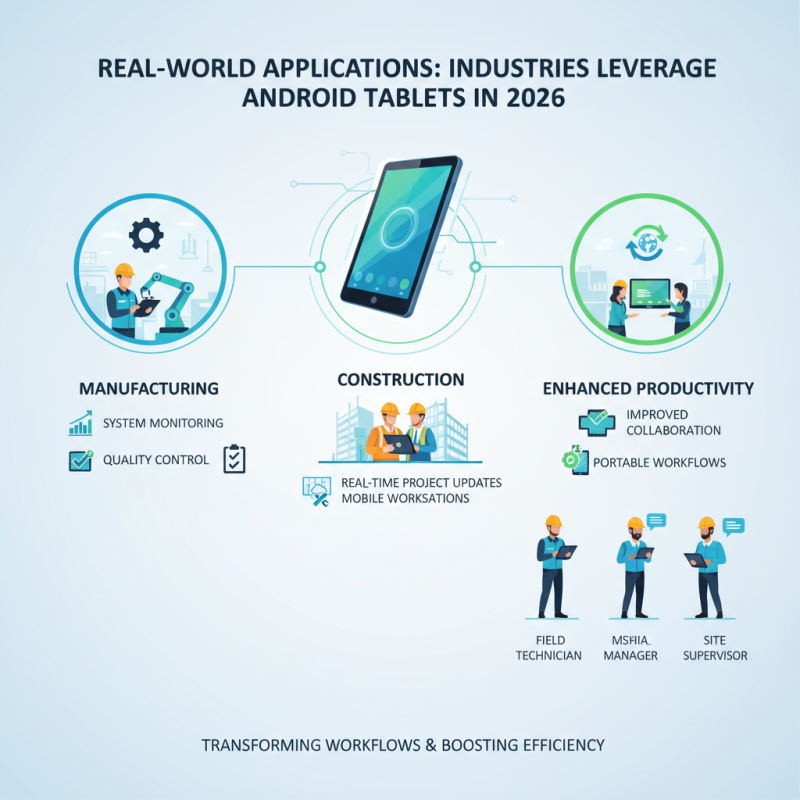
In 2026, industries increasingly rely on Android tablets to enhance productivity. These devices serve as mobile workstations, allowing employees to access critical information on-site. Construction teams use them for real-time project updates. In manufacturing, workers utilize tablets for monitoring systems and quality control. The portability of these devices transforms workflows and improves collaboration.
Healthcare professionals leverage Android tablets to manage patient data efficiently. They can quickly access electronic health records, streamlining care delivery. However, some challenges remain. Data security continues to be a concern, necessitating robust protection measures. Employees must also adapt to new technologies, requiring training and support. Despite these hurdles, the advantages are clear.
Retail environments benefit from tablet integration as well. Staff can assist customers with instant product information. This capability enhances the shopping experience but may lead to dependence on technology. The balance between tech reliability and human interaction is crucial. Adopting the tool isn't enough; optimizing its use is key to successful implementation in various fields.

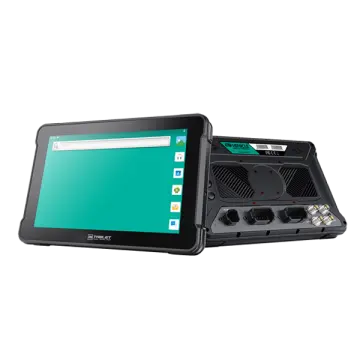 AT-10A
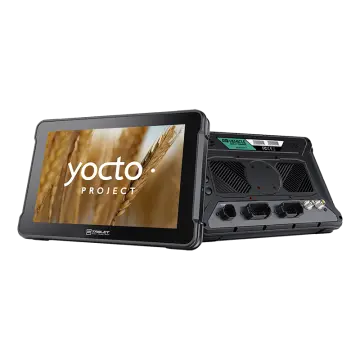 AT-10AL
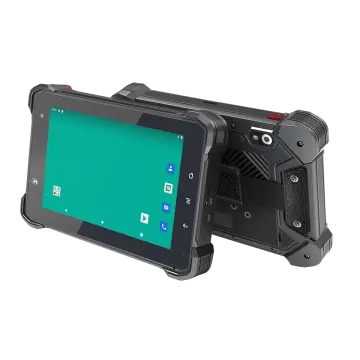 VT-7 GA/GE
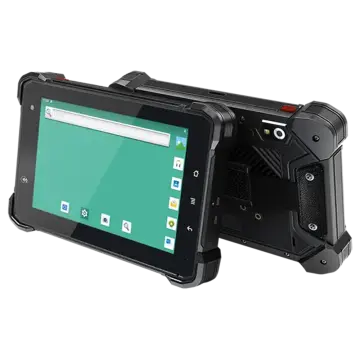 VT-7 Pro
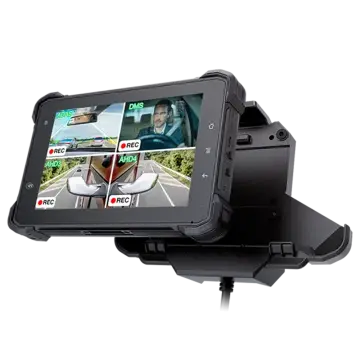 VT-7 PRO (AHD)
 VT-7A
VT-7A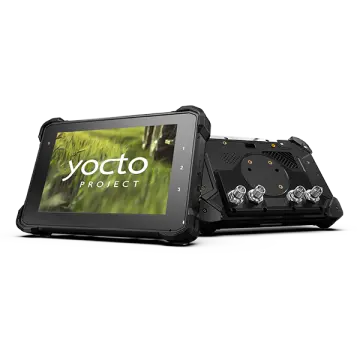 VT-7AL
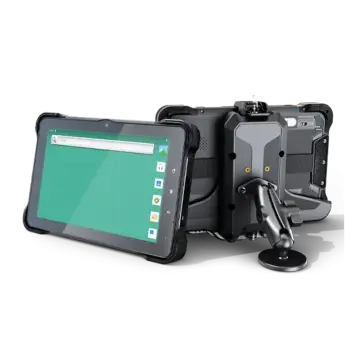 VT-10
VT-10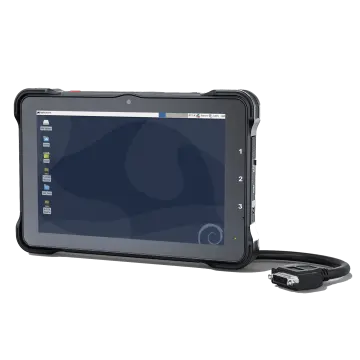 VT-10 IMX
 VT-10 Pro
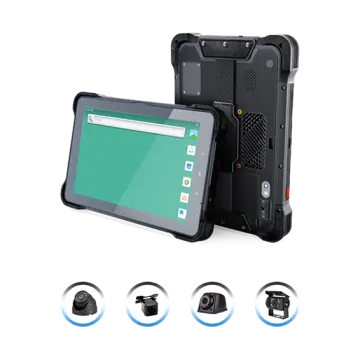 VT-10 Pro AHD
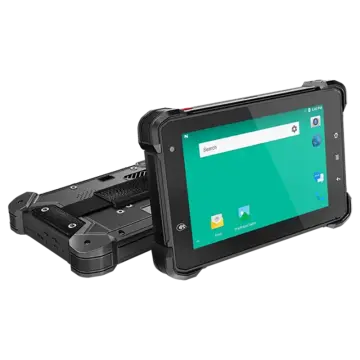 VT-7
VT-7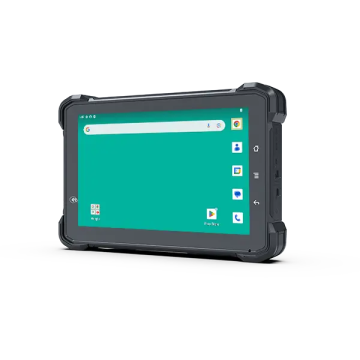 VT-7A PRO
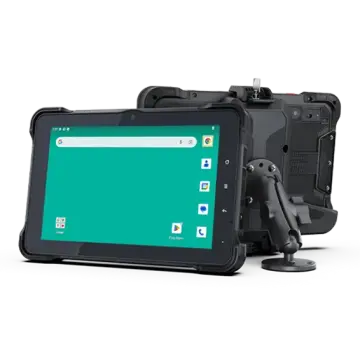 VT-10A Pro
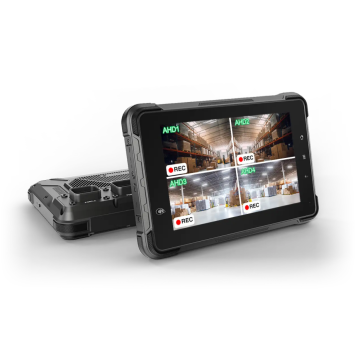 ST-7 Rugged Table
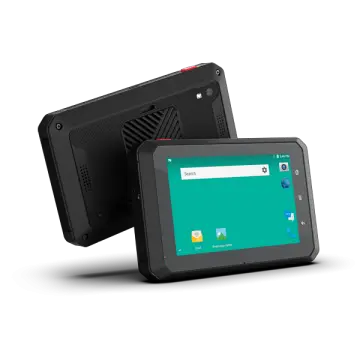 VT-5A
VT-5A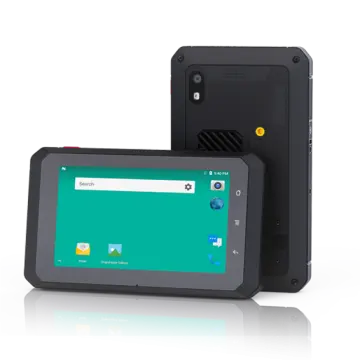 VT-5
VT-5 VT-BOX
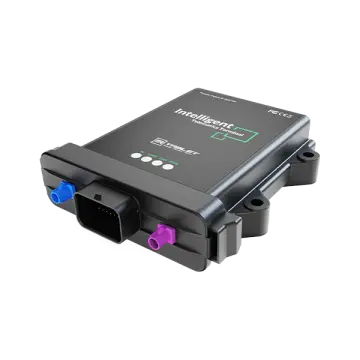 VT-BOX-II
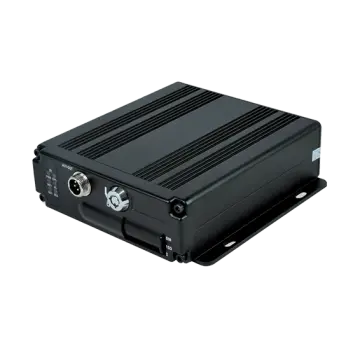 AI-MDVR040
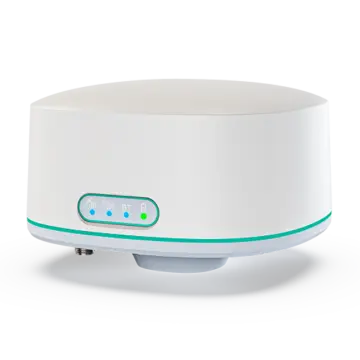 AT-B2
AT-B2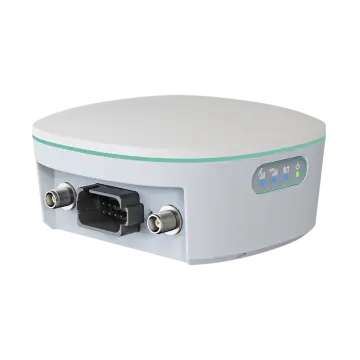 AT-R2
AT-R2