Top Tips for Choosing the Best Rugged Android Tablet for Work
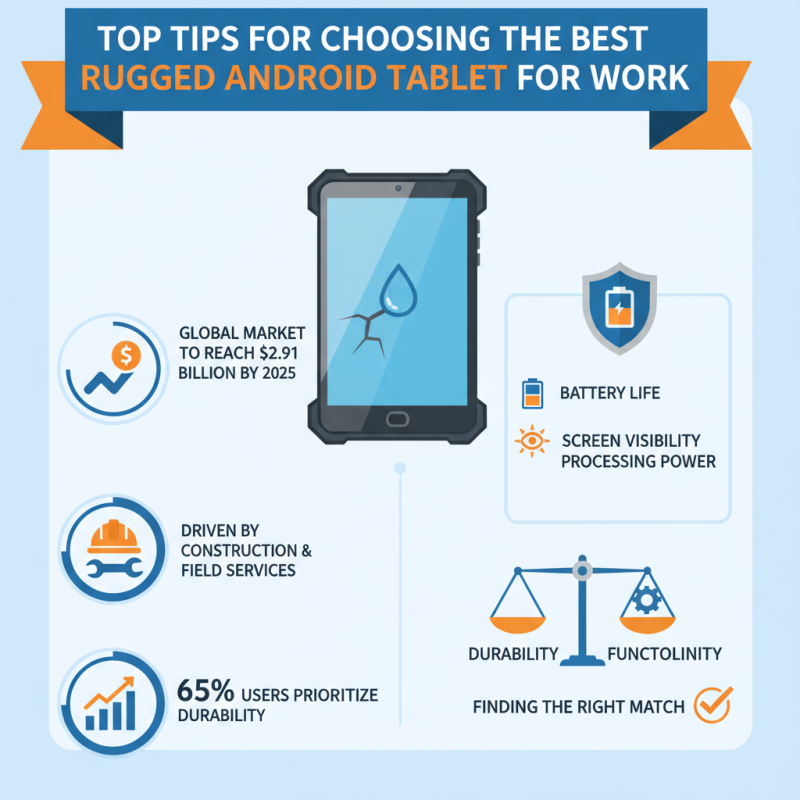
In today's fast-paced work environment, choosing the right Rugged Android Tablet is essential for efficiency. Research indicates that the global rugged tablet market is projected to reach $2.91 billion by 2025, driven by rising demand in industries like construction and field services. These tablets are built to withstand harsh conditions, making them ideal for fieldwork.
Professionals require devices that can endure drops, dust, and moisture while maintaining performance. A survey from TechNavio highlights that 65% of users prioritize durability when selecting rugged tablets. However, not all rugged Android Tablets are created equal. Variability exists in features, performance, and price, leading to potential missteps.
When selecting a device, consider aspects such as battery life, screen visibility, and processing power. Each project may demand different capabilities. Evaluating your specific needs can lead to wiser choices. As you navigate the options, remember that the toughest tablet isn’t always the best fit for your work environment. Balancing durability with functionality is key to finding the right match for your requirements.
Understanding Rugged Android Tablets: Key Features and Benefits
When considering rugged Android tablets, understanding their key features is essential. These devices are designed to withstand harsh environments. They typically meet military standards for durability, including resistance to dust, extreme temperatures, and water. According to a recent industry report, the global rugged tablet market is projected to reach $2 billion by 2027. This growth reflects an increasing demand across various sectors, such as construction, logistics, and emergency services.
Battery life is another critical aspect. A rugged tablet generally boasts long-lasting batteries that can endure extensive use without frequent charging. Industry data indicates that rugged tablets can have battery lives exceeding 12 hours, which is crucial for professionals on the move. Additionally, many rugged models feature enhanced security measures, such as biometric scanning and encrypted storage, ensuring data safety in hostile settings.
Notably, the weight and size of rugged tablets can be a drawback. While many are designed for portability, some models can be heavier than standard tablets. This can impact usability over long periods. Users often find themselves reassessing their needs based on daily tasks versus device weight. Choosing a rugged tablet requires balancing durability with comfort, highlighting the need for thorough evaluation.
Top Tips for Choosing the Best Rugged Android Tablet for Work
| Feature |
Importance |
Details |
| Durability |
High |
Must meet MIL-STD-810G standards for drop resistance. |
| Water Resistance |
High |
IP67 or IP68 rating is recommended for protection against water and dust. |
| Battery Life |
High |
Long-lasting battery (minimum 8-10 hours) for all-day productivity. |
| Screen Brightness |
Medium |
High brightness (at least 500 nits) for outdoor visibility. |
| Operating System |
High |
Latest Android version for improved security and performance. |
| Accessories Compatibility |
Medium |
Support for styluses, keyboards, and docking stations for enhanced usability. |
Evaluating Performance Specifications for Work-Related Tasks
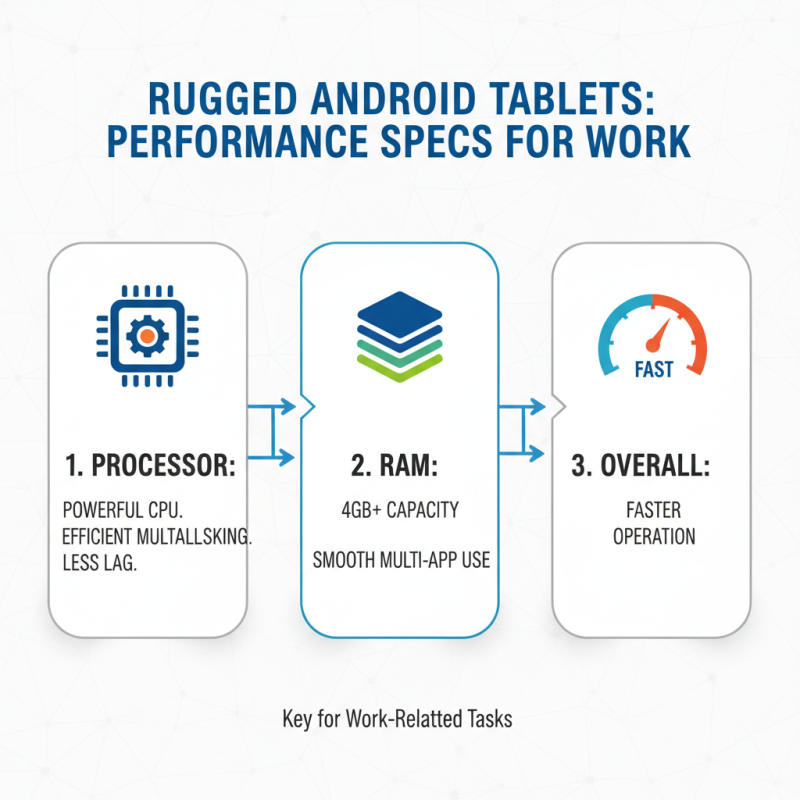
When selecting a rugged Android tablet for work, performance specifications are crucial. Look for devices with powerful processors. A good CPU can handle multitasking efficiently. A faster processor means less lag during work-related tasks. Consider the RAM capacity too. Ideally, it should be at least 4GB for smooth operation. More RAM allows for running multiple apps without slowing down.
Another important aspect is battery life. The tablet should last throughout your workday. Look for models with a minimum of eight hours of use on a single charge. Longer battery life is essential for those on the go. Screen resolution plays a role as well. A higher resolution ensures clear visibility in different lighting conditions.
Be mindful of the storage options available. Tablets with expandable storage through microSD cards offer flexibility. You'll want enough space for apps, files, and important documents. Additionally, check for connectivity features. Support for LTE or 5G can be beneficial for remote work. It allows instant access to important data. Remember to read user reviews. They often reveal hidden strengths and weaknesses.
Assessing Durability Standards and Certifications for Tough Environments
When selecting a rugged Android tablet for demanding work environments, assessing
durability standards is crucial. Industry reports indicate that
75% of tablets used in extreme conditions face reliability issues. Certifications like
MIL-STD-810G ensure that devices can withstand shocks, vibrations, and extreme temperatures. Tablets with
IP ratings offer protection against dust and water, crucial for outdoor use.
Many rugged devices don’t consistently meet these standards, highlighting a need for thorough research.
A study revealed that 40% of users experienced device failures in adverse conditions. This underscores the
importance of verifying claims made by manufacturers regarding durability. Consider testing the tablet in real-world conditions
before committing.
Customization of features presents another challenge. Some tablets may excel in shock resistance but lack battery life. Others
may have strong weatherproofing but are heavy and cumbersome. Finding the right balance
is key. Users should reflect on specific needs, whether for fieldwork, construction, or maintenance tasks. Analyzing
durability certificates and performance reports can guide better choices. Success in tough
environments relies on making informed decisions about hardware capabilities.
Comparing Battery Life and Efficiency for Long Work Hours
When selecting a rugged Android tablet for work, battery life is crucial. Many professionals rely on these devices for long hours. A tablet with extended battery life ensures uninterrupted productivity. Look for models with at least 10 hours of usage on a single charge. This helps during fieldwork or remote tasks, where charging options may be limited.
Efficiency is equally important. Some tablets offer power-saving modes, extending battery life further. Pay attention to how the operating system manages resources. A well-optimized system can enhance overall performance. Consider your specific needs. If you run demanding applications, energy consumption may rise. Balancing performance and battery efficiency can be challenging.
Not all rugged tablets perform well in this area. Users might find that advertised battery life does not reflect real-world usage. Testing these devices under realistic conditions is essential. Some may need frequent recharges, disrupting workflows. Reflection on your actual work environment will guide you in making the right choice.
Exploring Connectivity Options and Software Compatibility for Professionals
When selecting a rugged Android tablet for professional use, connectivity options are crucial. With a significant 75% of professionals relying on mobile internet for work, tablets must support diverse connectivity methods. Look for models that offer 4G LTE options. This feature ensures consistent access to data, even in remote locations. Wi-Fi connectivity should be robust too, supporting both 2.4 GHz and 5 GHz bands for versatile environments.
Software compatibility is equally essential. Industry reports suggest that 82% of businesses prefer Android due to its flexibility. Ensure that the tablet can run necessary applications seamlessly. Check for compatibility with enterprise software to avoid workflow disruptions. Some rugged tablets may struggle with specific apps. This could hinder productivity, impacting overall efficiency. Professionals must validate software requirements before making a choice.
Additionally, consider user reviews and expert endorsements. Many rugged tablets on the market have mixed feedback regarding their performance in real-world scenarios. While specifications may look good on paper, actual user experiences can vary. This highlights the importance of thorough research. Be wary of features that sound great but may not deliver in demanding environments. Balancing connectivity and software compatibility will lay a solid foundation for productivity.
Rugged Android Tablet Features Comparison
This bar chart displays key specifications of rugged Android tablets that are important for professionals. The features compared include battery life, water resistance rating, weight, screen size, and processor speed. Understanding these dimensions helps in selecting the best tablet for work efficiency and durability.

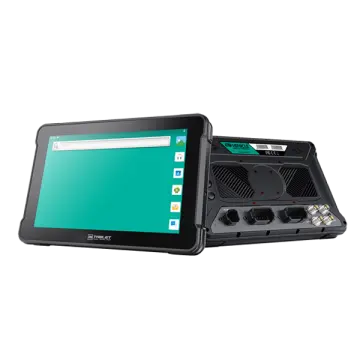 AT-10A
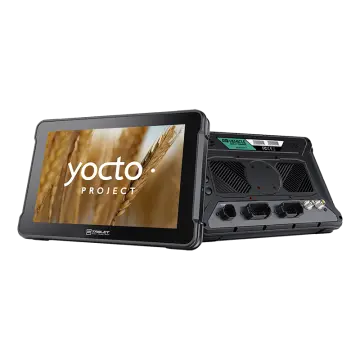 AT-10AL
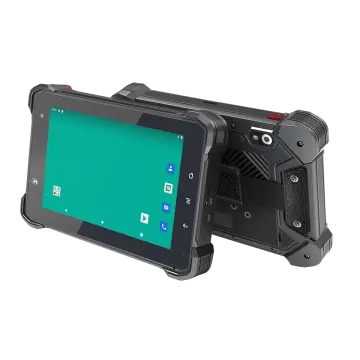 VT-7 GA/GE
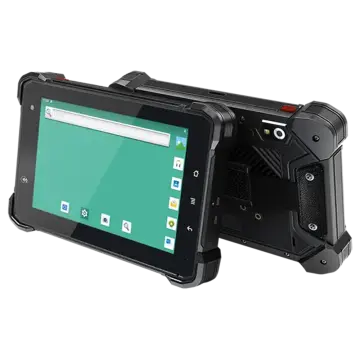 VT-7 Pro
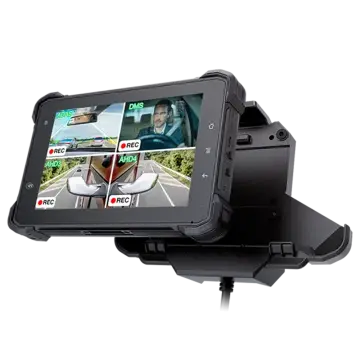 VT-7 PRO (AHD)
 VT-7A
VT-7A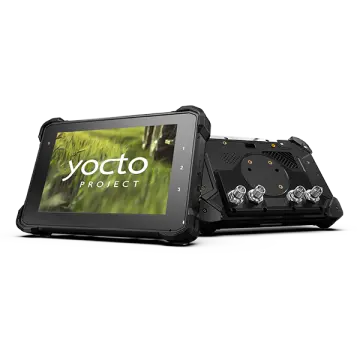 VT-7AL
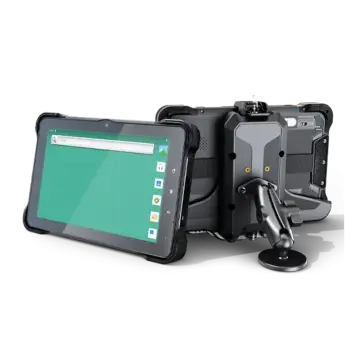 VT-10
VT-10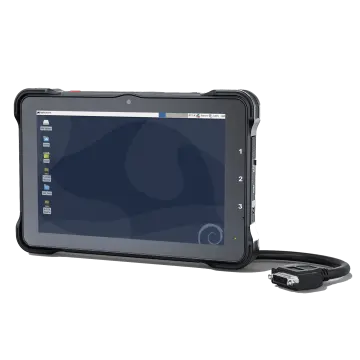 VT-10 IMX
 VT-10 Pro
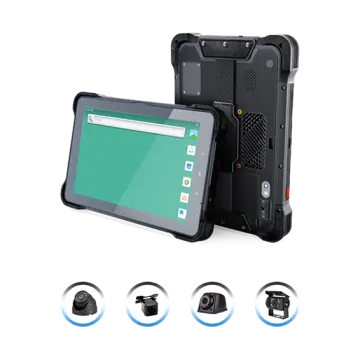 VT-10 Pro AHD
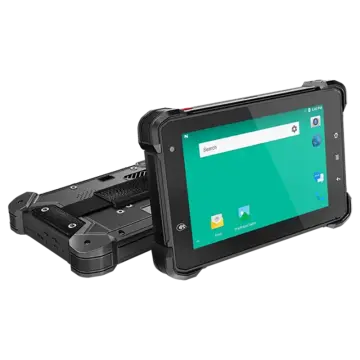 VT-7
VT-7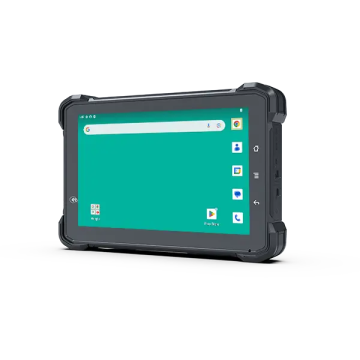 VT-7A PRO
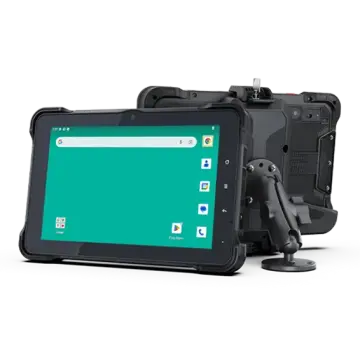 VT-10A Pro
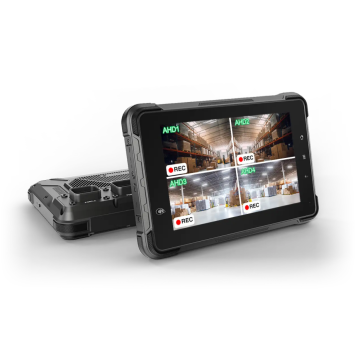 ST-7 Rugged Table
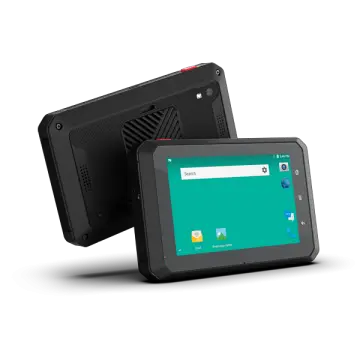 VT-5A
VT-5A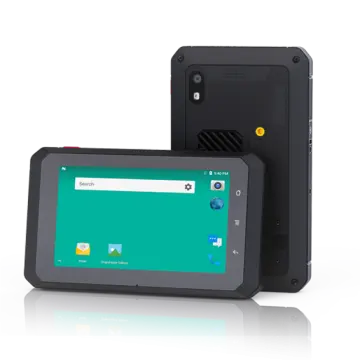 VT-5
VT-5 VT-BOX
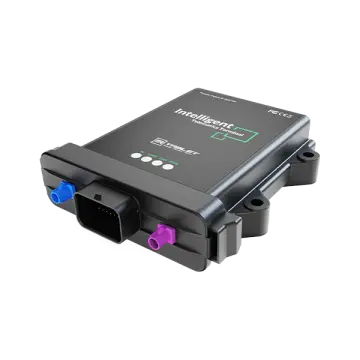 VT-BOX-II
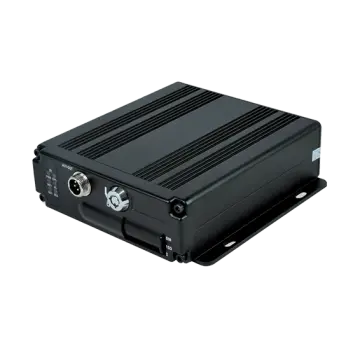 AI-MDVR040
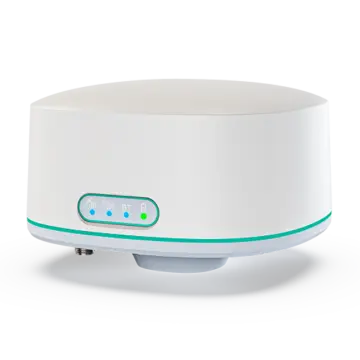 AT-B2
AT-B2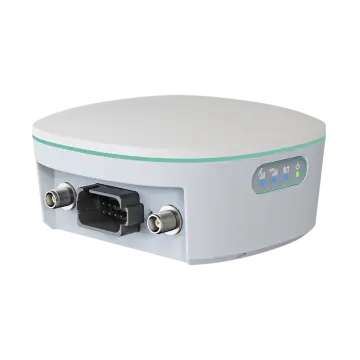 AT-R2
AT-R2