Why Choose an Android Rugged Tablet for Your Business Needs?
In today's fast-paced business environment, choosing the right technology is crucial. This is especially true when it comes to hardware that endures daily challenges. An Android Rugged Tablet stands out as a reliable solution for numerous industries, including construction, logistics, and field services. According to a report by TechNavio, the global rugged tablet market is projected to grow by over 8% annually through 2024. This growth reflects increasing demand for devices that can withstand harsh conditions.
Quality matters when selecting a tablet for business. Android Rugged Tablets are designed to perform in extreme temperatures and resist drops, moisture, and dust. These features enhance productivity and reduce downtime. A study from IHS Markit indicates that businesses using rugged tablets have experienced a 37% increase in efficiency. However, not all rugged tablets meet these standards.
Investing in an Android Rugged Tablet may seem costly upfront. However, the long-term benefits, such as durability and reliability, often outweigh these initial expenses. Organizations must weigh their needs carefully. Choosing the right rugged tablet can be a game-changer for operational success.
Benefits of Android Rugged Tablets in Harsh Work Environments
In today's demanding work environments, Android rugged tablets provide essential advantages. These devices are designed to withstand extreme conditions like dust, water, and drops. This durability is crucial for industries such as construction, manufacturing, and logistics. Employees can rely on these tablets without fearing damage from harsh elements.
The user experience is enhanced through features like touch screens that work with gloves. This usability means that workers can operate devices quickly, improving efficiency on the job. The versatility of Android software also offers compatibility with various applications tailored for different business needs. It makes data entry and communication seamless, even in adverse situations.
Tips: When selecting a rugged tablet, consider battery life. A longer battery ensures uninterrupted work in remote locations. Also, assess the weight of the tablet. A lighter device will reduce fatigue during extensive use. Lastly, check for support and repair services. Access to quick repairs keeps operations running smoothly. These considerations can significantly impact productivity in challenging environments.
Benefits of Android Rugged Tablets in Harsh Work Environments
Key Features to Look for in a Rugged Tablet for Business Use
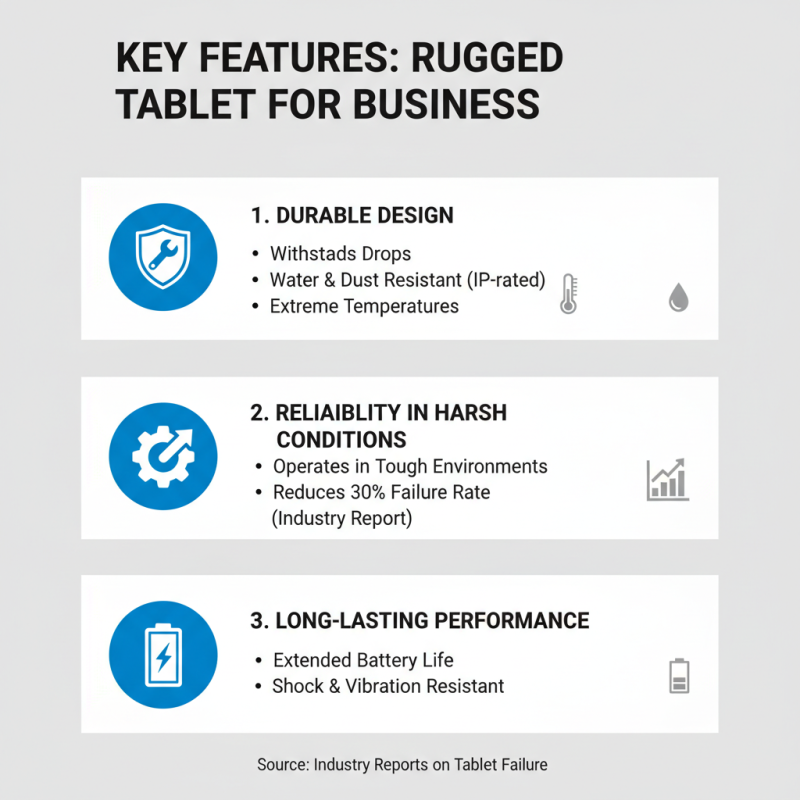
When considering rugged tablets for business, certain key features are essential. A durable design is vital. Tablets should withstand drops, water, and extreme temperatures. According to industry reports, around 30% of tablets fail due to environmental factors. Thus, businesses need reliable devices that can operate in harsh conditions.
Another critical feature is battery life. Extended usage is often a necessity in fieldwork. Many rugged tablets now offer battery life exceeding 12 hours. This is crucial for teams that work off-site. Connectivity options also matter. A rugged tablet should support 4G or 5G networks, alongside Wi-Fi. Research indicates that 62% of workers rely on mobile data for real-time tasks.
Lastly, the operating system plays a role. Android tablets can provide greater flexibility and compatibility, especially with various apps. Yet, balancing performance with security is essential. Security breaches in mobile devices are increasing yearly. As a result, choosing a rugged tablet designed with the latest security protocols is wise. The right combination of features ensures efficiency and safety for your business activities.
Comparing Rugged Tablets to Standard Tablets for Business Applications
When comparing rugged tablets to standard models for business applications, there are significant differences to consider. Rugged tablets are built to withstand harsh environments. They often feature stronger casings and screens resistant to drops, dust, and water. This durability is crucial for industries like construction, logistics, and field services. For instance, a rugged tablet can endure a drop from a height of six feet, while a standard tablet may not survive a simple fall.
Standard tablets can be more susceptible to damage, offering less protection in demanding scenarios. Their lightweight design is appealing. However, this often comes at the cost of durability. Without reinforced cases or protective screens, they may be unsuitable for work sites where tools and equipment are in constant motion. Battery life is another consideration; rugged tablets frequently have extended battery performance to minimize downtime during critical tasks.
Rugged tablets are often equipped with features tailored for specific business needs. Many come with enhanced connectivity options, like NFC and barcode scanners, which can streamline workflows. However, it's important to reflect on the costs associated with rugged tablets. They can be more expensive upfront. The long-term savings, though, may be worth it when considering reduced repairs and replacements. Companies should weigh these factors carefully before making a decision.
Why Choose an Android Rugged Tablet for Your Business Needs? - Comparing Rugged Tablets to Standard Tablets for Business Applications
| Feature |
Rugged Tablets |
Standard Tablets |
| Durability |
IP67 rating, drop-tested from 1.5 meters |
Limited durability, no water or dust resistance |
| Battery Life |
Long-lasting, replaceable battery for extended use |
Standard battery, often non-replaceable |
| Display |
Sunlight-readable screen, anti-glare |
Standard screen, poor visibility in bright light |
| Operating System |
Android with custom business applications |
Android/iOS with general applications |
| Use Case |
Fieldwork, construction, logistics |
General use, casual browsing, light business tasks |
| Price Range |
Higher upfront cost due to specialized features |
Lower upfront cost, but potentially higher replacement costs |
Cost-Effectiveness of Android Rugged Tablets for Long-Term Investment
The cost-effectiveness of Android rugged tablets makes them a smart choice for businesses. A study from IDC indicates that companies save 30% on hardware costs over a five-year period when investing in rugged devices. The durability of these tablets often translates to lower repair and replacement costs. For businesses operating in harsh environments, this is crucial. A rugged tablet can withstand drops, spills, and extreme temperatures, reducing the frequency of replacements compared to standard tablets.
In addition to hardware savings, Android rugged tablets offer software flexibility. These tablets can run various Android applications tailored to specific business needs. As reported by TechRepublic, organizations that adopt rugged tablets see a 25% increase in workforce productivity.
However, it’s essential to assess compatibility with existing systems before committing. While the initial cost may be higher, the long-term value becomes evident through productivity gains and reduced downtimes. Not all rugged tablets are created equal. Some may underperform in specific conditions or fail to meet user needs. Evaluating the right model is critical for maximizing the investment.
Real-World Use Cases: Industries that Benefit from Rugged Tablets
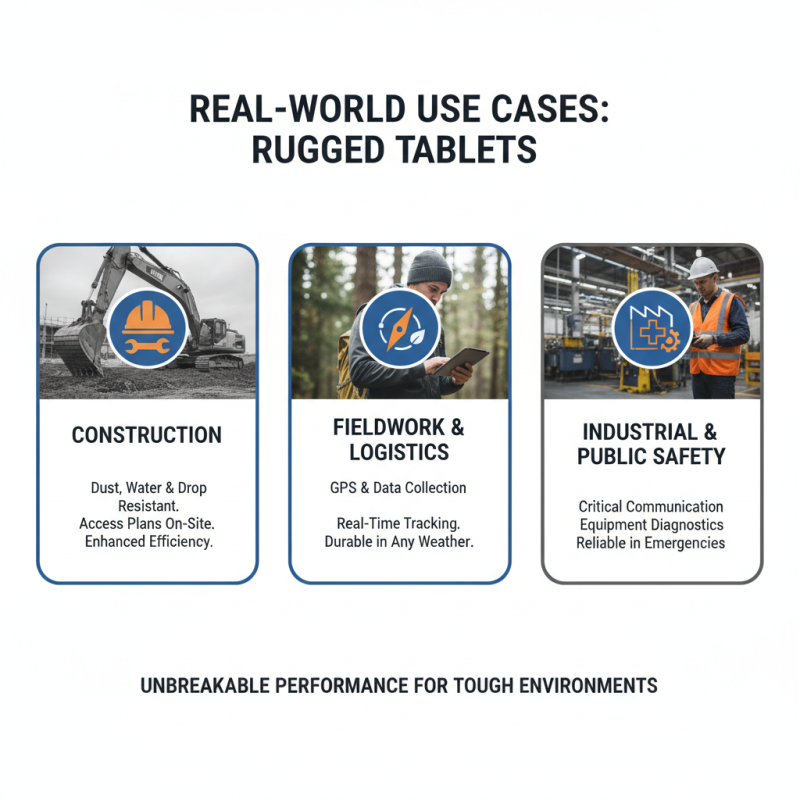
Rugged tablets are transforming various industries, proving invaluable in environments where traditional devices fail. Construction sites often face dust, moisture, and drops. A rugged tablet can withstand these hazards, ensuring workers stay connected and access essential plans and safety protocols. In this sector, being able to review blueprints outdoors enhances efficiency significantly.
Field service technicians benefit from rugged tablets as well. These devices allow them to access service manuals, inventory systems, and customer data on the go. A quick lookup can save time and prevent costly errors. However, not all rugged tablets are created equal. Some might lack specific features needed in high-demand situations, making careful selection vital for businesses.
Logistics companies rely on rugged tablets for real-time tracking and communication. Fleet managers utilize these devices to monitor shipments and assess vehicle conditions. However, connectivity issues can sometimes arise in remote areas. A rugged tablet should meet such challenges, but having backup plans is crucial. This further emphasizes the need for robust planning and tailored solutions.

 AT-10A
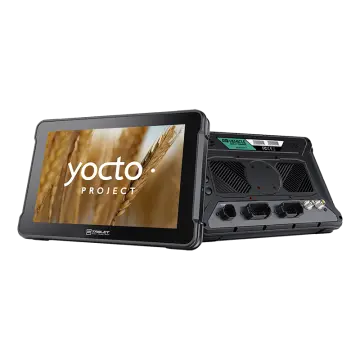 AT-10AL
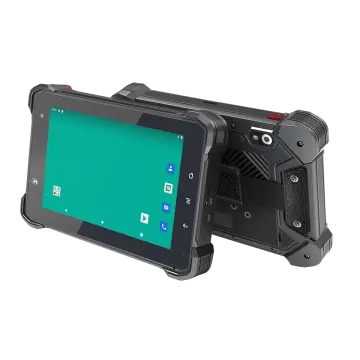 VT-7 GA/GE
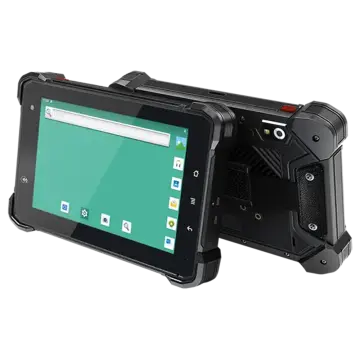 VT-7 Pro
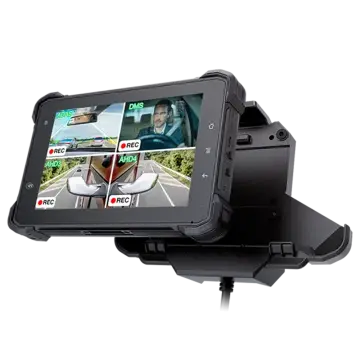 VT-7 PRO (AHD)
 VT-7A
VT-7A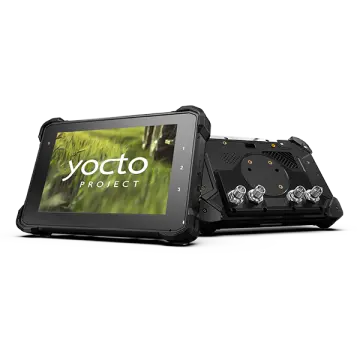 VT-7AL
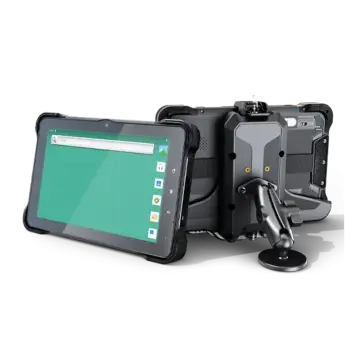 VT-10
VT-10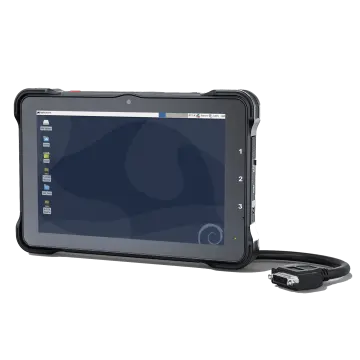 VT-10 IMX
 VT-10 Pro
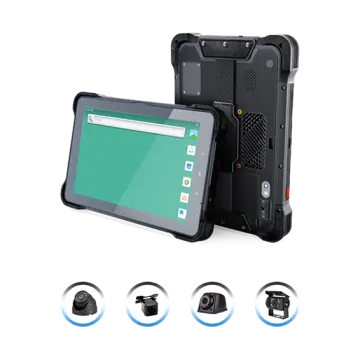 VT-10 Pro AHD
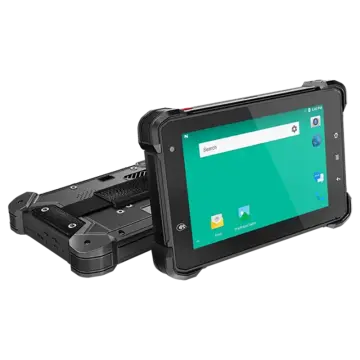 VT-7
VT-7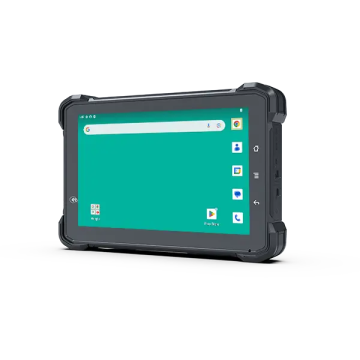 VT-7A PRO
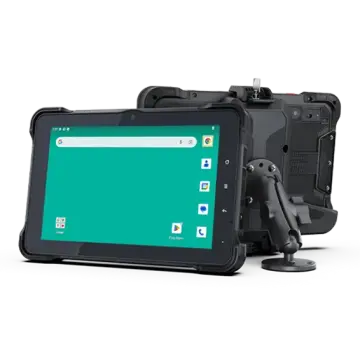 VT-10A Pro
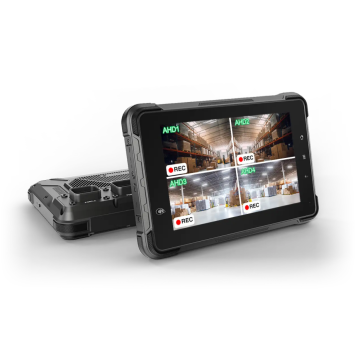 ST-7 Rugged Table
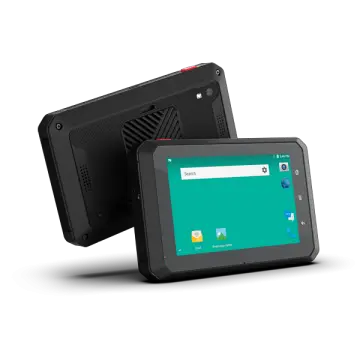 VT-5A
VT-5A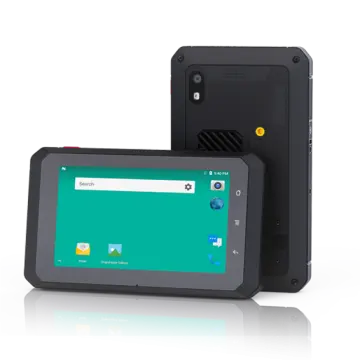 VT-5
VT-5 VT-BOX
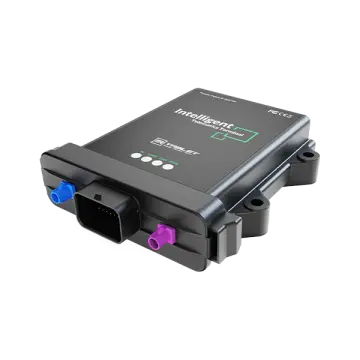 VT-BOX-II
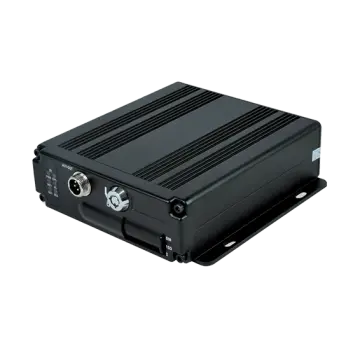 AI-MDVR040
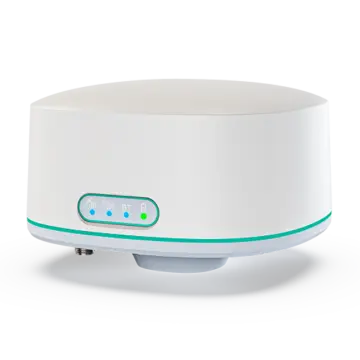 AT-B2
AT-B2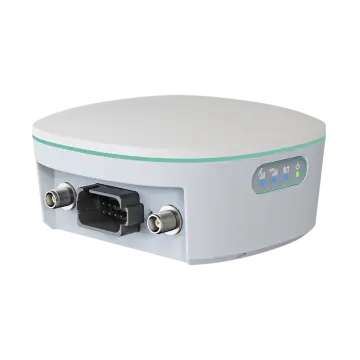 AT-R2
AT-R2