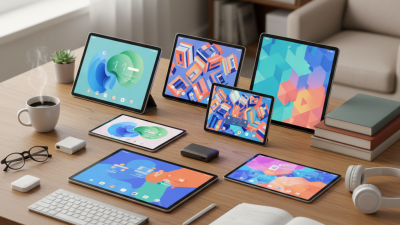
2026 How to Choose the Best Android Tablet for Your Needs?
In the ever-evolving world of technology, choosing the perfect Tablet Android can be a daunting task. With numerous options available, it is crucial to understand your specific needs. A good tablet can enhance productivity, entertainment, and everyday convenience. However, not every device will suit every user.
When exploring Tablet Android models, consider usage. Are you a gamer, a student, or a professional? Each user has unique requirements. Battery life, screen size, and performance all play vital roles in determining the right choice. For instance, a gamer may prioritize graphics and processing power. In contrast, a student might need something lightweight for portability.
Moreover, some aspects often go unnoticed, leaving potential buyers disappointed. Pricing always matters, but features sometimes lead us into temptation. Reflecting on what you truly need versus what looks appealing is essential. A good tablet must fit seamlessly into your lifestyle, rather than overwhelm it with unnecessary features.

Understanding Your Usage Needs: Casual vs. Professional Tasks
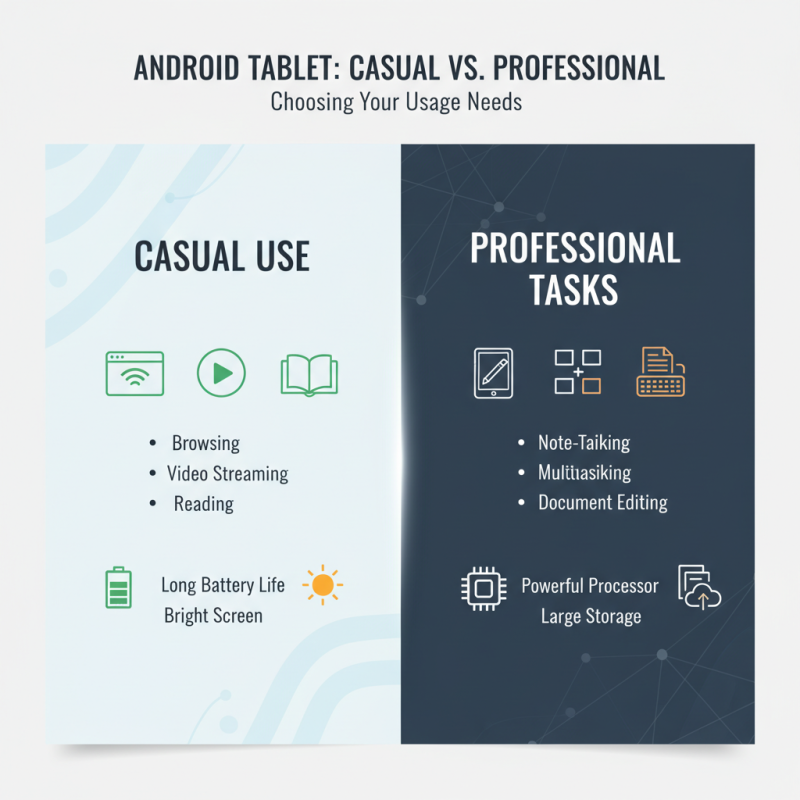
Choosing the right Android tablet starts with understanding your usage needs. Are you a casual user or someone who handles professional tasks? If your use is primarily for browsing, video streaming, or reading, you may find that a lightweight, affordable tablet suffices. Look for models with decent battery life to keep you connected throughout the day. Features like a bright screen enhance your viewing experience, especially for media consumption.
For professionals, the requirements shift significantly. You may need a tablet that supports multitasking. A larger screen can be crucial for productivity tasks. Consider options with stylus support for drawing or note-taking. Performance is vital, too; a faster processor can handle demanding applications. However, the selection can be overwhelming. It’s easy to get lost in specs and features that might not be necessary for your work.
Finding the right balance between performance and price is challenging. Sometimes, opting for top-tier specs may exceed your actual needs. Reflect on your true usage. Are you really using all those advanced features? Maybe a simpler model would serve you just as well. Prioritize what’s essential for you, and don’t be afraid to compromise.
Key Specifications to Consider: Screen Size, Processor, and Storage
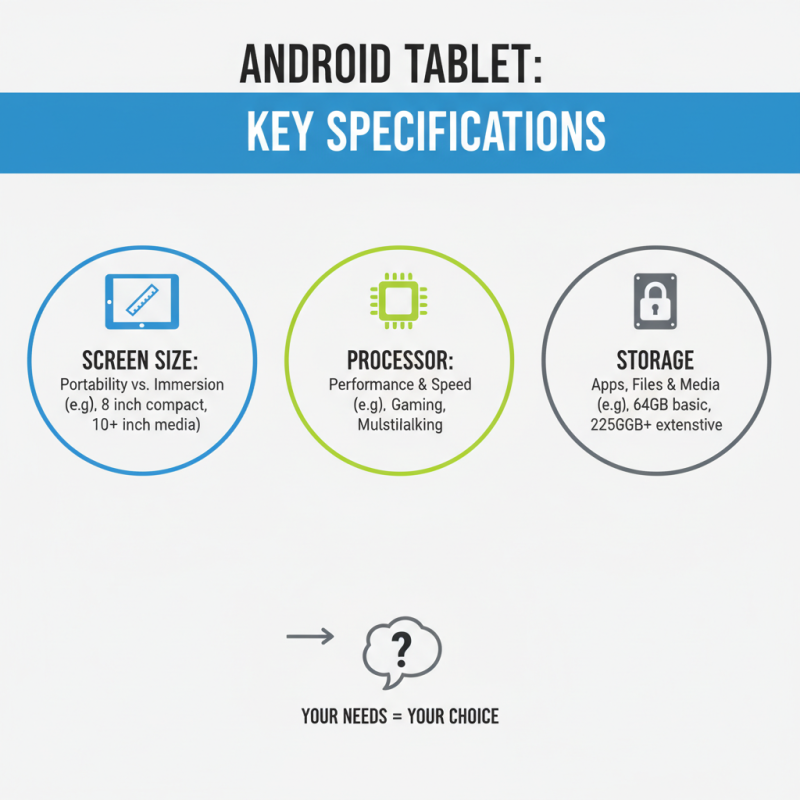
Choosing the right Android tablet can be overwhelming. There are many factors to consider. Screen size, processor, and storage capacity are essential specifications. Your needs will guide these choices.
Screen size impacts your viewing experience. Larger screens provide better visibility for streaming and gaming. A 10-inch tablet is a versatile choice for most users. It balances portability and usability. However, be cautious; larger tablets can be cumbersome. Test different sizes to find what feels right.
The processor determines speed and performance. A powerful processor enhances multitasking abilities. If you plan to use demanding applications, invest in a tablet with a fast processor. However, not all high-speed processors are energy-efficient. They can drain the battery quickly. Balance performance with battery life for the best experience.
Storage is another critical aspect. Tablets come with various storage options. If you download many apps or store media, consider higher storage. But be mindful of your actual usage. Cloud storage solutions can help. They often provide additional space at a lower cost. So, evaluate your needs carefully.
Tips: Always test the tablet in-store if possible. Pay attention to how it feels in your hands. Also, check battery longevity in real-life scenarios. Don't rush your decision; take your time to reflect on what truly matters to you.
Operating System and Software Compatibility: Android Versions Explained
When choosing an Android tablet, consider the operating system. Android versions greatly impact user experience. The latest version offers better functionality and support. Currently, Android 12 leads the market with enhanced security. According to a recent study, about 70% of users prefer devices running the latest software.
Compatibility is crucial. Some apps necessary for daily tasks may not support older versions. Reports indicate that around 30% of Android devices still run outdated software. This can restrict access to new features, including performance improvements. Staying updated ensures a smoother experience. However, not all devices receive updates promptly. Some users may feel frustrated by this inconsistency.
Moreover, consider app availability. An outdated system may limit choices. Many popular applications won't function properly on older Android versions. This can affect productivity. Sometimes, users discover their tablets lack necessary updates after purchase. Such disappointments remind us of the importance of researching OS compatibility before buying a new device.
2026 How to Choose the Best Android Tablet for Your Needs?
| Android Version |
Release Date |
Features |
Compatibility |
| Android 12 |
October 2021 |
Material You, improved privacy features, richer widgets |
Most modern tablets |
| Android 13 |
August 2022 |
Enhanced user interface, better app compatibility |
Recent tablets from major manufacturers |
| Android 14 |
Expected in late 2023 |
Focus on security, AI features, multitasking improvements |
Future tablets and select existing models |
| Android 11 |
September 2020 |
Conversations in notifications, improved media controls |
Older tablet models |
Battery Life Expectations: Average Usage and Charging Times
When selecting an Android tablet, battery life is crucial. Average usage times vary greatly. Some users may get 10 hours of video playback, while others see less. Battery capacity plays a central role. A study shows that most tablets have capacities between 4,000 to 8,000 mAh. Higher capacities usually mean longer usage but are not always the case.
Charging times also matter. Many tablets take around 2 to 4 hours to fully charge. Yet, rapid charging technology is becoming standard. Reportedly, some newer models can reach 50% charge within 30 minutes. This is beneficial for users on the go. However, the advertised charging times often differ from real-world scenarios. A common user complaint is that it takes longer than expected.
It's essential to consider how you use your tablet. Heavy gaming drains battery quickly. In contrast, reading or browsing consumes less. Some users may overlook battery-saving features. Turning down brightness and closing unused apps can extend life. Ultimately, personal habits shape the expectations of battery performance in Android tablets.
Battery Life Expectations: Average Usage and Charging Times of Android Tablets
Budgeting for Your Tablet: Price Ranges and Value for Money
Choosing the right Android tablet requires careful budgeting. Price ranges can vary significantly. Reports indicate that you can find decent mid-range tablets starting around $200. Higher-end options might reach up to $800 or more. Understanding these ranges helps prioritize features.
Consider your needs when spending. For instance, many users prefer tablets with better displays and battery life. Budget-friendly models may lack these features. According to industry studies, 54% of consumers regret buying budget tablets due to performance issues. It’s essential to balance price and functionality.
Evaluate value for money. Investing in a tablet that meets your requirements can save future upgrade costs. Many affordable options do not include essential features. This lack of quality often leads to dissatisfaction. Users should reflect on their priorities. What do you value most? Price, performance, or durability?

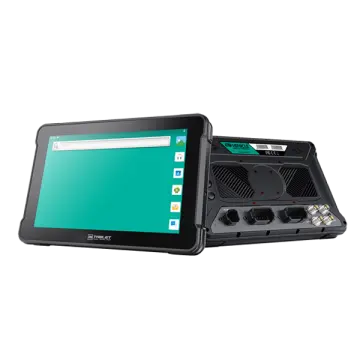 AT-10A
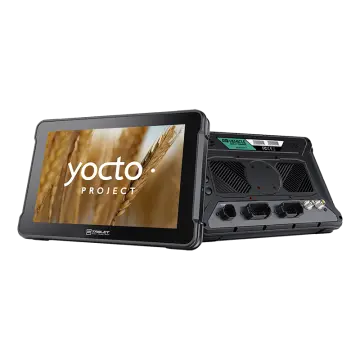 AT-10AL
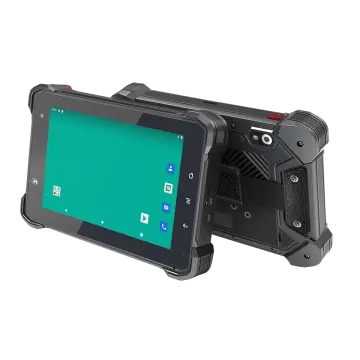 VT-7 GA/GE
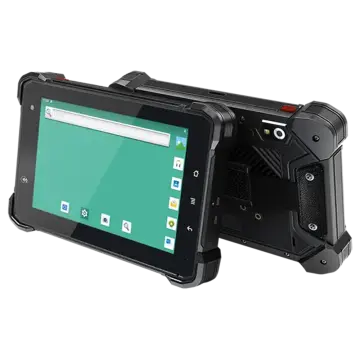 VT-7 Pro
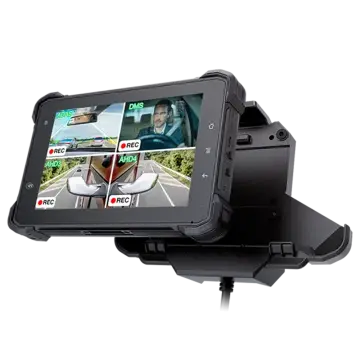 VT-7 PRO (AHD)
 VT-7A
VT-7A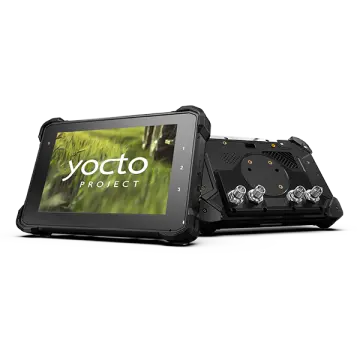 VT-7AL
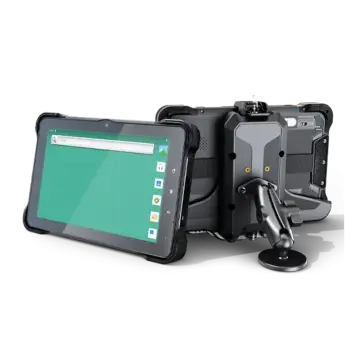 VT-10
VT-10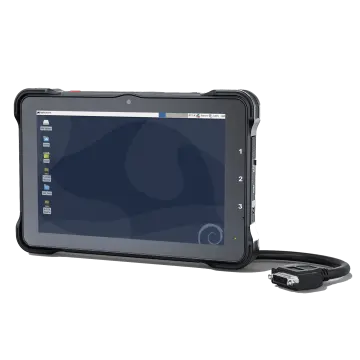 VT-10 IMX
 VT-10 Pro
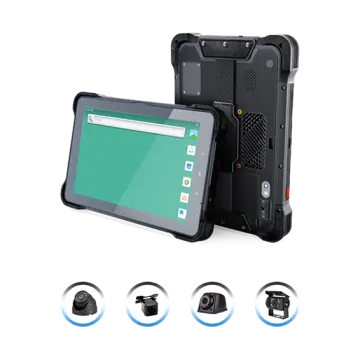 VT-10 Pro AHD
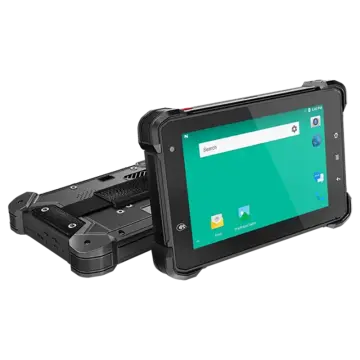 VT-7
VT-7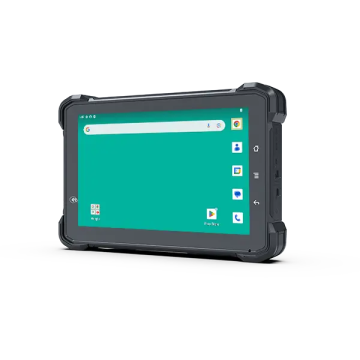 VT-7A PRO
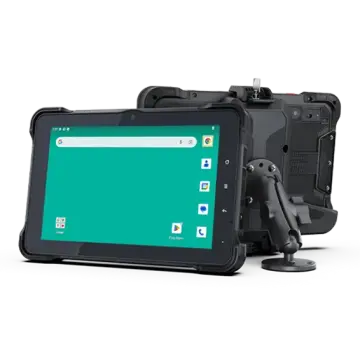 VT-10A Pro
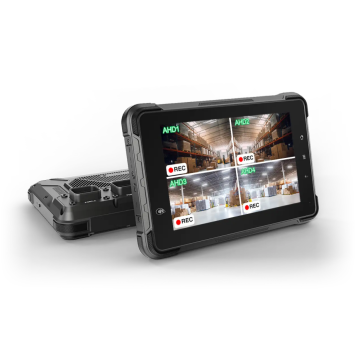 ST-7 Rugged Table
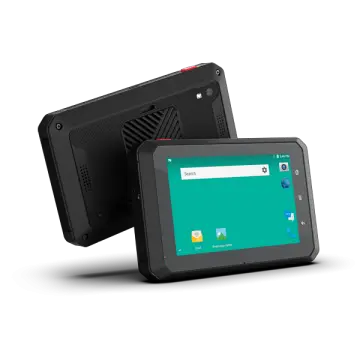 VT-5A
VT-5A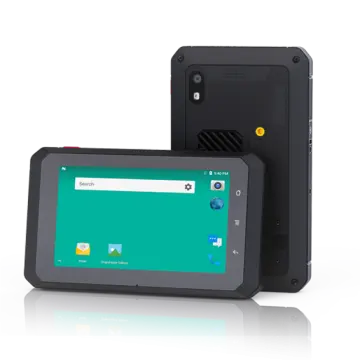 VT-5
VT-5 VT-BOX
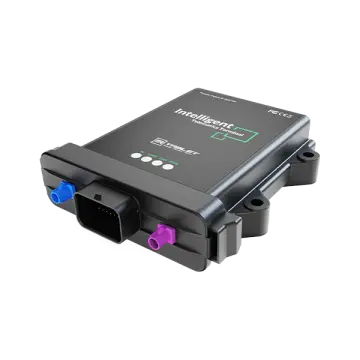 VT-BOX-II
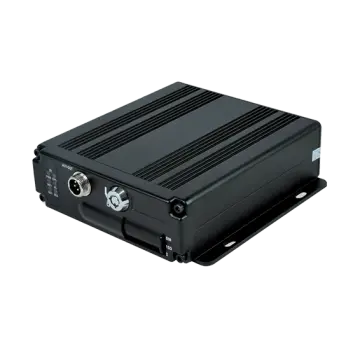 AI-MDVR040
 AT-B2
AT-B2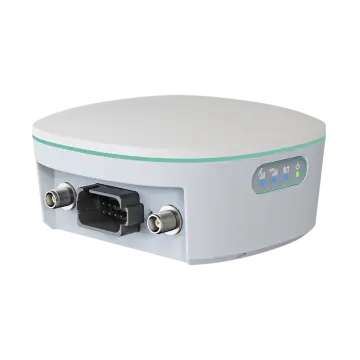 AT-R2
AT-R2