How to Choose the Best OEM Tablet Android for Your Business?
In today's technology-driven landscape, selecting the right OEM Tablet Android for your business is crucial. Research from industry experts shows that over 70% of businesses use tablets to enhance operational efficiency. With various brands and specifications available, the choices can be overwhelming. Renowned analyst Dr. Emily Zhang has remarked, "The right OEM Tablet Android can streamline workflows and improve productivity significantly."
Choosing an OEM Tablet Android isn't merely a purchase; it's an investment in your business future. Factors such as processing power, battery life, and software compatibility must be considered meticulously. The global OEM tablet market is projected to grow at a CAGR of 10% over the next five years, suggesting that businesses should capitalize on this trend.
While many companies have successfully integrated tablets into their operations, others face challenges. Issues may arise from inadequate training or lack of proper tech support. The ideal OEM Tablet Android should align with your specific business needs and adapt to evolving technology trends.
Understanding OEM Tablets: Definition and Importance for Businesses
Choosing the right OEM tablet can significantly impact your business efficiency. OEM tablets are devices produced by original equipment manufacturers. They are tailored for business applications, providing reliability and performance. These tablets often come with customizable features that fit specific business needs, allowing for smoother operations.
Customizing an OEM tablet can lead to increased productivity. For instance, consider memory and storage options based on your data requirements. Is a larger screen necessary for presentations? Analyze the specific tasks your employees perform. This understanding helps in selecting the best device.
When evaluating OEM tablets, consider warranty and support services. Reliable support can save time and costs in the long run. Look for vendors that provide robust after-sales service. It’s critical to reflect on your team's feedback about device performance over time. This insight can help refine your choice for future purchases.
Key Features to Consider When Selecting an OEM Android Tablet
When selecting an OEM Android tablet for your business, consider key features that impact functionality. The display quality is essential. A high-resolution screen enhances visibility, especially for presentations and applications. Tablets with an IPS panel often provide better viewing angles and color accuracy, which is important for collaboration.
Battery life is another crucial factor. A long-lasting battery ensures uninterrupted work throughout the day. Aim for tablets that offer at least 8 hours of usage on a single charge. Remember to evaluate the processing power as well. A device with a capable processor can handle multitasking efficiently. This improves productivity, especially when numerous applications run simultaneously.
Storage options are often overlooked. Assess how much space you'll need for apps and data. Some businesses may benefit from expandable memory, while others might need a device with ample internal storage. Durability also deserves attention. Tablets meant for business use should withstand daily wear and tear. This is particularly relevant in dynamic environments. Balancing these features may require trade-offs. Each business has unique requirements, and prioritizing them is key to making the right choice.
How to Choose the Best OEM Tablet Android for Your Business? - Key Features to Consider When Selecting an OEM Android Tablet
| Feature |
Description |
Importance Level |
| Display Quality |
High resolution, brightness, and color accuracy for better user experience. |
High |
| Processor Speed |
Fast processor for smooth multitasking and performance in demanding applications. |
High |
| Battery Life |
Long-lasting battery for extended use without frequent charging. |
Medium |
| Storage Capacity |
Ample storage for applications and data; options for expandable storage. |
High |
| Operating System Compatibility |
Support for the latest Android OS for access to applications and security updates. |
High |
| Build Quality |
Durable materials and design to withstand daily use in business environments. |
Medium |
| Warranty and Support |
Comprehensive warranty and responsive customer support for peace of mind. |
Medium |
Evaluating Performance: Processor, RAM, and Storage Requirements
When evaluating OEM tablets for Android, performance is crucial. The processor is the heart of any device. A powerful processor ensures smooth multitasking and quick response times. According to industry reports, tablets with octa-core processors show a 30% performance increase over quad-core models. This boost can greatly enhance productivity in a business setting.
RAM capacity also plays a vital role in performance. For business applications, at least 4GB of RAM is advisable. Studies show that devices with this RAM size can handle multiple applications seamlessly. However, some options with only 2GB may struggle, especially when running demanding software. This can lead to frustration and inefficiencies in work processes.
Storage requirements can vary widely based on usage. A minimum of 64GB is recommended for most business needs. However, some users may find that they require more storage for extensive data or media files. This may lead to performance issues if the storage is nearly full. It's essential to assess both current and future storage needs for optimal device selection.
Assessing Compatibility and Software Options for Business Needs
When selecting an OEM tablet Android for your business, compatibility is crucial. Evaluate how well the device aligns with your existing systems and apps. Make a list of essential software your team uses. This helps in avoiding costly adjustments later. Look into whether the tablet supports the latest version of the software or if updates are available.
Software options play a significant role in performance. Check if the Android version offers your desired features. Some tablets may have limited access to specific applications. Investigate if custom software solutions can be integrated. This could enhance operational efficiency, but may also require IT support. Balancing cost and functionality is tricky.
Ensure the tablet meets security requirements. Business data must be protected, so examine included security features. Some options might lack adequate encryption or management capabilities. Investing in a reliable device could save you headaches down the road. Questions about support and warranty also matter. Understanding these aspects will help you make a knowledgeable decision.
Price vs. Quality: Finding the Best Value in OEM Android Tablets
When selecting an OEM Android tablet for your business, balancing price and quality is crucial. High-quality tablets often boast better performance, longer durability, and enhanced customer support. However, this can come with a higher price tag. It’s essential to assess what features are necessary for your specific needs. A more expensive tablet might include superior processing power, better graphics, or faster connectivity. These features can significantly impact productivity.
On the other hand, you might find budget options that sufficiently meet basic requirements. These tablets can provide decent performance for simple tasks like email and document editing. Yet, they may not offer the reliability needed for more intensive applications. In some cases, lower-tier models may lack essential updates or customer service, which could lead to future frustrations.
Think critically about your investment. A cheap tablet today may lead to costly replacements down the road. Alternatively, spending a bit more on a reliable option might save time and resources in the long run. Consider your company's long-term goals and tech strategy when making this decision. A thorough evaluation of both price and quality will guide you in choosing a tablet that genuinely fits your business needs.

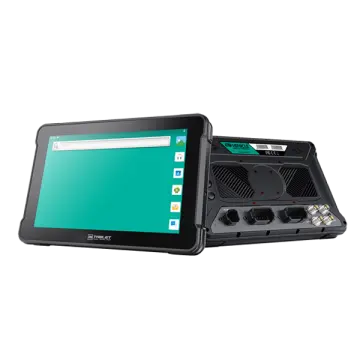 AT-10A
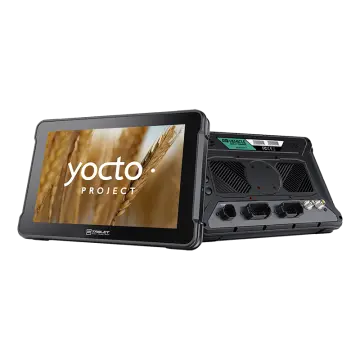 AT-10AL
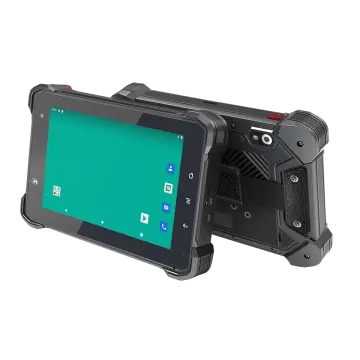 VT-7 GA/GE
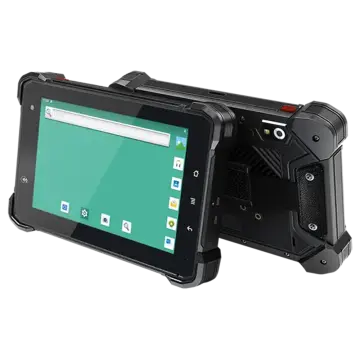 VT-7 Pro
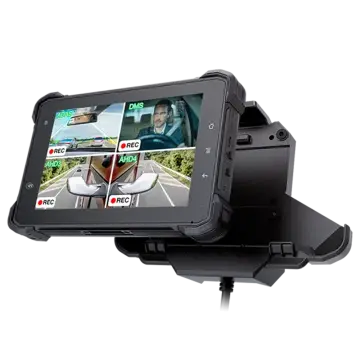 VT-7 PRO (AHD)
 VT-7A
VT-7A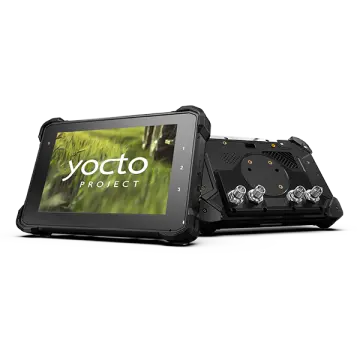 VT-7AL
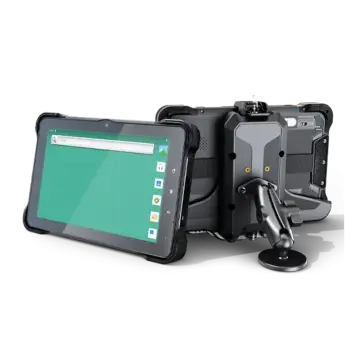 VT-10
VT-10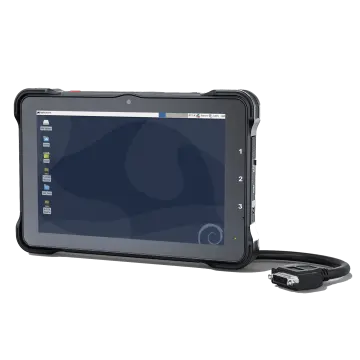 VT-10 IMX
 VT-10 Pro
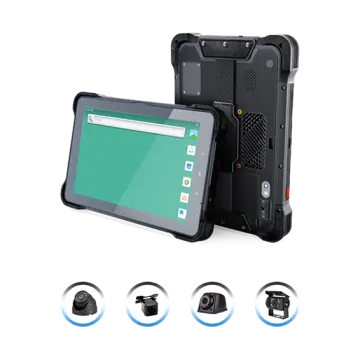 VT-10 Pro AHD
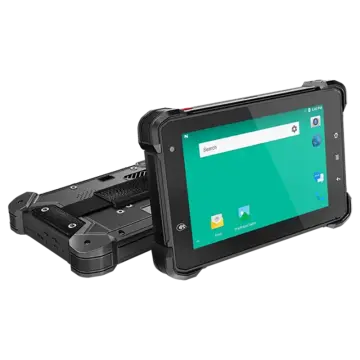 VT-7
VT-7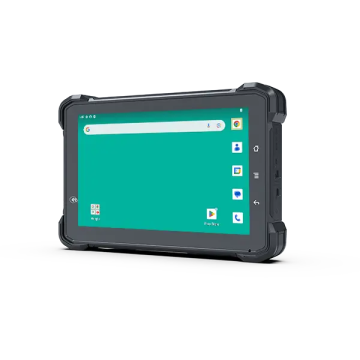 VT-7A PRO
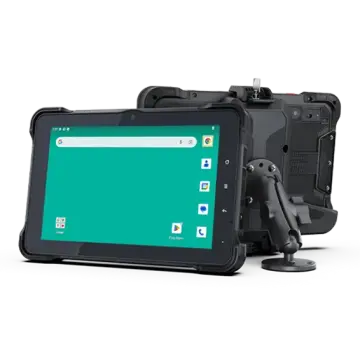 VT-10A Pro
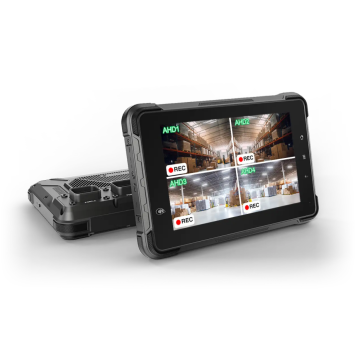 ST-7 Rugged Table
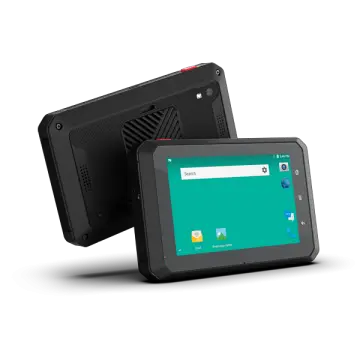 VT-5A
VT-5A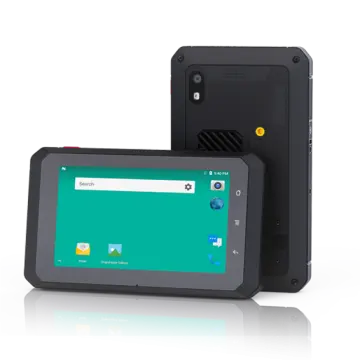 VT-5
VT-5 VT-BOX
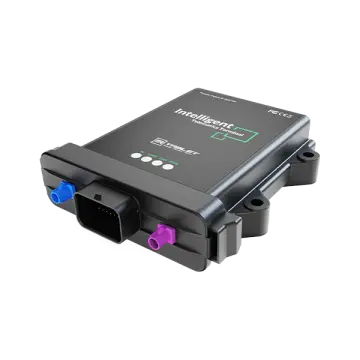 VT-BOX-II
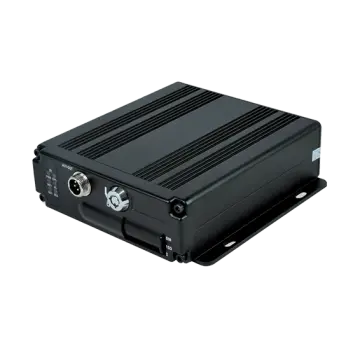 AI-MDVR040
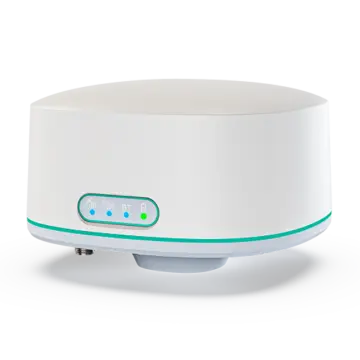 AT-B2
AT-B2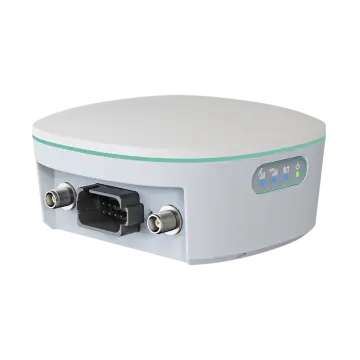 AT-R2
AT-R2