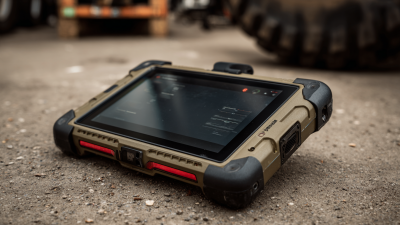
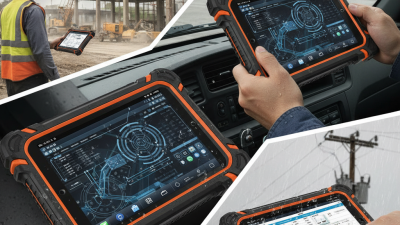
How to Choose the Best Tablet Rugged Android for Your Needs?
Choosing the right Tablet Rugged Android can be daunting. With numerous models on the market, each offers unique features. It's essential to consider your specific needs before making a decision.
When exploring Tablet Rugged Android options, think about durability. These devices are built to withstand harsh conditions. Look for features like water resistance and shockproof design. Battery life is another important aspect. You want a tablet that lasts through long work days.
User reviews provide valuable insights. However, not every review will reflect your experience. You might find a feature praised, yet it may not meet your expectations. Take time to weigh pros and cons carefully. This reflection may lead to a more informed choice. Ultimately, investing in a reliable Tablet Rugged Android can enhance your productivity and satisfaction.
Understanding Rugged Tablets: Key Features and Specifications
When selecting a rugged Android tablet, understanding key features is crucial. Rugged tablets are built to withstand harsh environments, making them ideal for construction sites, outdoor adventures, and industrial use. One important specification is the MIL-STD-810 rating, which indicates the device's resistance to extreme temperatures, humidity, and shock. A tablet with a higher rating will be more reliable in challenging conditions.
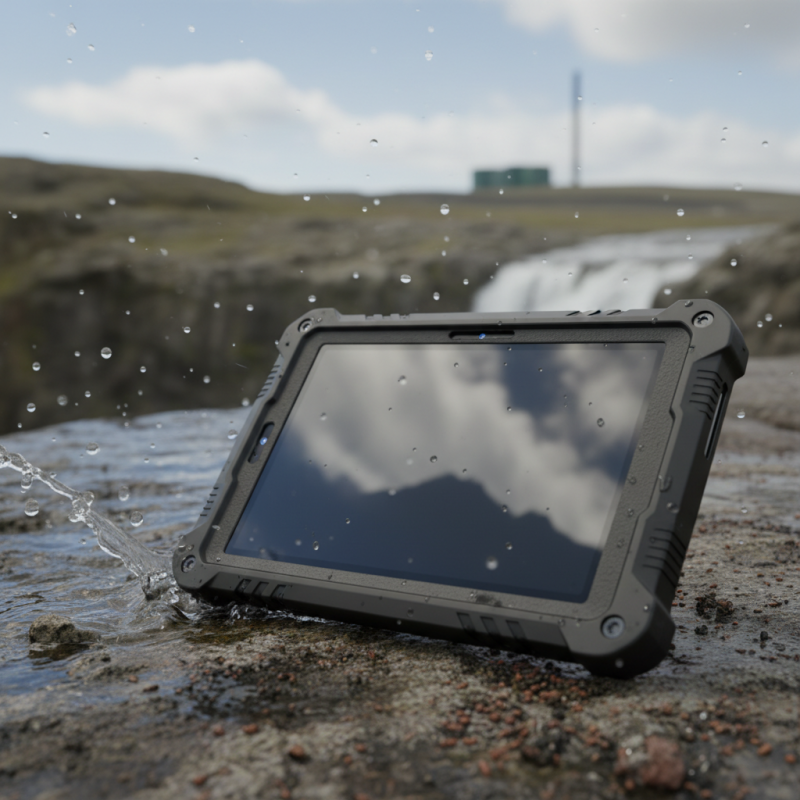
Another essential aspect is water and dust resistance, usually measured by the IP rating. A tablet with an IP67 rating can withstand immersion in water for a limited time and is protected against dust. Battery life and processing power are also key. A long-lasting battery ensures your tablet can perform throughout the day without constant recharging. However, performance can vary widely, so it's essential to check user reviews and expert analyses.
While some rugged tablets excel in durability, they may compromise on weight or screen quality. Finding the right balance between toughness and usability can be challenging. In some cases, users find that the extra bulk of a rugged tablet interferes with portability. It’s important to consider how you will use the device and what trade-offs you’re willing to make. Reflecting on personal needs and environment will lead to a better choice.
Assessing Durability: Military-Grade and IP Ratings Explained
When selecting a rugged Android tablet, durability is paramount. The industry often refers to military-grade certifications and IP ratings to gauge a device's resilience. A military-grade tablet typically meets MIL-STD-810G standards, enduring extreme temperatures, shocks, and vibrations. These tablets undergo rigorous testing, ensuring they perform even in hazardous conditions.
IP ratings further clarify a tablet's defense against elements. An IP67 rating, for example, means it is dust-tight and can withstand immersion in water up to one meter for 30 minutes. Such ratings are crucial for professionals in demanding environments, ensuring their devices are up to the task.
Tip: Always verify the device's MIL-STD-810G compliance and IP rating before purchase. Some manufacturers may provide misleading information.
It's worth noting that not all rugged tablets are created equal. While some may boast impressive specs, real-world performance can vary. Consider user reviews and field tests, as these often reveal the true durability of a device.
Tip: Join forums or communities where users share their experiences. Direct feedback helps clarify the best choices for your specific needs.
How to Choose the Best Tablet Rugged Android for Your Needs?
| Model |
Durability Rating |
IP Rating |
Weight (lbs) |
Screen Size (inches) |
| Model A |
MIL-STD-810G |
IP68 |
2.8 |
10.1 |
| Model B |
MIL-STD-810G |
IP67 |
3.0 |
8.0 |
| Model C |
MIL-STD-810H |
IP65 |
2.5 |
10.5 |
| Model D |
MIL-STD-810G |
IP68 |
3.2 |
9.7 |
Performance Matters: Choosing the Right Processor and RAM Size
When selecting a rugged Android tablet, the performance of the processor and RAM size is crucial. A powerful processor ensures that you can run demanding applications with ease. Look for a multi-core processor, as it can handle multiple tasks simultaneously. This is important for those who might use their tablets in dynamic environments, such as construction sites or outdoor adventures.
RAM size is equally vital. A minimum of 4 GB RAM is advisable for smooth performance. More RAM allows for better multitasking, which is essential for users who switch between apps frequently. If you often handle large files or complex applications, consider tablets with 8 GB RAM or more. This investment pays off in efficiency and speed, especially when using resource-intensive software.
It's important to note that not all processors are created equal. Performance can vary, even among devices with the same RAM size. Therefore, check benchmarks and user reviews. They provide insight into real-world performance. Take time to evaluate your needs and the tasks you intend to perform. This careful consideration will lead to a purchase that truly meets your requirements.
Don't rush; the right choice can enhance your productivity significantly.
Battery Life Considerations for Rugged Android Tablets
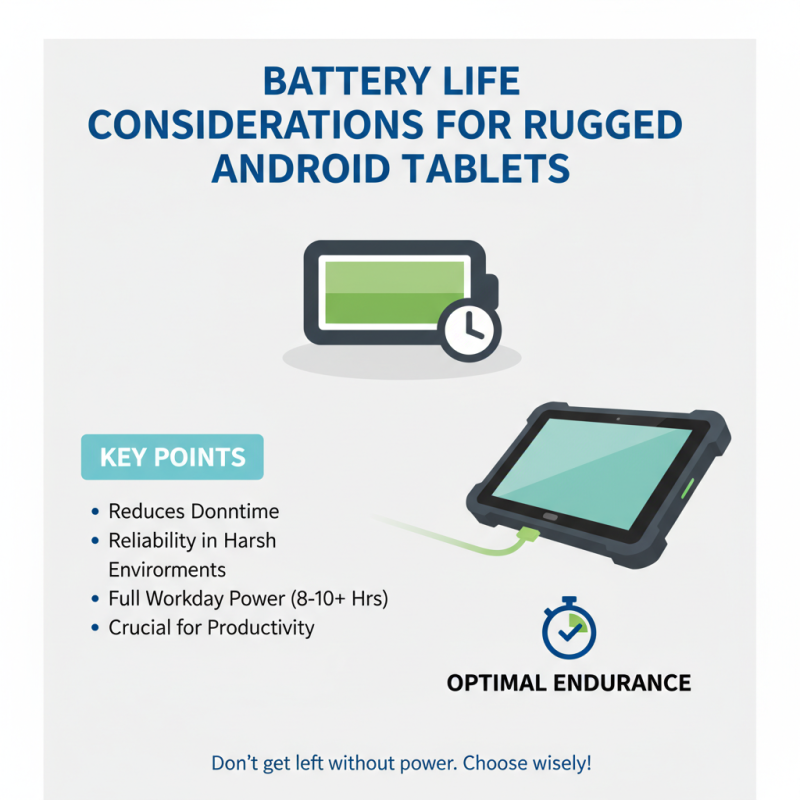
When selecting a rugged Android tablet, the battery life is a crucial aspect. A device with a long-lasting battery reduces downtime. Workers in harsh environments often rely on their tablets for extended periods. A tablet that can last through a full workday without a charge is vital. Look for models with a minimum of 8-10 hours of battery life.
Battery technology varies significantly among different rugged tablets. Some models use high-capacity batteries, which provide longevity. Others might offer removable batteries for quick swaps in the field. Consider the nature of your work. If you’re frequently outdoors or far from charging stations, prioritize a longer-lasting battery.
While focusing on battery life, also think about how battery performance declines over time. A tablet might initially offer good battery life, but this can diminish with heavy use. Reading user reviews can provide insights into real-world performance. It’s important to balance battery life with other features, such as processing power and durability. An ideal tablet should meet your specific needs without compromising in essential areas.
Compatibility and Software: Ensuring Your Needs Are Met
When choosing a rugged Android tablet, compatibility and software are critical. An incompatible operating system can undermine the device's potential. A report from Statista indicates that over 70% of users prioritize software alignment with existing systems. Therefore, it’s essential to ensure the tablet runs on a version of Android that is compatible with your applications.
User-friendly interfaces can significantly enhance productivity. According to a study published by IDC, 60% of enterprises reported improved efficiency when using tailored software solutions. Many rugged Android tablets allow for app customization, making it easier to meet specific business needs. It’s essential to thoroughly assess your software requirements before making a choice.
Moreover, security features should not be overlooked. In a landscape where 43% of cyber-attacks target mobile devices, robust data protection is vital. Consider software that includes encryption and real-time updates. While many rugged tablets claim to offer high security, thorough testing in real-world scenarios is crucial. Review feedback from other users to gauge reliability. There are often gaps between advertised features and actual performance.

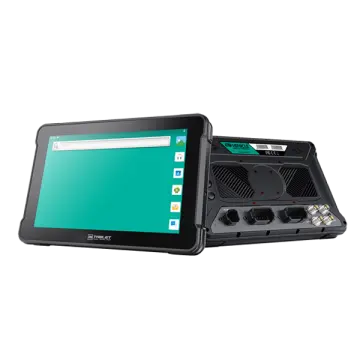 AT-10A
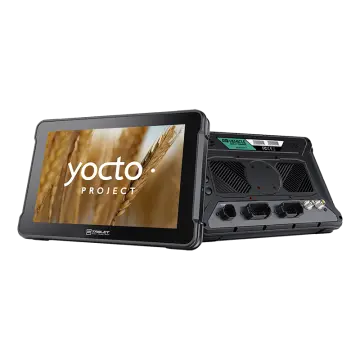 AT-10AL
 VT-7 GA/GE
 VT-7 Pro
 VT-7 PRO (AHD)
 VT-7A
VT-7A VT-7AL
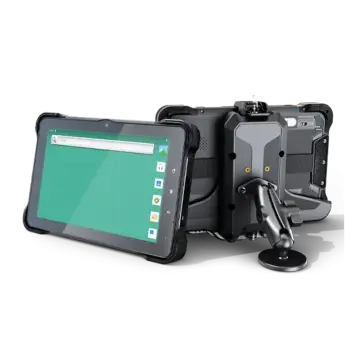 VT-10
VT-10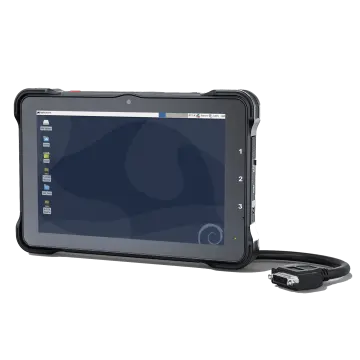 VT-10 IMX
 VT-10 Pro
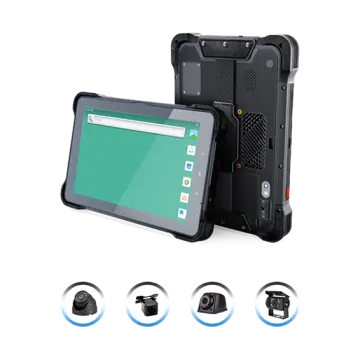 VT-10 Pro AHD
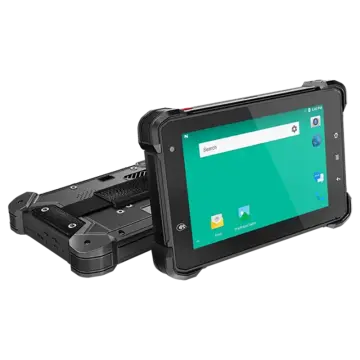 VT-7
VT-7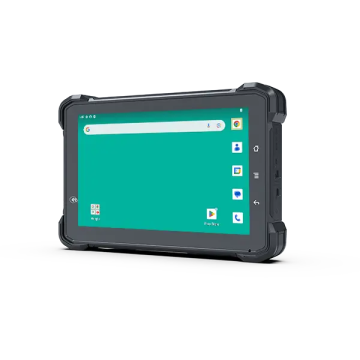 VT-7A PRO
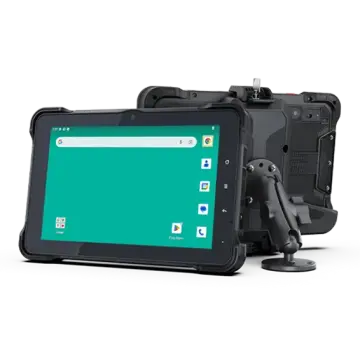 VT-10A Pro
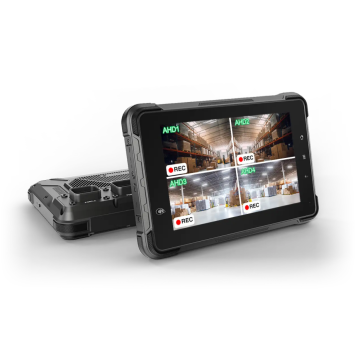 ST-7 Rugged Table
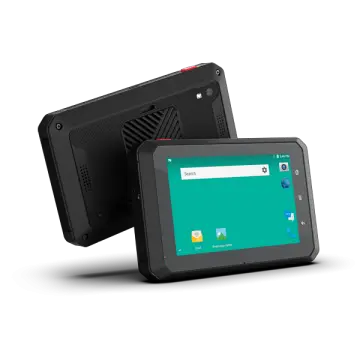 VT-5A
VT-5A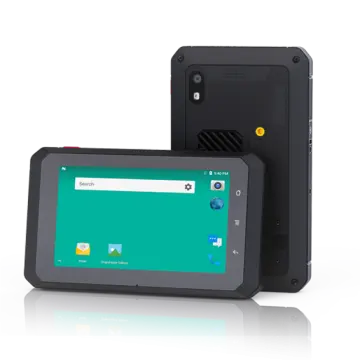 VT-5
VT-5 VT-BOX
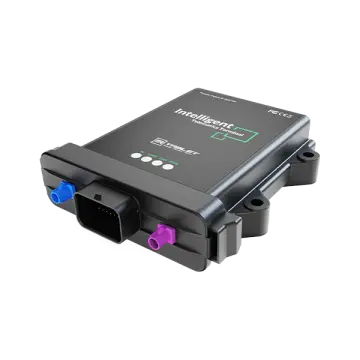 VT-BOX-II
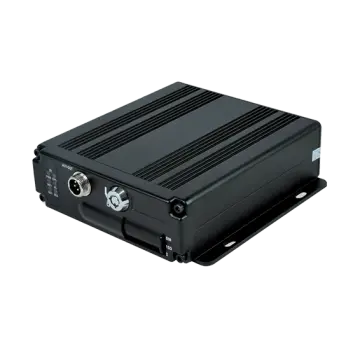 AI-MDVR040
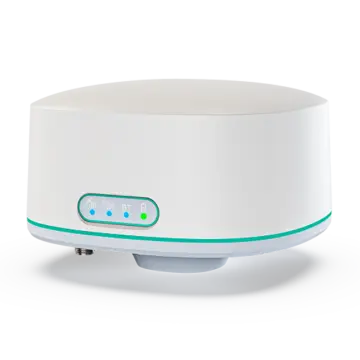 AT-B2
AT-B2 AT-R2
AT-R2