How to Choose the Best Rugged Android Tablet for Your Needs?
In today’s fast-paced world, choosing the right Rugged Android Tablet can be challenging. "These tablets must withstand harsh environments," says Steve Anderson, a leading expert in mobile technology. His insights emphasize the importance of durability and performance.
When selecting a Rugged Android Tablet, consider your unique needs. Do you work in construction or field research? Look for a tablet that offers reliability. Battery life and display quality also matter significantly. A bright screen is essential for outdoor use, while long battery life prevents interruptions.
However, not all rugged tablets are created equal. Some may have excellent durability but lack processing speed. It's crucial to reflect on your priorities. Are you leaning towards portability or performance? Finding the right balance can make a significant difference in your daily tasks.
Understanding Rugged Tablets: What Makes an Android Tablet Rugged?
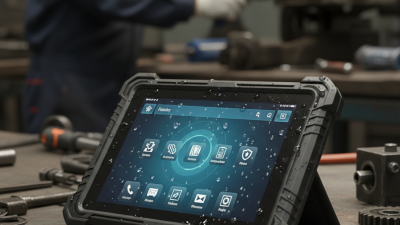
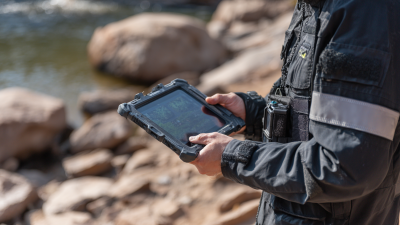
Rugged Android tablets are designed for tough environments. They can withstand drops, extreme temperatures, and water exposure. This durability is crucial for professionals who work in demanding fields. Whether in construction, outdoor activities, or emergency services, a rugged tablet can keep you connected.
What makes an Android tablet rugged? The construction materials are key. Often, these devices use reinforced glass and rubberized edges. They also have sealed ports to prevent dust and moisture from entering. Testing against military standards ensures they can handle harsh conditions.
However, not all rugged tablets are created equal. Some may claim to be rugged but lack real-world performance. Battery life can suffer under heavy use. Additionally, screen responsiveness may decrease when wearing gloves. Buyers should consider these factors carefully to ensure they truly meet their needs. It’s essential to assess real user reviews and conduct thorough research.
Key Features to Consider When Choosing a Rugged Android Tablet
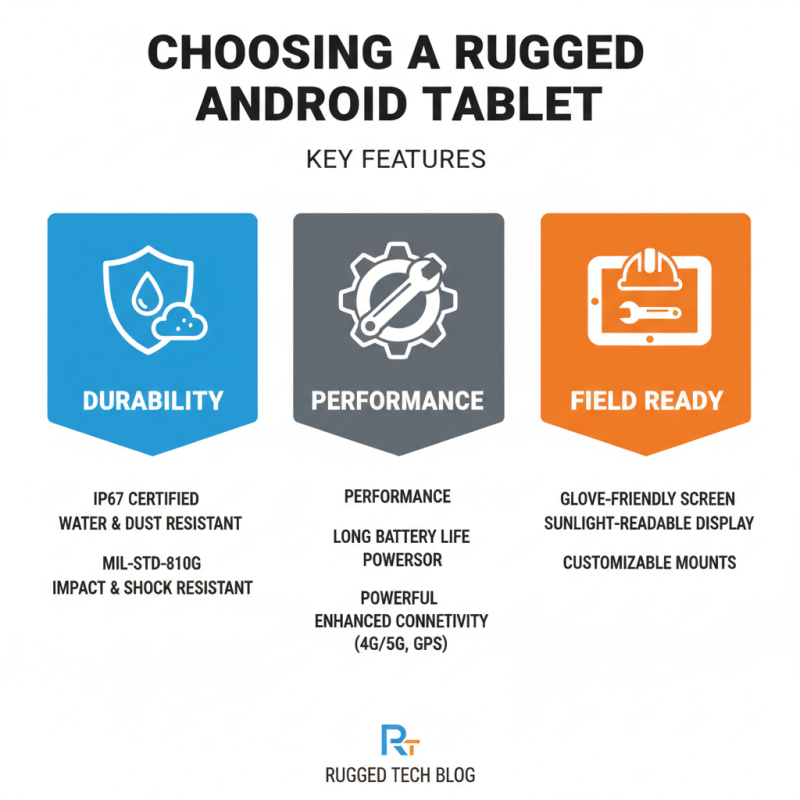
When choosing a rugged Android tablet, several key features must be considered to ensure it meets your needs. Durability is crucial. Look for devices with a rugged certification, such as IP67 or MIL-STD-810G. These ratings indicate resistance to water, dust, and impact. According to industry reports, tablets with these certifications can survive harsh environments better than standard models. This is particularly important for industries like construction or field services.
Battery life is another essential factor. Many rugged tablets offer extended battery options, allowing up to 12 hours of usage. This prolonged power source can be invaluable in remote locations where charging opportunities are limited. Additionally, a good rugged tablet should support various connectivity options. Look for models with 4G LTE and Wi-Fi capabilities to ensure constant communication. Research indicates that nearly 40% of professionals rely on mobile connectivity in their daily activities.
Consider the screen size and clarity as well. A minimum of 10 inches is recommended for adequate visibility under sunlight. Anti-glare screens offer better usability outdoors. However, a larger screen may not always equate to better portability. Some users find the trade-offs in weight and bulkiness a struggle. Then there's the operating system. Ensure the tablet runs a version compatible with your needed applications. Balancing these features with your requirements often leads to difficult choices. Finding the perfect rugged tablet can feel overwhelming yet necessary for efficiency.
Comparing Performance: Specs and Capabilities of Various Models
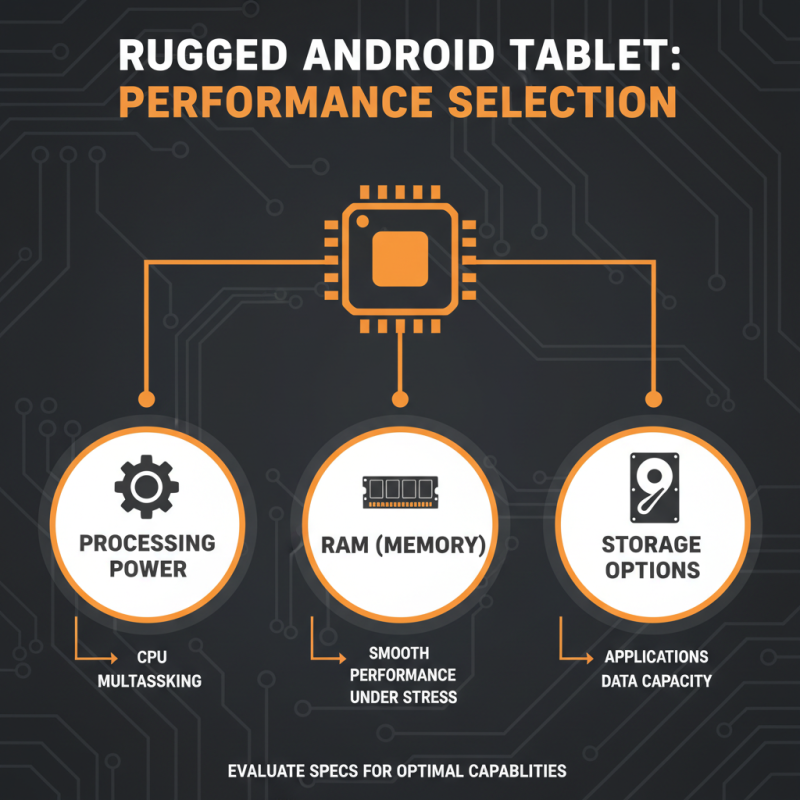
When selecting a rugged Android tablet, performance is key. Evaluating specs helps you understand capabilities. For instance, processing power significantly affects multitasking. A tablet with a higher RAM performs well under stress. Meanwhile, storage options must meet your application needs. Some models offer ample space, but others fall short.
Display quality is another crucial factor. Look for a screen that offers brightness and clarity. This is especially important for outdoor use. Some tablets excel in sunlight, while others struggle. Battery life also varies greatly. A long-lasting battery ensures reliability during fieldwork. However, some tablets drain quickly, leaving users without power.
Connectivity options matter too. Tablets with versatile ports enhance flexibility. Check if models include USB-C or HDMI support. Meanwhile, consider durability ratings. A rugged tablet might boast strong materials but lack design. Testing in harsh environments can reveal flaws in build quality. User reviews may highlight these weaknesses.
Assessing Durability Standards: IP Ratings and Military Certifications
When selecting a rugged Android tablet, understanding durability standards is crucial.
IP ratings measure a device's resistance to dust and water.
An IP67 rating means a tablet can withstand immersion in water up to one meter for
30 minutes. Many users overlook this aspect, which can lead to costly repairs or replacements.
Military certifications, such as MIL-STD-810G, indicate that a device meets specific
durability tests. These tests assess temperature extremes, vibrations, and drops. A device with this certification is designed
to survive harsh conditions. However, not all tablets with high ratings are suitable for every user.
Reflect on where and how you will use the device before making a choice.
Consider your daily environment. If you work in construction or outdoors, ruggedness is non-negotiable.
A beautiful tablet may catch your eye, but it could be useless in a demanding field. Balance beauty and brawn carefully, because
durability without usability is simply not worth it. Make a choice that fits
your situation and needs.
Budget vs. Quality: Finding the Right Rugged Tablet for Your Needs
In the quest for a rugged Android tablet, the balance between budget and quality is crucial. Data from industry reports indicate that customers often prioritize durability over price, with 65% willing to invest more for enhanced build quality. This suggests that while a lower price may be tempting, it can lead to compromises in features and longevity.
For instance, a high-quality rugged tablet typically meets military standards for toughness. This includes resistance to water, dust, and extreme temperatures. However, a budget option may not provide the same level of protection or performance. Many users find themselves replacing cheaper devices more frequently, ultimately spending more in the long run.
Consider battery life as well. Many budget tablets fall short here, often providing only 5-8 hours of use. In contrast, premium devices can last twice as long under similar conditions. The choice isn't just about saving money; it's about making an investment in performance and durability. Regret can set in quickly when a low-cost tablet fails under demanding conditions.

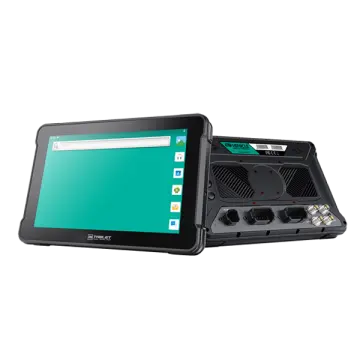 AT-10A
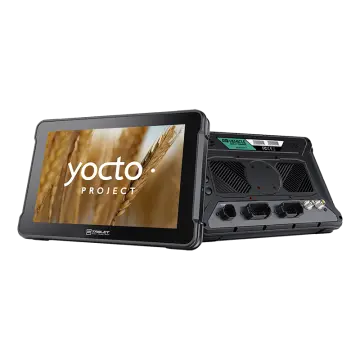 AT-10AL
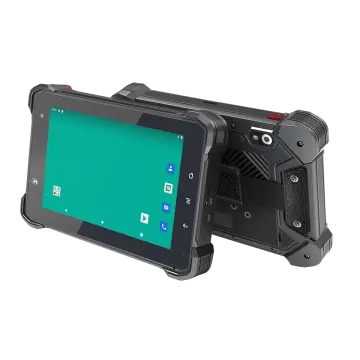 VT-7 GA/GE
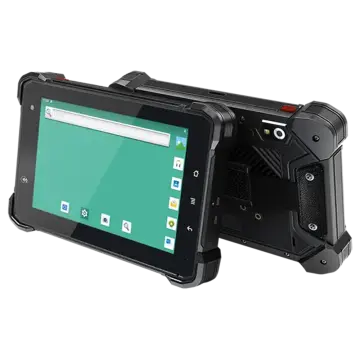 VT-7 Pro
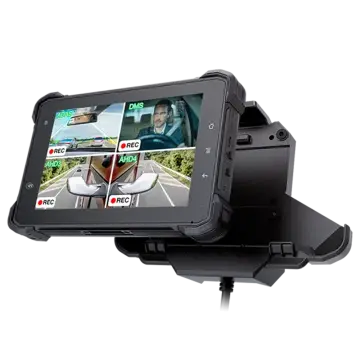 VT-7 PRO (AHD)
 VT-7A
VT-7A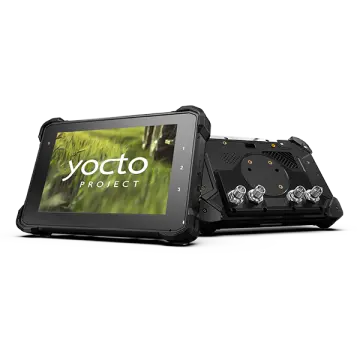 VT-7AL
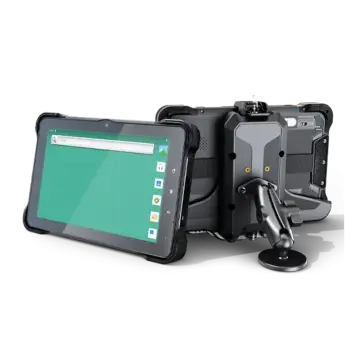 VT-10
VT-10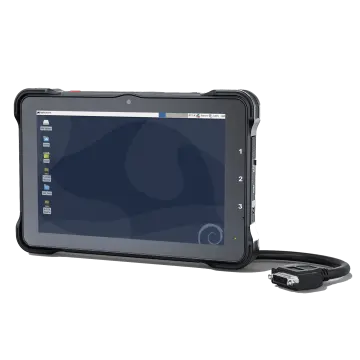 VT-10 IMX
 VT-10 Pro
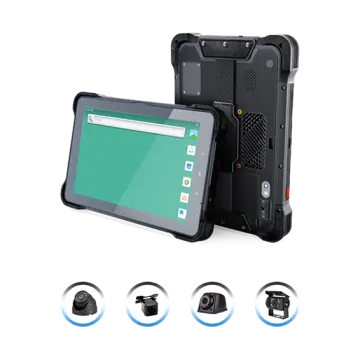 VT-10 Pro AHD
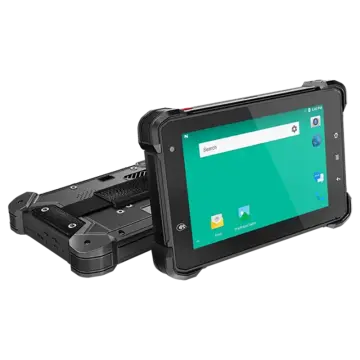 VT-7
VT-7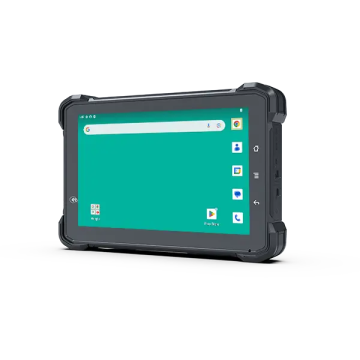 VT-7A PRO
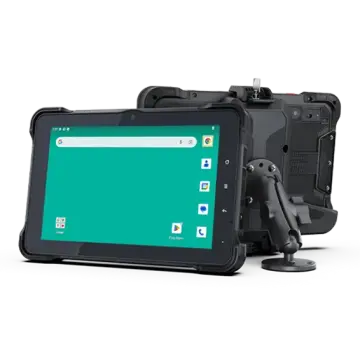 VT-10A Pro
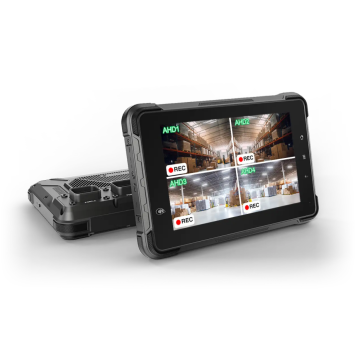 ST-7 Rugged Table
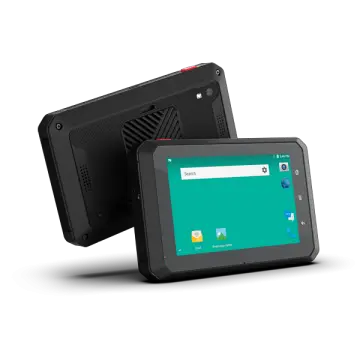 VT-5A
VT-5A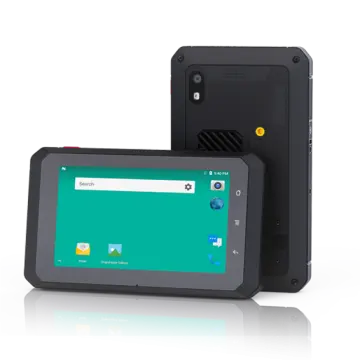 VT-5
VT-5 VT-BOX
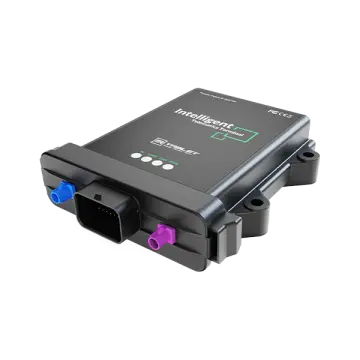 VT-BOX-II
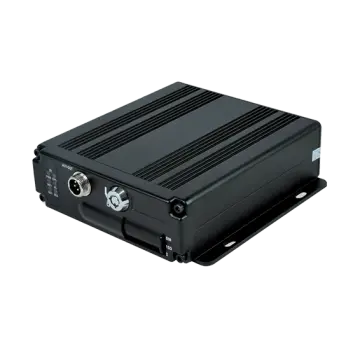 AI-MDVR040
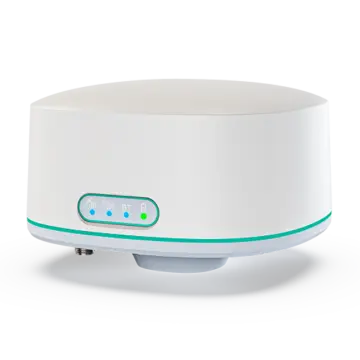 AT-B2
AT-B2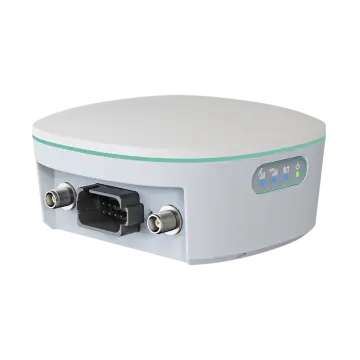 AT-R2
AT-R2