Why Choose a Rugged Android Tablet for Tough Environments?
In challenging environments, the need for reliable technology is critical. Rugged Android Tablets stand out for their durability and performance. According to a recent report by Tech Insights, the market for rugged devices is expected to grow by 10% annually, reflecting increasing demands in industries like construction, logistics, and healthcare.
Expert James Richards, a leading figure in the rugged tablet sector, states, "Rugged Android Tablets are essential for workers operating in extreme conditions." This emphasizes their significance in ensuring productivity and safety. These devices are designed to withstand drops, dust, and extreme temperatures, thus reducing the risk of failure.
However, choosing the right solution can be overwhelming. Many users overlook specific features that could enhance their experience. For instance, battery life and screen visibility in direct sunlight are often taken for granted. As the demand for rugged technology grows, it becomes crucial for industries to assess their needs carefully and adopt devices that genuinely meet their operational requirements.

Benefits of Rugged Android Tablets in Harsh Conditions
Rugged Android tablets are designed for extreme conditions. They withstand dust, water, and drops. This durability is critical in industries like construction and logistics. Workers need devices that function reliably, even in harsh environments. A rugged tablet can endure high temperatures and rough handling. These features make them essential for outdoor applications.
The performance of these tablets is impressive. They typically come with strong batteries that last all day. This ensures workers are connected without constant charging. Some models feature bright screens that are viewable in sunlight. This visibility improves productivity on job sites. Users can operate the tablet even while wearing gloves.
However, not all rugged tablets are perfect. Some may lack advanced features found in standard tablets. Their weight can be a factor, making them less portable. Additionally, prices can be higher, which might limit accessibility for smaller businesses. Users should carefully consider their needs. Balancing features and price is essential for the right decision.
Key Features of Rugged Android Tablets for Durability
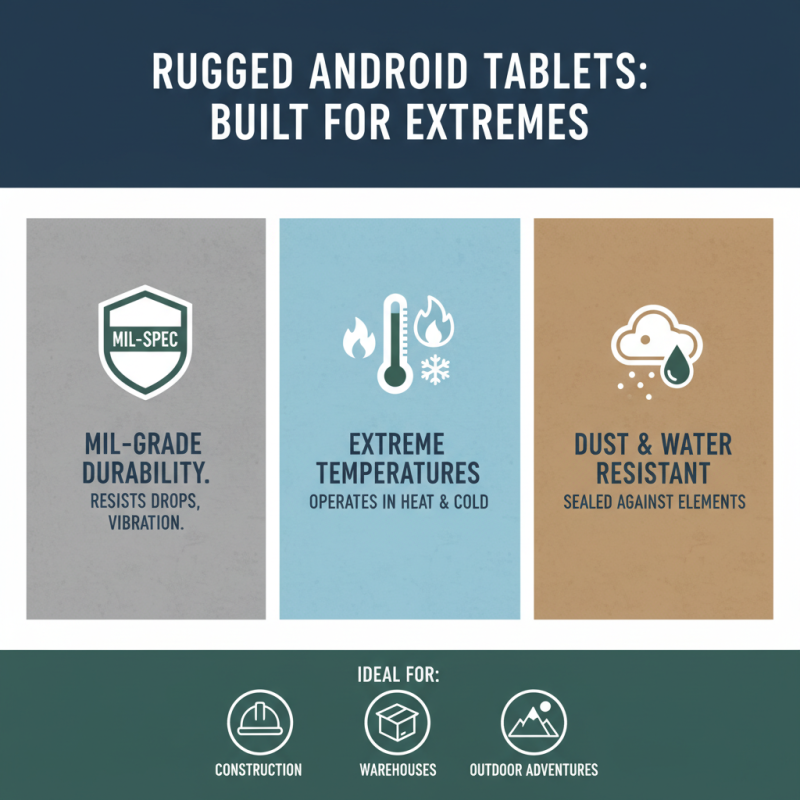
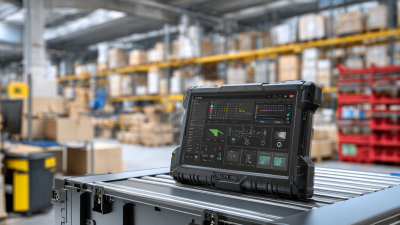
When operating in harsh environments, a rugged Android tablet can be an invaluable tool. These devices are built for durability. They often meet military-grade specifications, ensuring they withstand drops, extreme temperatures, and dust infiltration. The strong casing helps protect against physical damage. These features make them suitable for construction sites, warehouses, and outdoor adventures.
Choosing the right rugged tablet also involves looking at battery life and screen visibility. Many rugged tablets have long-lasting batteries, allowing them to work during long shifts without frequent charging. The screens are designed to be readable in bright sunlight, ensuring you can see your work clearly. Consider the weight and size as well. A lightweight model can be easier to handle, but too small might reduce durability.
Tips: Always test a tablet’s responsiveness to touch while wearing gloves. Consider how easy it is to replace batteries. In tough conditions, even a slight inconvenience can hinder productivity. Evaluate how well the device integrates with your applications and workflows. This can improve efficiency significantly in critical tasks.
Comparative Analysis: Rugged vs. Standard Tablets
When evaluating rugged vs. standard tablets, the differences can be striking. Rugged tablets are designed to withstand extreme conditions. According to industry reports, traditional tablets often fail in harsh environments, like construction sites or manufacturing plants. They are not built for drops, water, or dust. In contrast, rugged tablets typically have military-grade certifications. This means they can survive falls from heights of up to 6 feet.
One report highlighted that over 60% of companies experience hardware failure due to environmental factors. This can lead to costly downtime. A rugged tablet can significantly reduce this risk. They often come with additional features, such as sunlight-readable screens and enhanced battery life. In a study, users found rugged devices had a lower total cost of ownership by 30% over five years.
Tips: Choose a rugged tablet with IP ratings for water and dust resistance. Look for devices with replaceable batteries for long-term use. Always consider the specific environment where the tablet will be used. Remember, a rugged tablet may seem pricier initially, but the durability might save money in the long run.
Assess your needs carefully. Not every job requires a rugged device. Sometimes, a standard tablet suffices. Reflect on your environment and use cases before making a choice.
Real-World Applications of Rugged Android Tablets
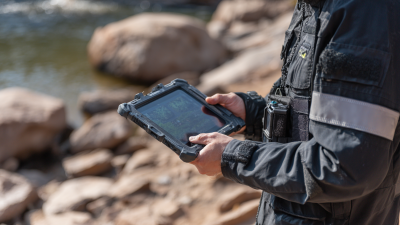
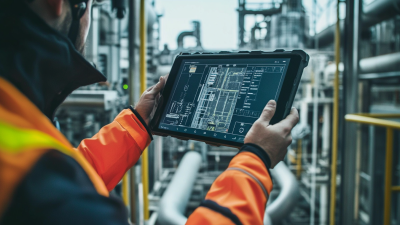
Rugged Android tablets are designed for tough environments. They endure extreme conditions, including heavy rain, dust, and high impacts. This durability makes them ideal for industries such as construction, logistics, and outdoor adventures. Workers in these fields rely on tablets to access vital information quickly. For example, a construction manager can check blueprints on-site without worrying about damage.
These tablets are not just tough; they also offer versatility. Many come equipped with specialized software for field data collection. Imagine a delivery driver scanning packages through rain without losing functionality. In the wild, environmental scientists use rugged tablets to record data while monitoring wildlife. The reliability of these devices can make or break a project. However, some users report challenges with user interfaces, which can sometimes lag in demanding situations.
Battery life is another important aspect. In remote areas, charging options may be limited. A rugged tablet that lasts a full workday is essential. The technology is impressive, but it can be temperamental. It’s important to evaluate if these devices align with daily needs. While they are created for harsh conditions, they aren’t perfect. Users should weigh pros and cons carefully to ensure optimal performance in their specific field.
Tips for Selecting the Right Rugged Android Tablet
When choosing a rugged Android tablet, consider your specific needs. Different environments require different features. If you work in extreme temperatures, look for tablets with wide operating temperature ranges. Tablets designed for field use often feature enhanced battery life. Long shifts can be challenging without reliable power.
Water and dust resistance are critical attributes. Check IP ratings to ensure durability. High ratings mean better protection. Drop resistance is another key factor. Tablets that can withstand falls reduce replacement costs. Some models even offer reinforced screens for extra protection.
Assess the processing power and storage. A fast processor ensures smooth operation, especially with demanding apps. Storage is also vital. Limited space can hinder performance. Look for tablets that allow expandable storage. Finally, consider the display quality. A bright, clear screen is essential for visibility outdoors. This choice impacts usability. Take your time to find a tablet that fits all your needs. Each option has its pros and cons, so it’s worth reflecting on what matters most to you.

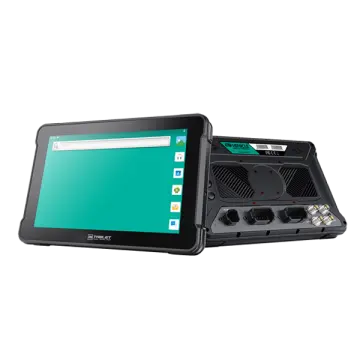 AT-10A
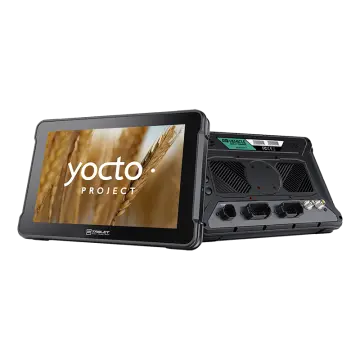 AT-10AL
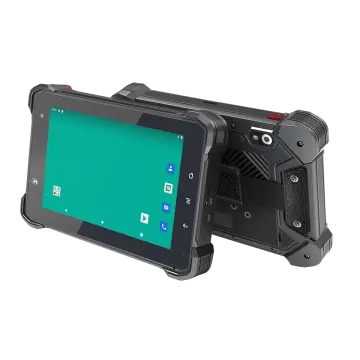 VT-7 GA/GE
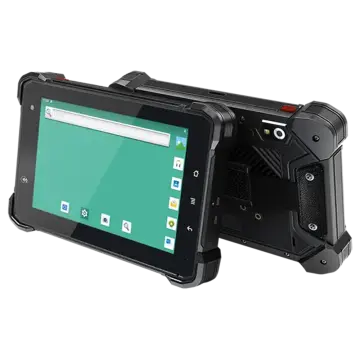 VT-7 Pro
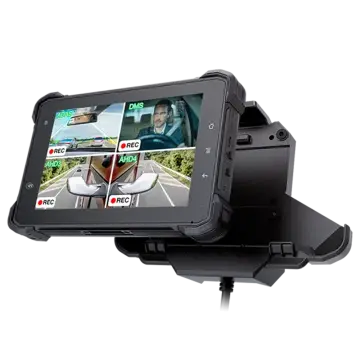 VT-7 PRO (AHD)
 VT-7A
VT-7A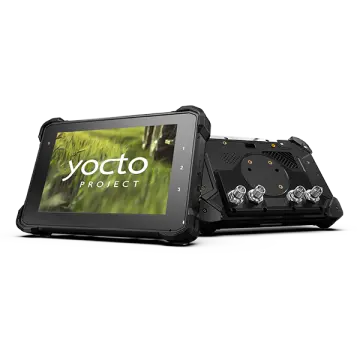 VT-7AL
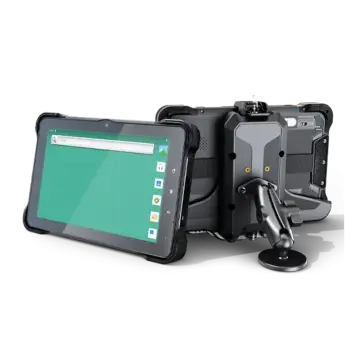 VT-10
VT-10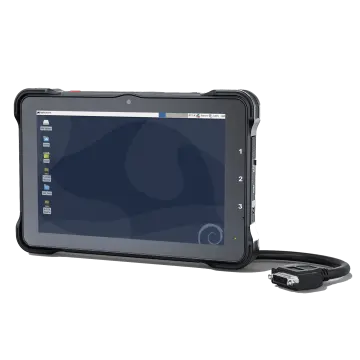 VT-10 IMX
 VT-10 Pro
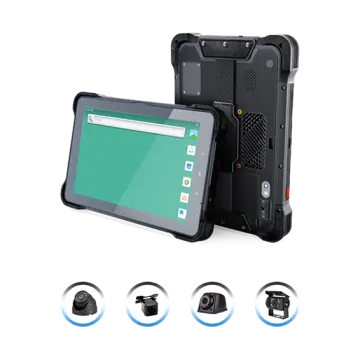 VT-10 Pro AHD
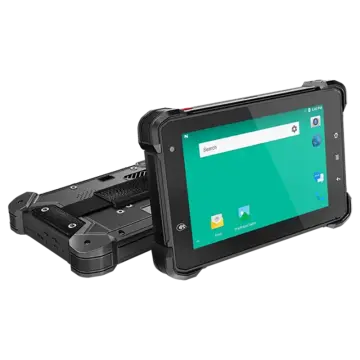 VT-7
VT-7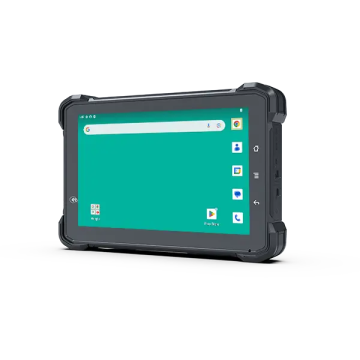 VT-7A PRO
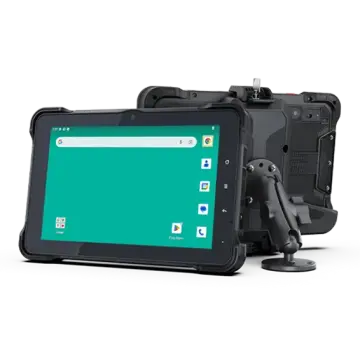 VT-10A Pro
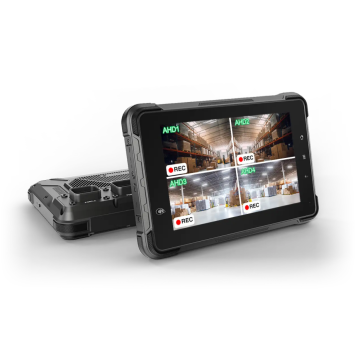 ST-7 Rugged Table
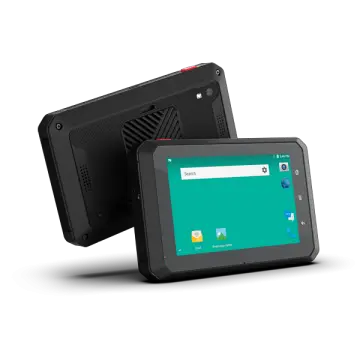 VT-5A
VT-5A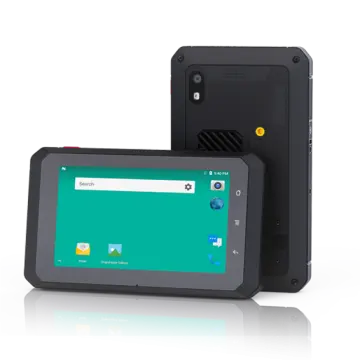 VT-5
VT-5 VT-BOX
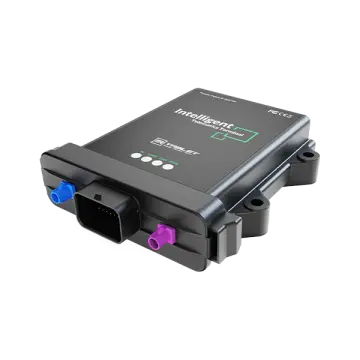 VT-BOX-II
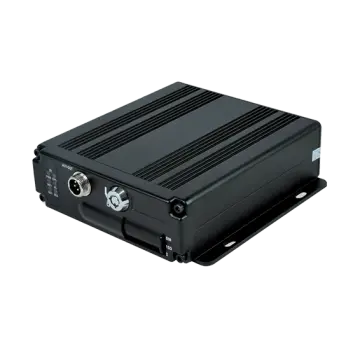 AI-MDVR040
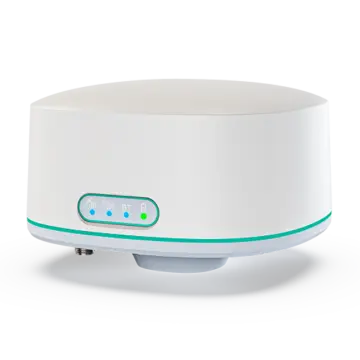 AT-B2
AT-B2 AT-R2
AT-R2