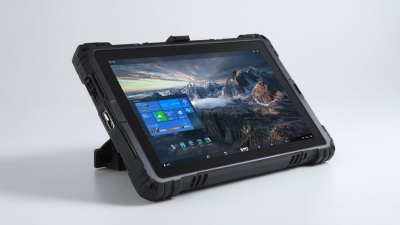
How to Choose the Best Rugged Tablet for Your Needs?
Choosing a rugged tablet can be challenging. The right device should meet your unique needs. A Tablet Rugged simplifies tasks in tough environments, but quality varies greatly.
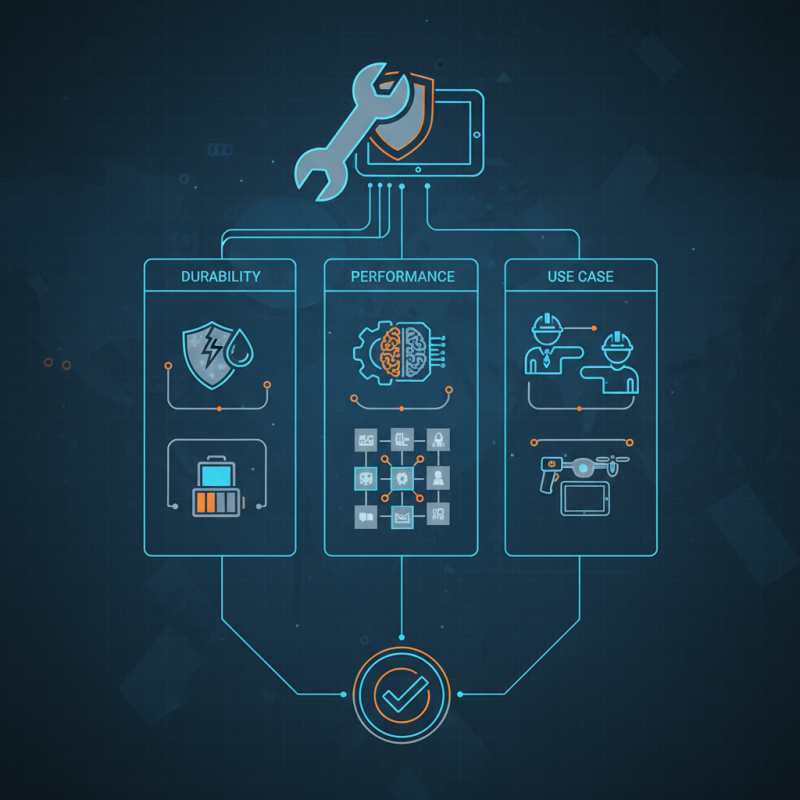
When selecting a rugged tablet, consider its durability features. Look for MIL-STD certifications and water resistance levels. These aspects matter in harsh settings. Battery life is another critical factor. A short battery life can disrupt your workflow.
Evaluate the software compatibility too. Not all rugged tablets run the necessary applications smoothly. You may find yourself needing specific functions. Think about your primary use cases. What tasks will you perform? It’s essential to reflect on these points before making a decision.
Understanding Rugged Tablets: Features and Benefits
Rugged tablets are designed for tough environments. They withstand drops, moisture, and dust. This makes them ideal for construction sites and outdoor activities. Users often find themselves in challenging scenarios. A rugged tablet can be a lifeline in these conditions.
Key features of rugged tablets include enhanced durability and long battery life. Many models have screens viewable in sunlight. Touchscreens are often glove-compatible, which adds convenience. However, these tablets may lack some features found in standard tablets. This is crucial to consider when making a choice.
While their durability is an advantage, rugged tablets can be heavier. This might affect portability. Users also face higher prices than non-rugged versions. Ultimately, it’s important to weigh the pros and cons. Consider what features matter most for your specific needs. Finding the right balance is key in selecting the best rugged tablet.
Rugged Tablet Features Comparison
Assessing Your Specific Use Cases for Rugged Tablets
When choosing a rugged tablet, it's essential to consider your specific use cases. Think about the environments you'll be using it in. Will it face extreme temperatures, dust, or moisture? A good rugged tablet should withstand these conditions without failing. For outdoor work, look for something with a bright screen for visibility in sunlight.
Consider the tasks you'll perform. If you need to run demanding software, check the processing power. Battery life is also crucial. A short battery can hinder productivity, especially in the field. You may find it frustrating to recharge mid-task, which disrupts workflow. A heavier device might offer durability but could be cumbersome.
Think about connectivity options too. Will you need Wi-Fi, Bluetooth, or cellular features? Lack of network access can render the tablet useless in remote areas. Assess how often you’ll need support or updates. Diving into these details can help avoid purchasing pitfalls. Remember, the perfect rugged tablet may not exist, but a considered choice can lead to significant satisfaction.
Key Specifications to Consider When Choosing a Rugged Tablet
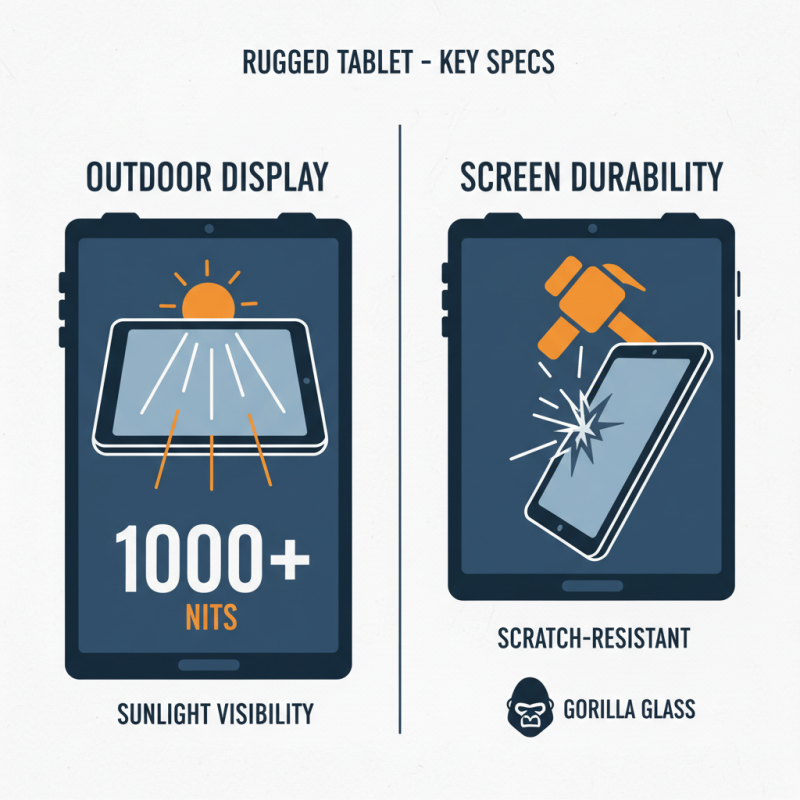
When selecting a rugged tablet, several key specifications emerge as crucial. The display's brightness must be high enough to read outdoors. A rating of at least 1000 nits is optimal for sunlight visibility. The screen should also be made of scratch-resistant material. Gorilla Glass is a popular choice here due to its durability.
Battery life plays a significant role too. Many rugged tablets can last over 10 hours on a single charge. This is essential for extended fieldwork. Look for devices that offer replaceable batteries. This feature ensures uninterrupted work, even on lengthy jobs. Additionally, consider the processing power. A tablet should ideally run a robust operating system smoothly. Dual-core processors are generally the bare minimum for basic tasks.
Connectivity options shouldn't be overlooked. Ideally, a rugged tablet should support 4G LTE and Wi-Fi. Many professionals also need Bluetooth for peripherals. Don't forget to check for additional features like water and dust resistance. A rating of IP67 is a standard benchmark. It guarantees protection against immersion in water and dust ingress, which are real concerns in field conditions.
Budgeting for Your Rugged Tablet: Cost vs. Performance
When considering a rugged tablet, budgeting is a crucial aspect. You can find options ranging from $300 to $2,000. A lower price may sacrifice performance. Consumer reports indicate that budget models often offer limited durability and slower processing speeds. They might not endure harsh environments or high-pressure conditions, leading to potential frustrations.
Performance is a key factor. Rugged tablets with better specifications typically cost more. According to market research, tablets priced above $1,000 often feature enhanced processing power and battery life. They are built for efficiency and resilience. In contrast, cheaper models may struggle with multitasking and heavy applications.
Choosing wisely requires reflection on your actual needs. If your tasks are demanding, investing more could save you future headaches. On the other hand, if your use is light, a budget option might suffice. Look at real-world user reviews and performance metrics to gauge if the price aligns with your needs. Balancing cost and performance can be tricky but essential for long-term satisfaction.
Comparing Top Rugged Tablet Models on the Market
When comparing rugged tablet models on the market, it’s essential to focus on durability and features. Many tablets boast tough exteriors to withstand drops and extreme conditions. Look for models with a high IP rating. This indicates resistance to dust and water. Some tablets are designed for outdoor use, while others cater to industrial applications. Assessing your specific needs will illuminate the right direction.
Battery life is another critical feature to consider. Rugged tablets may be powerful, but they can consume a lot of energy. A long-lasting battery ensures you stay productive without frequent recharges. Some models allow for quick swapping of batteries, which can be a lifesaver in the field. Display quality is also vital. Touchscreens should be easily readable in bright sunlight.
While many rugged tablets meet high standards, no model is flawless. Some may lack the processing power needed for demanding applications. Others might be heavier than desired. It's essential to weigh these factors against your specific use-case scenarios. Each candidate can have strengths and weaknesses that may not align perfectly with your requirements. Taking time to research extensively is crucial before making a decision.

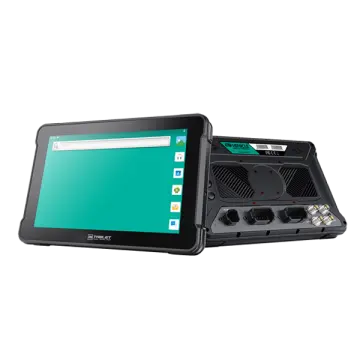 AT-10A
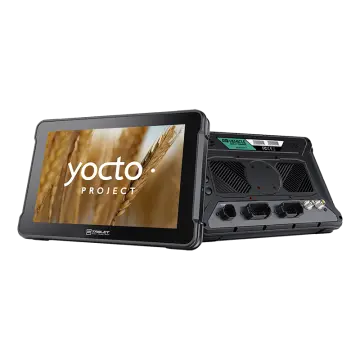 AT-10AL
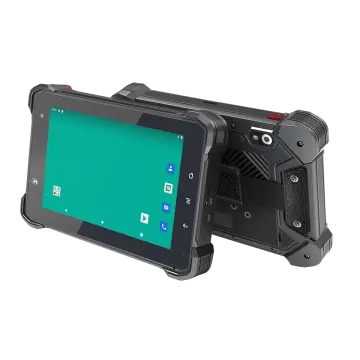 VT-7 GA/GE
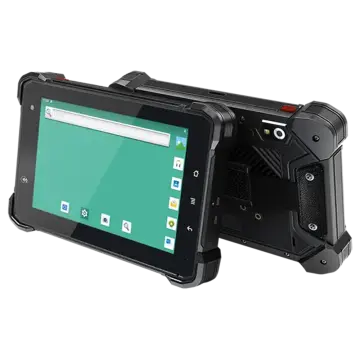 VT-7 Pro
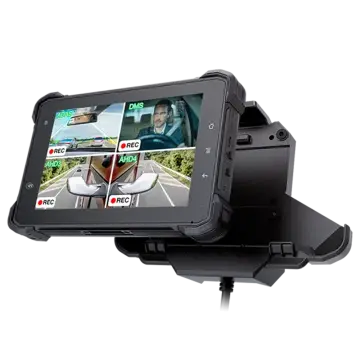 VT-7 PRO (AHD)
 VT-7A
VT-7A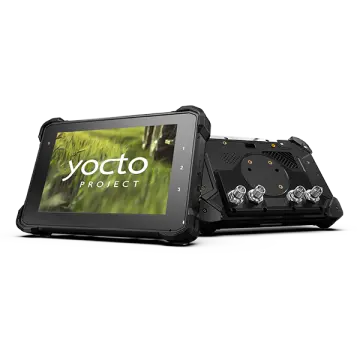 VT-7AL
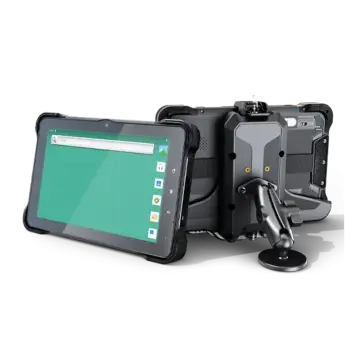 VT-10
VT-10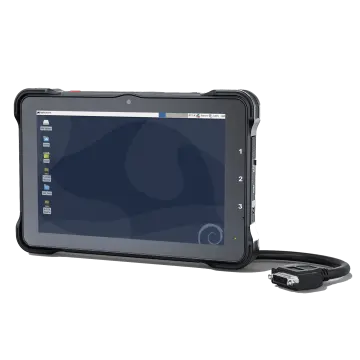 VT-10 IMX
 VT-10 Pro
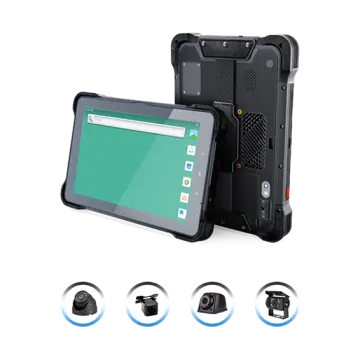 VT-10 Pro AHD
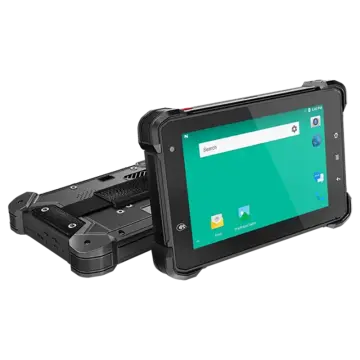 VT-7
VT-7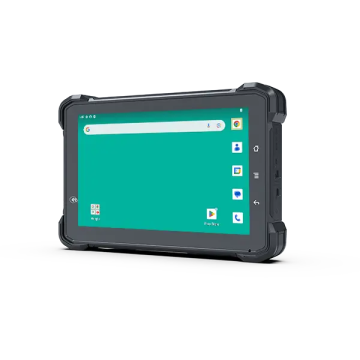 VT-7A PRO
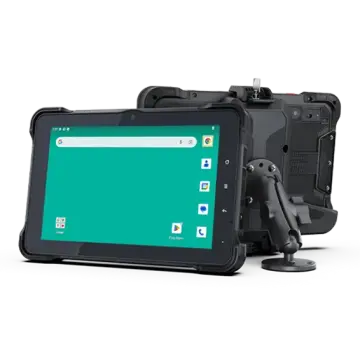 VT-10A Pro
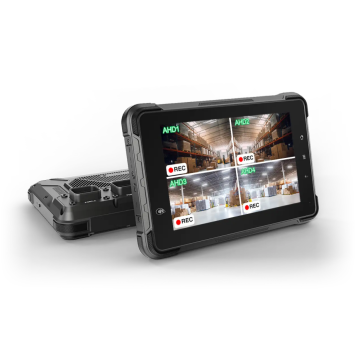 ST-7 Rugged Table
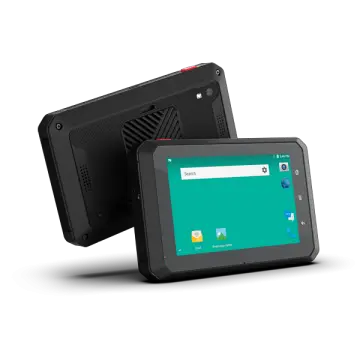 VT-5A
VT-5A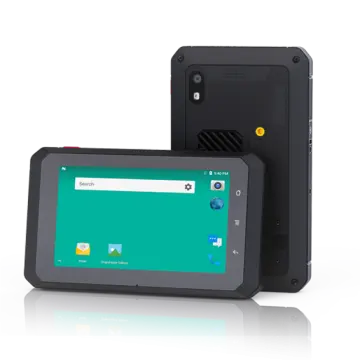 VT-5
VT-5 VT-BOX
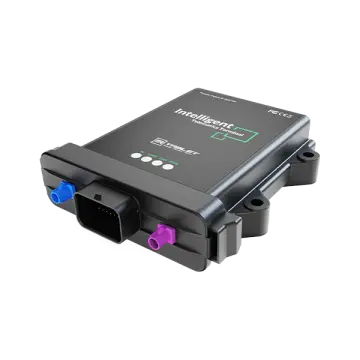 VT-BOX-II
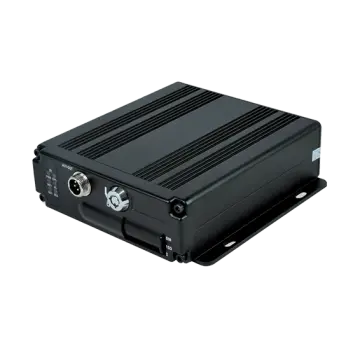 AI-MDVR040
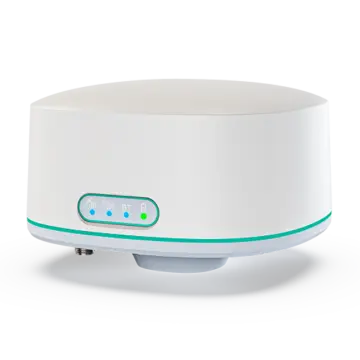 AT-B2
AT-B2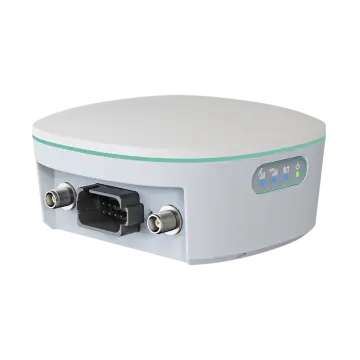 AT-R2
AT-R2