How to Choose an OEM Android Tablet Supplier?
Choosing an OEM Android tablet supplier is not simply a price comparison. It is a decision about product reliability, customer trust, and long-term business performance. A supplier may offer an attractive quotation, yet weak quality control can create costly returns, delayed launches, and damaged reviews. The right partner should understand your target market, technical requirements, and expected production volume.
Experience matters here. Ask how the supplier manages chipset selection, display testing, battery safety, firmware updates, and final inspections. Request clear evidence, such as factory photos, sample reports, certification records, and references from similar projects. A professional Oem Tablet Android supplier should explain its process without hiding behind vague promises. You should be able to discuss screen brightness, RAM performance, charging behavior, packaging, and after-sales support in practical terms.
Details reveal reliability.
A sample tablet should be tested beyond a short demonstration. Check Wi-Fi stability, touch accuracy, speaker quality, camera performance, sleep-mode battery drain, and charging temperature. Also examine whether the supplier can customize logos, applications, interface settings, accessories, and packaging consistently across production batches. Some suppliers promise deep customization but only change the startup logo. That difference deserves attention.
No supplier is perfect. Even experienced manufacturers can face component shortages or software delays. A thoughtful evaluation should consider how openly the supplier reports problems and corrects them. Confirm production timelines, warranty responsibilities, spare-part availability, and communication procedures before signing an agreement. Transparent records and realistic commitments are stronger evidence than impressive presentations. The best supplier is not necessarily the cheapest; it is the partner that can deliver dependable tablets repeatedly.
Define Your OEM Android Tablet Requirements
How to Choose an OEM Android Tablet Supplier?
Define Your OEM Android Tablet Requirements
The tablet market is expanding again. IDC reported 147.6 million global tablet shipments in 2024, up 9.2% year over year. This growth increases supplier choices, but vague requirements still create expensive delays. Define the product before comparing factories.
Write a practical specification sheet. Include screen size, resolution, brightness, processor performance, memory, storage, camera needs, battery capacity, and charging speed. State the Android version and required update period. Specify Wi-Fi bands, cellular frequencies, ports, sensors, and operating temperature. For education or field work, add drop resistance and screen-glove compatibility. Small details matter.
Your volume forecast should include launch quantity, monthly demand, and acceptable minimum order quantity. Request engineering samples before discussing mass production. Check test reports for battery safety, radio performance, electromagnetic compatibility, and regional certification. The International Data Corporation’s 2024 tracker shows continued tablet demand, yet demand does not guarantee a successful product. Omdia’s tablet research also highlights stronger interest in larger screens and productivity use. Treat these trends as guidance, not proof of your market.
I once underestimated packaging dimensions and increased shipping costs.
That mistake was avoidable. Ask the supplier for a complete bill of materials, aging-test records, repair procedures, and software support terms. Confirm who owns customized firmware and industrial design files. A low quotation may hide short support cycles. Reliability begins with requirements written clearly.
Evaluate Supplier Experience, Certifications, and Manufacturing Capacity
Choosing an OEM Android tablet supplier requires evidence, not impressive presentations. Ask how many years the supplier has produced tablets for similar markets. Request samples from recent projects, not only showroom devices. Their engineers should explain chipset selection, display bonding, battery protection, firmware updates, and thermal testing clearly. Vague answers signal weak technical control.
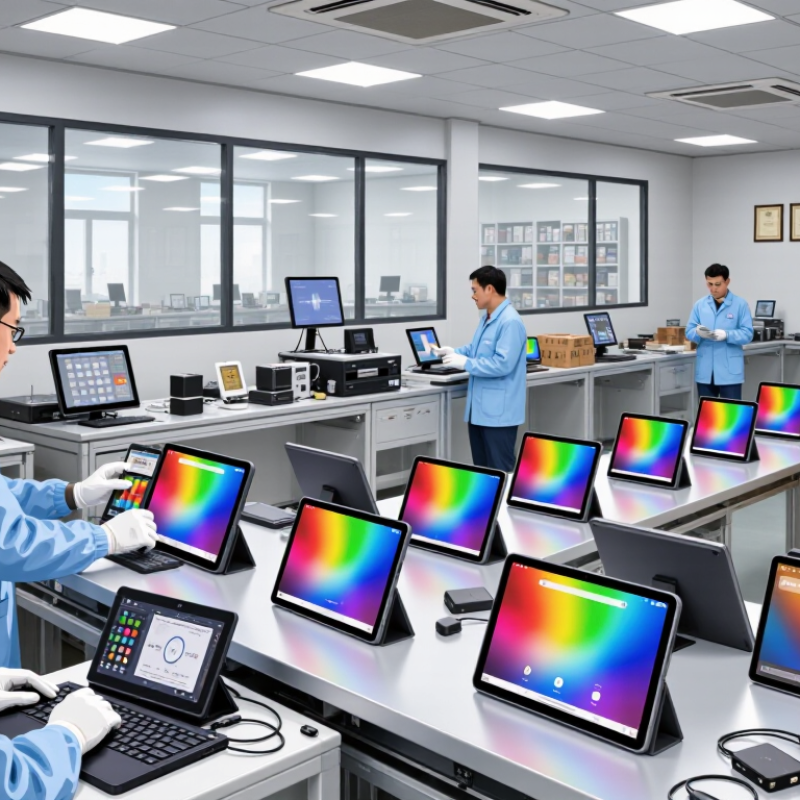
Certifications deserve careful checking. Review current ISO 9001 records, factory audit reports, and product safety test documents. Confirm whether the certificates cover the actual production site. A certificate from another facility has limited value. Check compliance with destination-market requirements, including battery transport rules and radio testing. Manufacturing capacity matters just as much. Inspect assembly lines, aging-test areas, calibration tools, and spare-parts storage. Ask for monthly output, minimum order quantities, lead times, and peak-season plans. A supplier may promise 50,000 units monthly, but component shortages can change that quickly. Require production traceability from incoming screens to packed cartons.
A pilot order can reveal more than a factory tour. Measure defect rates, firmware consistency, packaging quality, and response time during problems. Ask for corrective-action records, not just verbal promises. I once focused too heavily on unit price and underestimated engineering support. That mistake delayed testing and increased rework. Supplier selection is never perfectly predictable. Still, documented experience, verified certifications, and visible capacity create a more reliable decision.
Compare Hardware Specifications, Customization, and Software Support
Choosing an OEM Android tablet supplier requires more than comparing screen size and processor speed.
IDC’s Worldwide Quarterly Personal Computing Device Tracker reported 147.6 million tablet shipments in 2024, up 9.2% year over year. This growth increases supplier choice, but also creates uneven quality. Check display brightness, touch accuracy, battery capacity, thermal control, and port durability. Request sample units and test them in real conditions, such as warehouses, classrooms, or outdoor service areas. Paper specifications can mislead.
Customization should solve a clear operational problem.
Ask whether the supplier can adjust casing materials, button layouts, camera placement, memory options, and charging accessories. Confirm minimum order quantities and tooling fees in writing. Small changes matter. A recessed power button may prevent accidental shutdowns. However, excessive customization can delay production and complicate repairs. I have seen teams approve attractive prototypes without testing replacement parts. That mistake becomes expensive later.
Software support deserves equal attention.
Ask about operating-system update schedules, security-patch availability, device enrollment, remote configuration, and application compatibility. The Mobile and Wireless Communications Research Forum reported that fragmented device fleets increase management costs and security exposure. Require a written support lifecycle, response-time targets, and access to diagnostic logs. Also test over-the-air updates before signing a long-term contract. Some suppliers promise flexible software support, yet provide only basic firmware fixes. That gap is easy to miss.
Review Quality Control, Testing Procedures, and Sample Devices
Choosing an OEM Android tablet supplier requires more than comparing prices.
IDC reported 135.3 million tablet shipments worldwide in 2024, a 9.2% annual increase.
This growth raises pressure on suppliers to deliver consistent quality at scale.
Request sample devices from the same production line, not special engineering units. Samples can deceive.
Check screen brightness at minimum and maximum levels, then inspect touch response near the corners.
Record boot time, charging temperature, battery drain, Wi-Fi stability, and speaker distortion.
Test the tablet after a factory reset. A polished demonstration unit proves little.
Ask for documented quality-control gates.
These should cover incoming components, assembly inspection, firmware loading, aging tests, and final sampling.
The World Quality Report 2023–24 identifies test automation, traceability, and data quality as major quality-engineering priorities.
Your supplier should provide
test records, failure rates, corrective-action reports, and serial-number tracking.
Request evidence for drop, vibration, charging-cycle, thermal, and port durability tests.
Test the boring details.
Confirm whether procedures follow recognized standards, such as ISO 9001-based quality management and applicable battery-safety requirements.
One weakness remains: many suppliers present pass certificates without showing test conditions.
Ask for temperature ranges, sample sizes, test duration, and rejected-unit handling.
If answers stay vague, repeat the sample evaluation with independent technicians before placing a larger order.

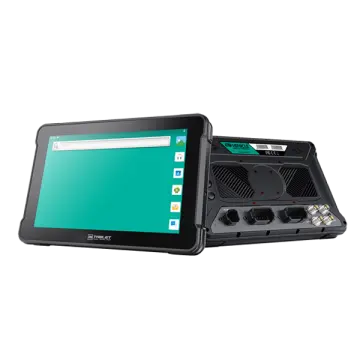 AT-10A
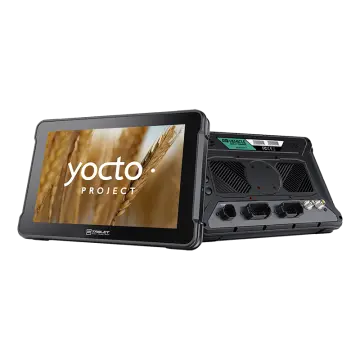 AT-10AL
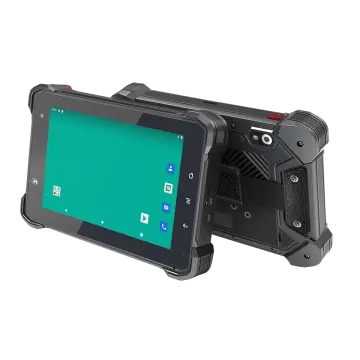 VT-7 GA/GE
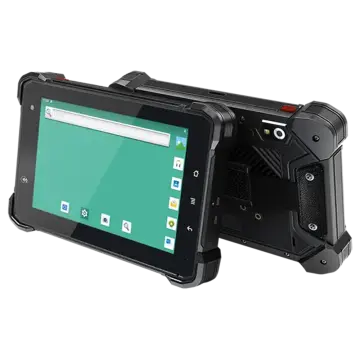 VT-7 Pro
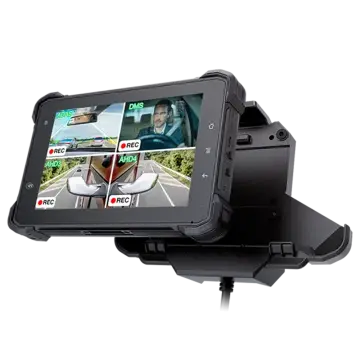 VT-7 PRO (AHD)
 VT-7A
VT-7A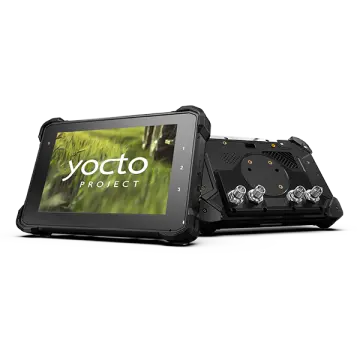 VT-7AL
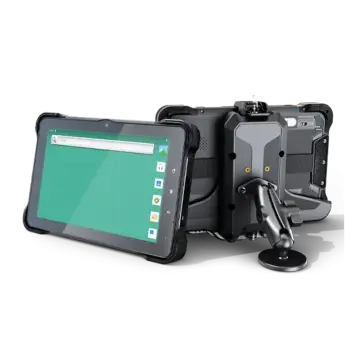 VT-10
VT-10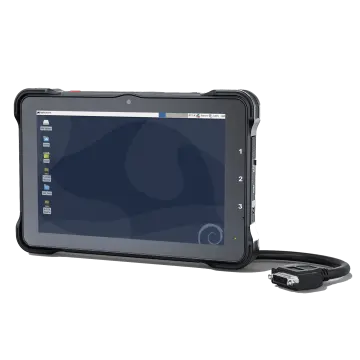 VT-10 IMX
 VT-10 Pro
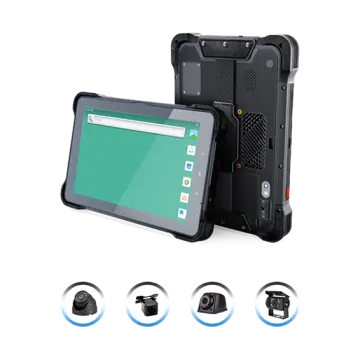 VT-10 Pro AHD
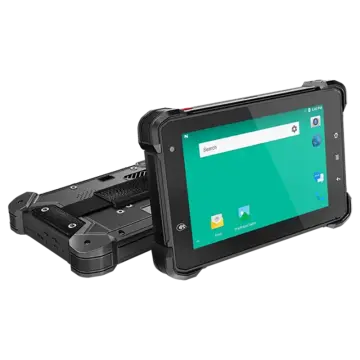 VT-7
VT-7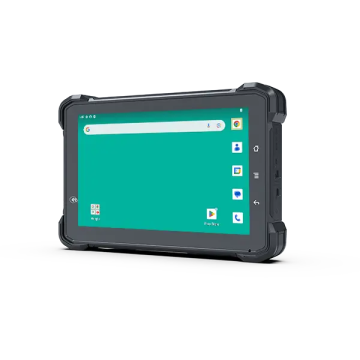 VT-7A PRO
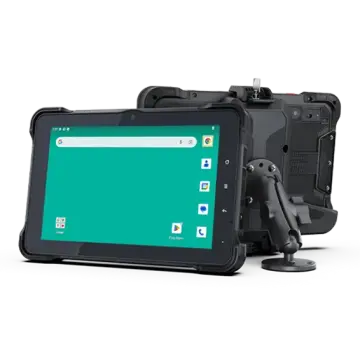 VT-10A Pro
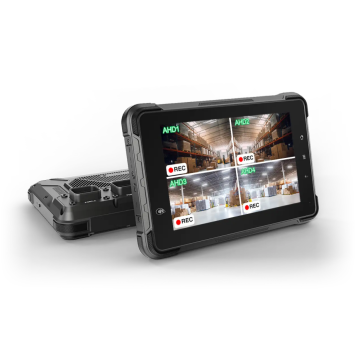 ST-7 Rugged Table
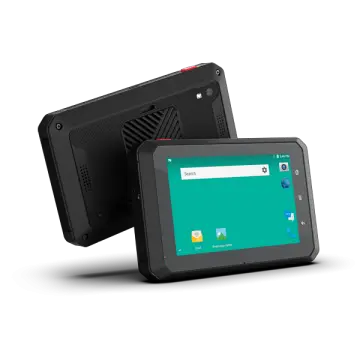 VT-5A
VT-5A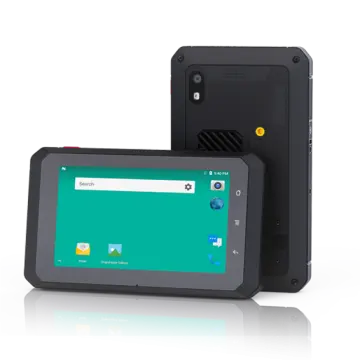 VT-5
VT-5 VT-BOX
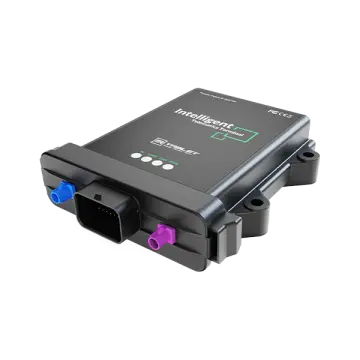 VT-BOX-II
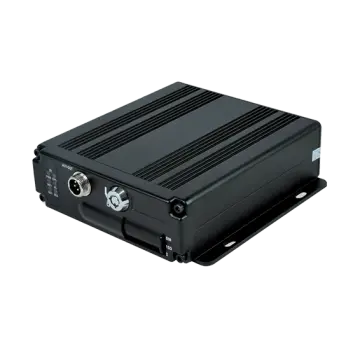 AI-MDVR040
 AT-B2
AT-B2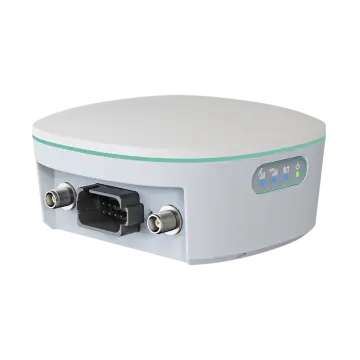 AT-R2
AT-R2