Top Rugged Tablets for Durability and Performance in Challenging Environments?
In today's demanding work environments, rugged tablets stand out for their durability and performance. According to a report by VDC Research, the rugged tablet market is expected to grow at a CAGR of 7.9% through 2025. This growth reflects increasing reliance on technology in industries such as construction, logistics, and healthcare, where standard devices fail.
Rugged tablets are designed to withstand extreme conditions, including temperature fluctuations and moisture exposure. A study by ABI Research found that nearly 50% of field workers experience device failure due to harsh environments. This highlights the necessity for solutions that are built to endure. Industries are paying attention to how these devices can enhance productivity while minimizing downtime.
However, it's essential to choose the right rugged tablet. Many options flood the market, but not all match durability with performance. Decision-makers must evaluate specifications carefully. Some products may not perform as advertised under real-world conditions. Balancing cost and reliability becomes critical. Exploring user experiences and technical reviews can provide insights, helping businesses make informed choices.
Top Rugged Tablets: An Overview of Key Features and Specifications
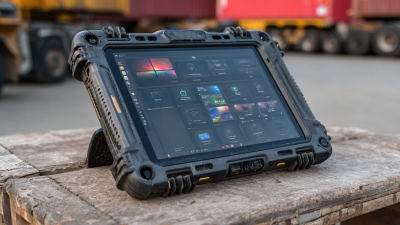
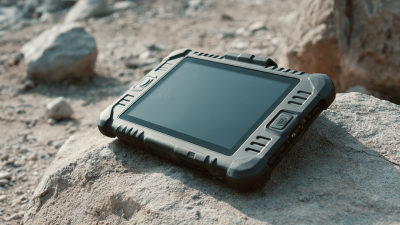
When it comes to rugged tablets, durability and performance are crucial. Key specifications often include reinforced screens, water resistance, and a sturdy build. These features are vital for fieldwork in extreme conditions. A reliable rugged tablet should withstand drops, vibrations, and temperature fluctuations.
Battery life is another essential aspect. Many rugged tablets offer extended usage time, ensuring you stay connected during long workdays. Look for models with quick charging capabilities, allowing you to recharge during brief breaks. Additionally, consider tablets with optional accessories, like styluses and keyboard attachments. These can enhance productivity in various environments.
**Tip:** Always check the IP rating of a rugged tablet. An IP68 rating ensures it can handle dust and water exposure.
Weight can also be a factor. Some tablets are heavier, which may hinder mobility. Finding a balance between durability and lightweight design can be challenging.
**Tip:** Test the tablet in real-life scenarios. Using it in the intended environment can reveal potential issues.
Ultimately, selecting the right rugged tablet requires careful consideration of your specific needs. Prioritizing the essential features will lead you to the best option for your work.
Top Rugged Tablets for Durability and Performance in Challenging Environments
| Model |
Display Size |
Processor |
Battery Life |
Operating System |
Weight |
| Rugged Tablet A |
10.1 inches |
Quad-Core 2.0 GHz |
15 hours |
Windows 10 |
2.5 lbs |
| Rugged Tablet B |
8.0 inches |
Hexa-Core 1.8 GHz |
12 hours |
Android 11 |
1.8 lbs |
| Rugged Tablet C |
11.6 inches |
Octa-Core 2.4 GHz |
20 hours |
Windows 10 |
3.0 lbs |
| Rugged Tablet D |
12.5 inches |
Dual-Core 1.6 GHz |
10 hours |
Linux |
2.9 lbs |
| Rugged Tablet E |
10.5 inches |
Quad-Core 1.5 GHz |
18 hours |
Android 10 |
2.2 lbs |
Durability Standards: Understanding IP Ratings and MIL-STD-810G Compliance
Durability in tablets is crucial for challenging environments. Understanding durability standards is vital. Two key benchmarks are IP ratings and MIL-STD-810G compliance. IP ratings measure resistance to water and dust. For example, a tablet with an IP68 rating can withstand full immersion in water. This feature is essential for outdoor workers facing wet conditions.
MIL-STD-810G compliance involves rigorous testing. It evaluates a device's ability to survive drops, extreme temperatures, and vibrations. A tablet meets this standard if it passes various durability tests. Yet, achieving such standards doesn't guarantee perfect performance in all scenarios. Some rugged devices may excel in drop tests but fail in extreme heat.
Choosing the right rugged tablet requires careful consideration. Look for devices with high IP ratings and MIL-STD-810G compliance. However, users should also test these products in their unique environments. Each workplace has specific challenges. Real-world performance may differ from lab tests. It’s essential to remain adaptable and reflect on the strength and weakness of each device.
Performance Metrics: Evaluating Processor, RAM, and Battery Life in Rugged Tablets
When evaluating rugged tablets for challenging environments, performance metrics play a crucial role.
Processor speed directly impacts how quickly tasks are completed. A powerful multi-core processor can handle demanding applications without lagging. In areas with harsh conditions, this capability becomes essential. Users often face situations where efficiency directly affects productivity.
RAM is another significant factor. Tablets with ample RAM can multitask seamlessly. This is vital in field operations where switching between applications happens frequently. Insufficient RAM can lead to frustrating delays. A rugged tablet should ideally offer at least 4GB of RAM for basic tasks, but 8GB is preferable for heavy-duty use.
Battery life cannot be overlooked. In remote settings, access to charging facilities may be limited. Tablets that last a full day without recharging provide reliability. A minimum of 8 hours of battery life is recommended. However, under heavy use, this number may decrease. Users need to consider their energy needs carefully. Balancing power efficiency and performance is not always straightforward, but it is essential for optimal use in challenging environments.
Best Use Cases: Industries Benefiting from Rugged Tablet Technology
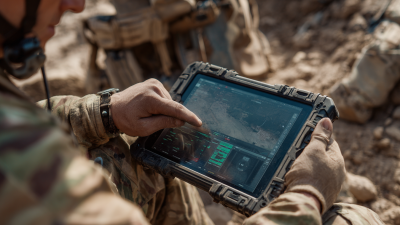
Rugged tablets are transforming various industries by offering solutions tailored for demanding environments. In construction, for instance, workers often face dust, moisture, and extreme temperatures. A rugged tablet can withstand these elements while providing real-time data access. Field personnel can take notes and upload images without worrying about device failure.
In the logistics sector, these tablets streamline operations. They enable workers to track shipments and manage inventory efficiently. Their durability means they can endure harsh warehouse conditions. However, some users experience challenges with connectivity in remote areas. This highlights the need for reliable network solutions alongside durable hardware.
Healthcare professionals benefit as well. Rugged tablets are used to access patient records on the go. In emergency situations, such a device can be a lifesaver. Yet, the weight of some models can be a concern for continuous use. Finding the right balance between durability and portability remains vital.
Market Trends: Analyzing Growth and Adoption of Rugged Tablets in 2023
In 2023, the rugged tablet market is witnessing significant growth. According to recent industry reports, the global rugged tablet market is expected to reach $2.5 billion by 2025, growing at a CAGR of 8.5%. This growth is driven by increasing demand in sectors like construction, manufacturing, and logistics. Companies require dependable devices that withstand harsh environments while maintaining high performance.
Statistics reveal that about 70% of rugged tablet users report improved operational efficiency. In challenging conditions, these devices perform flawlessly under extreme temperatures and harsh impacts. In contrast, mainstream tablets often fail under similar circumstances. An analysis indicates that enterprises are now prioritizing rugged devices to minimize downtime and enhance worker productivity.
Tip: When selecting a rugged tablet, consider battery life and software compatibility. A long-lasting battery is crucial for outdoor use. Additionally, ensure the device supports the applications you need for your specific industry.
Reflecting on the rapid adoption of rugged tablets, there's a noticeable lack of awareness in some sectors about their advantages. Education on the long-term cost savings and durability could accelerate this adoption further. Hence, focusing on better understanding and communication is essential for driving this market forward.

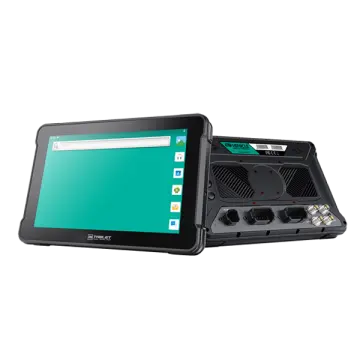 AT-10A
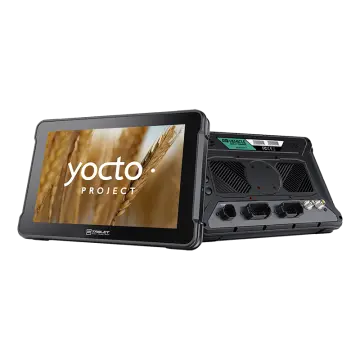 AT-10AL
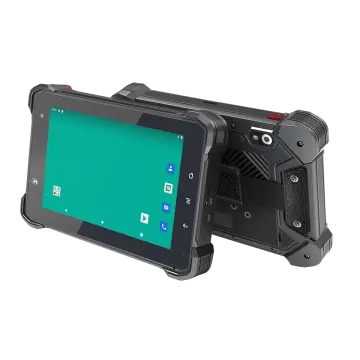 VT-7 GA/GE
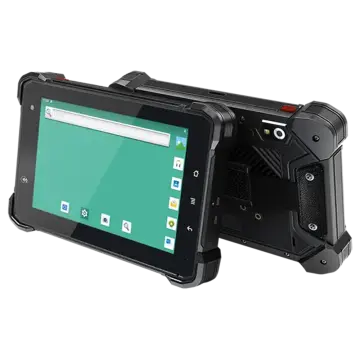 VT-7 Pro
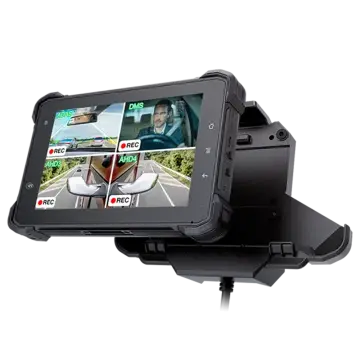 VT-7 PRO (AHD)
 VT-7A
VT-7A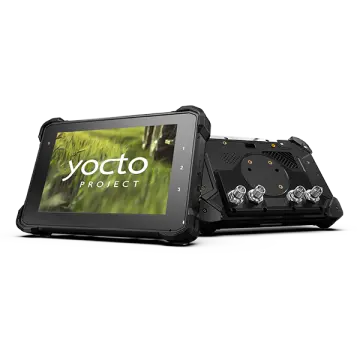 VT-7AL
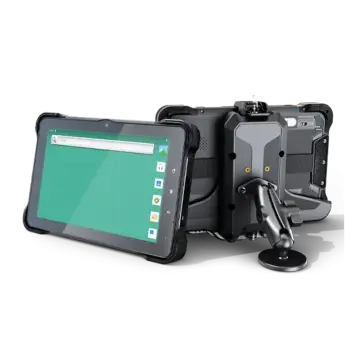 VT-10
VT-10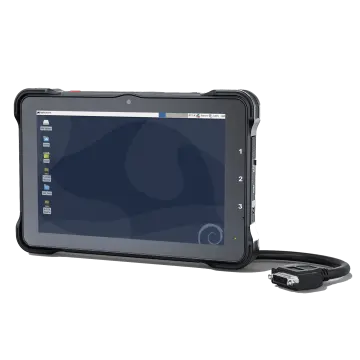 VT-10 IMX
 VT-10 Pro
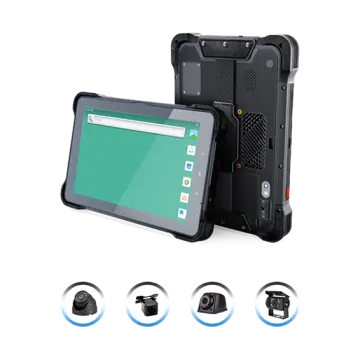 VT-10 Pro AHD
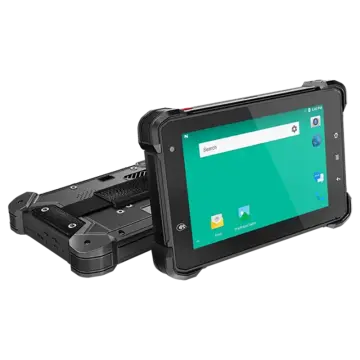 VT-7
VT-7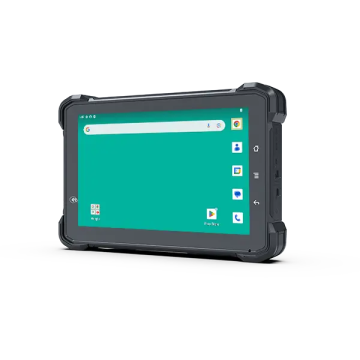 VT-7A PRO
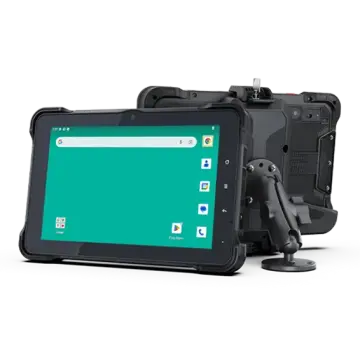 VT-10A Pro
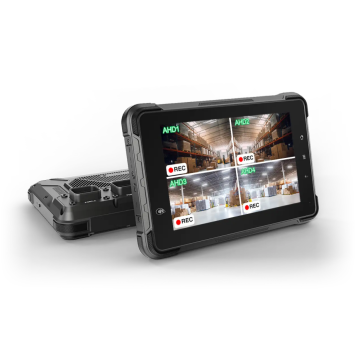 ST-7 Rugged Table
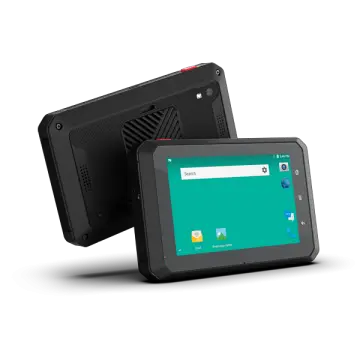 VT-5A
VT-5A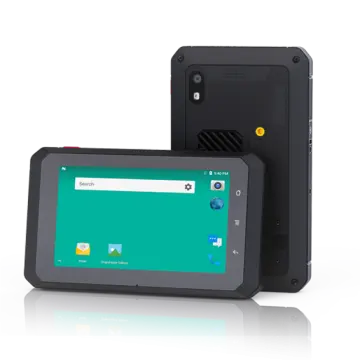 VT-5
VT-5 VT-BOX
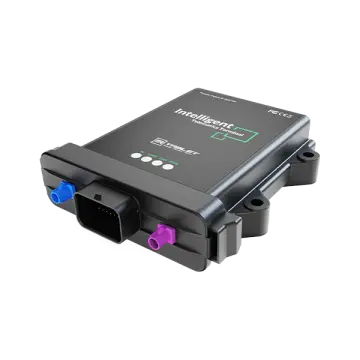 VT-BOX-II
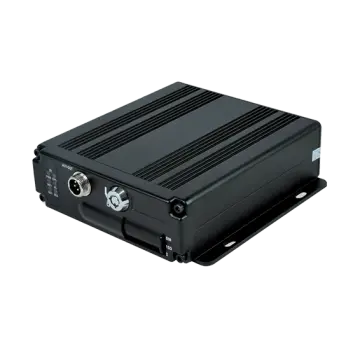 AI-MDVR040
 AT-B2
AT-B2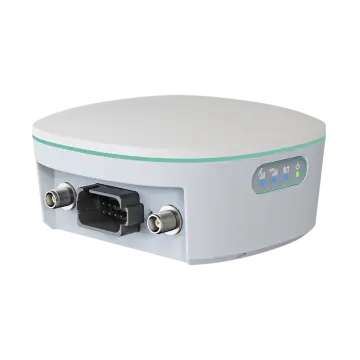 AT-R2
AT-R2