What is a Tablet Android and How Does It Work?
Tablet Android devices have become increasingly popular in recent years. They cater to various needs, from entertainment to productivity. Understanding what a Tablet Android is and how it operates can enhance your tech experience significantly.
These devices run on the Android operating system, which is known for its user-friendly interface. A Tablet Android typically features a touchscreen display, enabling intuitive navigation. Users can download a wide range of applications from the Google Play Store. This versatility makes Tablet Android suitable for different activities, such as streaming videos, browsing the web, or even remote learning.
However, not all Tablet Android devices are created equal. Variations in specifications can lead to different performance levels. Moreover, user experience may vary based on factors like software updates and app compatibility. It's essential to evaluate your needs and research the options available. Recognizing these aspects ensures that your choice aligns with your personal or professional requirements.
What Defines a Tablet Android in Today's Technology Landscape
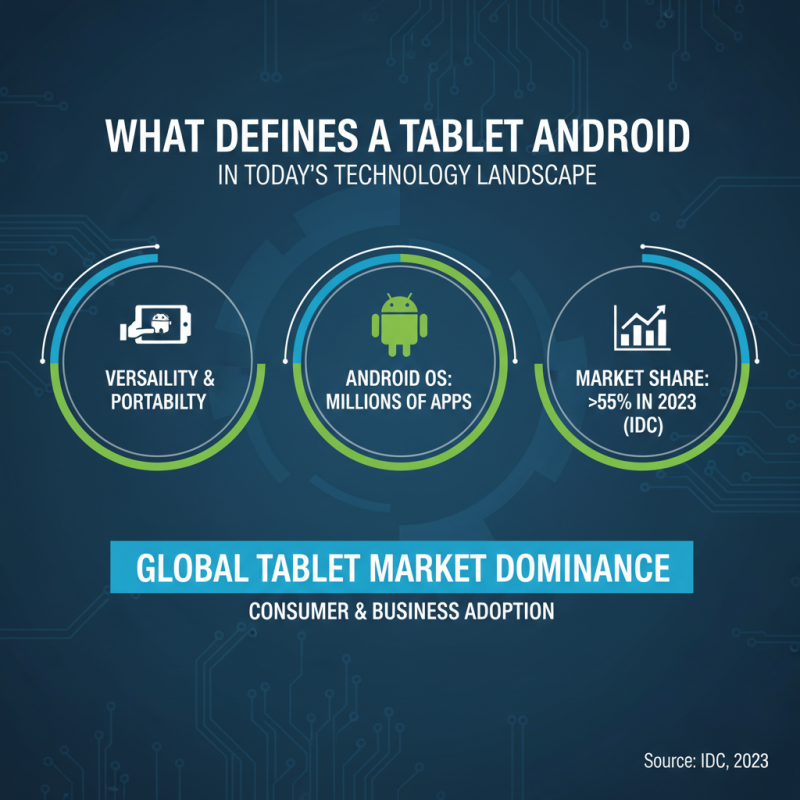
In today's technology landscape, a Tablet Android stands out due to its versatility and portability. These devices typically run on the Android operating system, giving users access to millions of applications. According to a recent market research report from IDC, Android tablets held over 55% of the global tablet market share in 2023. This significant number highlights their appeal and widespread usage among consumers and businesses alike.
The defining features of a Tablet Android include touch-based interfaces, diverse screen sizes, and connectivity options like Wi-Fi and cellular. They serve multiple functions, from productivity tools to entertainment devices. Users can browse the internet, stream videos, or run productivity apps with ease. Yet, despite their numerous advantages, limitations remain. Battery life often falls short for heavy users. Certain applications may not optimize well for tablet screens, which can hinder the user experience.
**Tips:** Consider your primary use for a Tablet Android. If mobile gaming or video conferencing is essential, ensure you choose a model with a strong processor and ample RAM. Regularly check for software updates to enhance performance and security. Don’t overlook accessory options like styluses or keyboards, which can improve your device's functionality.
Key Features and Specifications of Android Tablets
Android tablets embody flexibility and functionality. They come equipped with various features that enhance usability. Most models have touch screens ranging from 7 to 12 inches. A high-resolution display can greatly improve your viewing experience. This can be advantageous for reading, gaming, or streaming videos.
Performance is another key aspect. Android tablets typically use multi-core processors, ensuring smooth multitasking. Many run on Android's latest operating system, which offers a user-friendly interface. Apps can be downloaded easily from various sources, including official stores and third-party platforms.
**Tip:** Always check for software updates. They can improve performance and security.
Storage varies widely, with options from 16GB to 512GB. Consider how much space you need for apps, documents, and media. External storage options, such as microSD cards, can boost capacity as well.
**Tip:** Think about your needs. A larger screen can enhance productivity, but it might be less portable. Evaluate your usage patterns to find the right fit.
Battery life is crucial for on-the-go use. Many Android tablets offer between 8 to 15 hours, depending on usage. While this is generally reliable, factors like screen brightness and app usage can affect it.
The Operating System: How Android Drives Tablet Functionality
The Android operating system is vital for tablet functionality. It provides a user-friendly interface that simplifies navigation. Users can easily swipe between apps, adjust settings, and customize their experience. Many tablets offer a variety of Android versions. Features may vary based on the version running on the device.
Applications play a crucial role in Android tablets. They can improve productivity, entertainment, and education. For example, users can download apps for note-taking, handling documents, or streaming media. The Google Play Store hosts thousands of apps, but not all are reliable. Users must be cautious when choosing apps.
Battery life is another essential aspect. Some users experience quick battery drain. This can frustrate those who rely on their tablets for daily tasks. However, settings adjustments can help manage power consumption. Performance sometimes lags, particularly with older devices or apps. Regular updates may address some of these issues, but not all problems resolve with updates.
Tablet Android Functionality Overview
Market Trends: Sales Data and Consumer Preferences for Android Tablets
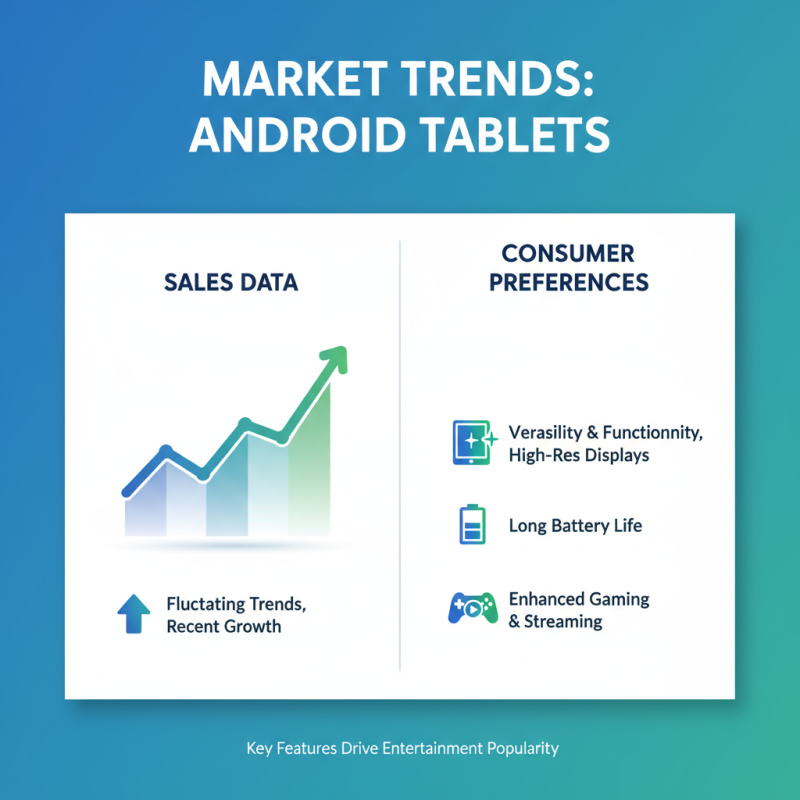
The market for Android tablets has seen fluctuating trends over the years. Consumers increasingly prefer devices that offer versatility and functionality. High-resolution displays and long battery life are often at the top of user wish lists. These features enhance the gaming and streaming experiences, making Android tablets popular for entertainment.
Recent sales data reveals a growing demand for mid-range tablets. These devices offer solid performance without the premium price tag. However, not all manufacturers have met consumer expectations. Some models lack essential features that users desire, leading to dissatisfaction. Customers often report frustration with performance slowdowns over time, which impacts their overall experience.
In terms of user demographics, younger audiences tend to embrace Android tablets for educational purposes. They favor models with easy accessibility to apps. Older users may lean towards devices for browsing and reading. The diversity in consumer preferences highlights the need for tablet developers to refine their offerings. Addressing these nuances can significantly improve user satisfaction in a competitive market.
Comparing Android Tablets: Performance Metrics and User Experiences
The Android tablet market has seen significant growth, reflecting diverse user needs and preferences. According to research conducted by Statista, over 200 million Android tablets were sold globally in 2022. This statistic indicates a strong demand for devices that offer flexibility for both work and leisure.
When comparing Android tablets, performance is paramount. Benchmarks like Geekbench provide clear insights into processor efficiency and multitasking capabilities. For instance, many tablets score over 3000 in multi-core performance, making them suitable for demanding tasks. However, not every tablet meets these performance standards. Some models struggle with high-definition video playback or run apps inconsistently, highlighting the variance in the market.
User experiences also vary dramatically. Reports show that 70% of users prioritize battery life over other features. While some tablets offer more than 12 hours of usage, others may deplete within a few hours. Frustratingly, many consumers find themselves disappointed when initial expectations aren't met. This gap between specifications and real-world use signifies a need for better transparency in product marketing.

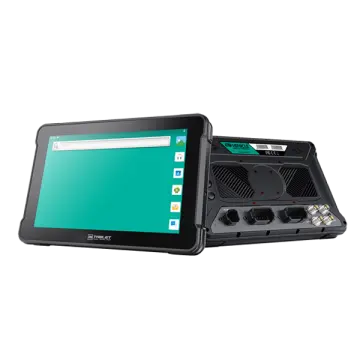 AT-10A
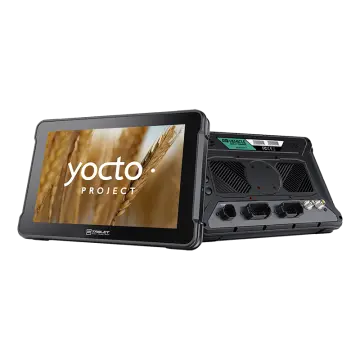 AT-10AL
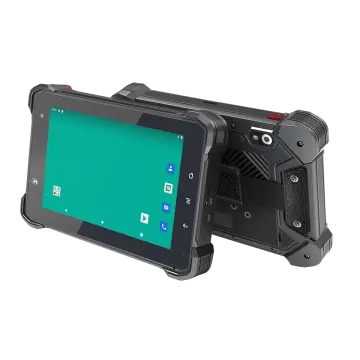 VT-7 GA/GE
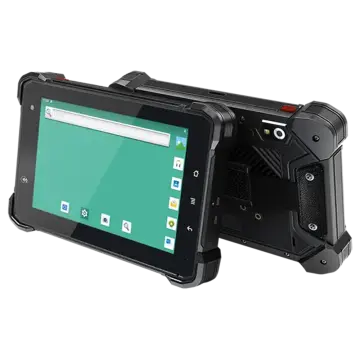 VT-7 Pro
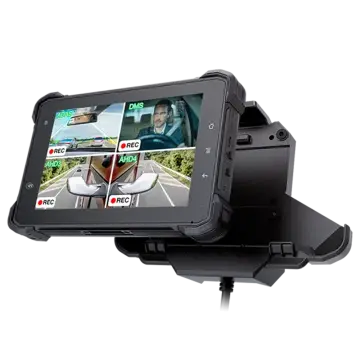 VT-7 PRO (AHD)
 VT-7A
VT-7A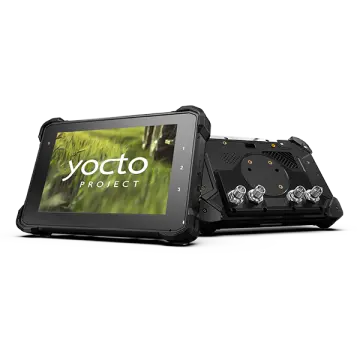 VT-7AL
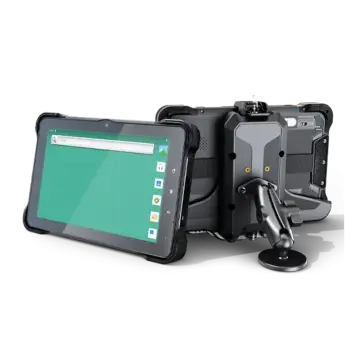 VT-10
VT-10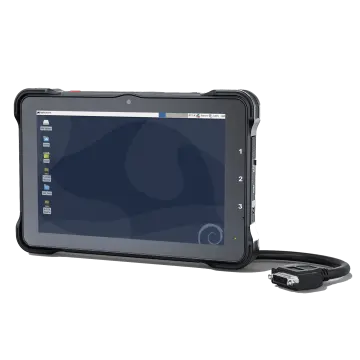 VT-10 IMX
 VT-10 Pro
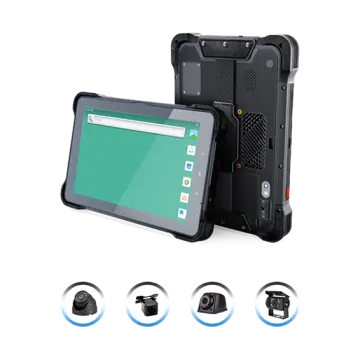 VT-10 Pro AHD
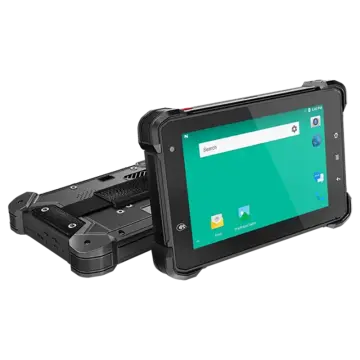 VT-7
VT-7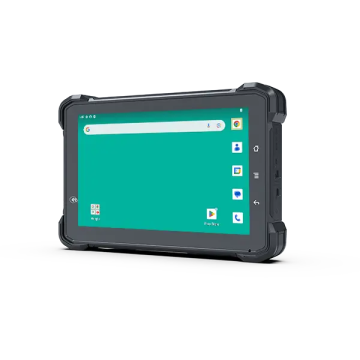 VT-7A PRO
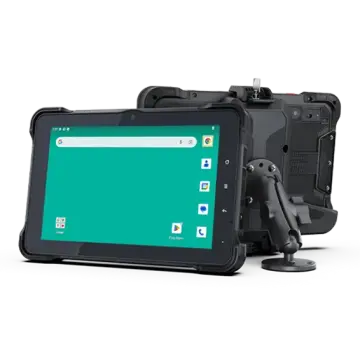 VT-10A Pro
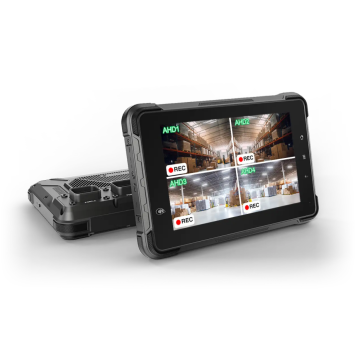 ST-7 Rugged Table
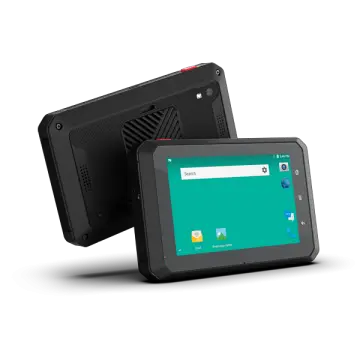 VT-5A
VT-5A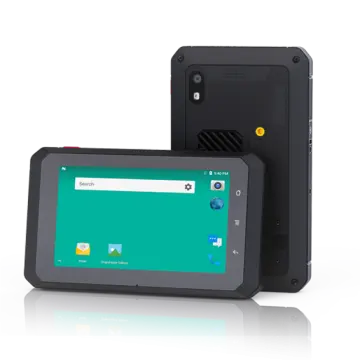 VT-5
VT-5 VT-BOX
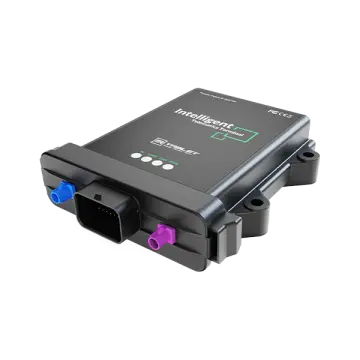 VT-BOX-II
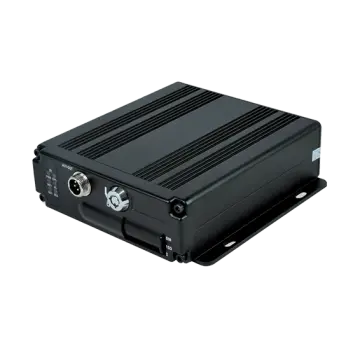 AI-MDVR040
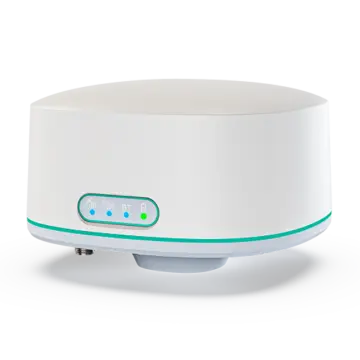 AT-B2
AT-B2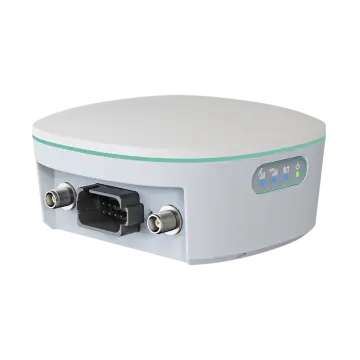 AT-R2
AT-R2