What is Tablet Industrial Android? Features, Benefits, and Use Cases Explained
Tablet Industrial Android systems have emerged as a transformative force in various sectors, blending the versatility of Android technology with the durability and specific functionalities required in industrial environments. According to a report by MarketsandMarkets, the global industrial tablet market is projected to reach $1.33 billion by 2025, underscoring the growing demand for robust, mobile computing solutions that enhance operational efficiency. This trend is largely driven by the ongoing digital transformation across industries, where seamless communication and real-time data access are paramount.
"Tablet Industrial Android solutions are redefining how businesses operate by integrating advanced technology into daily workflows," states Dr. Emily Chen, a leading analyst at TechInsight Group. Her insights highlight the unique attributes of Tablet Industrial Android devices, which are designed to withstand challenging conditions while offering features such as enhanced connectivity, customizable applications, and user-friendly interfaces. The ability to deploy these tablets in various scenarios—from manufacturing floors to field service—makes them indispensable tools in the modern industrial landscape. As organizations continue to seek innovative ways to streamline processes and enhance productivity, the Tablet Industrial Android segment stands poised for significant growth and adoption.
Definition and Overview of Tablet Industrial Android
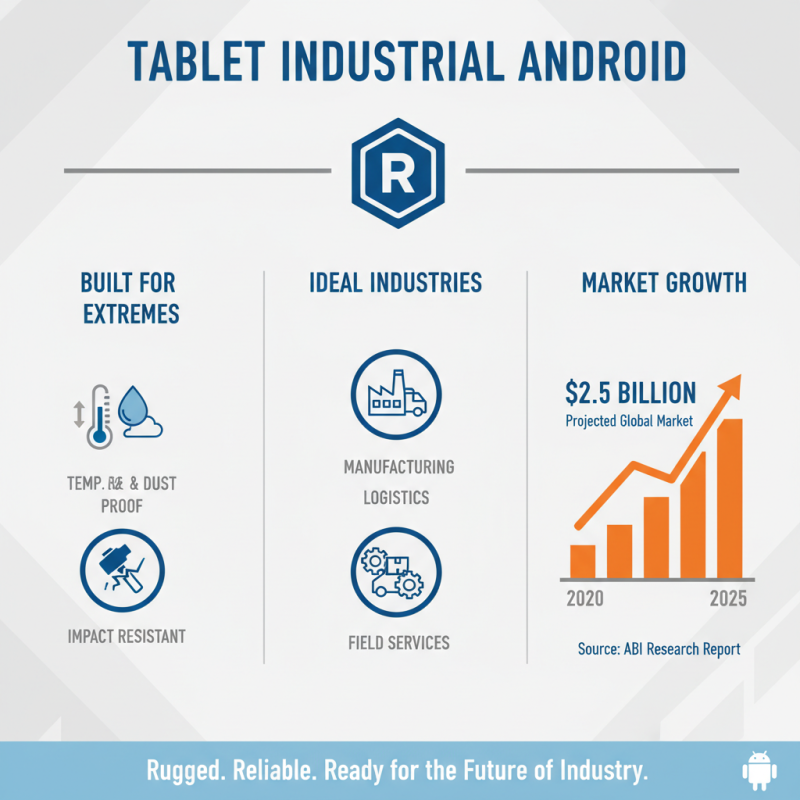
Tablet Industrial Android refers to rugged tablets operating on the Android platform, specifically designed to handle the demanding conditions of industrial environments. These devices are engineered to withstand harsh conditions such as extreme temperatures, moisture, dust, and physical impacts, making them ideal for sectors like manufacturing, logistics, and field services. According to a report by ABI Research, the global market for rugged tablets is projected to reach $2.5 billion by 2025, reflecting a growing dependence on mobile technology in industrial applications.
The key features of Tablet Industrial Android include enhanced durability, long battery life, and customizable software capabilities tailored to specific industry needs. These tablets often come equipped with specialized accessories such as barcode scanners, RFID readers, and extended connectivity options, providing businesses with versatile tools to streamline operations. A study from VDC Research highlights that organizations utilizing rugged tablets experience a 20% increase in operational efficiency, underscoring the significant benefits these devices offer in real-world applications. Consequently, the integration of Tablet Industrial Android in various sectors not only enhances productivity but also contributes to safer and more efficient work environments.
Key Features of Industrial Android Tablets
Tablet industrial Android devices are transforming various sectors with their robust features tailored for demanding environments. One of the standout characteristics of these devices is their durability. According to a report from VDC Research, industrial tablets can withstand extreme temperatures, vibrations, and accidental drops, making them ideal for use in manufacturing and logistics settings. Many models are built to meet MIL-STD-810G standards, ensuring they can operate in rugged conditions without compromising performance.
Another key feature is their customizable interfaces and applications. Industrial Android tablets allow businesses to tailor software solutions that streamline operations. According to a study by Technavio, the adoption of IoT-enabled devices in industrial settings is projected to grow by over 25% annually through 2025. This trend highlights the growing need for devices that can integrate seamlessly with existing infrastructure. Additionally, the ability to use Android’s extensive ecosystem of applications enhances productivity by providing specialized tools that cater to unique operational needs, from inventory management to real-time data analysis.
Key Features of Industrial Android Tablets
Benefits of Using Tablet Industrial Android in Business
The advantages of using Tablet Industrial Android in business contexts are increasingly being recognized as enterprises seek devices that cater to their specific needs. With the rugged tablet market expected to see significant growth, projected to increase from $7 billion in 2020 to an estimated $20 billion by 2032, the demand for durable devices capable of enduring harsh environments is on the rise. These tablets often feature Android operating systems, appealing to businesses that require user-friendly interfaces combined with robust functionalities.
Moreover, the versatility of Tablet Industrial Android allows for seamless integration with various business applications, making them suitable for fieldwork, logistics, and other mission-critical operations. Companies can leverage these devices to enhance productivity, as evidenced by a reported 42.8% year-over-year growth in the Indian tablet market in 2024. This growth indicates that as traditional computing costs rise, organizations are increasingly turning to tablets for their portability and efficiency, which can ultimately streamline workflows and reduce operational costs.
What is Tablet Industrial Android? Features, Benefits, and Use Cases Explained
| Feature |
Description |
Benefits |
Use Cases |
| Rugged Design |
Built to withstand harsh environments and physical impacts. |
Increased durability and reduced downtime from damage. |
Manufacturing, construction, outdoor field work. |
| Customizable OS |
Android OS can be tailored to unique business needs. |
Enhanced functionality and user experience. |
Logistics, inventory management, point of sale. |
| Long Battery Life |
Designed for prolonged usage without frequent charging. |
Increased productivity and reduced interruptions. |
Field services, remote work, warehousing. |
| Advanced Connectivity |
Includes Wi-Fi, Bluetooth, and cellular options. |
Seamless data transfer and communication. |
Healthcare, transportation, and logistics. |
| Integration with Industry Applications |
Supports various industry-specific software and apps. |
Streamlined operations and improved efficiency. |
Retail, asset tracking, supply chain management. |
Common Use Cases for Industrial Android Tablets
Industrial Android tablets are revolutionizing various sectors by offering robust solutions tailored for specific use cases. For instance, in manufacturing environments, these tablets can withstand challenging conditions while providing real-time data analytics. According to a report by MarketsandMarkets, the industrial tablet market is expected to grow from $1.5 billion in 2020 to $3.0 billion by 2025, underscoring their increasing adoption across industries.
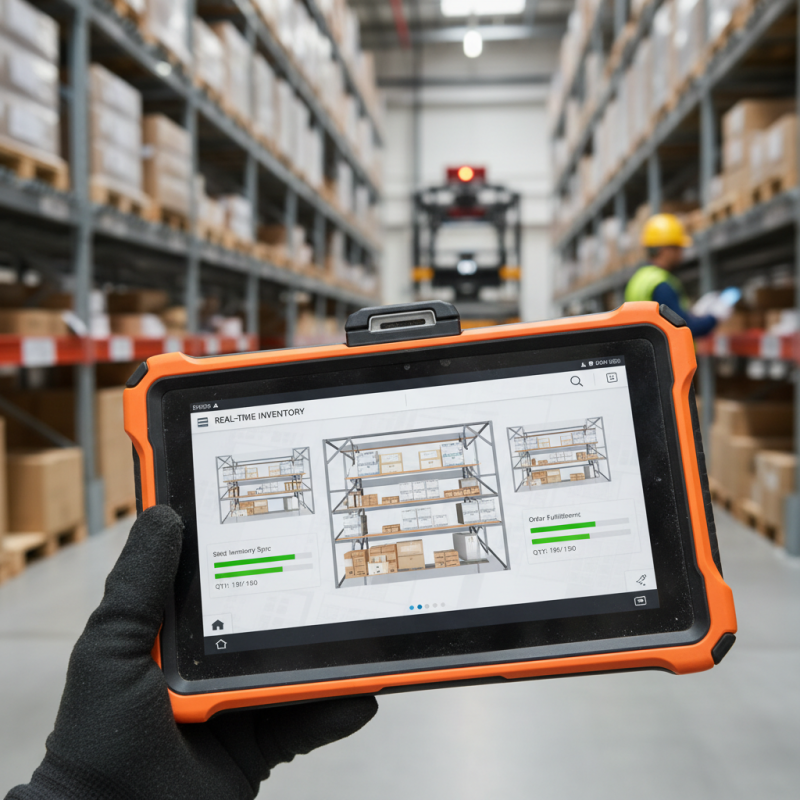
In logistics and warehousing, Industrial Android tablets streamline operations through inventory management applications that enhance efficiency and accuracy. With features like barcode scanning and GPS tracking, these devices enable workers to manage shipments in real time. Research from ABI Research indicates that the supply chain sector is increasingly relying on mobile computing solutions, projecting a significant rise in the use of industrial tablets over the coming years.
**Tips:** When selecting an industrial Android tablet, consider the specific needs of your business, including durability ratings and battery life. Additionally, ensure that the device supports the necessary applications to enhance your operational workflows. For businesses in field service, opting for tablets with rugged designs and long-range connectivity can greatly improve productivity, as highlighted in various industry reports.
Future Trends in Tablet Industrial Android Technology
The future of Tablet Industrial Android technology is poised to embrace significant trends that enhance efficiency in various sectors, particularly in warehouse management. With the increasing drive towards digitization, industries are adopting rugged tablets that can withstand harsh environments while delivering robust performance. These devices allow for real-time data exchange, inventory management, and streamlined operations, which are essential in meeting the demands of modern supply chains. The focus on portability and durability makes these tablets an asset for field operations, encouraging a shift from traditional methods to innovative technological solutions.
Additionally, the growing trend of integrating advanced features such as IoT connectivity and artificial intelligence into Tablet Industrial Android devices is transforming the landscape. Companies are harnessing data analytics to optimize warehouse processes, forecast demands, and improve inventory tracking. As more startups emerge in this field, providing tailored solutions for different industries, businesses can expect to see enhanced productivity, reduced operational costs, and improved accuracy in their workflows. The convergence of these trends signifies a crucial evolution in how industries will manage resources and operations in the near future.

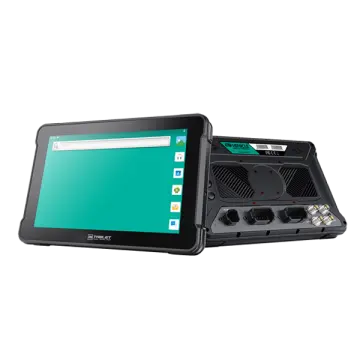 AT-10A
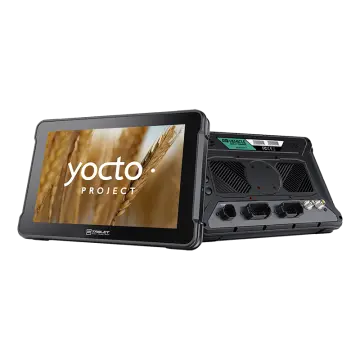 AT-10AL
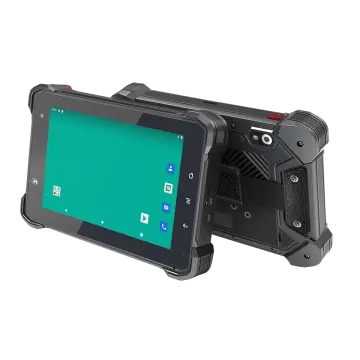 VT-7 GA/GE
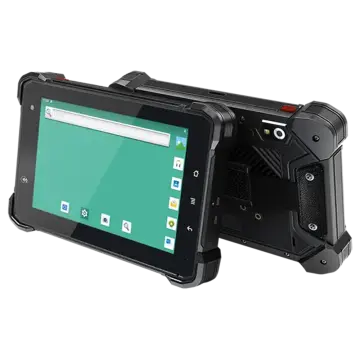 VT-7 Pro
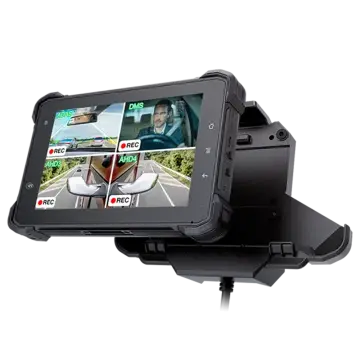 VT-7 PRO (AHD)
 VT-7A
VT-7A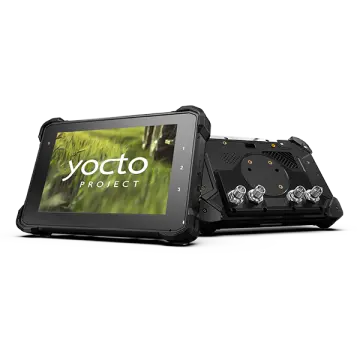 VT-7AL
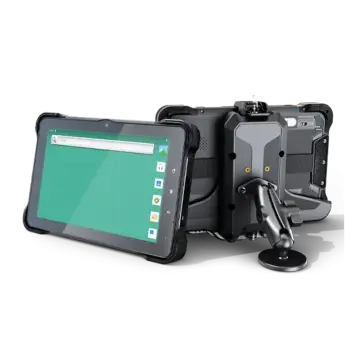 VT-10
VT-10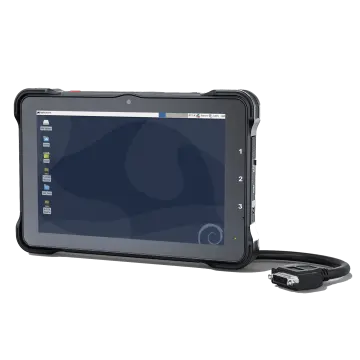 VT-10 IMX
 VT-10 Pro
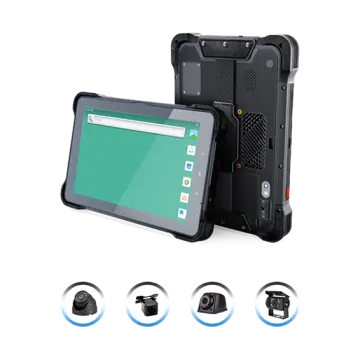 VT-10 Pro AHD
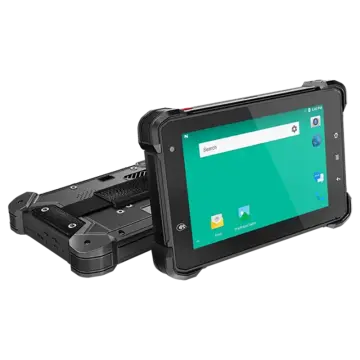 VT-7
VT-7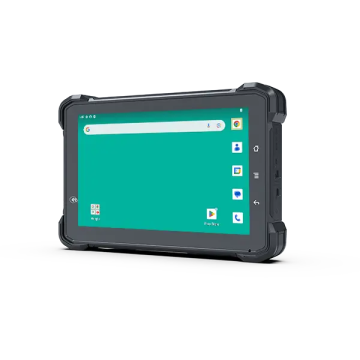 VT-7A PRO
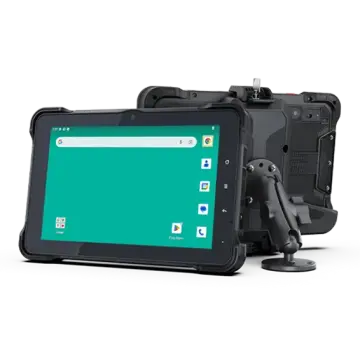 VT-10A Pro
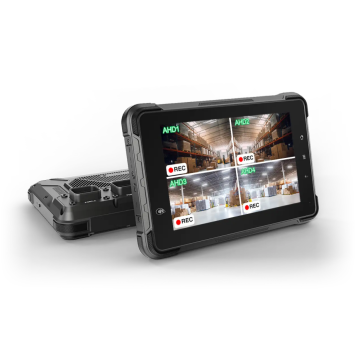 ST-7 Rugged Table
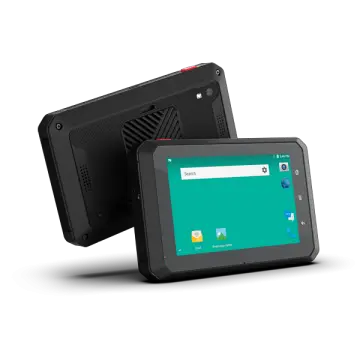 VT-5A
VT-5A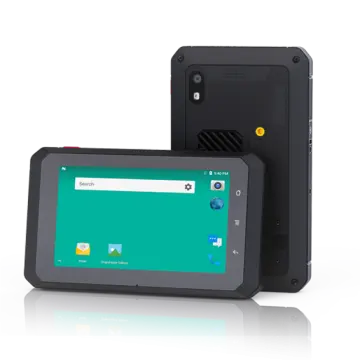 VT-5
VT-5 VT-BOX
 VT-BOX-II
 AI-MDVR040
 AT-B2
AT-B2 AT-R2
AT-R2