Top Features to Look for in an Industrial Android Tablet for Your Business
In today's fast-paced industrial landscape, the integration of technology is imperative for enhancing productivity and efficiency. An expert in the field, Dr. James Sullivan, a leading voice in industrial technology, emphasizes the importance of choosing the right tools for industrial tasks by stating, "An Industrial Android Tablet is not just a device; it's a catalyst for innovation and operational excellence." As businesses seek to streamline processes and improve workflows, the features of an Industrial Android Tablet become crucial to their success.
When selecting an Industrial Android Tablet for your business, there are several key attributes to consider that can directly impact performance and usability. Durability, screen clarity, and connectivity options are critical factors that help ensure these devices can withstand the rigors of demanding work environments while delivering seamless access to data and applications. The right Industrial Android Tablet can transform the way teams operate, enabling real-time communication and decision-making.
Understanding the unique requirements of your industry will allow you to make an informed choice tailored to your specific operational needs. In the following sections, we will delve deeper into the top features to look for in an Industrial Android Tablet that can support and enhance your business objectives.
Key Considerations for Choosing an Industrial Android Tablet
When selecting an industrial Android tablet for your business, several key considerations can help ensure you choose the best device for your needs. First and foremost, durability is essential. Industrial tablets should withstand harsh environments, including extreme temperatures, dust, and moisture. Look for models with IP ratings that indicate their resistance to water and solids, as this will ensure longevity in tough working conditions.
Another important factor is performance. The tablet should come equipped with a powerful processor and sufficient RAM to handle demanding applications and multitasking. A higher-resolution display can also enhance usability, especially in environments where clarity and visibility are crucial. Make sure to evaluate battery life as well, as prolonged usage without frequent recharging can significantly improve productivity in the field.
Tips:
- When evaluating durability, consider tablets with rugged designs and those that meet military standards for durability.
- Prioritize tablets that offer flexible connectivity options, such as Wi-Fi, Bluetooth, and cellular capabilities, to ensure seamless communication.
- Check for compatibility with existing software and systems in your organization to facilitate smoother integration.
Top Features to Look for in an Industrial Android Tablet for Your Business
| Feature |
Description |
Importance |
| Rugged Design |
Built to withstand harsh environments and drops. |
High |
| Battery Life |
Long-lasting battery to support all-day use. |
High |
| Operating System |
Latest version of Android for security and functionality. |
Medium |
| Display Quality |
High-resolution display for clear visibility in various lighting conditions. |
Medium |
| Connectivity Options |
Wi-Fi, Bluetooth, and cellular options for versatile connections. |
High |
| Expandability |
Support for additional storage and peripherals. |
Medium |
| User Interface |
Customizable UI for efficiency in workflows. |
Medium |
| Warranty and Support |
Comprehensive warranty and support options. |
High |
Durability and Build Quality Requirements for Industrial Use
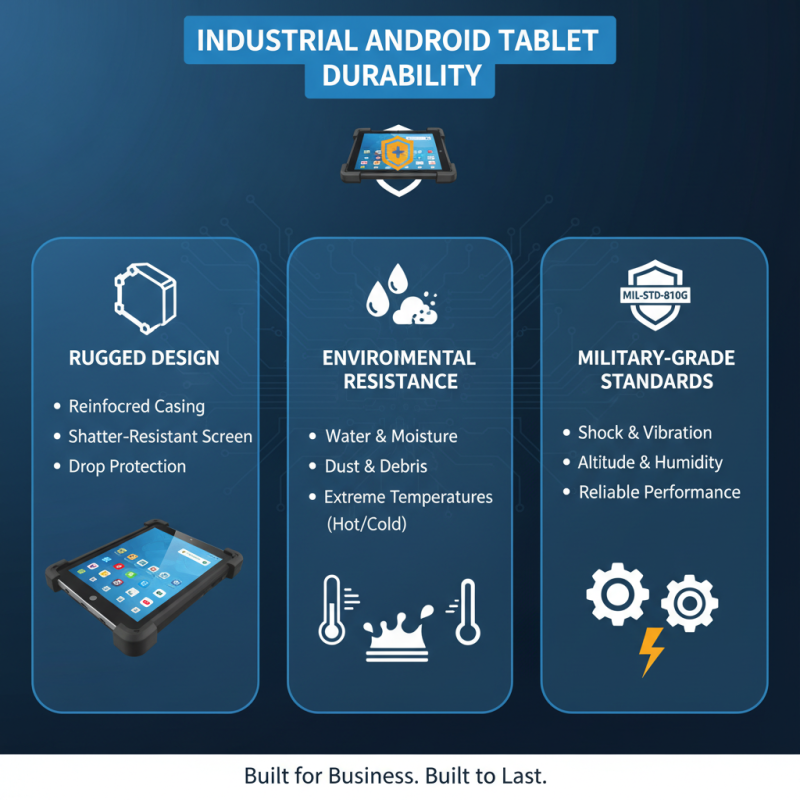
When selecting an industrial Android tablet for business purposes, durability and build quality are paramount. Unlike standard tablets, industrial-grade devices are designed to withstand harsh environments, including extreme temperatures, moisture, dust, and accidental drops. A rugged design, often featuring reinforced casing and shatter-resistant screens, is critical for ensuring the tablet can perform reliably in demanding conditions. Look for tablets that meet specific military-grade standards, such as MIL-STD-810, which evaluate the device’s resilience against shock, vibration, and environmental hazards.
In addition to physical toughness, the materials used in the construction of the tablet play a significant role in its overall durability. Tablets made with high-quality, industrial-grade plastics or metals can offer enhanced protection against corrosion and wear over time. Furthermore, an effective sealing system is essential to prevent ingress of liquids and dust, making the tablet suitable for use in factories, warehouses, and outdoor settings. Features like easy-to-replace screen protectors and modular components can also enhance longevity and reduce maintenance costs, making these devices a smart investment for businesses focused on reliability and performance.
Essential Performance Specifications for Business Operations
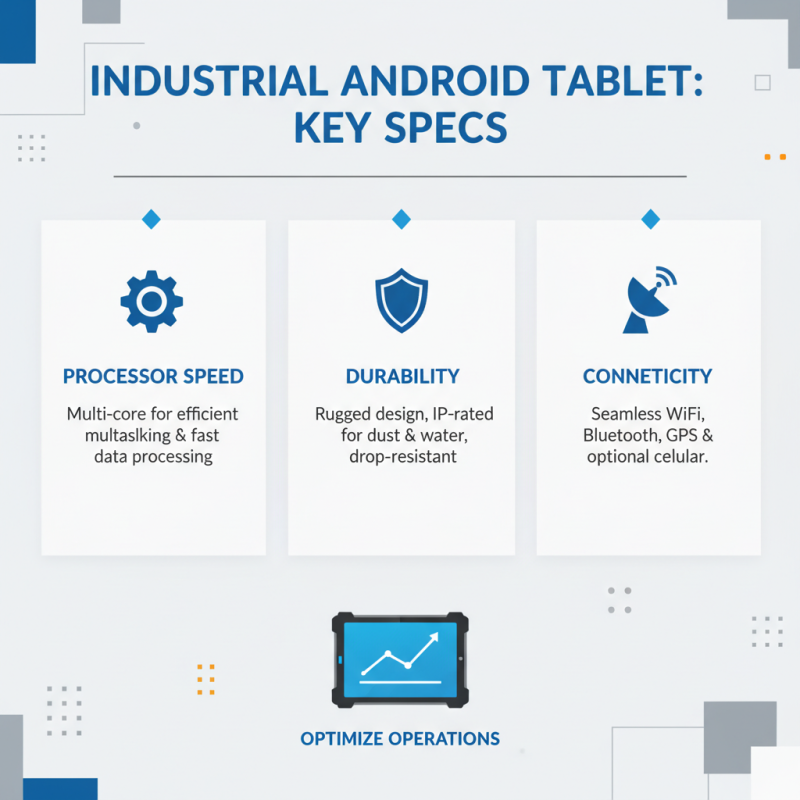
When selecting an industrial Android tablet for your business, it is crucial to focus on essential performance specifications that will ensure efficient operations. One of the primary specifications to consider is the processor speed. A powerful processor allows for smooth multitasking and quick data processing, which is critical in fast-paced industrial environments. Look for tablets equipped with multi-core processors, as they enhance performance, particularly when running multiple applications or handling data-intensive tasks.
In addition to processing power, battery life is another key aspect to evaluate. Industrial settings often require devices that can last through long shifts without needing frequent recharging. A tablet with an extended battery life not only improves productivity but also reduces downtime, allowing employees to maintain their workflow uninterrupted. Furthermore, consider the tablet's durability features, such as resistance to water, dust, and drops, as these factors will determine how well the device withstands challenging conditions often found in industrial workplaces. Ensuring that the tablet meets these performance specifications will lead to better overall functionality and reliability in business operations.
Connectivity Options and Compatibility Features
When choosing an industrial Android tablet for your business, connectivity options and compatibility features are crucial to ensure seamless operations. The ideal tablet should support various connectivity methods, including Wi-Fi, Bluetooth, and cellular data. This versatility allows employees to access critical information and communicate in real-time, even in remote locations or during mobile operations. A tablet with robust connectivity options will enable your workforce to remain productive, regardless of their environment.
In addition to connectivity, compatibility with existing systems and software is essential. An industrial tablet should easily integrate with your current infrastructure, including enterprise resource planning (ERP) systems, customer relationship management (CRM) tools, and other essential applications. This compatibility ensures that your team can quickly adopt the new device without disrupting workflows. Furthermore, the tablet should support peripheral devices such as scanners, printers, and barcode readers, as these are often vital in industrial settings. Investing in a tablet that excels in both connectivity and compatibility will empower your business to operate more efficiently and effectively.
Connectivity Options in Industrial Android Tablets
User Interface and Software Customization Capabilities
When selecting an industrial Android tablet for your business, the user interface (UI) and software customization capabilities play critical roles in ensuring operational efficiency. A well-designed UI can significantly enhance usability and reduce training time for employees. Look for tablets that offer intuitive navigation and customizable layouts, allowing workers to tailor the interface to their specific tasks. This adaptability can lead to increased productivity, as users can more easily access the applications and tools they rely on most.
For optimal software customization, choose a tablet that supports diverse applications and allows for easy integration with existing systems. This capability enables businesses to create targeted solutions that cater to their unique workflow requirements. Additionally, consider whether the tablet allows for custom app development or adjustment of settings to better suit your operational needs. The flexibility to modify software settings can help in streamlining processes and improving overall workplace efficiency.
**Tips**: Investing in a tablet with a robust development platform can make a difference in how you can leverage software. Make sure to assess the level of technical support available for custom solutions to ensure you receive assistance when required. Additionally, investigating user feedback on UI experiences can provide valuable insights into how others are adapting their processes with the technology.

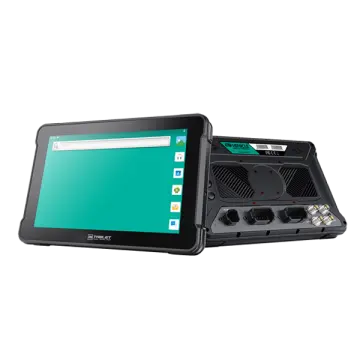 AT-10A
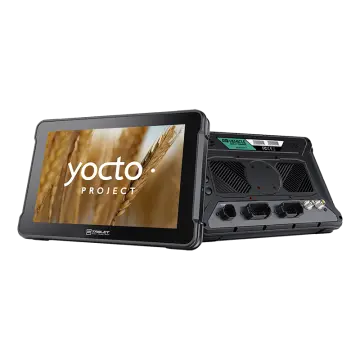 AT-10AL
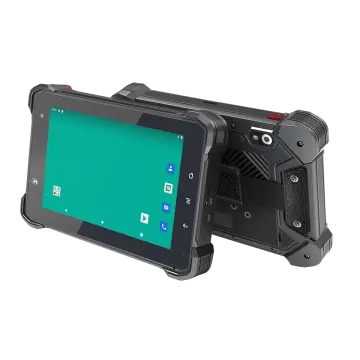 VT-7 GA/GE
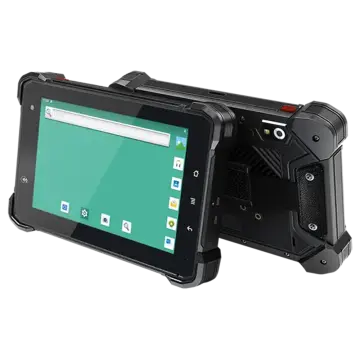 VT-7 Pro
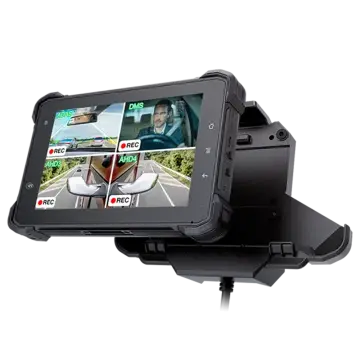 VT-7 PRO (AHD)
 VT-7A
VT-7A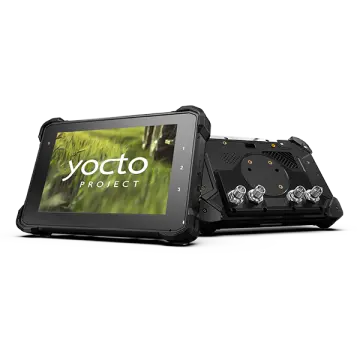 VT-7AL
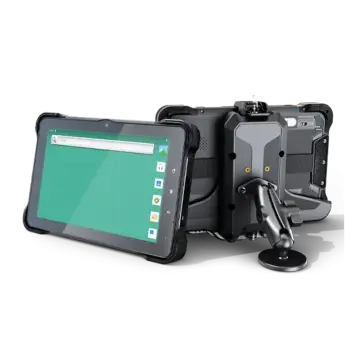 VT-10
VT-10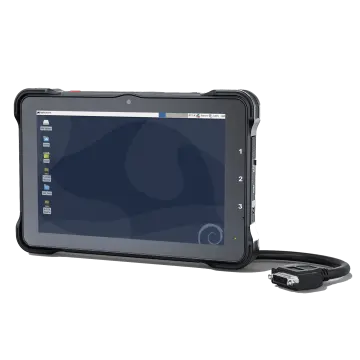 VT-10 IMX
 VT-10 Pro
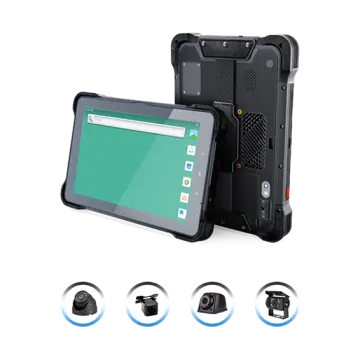 VT-10 Pro AHD
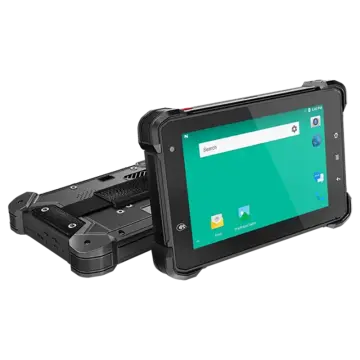 VT-7
VT-7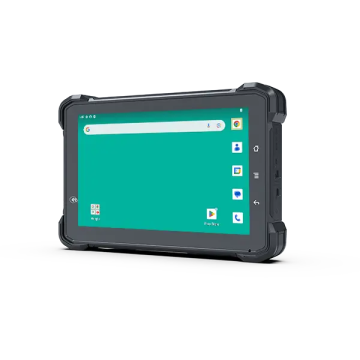 VT-7A PRO
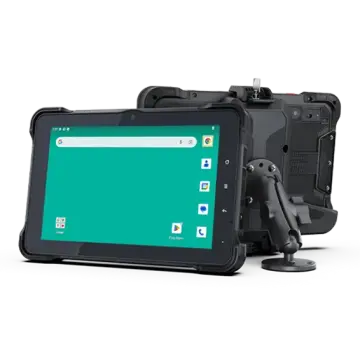 VT-10A Pro
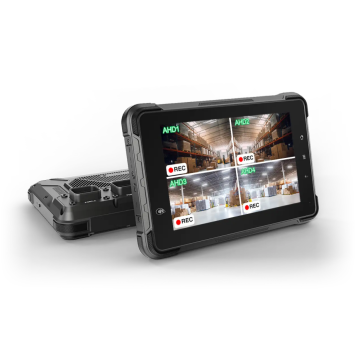 ST-7 Rugged Table
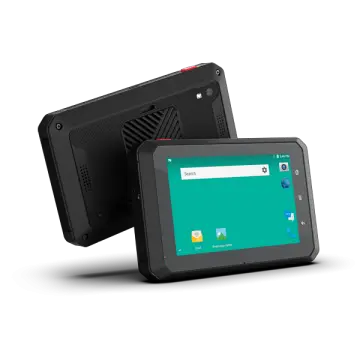 VT-5A
VT-5A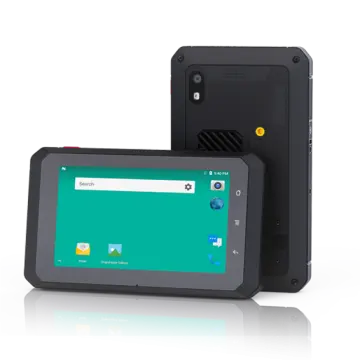 VT-5
VT-5 VT-BOX
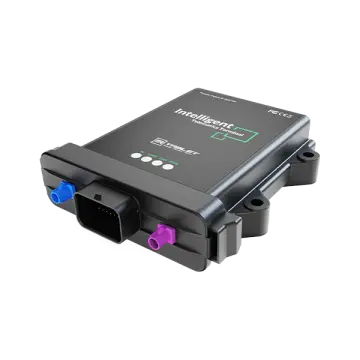 VT-BOX-II
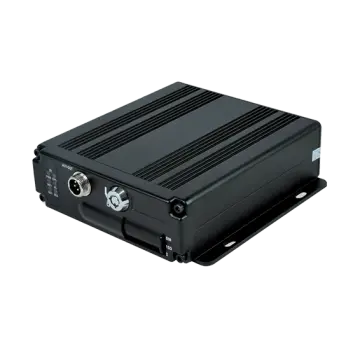 AI-MDVR040
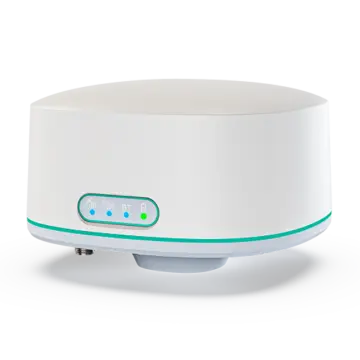 AT-B2
AT-B2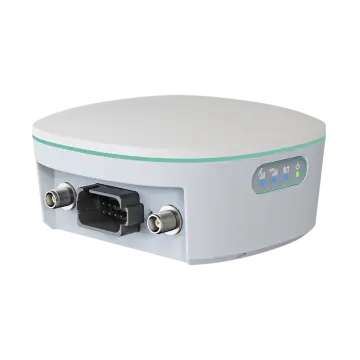 AT-R2
AT-R2