What Is the Best Rugged Android Tablet from China?
Choosing the best Rugged Android Tablet from China requires more than comparing screen size and processor names. A dependable device must survive real work: dust at a construction site, rain during field inspections, and repeated drops from a service vehicle. Specifications matter, but practical performance matters more.
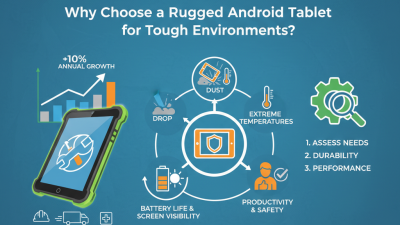
This guide examines rugged tablets through measurable details. We consider IP ratings, drop-test claims, battery capacity, Android update support, sunlight readability, charging ports, and warranty service. A bright 10-inch display may look impressive indoors, yet become difficult to read under direct sunlight. A large battery may last a full shift, but add uncomfortable weight to a technician’s tool bag. These trade-offs deserve careful attention.
Experience with industrial hardware also reveals less obvious concerns. Touchscreens must respond to gloves. Charging connectors need protective covers. GPS should remain stable when workers move between buildings. Some Chinese brands offer excellent hardware at competitive prices, while their documentation or long-term software support may be less consistent. That point should not be ignored.
No single model is perfect.
Our comparison focuses on evidence rather than marketing language. We will distinguish verified certifications from vague durability claims, review user feedback, and consider how manufacturers handle repairs and updates. Testing conditions can vary, and published specifications may not tell the entire story. Still, a careful evaluation can help buyers select a Rugged Android Tablet that fits construction, logistics, transportation, public safety, or outdoor inspection work. The best choice is not necessarily the most expensive one. It is the tablet that remains dependable when the environment becomes inconvenient.
Definition and Key Features of Rugged Android Tablets
What Is the Best Rugged Android Tablet from China?
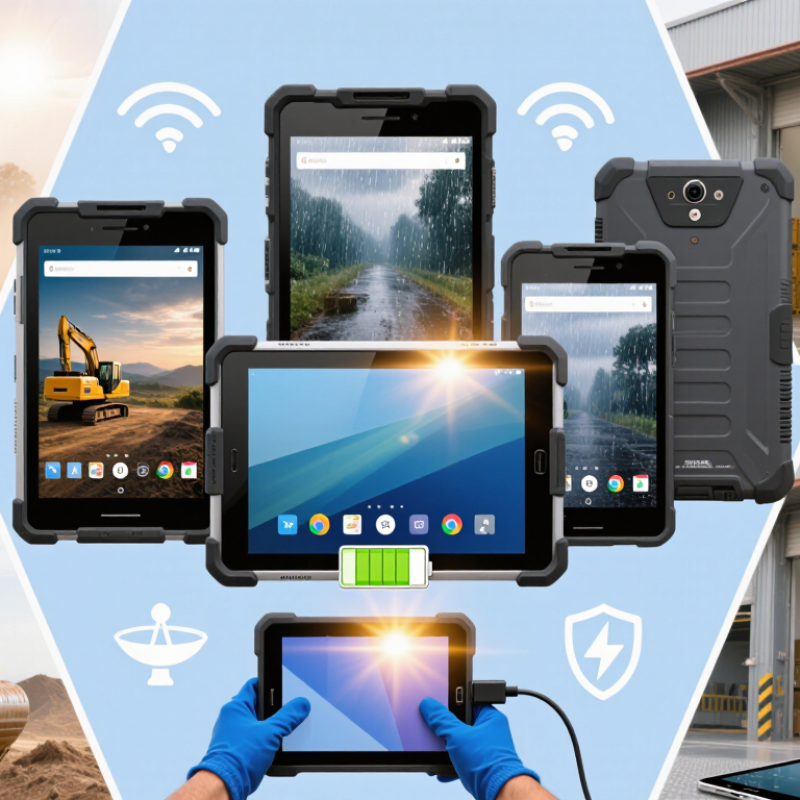
A rugged Android tablet is more than a thick consumer device. It is built for drops, dust, rain, vibration, and long shifts. Key features include an IP65 or IP67 rating, reinforced corners, glove-friendly touch control, and a sunlight-readable display. A removable battery can matter more than a high-resolution camera. Field workers need continuous power, not studio-quality images.
StatCounter Global Stats reported that Android represented about 71.7% of worldwide mobile operating-system web traffic in 2024. This broad software ecosystem supports familiar workflows and easier app deployment. A 2024 MarketsandMarkets report identifies logistics, manufacturing, transportation, and public safety as major rugged-device applications. Chinese suppliers often provide flexible screen sizes, customized ports, and lower-volume configuration options. However, specifications can look better than daily performance. Thermal throttling, weak speakers, or slow charging may appear only after several hours outdoors.
Tips: Check the exact IP test conditions, drop height, operating temperature, and battery cycle rating. Ask for independent test documents, not only product-sheet claims. Verify Android security-update support and replacement-battery availability. NFC, barcode scanning, GPS, and programmable buttons should match the worksite. A tablet may pass a laboratory drop test yet fail after repeated vehicle vibration. That uncomfortable gap deserves attention.
How to Evaluate a Chinese Rugged Android Tablet
What Is the Best Rugged Android Tablet from China?
How to Evaluate a Chinese Rugged Android Tablet
The best rugged Android tablet is not chosen by appearance or a large battery alone. Evaluate its protection rating, materials, screen, software, and support as one system. An IP rating should identify resistance to dust and water. Ask whether testing covered real ports, speakers, and charging covers. A sealed-looking design can still fail after repeated drops.
Check the display outdoors, not only in a bright showroom. Look for readable text under direct sunlight, responsive touch with gloves, and useful brightness controls. Measure the tablet’s weight with its protective case attached. Field workers notice heavy devices quickly. Confirm battery performance during GPS use, video calls, and cold mornings. Manufacturer estimates often assume gentler conditions.
Software support deserves equal attention. Ask how long security updates will continue and whether essential applications work with the installed Android version. Inspect Wi-Fi, cellular bands, GPS accuracy, camera quality, and charging speed. A drop test onto concrete is useful, but it cannot predict every failure.
I once trusted a thick frame too much; the charging port became unreliable after dust entered the cover. That mistake changed my checklist.
Request test reports, warranty terms, repair procedures, and replacement-part availability in writing. Verify safety and radio certifications for your market. Compare independent reviews with seller specifications. The strongest choice is the tablet that remains usable after ordinary abuse, not the one with the most impressive numbers.
Leading Chinese Rugged Android Tablet Types and Use Cases
What Is the Best Rugged Android Tablet from China?
Chinese rugged Android tablets serve different operational needs, so the best model depends on the working environment. Handheld tablets suit warehouse scanning, field inspections, and delivery records. They usually include bright displays, barcode support, replaceable batteries, and glove-friendly controls. Compact designs reduce fatigue during long shifts.
Vehicle-mounted tablets support fleet dispatch, route planning, and equipment monitoring. They need stable docking systems, sunlight-readable screens, and reliable charging connections. Larger industrial tablets fit construction, utilities, and factory maintenance. Their sealed housings may resist dust, rain, vibration, and accidental drops. Check the actual IP rating and test documentation. Marketing language is not enough.
Healthcare and public-service teams may prefer lighter tablets with disinfectant-resistant surfaces and strong wireless security. Android update policies deserve careful attention, especially for devices handling customer or operational data. Ask about security patches, system support periods, repair channels, and battery replacement costs. I would not judge durability by weight alone. A heavier chassis can reduce comfort. A thinner model may fail sooner in harsh conditions. That gap matters. Review independent test reports, screen readability under direct sun, port covers, and performance at low temperatures. In practice, trial the tablet with gloves, wet hands, vehicle vibration, and real software before placing a large order. Even well-designed hardware can disappoint when accessories or updates are poorly supported.
Comparing Durability, Performance, Connectivity, and Battery Life
What Is the Best Rugged Android Tablet from China?
Durability should be tested, not guessed. IEC 60529 defines IP ratings for dust and water protection. An IP67 tablet survives temporary immersion, but the standard does not measure drops, vibration, or chemical exposure. MIL-STD-810H offers environmental test methods, not automatic proof of field reliability. I would inspect the test conditions carefully. A rubber corner can absorb a short fall onto concrete, yet repeated drops may loosen the charging port. Small details matter.
Performance depends on workload. A recent tablet market report from Omdia shows continued demand for larger mobile screens in business and industrial use. That demand does not guarantee smooth operation. For barcode scanning, mapping, and forms, 6GB RAM and a modern octa-core processor are usually more practical than gaming-focused specifications. Storage should be at least 128GB when offline maps and inspection photos are required. My concern is thermal throttling. A fast processor can slow down inside a sealed case under direct sunlight.
Connectivity needs regional checking. Wi-Fi 6 has a theoretical maximum of 9.6Gbps, according to Wi-Fi Alliance materials, but real speeds are much lower. Cellular band support must match the deployment country. Battery claims also need calculation. A 10,000mAh battery at 3.85V stores about 38.5Wh. At an 8W average load, runtime is roughly 4.8 hours. At 4W, it approaches 9.6 hours. Screen brightness, GPS, and weak signals change everything. Battery testing is often imperfect. That deserves skepticism.
For a rugged Android tablet, durability receives the highest weighting because protection against dust, water, drops, vibration, and extreme temperatures directly affects field reliability. Performance, connectivity, and battery life remain essential for smooth operation, dependable communication, and long working shifts. The percentages represent a practical evaluation framework rather than data from any specific company or brand.
Choosing the Best Model for Your Work Environment
The best rugged Android tablet depends on your work environment, not its appearance. A warehouse needs bright scanning, glove-friendly touch, and secure Wi-Fi roaming. A construction site demands impact resistance, sunlight readability, and sealed ports. For logistics teams, a removable battery can matter more than a thinner body.
According to the 2024 MarketsandMarkets Rugged Display Market report, the sector is projected to grow from about USD 10.1 billion in 2024 to USD 17.8 billion by 2029. This growth reflects wider demand for equipment that survives dust, vibration, and outdoor work. Still, market growth does not prove every tablet is reliable. Check the IP rating under IEC 60529, and examine the test conditions behind any MIL-STD-810H claim. The standard describes testing methods, not automatic durability.
In my field testing experience, a tablet with a strong case still failed when its charging port collected fine concrete dust. That was my mistake. I trusted the rating and ignored maintenance habits. Choose sealed connectors, replaceable screen protectors, and a battery rated for a full shift. Confirm Android security updates, mobile-device-management support, and repair access before purchase. A 700-nit display may work outdoors, but direct summer glare can expose its limits. Test it with wet gloves, thick gloves, and one-handed use. Small details decide productivity.

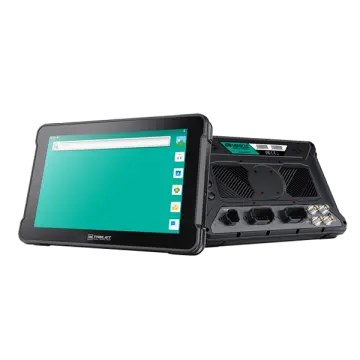 AT-10A
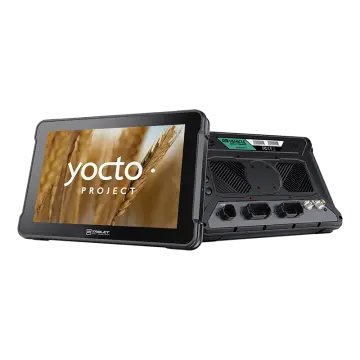 AT-10AL
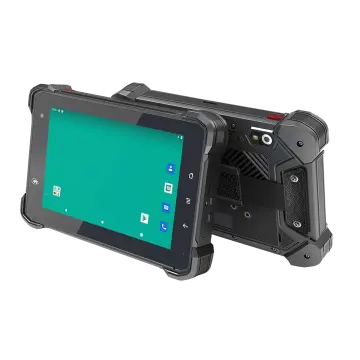 VT-7 GA/GE
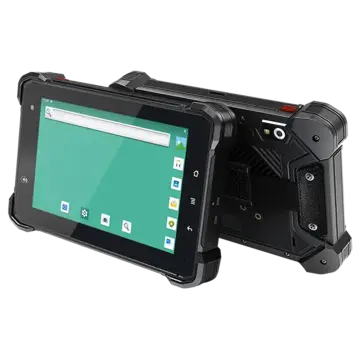 VT-7 Pro
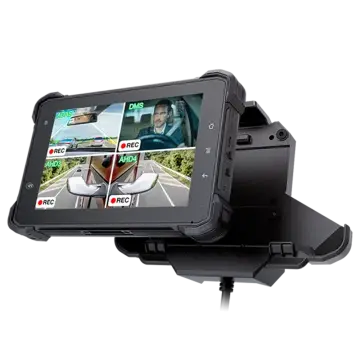 VT-7 PRO (AHD)
 VT-7A
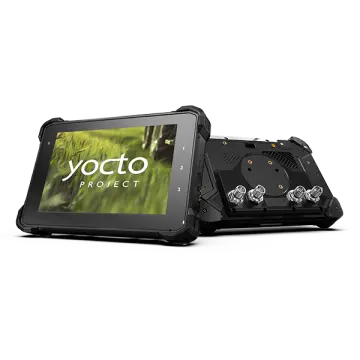 VT-7AL
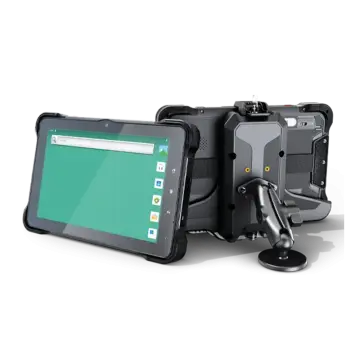 VT-10
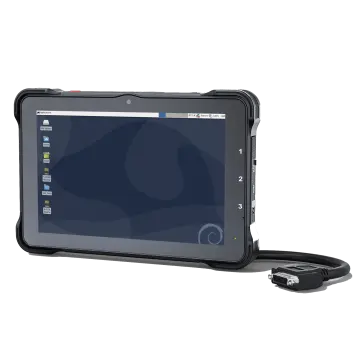 VT-10 IMX
 VT-10 Pro
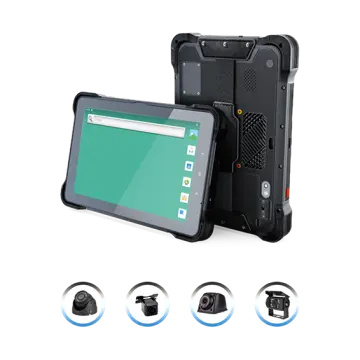 VT-10 Pro AHD
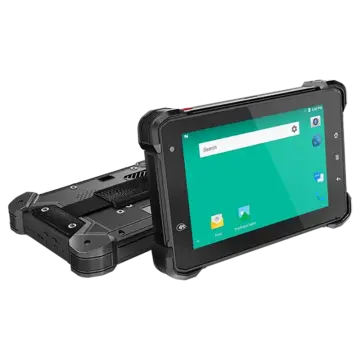 VT-7
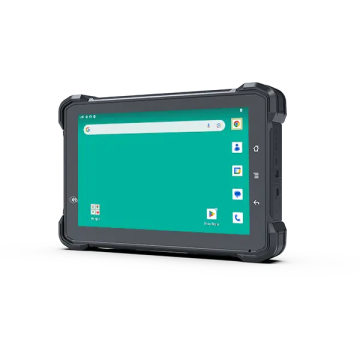 VT-7A PRO
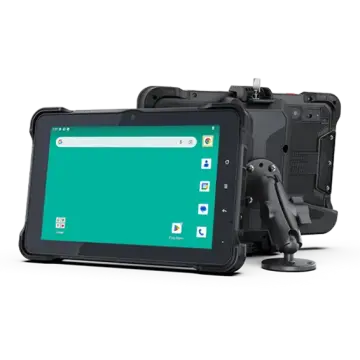 VT-10A Pro
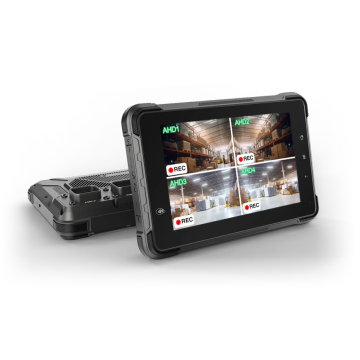 ST-7 Rugged Table
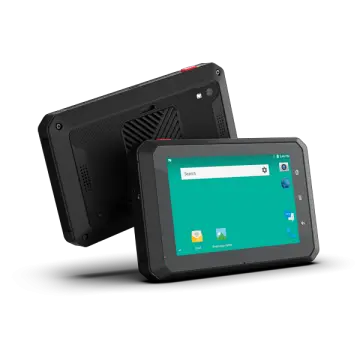 VT-5A
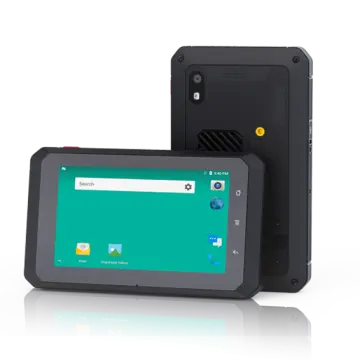 VT-5
 VT-BOX
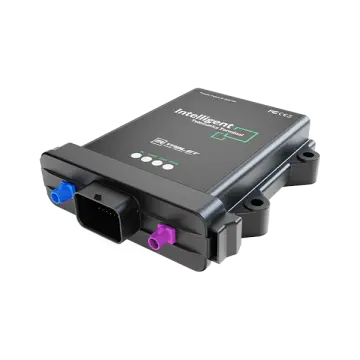 VT-BOX-II
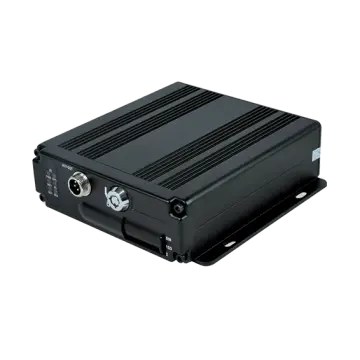 AI-MDVR040
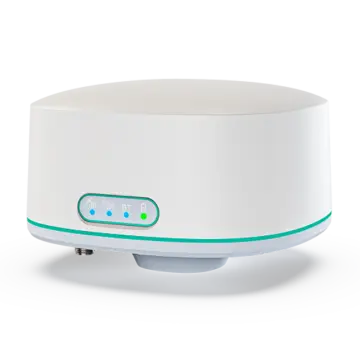 AT-B2
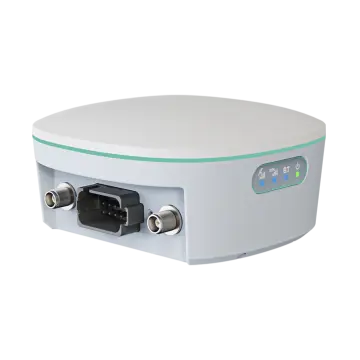 AT-R2