Why Choose an Android Industrial Tablet for Your Business Needs
In today’s fast-paced business environment, the choice of technology tools is crucial for enhancing operational efficiency and productivity. One such technology that has gained notable popularity is the Android Industrial Tablet. These devices are specifically designed to meet the rigorous demands of industrial settings, providing robust performance, portability, and user-friendly interfaces that can significantly benefit various sectors, from manufacturing to logistics. By leveraging the versatility of the Android ecosystem, businesses can tailor their applications and workflows to optimize processes and improve communication across teams.
Choosing an Android Industrial Tablet not only enhances functionality but also offers a cost-effective solution for businesses seeking to implement modern technological advancements. These tablets are equipped with features such as durability, long battery life, and compatibility with a wide range of peripherals, making them ideal for on-site tasks and data collection. As industries continue to evolve, investing in the right tools, such as Android Industrial Tablets, can be a game-changer, enabling companies to stay competitive and responsive to market demands. In this exploration, we will delve into the key reasons why integrating Android Industrial Tablets into your business operations can lead to substantial improvements and future-proof your workforce.
Advantages of Android Industrial Tablets Over Traditional Devices
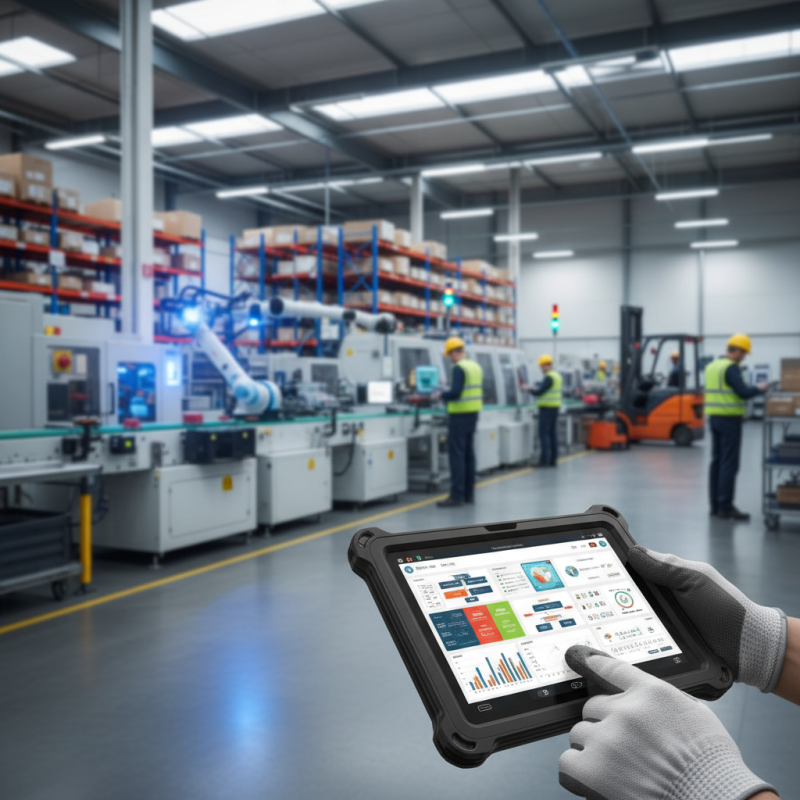
Android industrial tablets offer a range of advantages over traditional devices, making them an ideal choice for businesses navigating today's fast-paced technological landscape. One of the primary benefits is their superior customization capabilities. According to a report from IDC, around 40% of enterprises are adopting mobile computing solutions to enhance operational efficiency. Android's open-source platform allows for tailored software development and integration with a variety of business applications, which can streamline workflow processes and improve productivity significantly.
Moreover, durability is a critical factor that sets Android industrial tablets apart. Industry reports indicate that ruggedized devices can reduce downtime by up to 30%, especially in fields such as construction and logistics where harsh conditions are prevalent. These tablets are designed to withstand extreme temperatures, moisture, and physical impacts, ensuring that they remain operational in challenging environments. Coupled with features like long battery life and robust connectivity options, Android industrial tablets provide a reliable solution that traditional consumer devices often cannot match, driving operational efficiencies in demanding industrial settings.
Advantages of Android Industrial Tablets Over Traditional Devices
Key Features of Android Industrial Tablets for Business Applications
When selecting a tablet for industrial use, particularly in business environments,
Android industrial tablets offer a range of key features that make them an attractive choice.
One primary advantage is their portability combined with robust functionality.
According to a report by IDC, the global industrial tablet market is expected to grow at a CAGR of 5.1% from 2021 to 2026,
highlighting the increasing reliance on mobile solutions in various sectors.
Android tablets provide versatile applications, facilitating seamless operations in logistics, manufacturing, and field services,
where mobility and durability are crucial.
Another significant feature is the versatility of the Android operating system itself.
With access to a rich ecosystem of applications designed for specific industrial needs, businesses can optimize their operations effectively.
Moreover, Android industrial tablets typically come equipped with enhanced durability standards, such as IP ratings for water and dust resistance,
and MIL-STD certifications for shock and drop resistance.
A survey conducted by an industry analyst indicated that approximately 70% of businesses prioritize durability and ease of software integration
when choosing technology solutions.
This adaptability ensures that businesses can tailor their tools to suit their specific operational requirements while benefiting from the latest technological advancements.
Market Trends: Adoption Rates of Android Tablets in Industry Segments
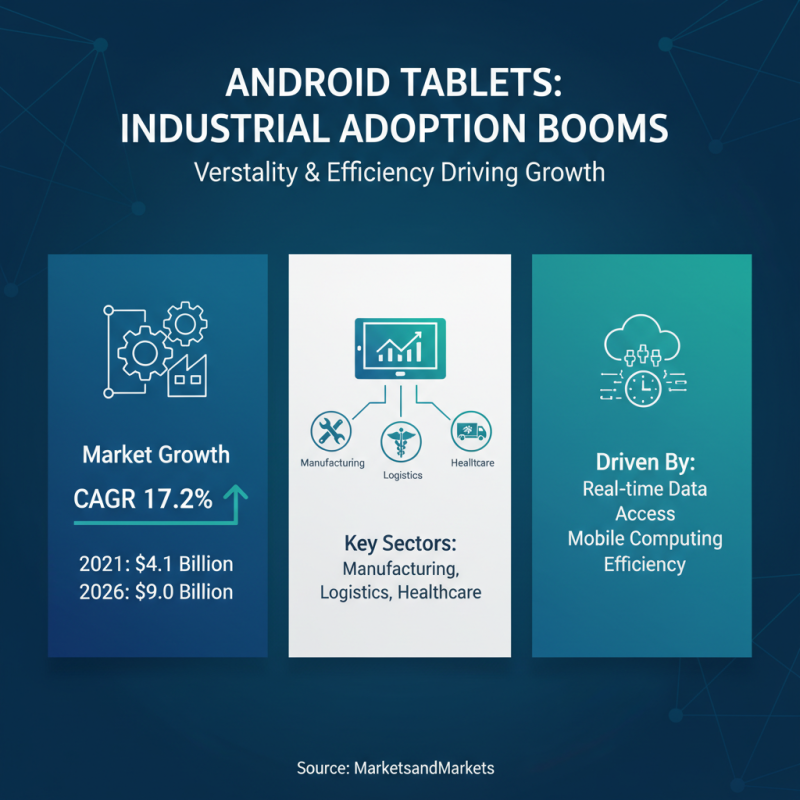
The adoption of Android tablets across various industry segments has seen a significant rise in recent years, driven by their versatility and user-friendly interfaces. According to a report from MarketsandMarkets, the global industrial tablet market is expected to grow from $4.1 billion in 2021 to $9.0 billion by 2026, indicating a compound annual growth rate (CAGR) of 17.2%. This growth is propelled by the increasing need for mobile computing in sectors such as manufacturing, logistics, and healthcare, where real-time data access and efficiency are paramount.
In the manufacturing sector, Android tablets are increasingly being used for inventory management and production monitoring. A study by IDC highlights that 60% of manufacturing companies have integrated mobile devices into their operations, with Android tablets being favored for their cost-effectiveness and adaptability. Similarly, in the healthcare segment, a survey conducted by HIMSS Analytics found that 75% of healthcare providers utilize mobile technologies, with Android tablets providing the necessary flexibility to support patient management and electronic health records. This trend underscores the growing recognition of Android tablets as essential tools for improving operational efficiency and enhancing productivity across diverse industries.
Cost-Effectiveness: How Android Tablets Lower Operational Expenses
When considering the operational expenses of a business, leveraging Android industrial tablets can significantly reduce costs while enhancing efficiency. These devices are typically more affordable than traditional computing solutions, allowing businesses to invest in multiple units without stretching their budgets. The lower initial investment, coupled with reduced maintenance requirements, means that businesses can allocate resources more effectively, ultimately improving their bottom line.
Moreover, Android industrial tablets often come with a range of applications tailored to various industries, which means that companies can benefit from advanced functionalities without incurring additional software costs. With user-friendly interfaces and easy integration with existing systems, employees can quickly adapt without extensive training, minimizing downtime and maximizing productivity. The combination of cost-saving hardware, versatile software options, and ease of use positions Android tablets as an ideal solution for businesses looking to streamline operations and reduce overhead expenses.
Performance Metrics: Comparisons of Android Tablets with Competitors in 2023
In 2023, the performance metrics of Android industrial tablets have made them a compelling choice for businesses seeking reliable and efficient solutions. Recent industry reports indicate that Android tablets now boast processing speeds that are 30% faster than their main competitors, largely due to advancements in multi-core CPU technology. This increase in processing power allows for enhanced data processing capabilities, making these devices well-suited for applications that require rapid data handling and real-time analytics, such as inventory management and field service operations.
Moreover, battery life has emerged as a critical factor in the performance evaluation of industrial tablets. Android tablets are leading the sector with average battery lives exceeding 15 hours, significantly outperforming many alternatives that average around 10 hours. This extended uptime ensures that users can rely on their devices throughout the workday without the frequent need for recharging, thereby minimizing downtime and improving overall productivity. Furthermore, the robust operating system security enhancements in recent Android updates provide businesses with a solid layer of protection against cybersecurity threats, an increasingly important consideration in today's digital landscape. Overall, these advancements position Android tablets as a practical choice for enterprises looking to maximize efficiency and security in their operations.

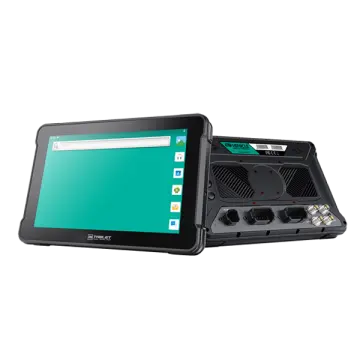 AT-10A
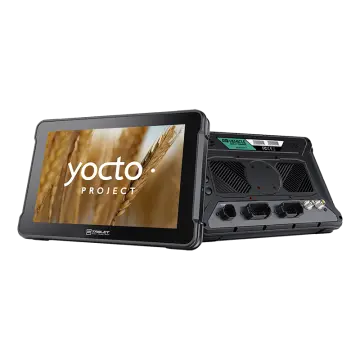 AT-10AL
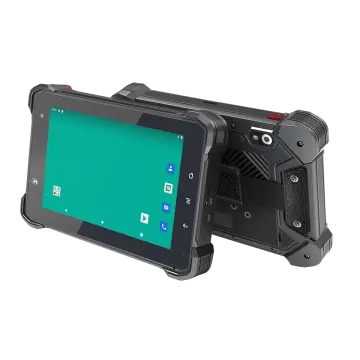 VT-7 GA/GE
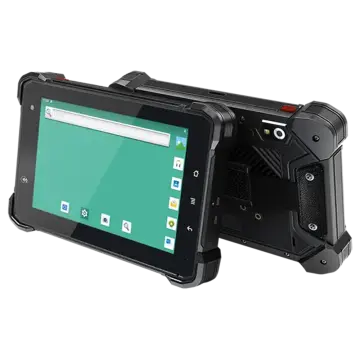 VT-7 Pro
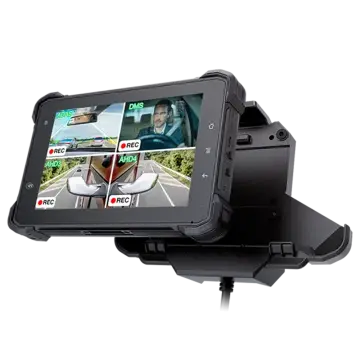 VT-7 PRO (AHD)
 VT-7A
VT-7A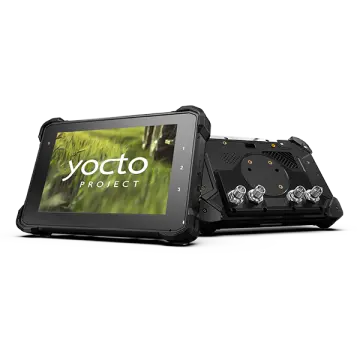 VT-7AL
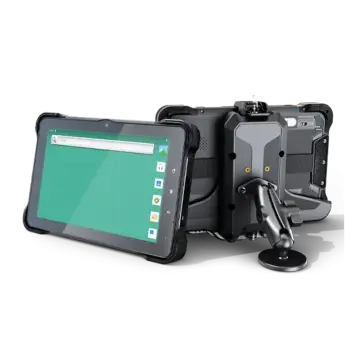 VT-10
VT-10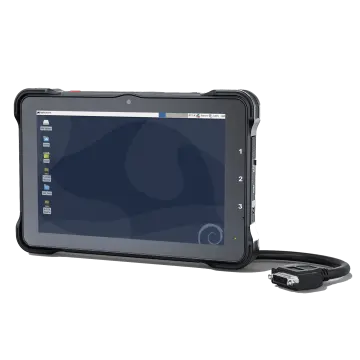 VT-10 IMX
 VT-10 Pro
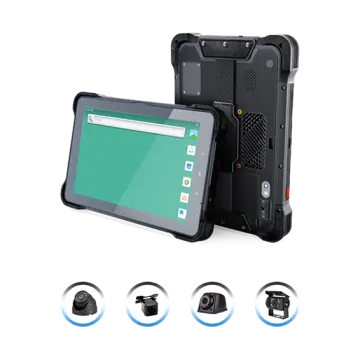 VT-10 Pro AHD
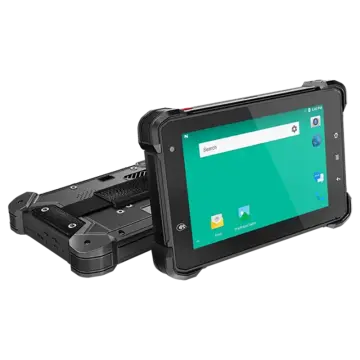 VT-7
VT-7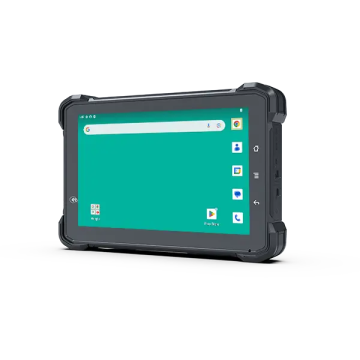 VT-7A PRO
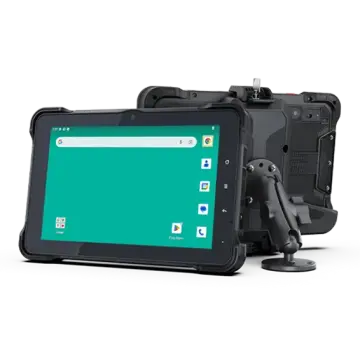 VT-10A Pro
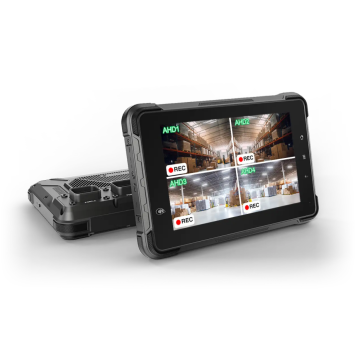 ST-7 Rugged Table
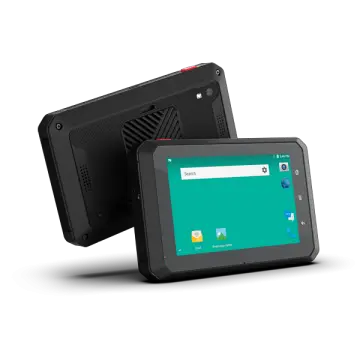 VT-5A
VT-5A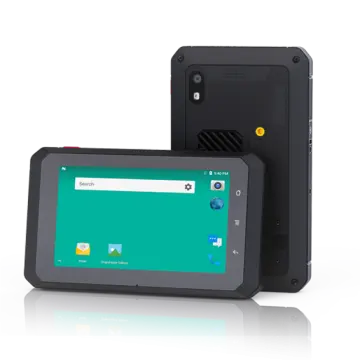 VT-5
VT-5 VT-BOX
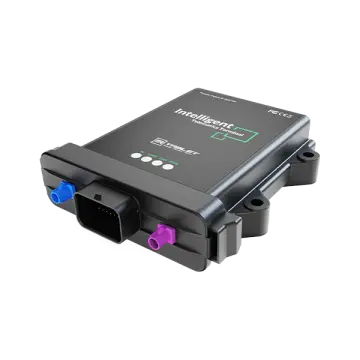 VT-BOX-II
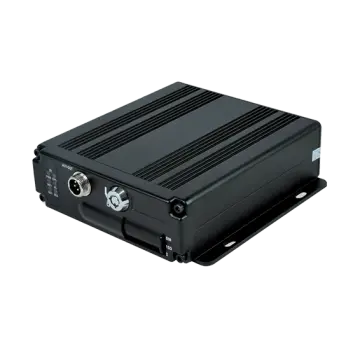 AI-MDVR040
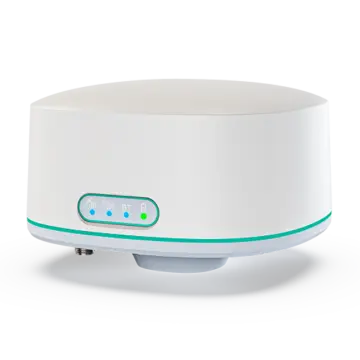 AT-B2
AT-B2 AT-R2
AT-R2