Top Android Industrial Tablet Trends for 2026 What to Know?
As the industrial landscape evolves, the importance of the Android Industrial Tablet becomes increasingly clear. Renowned expert Dr. Emily Chen, a leading authority in mobile technology, recently stated, "The next wave of productivity tools lies in Android Industrial Tablets." Her insight highlights a growing trend within various industries looking for advanced, intuitive solutions.
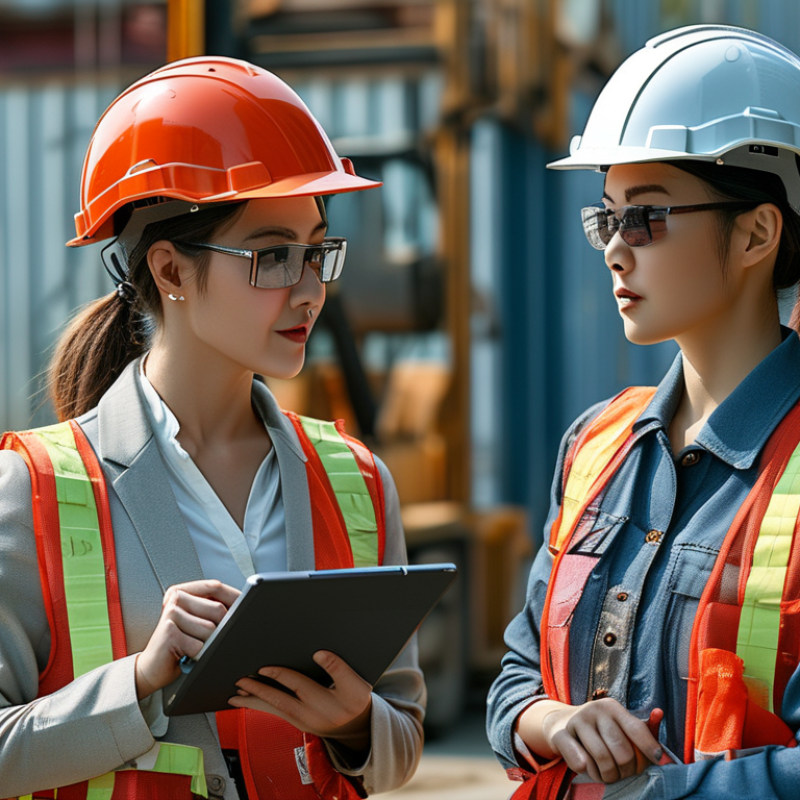
In 2026, these tablets will likely redefine how companies approach tasks. With enhanced features, they promise greater efficiency and ease of use. Imagine a construction site where workers access blueprints directly from their tablets. This would minimize delays tied to paperwork. Yet, one must question whether all businesses are prepared for such a shift.
The trend isn't just about technology. It’s about adapting to new workflows and demands. Many companies still hesitate, fearing disruptions. Balancing innovation with functionality remains a challenge. This hesitation might slow their adoption of this powerful tool, but it also creates opportunities for those willing to take the leap. The Android Industrial Tablet isn't just a device; it's a catalyst for change.
Emerging Technologies Shaping Android Industrial Tablets by 2026
Emerging technologies are set to reshape the landscape of Android industrial tablets by 2026. One significant trend is the integration of advanced AI capabilities. These features will enhance data analysis and decision-making processes in real time. Companies can expect smarter devices that learn from user interactions and adapt accordingly.
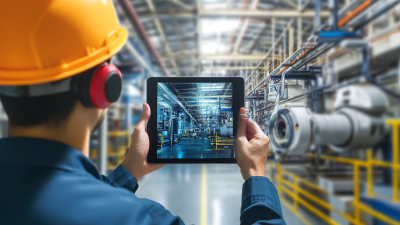
Another key development is the rise of augmented reality (AR) applications. Industrial tablets equipped with AR will revolutionize training and maintenance tasks. Workers can overlay digital information onto the physical world, improving accuracy and efficiency. This technology will demand robust sensors and high-quality displays to ensure seamless user experiences.
5G technology will also play an important role. With faster data transfer rates, industrial tablets can connect to cloud services more efficiently. This connectivity will enable quick access to large datasets, facilitating better remote collaboration. However, the reliance on constant connectivity raises concerns about security and data privacy. Balancing innovation with these risks will be a critical challenge for manufacturers and users alike.
Key Features and Specifications of Future Android Industrial Tablets
The landscape of Android industrial tablets is evolving rapidly. In 2026, expect advanced features that enhance functionality and durability. Future tablets will likely boast improved processing power, ensuring smooth multitasking. Higher resolution displays will provide clearer images and better visibility in diverse lighting conditions.
Battery life remains a critical consideration. Users may want devices that last longer under heavy use. Moreover, ruggedness is essential for industrial settings. Tablets that withstand drops, water, and dust will become the norm. Manufacturers will focus on lightweight designs without compromising on robustness.
Tips: When choosing an industrial tablet, prioritize battery longevity. Additionally, check for certifications that ensure durability. Lastly, consider expandable storage options to accommodate various applications and data.
Top Android Industrial Tablet Trends for 2026
This chart illustrates the projected key features and specifications of Android Industrial Tablets in 2026.
Market Trends Driving Adoption of Android Industrial Tablets in Various Sectors
As industries evolve, the demand for Android industrial tablets is rising. These devices enable seamless integration of technology in manufacturing, logistics, and retail. Key market trends drive this adoption, particularly the need for mobility and real-time data access. Companies are seeking solutions that enhance efficiency. Tablets offer portability and versatility, making them ideal for various tasks.
Many organizations recognize the importance of user-friendly interfaces. Employees need tools that are intuitive and easy to navigate. Investing in quality training programs is crucial. Skills gaps may hinder adoption. Regular workshops can help staff adapt to new technology effectively.
Another noteworthy trend is the push for ruggedness. Industrial environments can be harsh. Tablets must withstand drops, water, and dust. Buyers should assess durability ratings before committing to devices. User feedback is valuable here. Encourage staff to share experiences with different models. This approach fosters a culture of continuous improvement. Balancing functionality and robustness is key to successful integration.
Impact of AI and IoT on the Development of Android Industrial Tablets
The convergence of AI and IoT is reshaping the landscape of Android industrial tablets. According to a recent report by Research and Markets, the global industrial tablet market is projected to reach over $6 billion by 2026. This growth is primarily driven by the integration of advanced technologies that enhance functionality and usability in harsh industrial environments.
AI plays a pivotal role in data analytics and predictive maintenance. With machine learning algorithms, these tablets can analyze operational data in real time. This results in reduced downtime and improved efficiency. IoT connectivity allows for seamless communication with machines and systems. As a result, workers receive updates and alerts instantly, boosting productivity.
Consider these tips when integrating AI and IoT into your tablet strategy: focus on employee training to ensure optimal use of new technologies. Prioritize devices with rugged designs suitable for various industrial settings. Don't overlook the importance of seamless integration capabilities with existing systems. As organizations evolve, reflecting on current implementations can help streamline future upgrades.
Top Android Industrial Tablet Trends for 2026
| Trend |
Description |
Impact of AI |
Impact of IoT |
Forecast Year |
| Enhanced User Interfaces |
Integration of AI-led features for intuitive usage. |
AI will provide personalized experiences and predictive analytics. |
IoT will streamline connectivity between devices for a seamless interface. |
2026 |
| Real-time Data Processing |
Ability to analyze and act on data instantly. |
AI algorithms will improve data analysis speeds. |
IoT solutions will enable immediate data collection from various sources. |
2026 |
| Increased Durability |
Products designed to survive harsh industrial environments. |
AI enhances predictive maintenance to foresee failures. |
IoT sensors monitor device conditions and performance. |
2026 |
| Collaborative Robotics Integration |
Tablets functioning as control interfaces for robots. |
AI enables smarter interactions between humans and robots. |
IoT links robots and tablets in real-time operations. |
2026 |
| Energy Efficiency Improvements |
Longer battery life with low-energy components. |
AI optimizes energy consumption based on usage patterns. |
IoT devices inform energy usage and adjustments. |
2026 |
User Experience Innovations in Android Industrial Tablets for 2026
The user experience in Android industrial tablets is set to undergo significant changes by 2026. Emerging trends emphasize intuitive interfaces, focusing on seamless navigation. Tablets will incorporate voice recognition, allowing hands-free operations. This innovation optimizes productivity, especially in environments that require multitasking. Clear visuals and vibrant screens will enhance accessibility, catering to a wider range of users.
Moreover, augmented reality (AR) integration is becoming essential for user engagement. AR can overlay critical information in real-time, enriching the user’s knowledge while minimizing disruptions. However, the challenge lies in ensuring this technology is user-friendly. Complex systems can deter users who may not be tech-savvy.
Battery life remains a crucial aspect. Users demand durability in rugged environments. However, longer battery life often means heavier devices, which can impact usability. Balancing weight and performance will require careful consideration. As trends evolve, it’s vital to prioritize the user’s comfort and efficiency. An innovative approach to design and functionality is necessary to meet these growing demands.

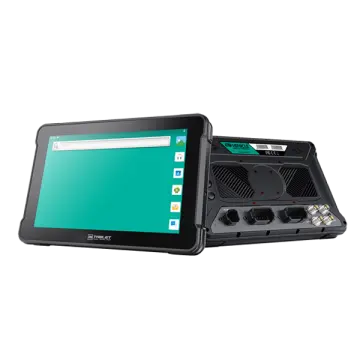 AT-10A
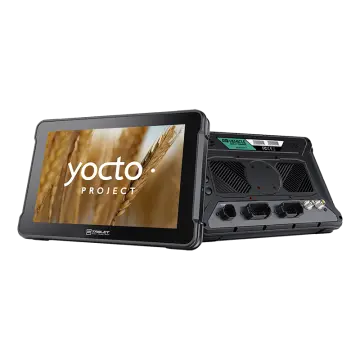 AT-10AL
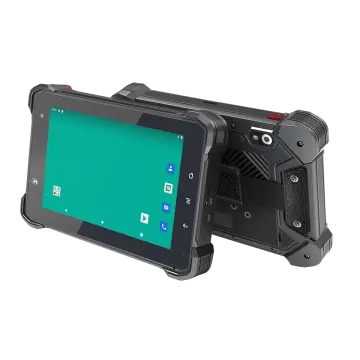 VT-7 GA/GE
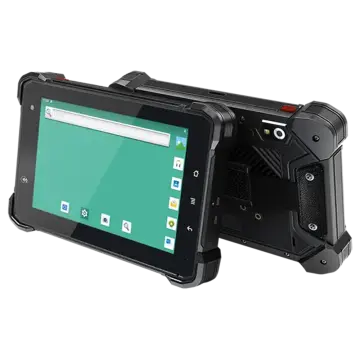 VT-7 Pro
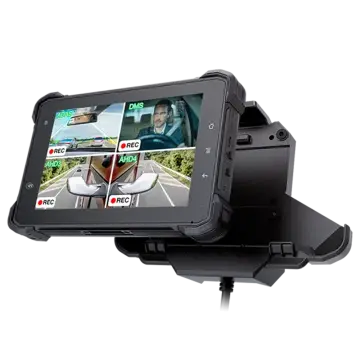 VT-7 PRO (AHD)
 VT-7A
VT-7A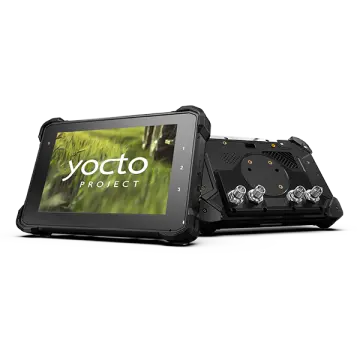 VT-7AL
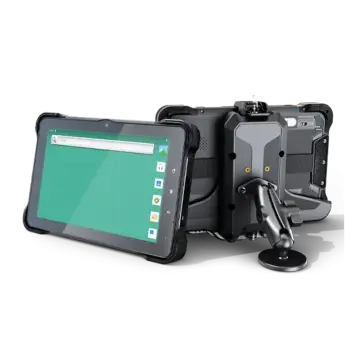 VT-10
VT-10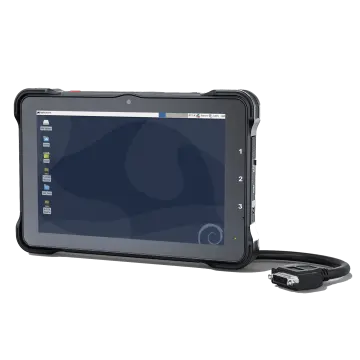 VT-10 IMX
 VT-10 Pro
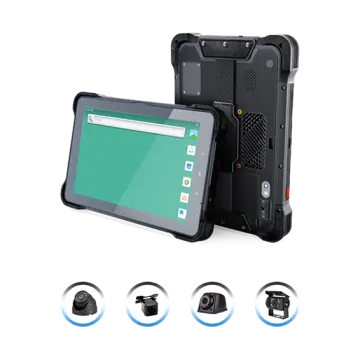 VT-10 Pro AHD
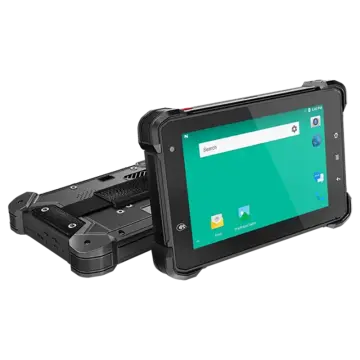 VT-7
VT-7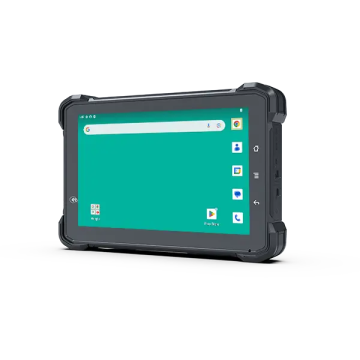 VT-7A PRO
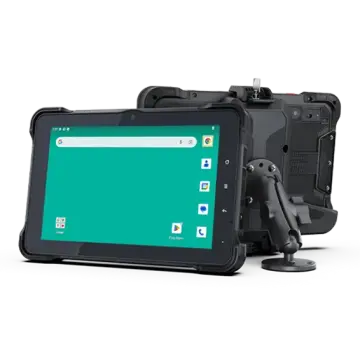 VT-10A Pro
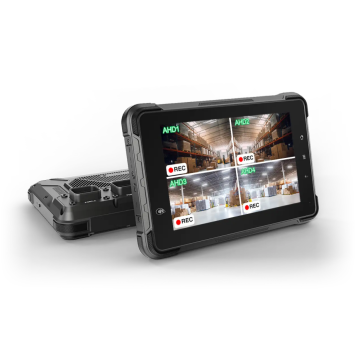 ST-7 Rugged Table
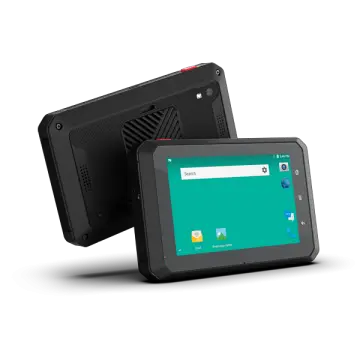 VT-5A
VT-5A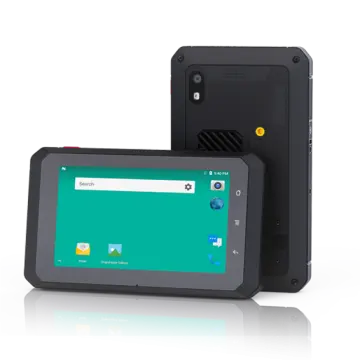 VT-5
VT-5 VT-BOX
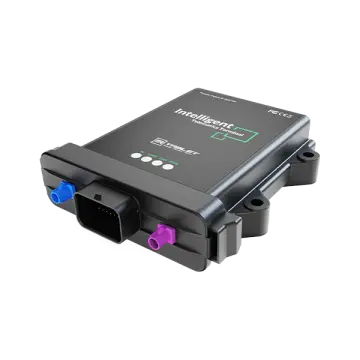 VT-BOX-II
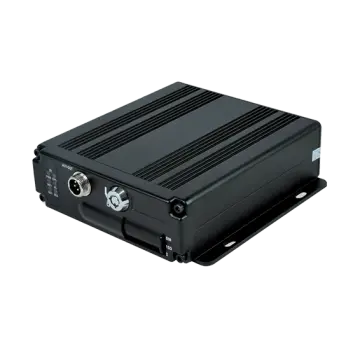 AI-MDVR040
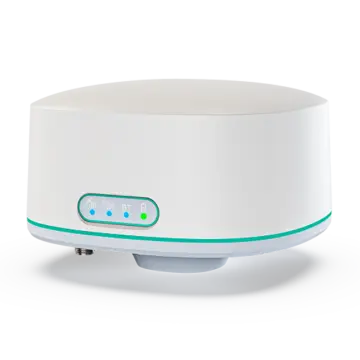 AT-B2
AT-B2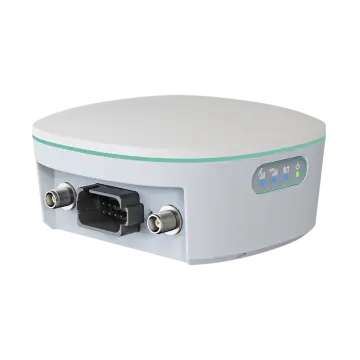 AT-R2
AT-R2