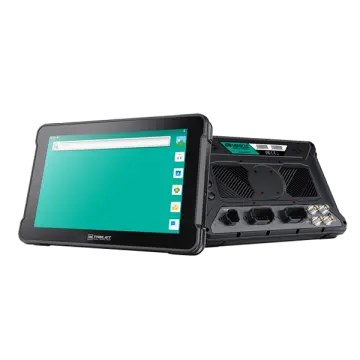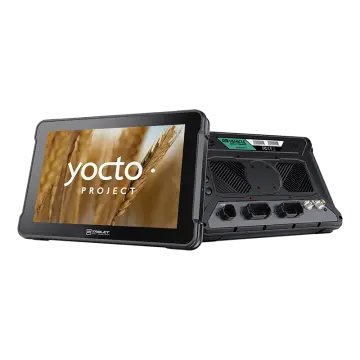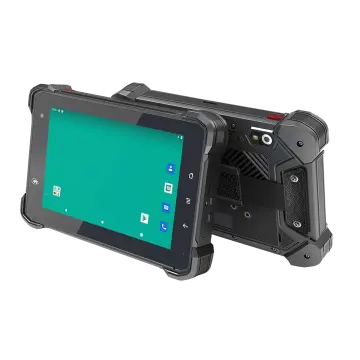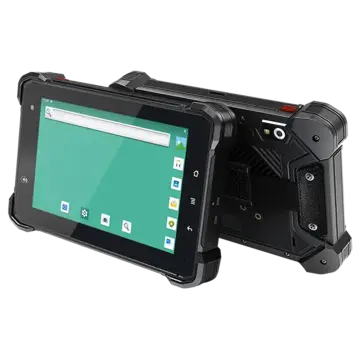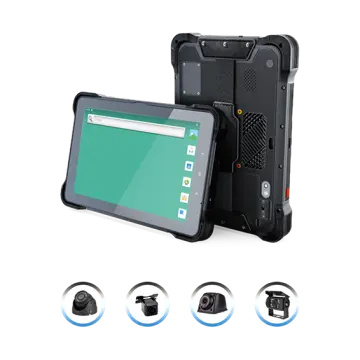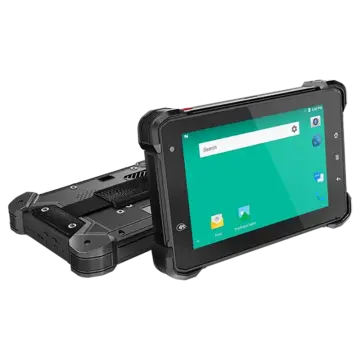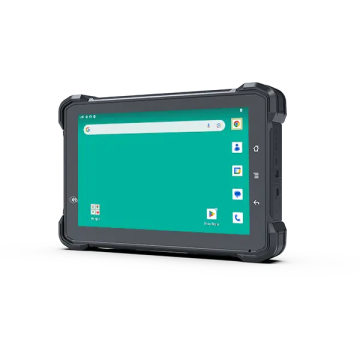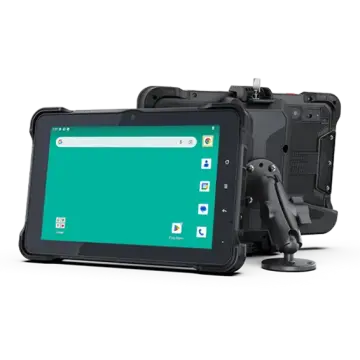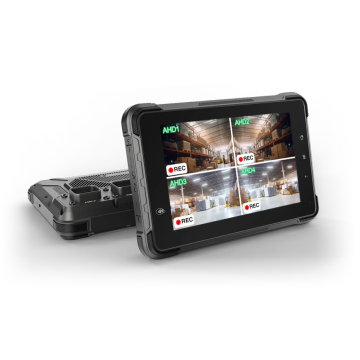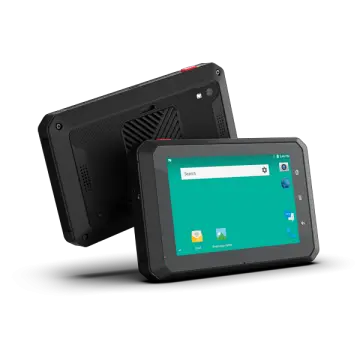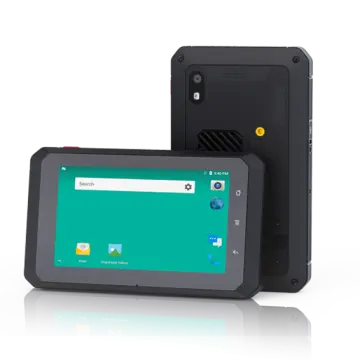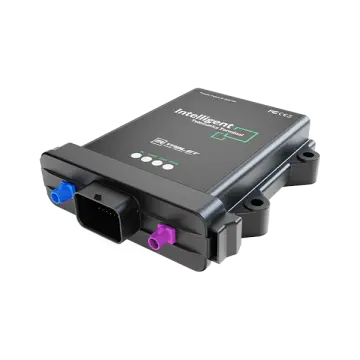
Choosing the best Android Os Tablet manufacturer in China requires more than comparing screen sizes or advertised prices. Buyers should examine chipset performance, display quality, battery endurance, software-update policies, warranty support, and the company’s ability to deliver consistent products. These details matter when a tablet moves between a classroom, a warehouse, and a family living room. Small differences show up in daily use.
The market is growing again. Canalys reported that worldwide tablet shipments reached 147.6 million units in 2024, an increase of 9.2% from 2023. IDC’s Worldwide Quarterly Personal Computing Device Tracker also tracks tablet shipments by vendor and region, offering useful context for comparing major brands. Shipment numbers show market reach, though—not product reliability or customer satisfaction. That distinction is easy to miss.
China’s tablet landscape includes established electronics companies and newer competitors, with different strengths in pricing, hardware design, software, and after-sales service. A manufacturer with strong sales may not suit every buyer. Some businesses need long battery life and dependable fleet support; others care more about a bright screen, keyboard accessories, or a lower purchase cost. There is no single public ranking that fairly measures every factor. The comparison ahead therefore weighs reported market presence alongside practical product considerations, while recognizing that published specifications can look better than everyday results. That is worth questioning. A careful shortlist should consider both the numbers and the tablet in hand.
An Android OS tablet manufacturer in China is more than an assembly line. It coordinates product design, component sourcing, software integration, testing, and production planning. The work shows in practical details: a USB-C port that stays firm, a screen that remains readable near a window, and buttons that respond after repeated use. Experienced teams can explain hardware choices and Android version support without relying on vague promises. That matters. A polished sample is useful, but consistency across a full production run is more revealing.
A reliable manufacturer should provide clear specifications, quality-control procedures, and realistic timelines. Ask how staff test battery performance, Wi-Fi stability, touch response, and heat during extended use. Samples can mislead. Request information about production checks and how defects are handled after delivery. Strong engineering support also helps when a tablet needs a different screen size, memory configuration, or user interface. Still, customization can increase cost and delay schedules; there is no perfect solution for every project. Look for specific answers, written records, and communication that remains steady from prototype to shipment.
When evaluating Chinese Android tablet manufacturers, look beyond screen size and processor claims. Ask which Android version ships on the device and how security updates are delivered. A clear update schedule matters more than a vague promise of future support. Request a sample and test it with your intended apps, Wi-Fi network, and accessories. Check touch response near the screen edges, speaker clarity, and charging-port fit. Small details matter. A polished demo unit may not reflect every production batch, so ask how consistency is checked.
Review the manufacturer’s quality-control process, not just its product catalogue. Ask for records of battery, thermal, drop, and repeated charging tests, along with the process for handling defects. Confirm whether hardware or software changes will be shared before production; even a small component swap can affect performance. Communication is another practical measure: do technical questions receive specific answers, or only broad assurances? No checklist catches everything. A strong sample can still hide uneven production, so consider an initial order and an inspection plan before committing to larger volumes.
China’s leading manufacturers of Android OS tablets often combine in-house assembly with flexible OEM and ODM services. Their strengths may include display integration, battery sourcing, and options for different screen sizes. Buyers should examine more than a polished product photo. Ask for processor details, memory configurations, Android version, and the supplier’s update policy. Small details matter.
A useful evaluation starts with a working sample. Test touch response near the screen edges, speaker clarity in a noisy room, and battery performance during video playback. Check whether the charging port feels secure after repeated use. Also request written quality-control steps, warranty terms, and production lead times. These records make supplier claims easier to assess. A sample can look excellent and still reveal uneven brightness or loose buttons after daily handling.
Manufacturers vary in engineering depth, customization capacity, and after-sales support. Some handle design changes smoothly; others need extra time to confirm even a minor connector adjustment. Ask how they manage software testing, security updates, and compatibility with required applications. Confirm which features are standard and which increase cost. No checklist catches everything. A pilot order can expose packaging damage, inconsistent accessories, or setup issues before a larger commitment. Clear communication and repeatable testing are often better signs of a dependable manufacturing partner than a low quotation alone.
A capable Chinese Android tablet manufacturer should match hardware choices to the intended workload, not just quote a fast processor. Ask for the display’s measured brightness, touch response, and performance under sustained use. A crisp screen can still feel sluggish if touch input lags. Check battery capacity alongside real operating time, since screen size and workload change results. Small details count. Ask how the device handles heat during a long video call or a demanding app. Request sample units and a written specification sheet; compare the delivered unit with the stated components. A polished demo is not proof.
Software capability is harder to judge from a spec sheet. Ask which Android version ships, how security patches are delivered, and whether the manufacturer can support a defined update schedule. Test the actual interface for unwanted apps, clear settings, and reliable Wi-Fi, Bluetooth, and camera behavior. If the tablet is intended for business, verify device-management options and app compatibility before placing a large order. Keep those checks practical: install the apps your team uses and test them over several days. Updates may be promised, but timelines can shift; get responsibilities and support terms in writing. No device is perfect, and a less flashy model with consistent updates may be the safer fit.
Choosing an Android tablet manufacturer in China starts with the job the device must do. A warehouse tablet may need a bright screen, a rugged case, and reliable Wi-Fi. A classroom model may benefit more from light weight, parental controls, and simple device management. Write down the working environment before comparing quotations. Details matter.
For custom projects, check whether the manufacturer can adjust memory, storage, ports, cameras, and housing without disrupting production. Ask for a sample that matches the proposed hardware and software configuration. Test it with your actual apps, chargers, and network conditions. A specification sheet cannot reveal every compatibility issue. Request clear information about Android version support, security patches, repair procedures, and spare-part availability. These details affect the device after delivery, not just during evaluation.
Production quality deserves the same attention as features. Ask how incoming components are inspected and how finished units are tested. If possible, review test records and arrange an independent factory assessment. Compare lead times, minimum order quantities, warranty terms, and communication speed in writing. A low unit price may hide costs for tooling or software changes. I would not assume that a polished sample represents every production batch; confirm how consistency is checked.