2026 Best Android Rugged Tablet for Global Buyers?
In today's tech-driven world, the demand for durable devices continues to rise. A recent industry report indicates that the rugged tablet market is projected to grow by 8.5% annually through 2026. The increasing need for Android rugged tablets is evident across various sectors, from construction to healthcare. These tablets offer robust features that withstand harsh environments.
However, not all Android rugged tablets are created equal. Buyers must consider factors like battery life, durability ratings, and processing power. For instance, a survey showed that 70% of users value battery longevity as a critical feature. Yet, many brands still lag in providing reliable performance.
Global buyers face challenges in selecting the right model. The market is filled with numerous options, each boasting different advantages. It’s crucial to critically evaluate products based on real-world performance, not just specifications. When choosing an Android rugged tablet, understanding real user reviews and market performance can ensure a more informed decision.
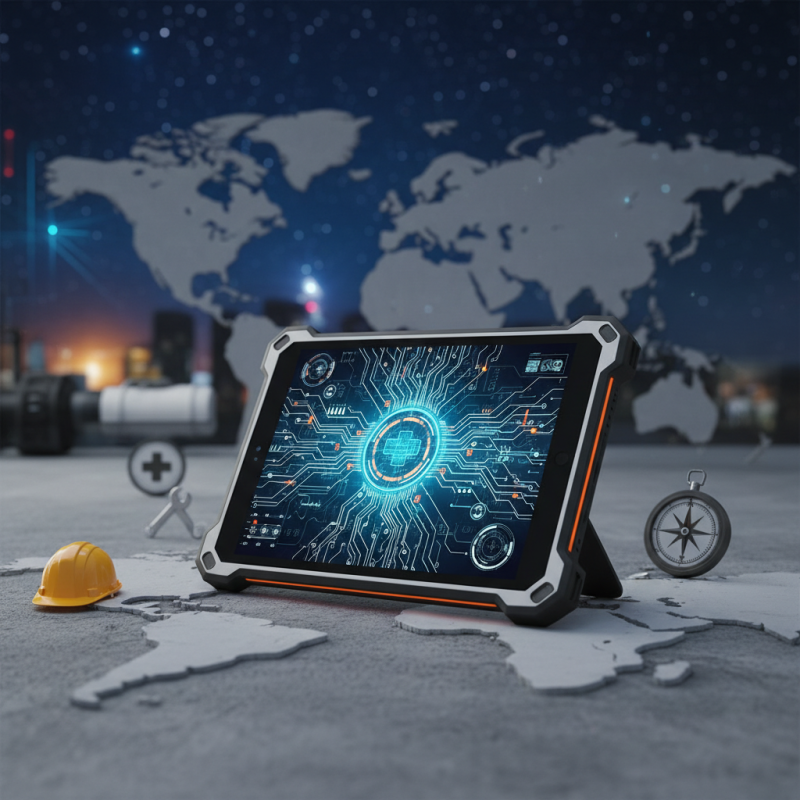
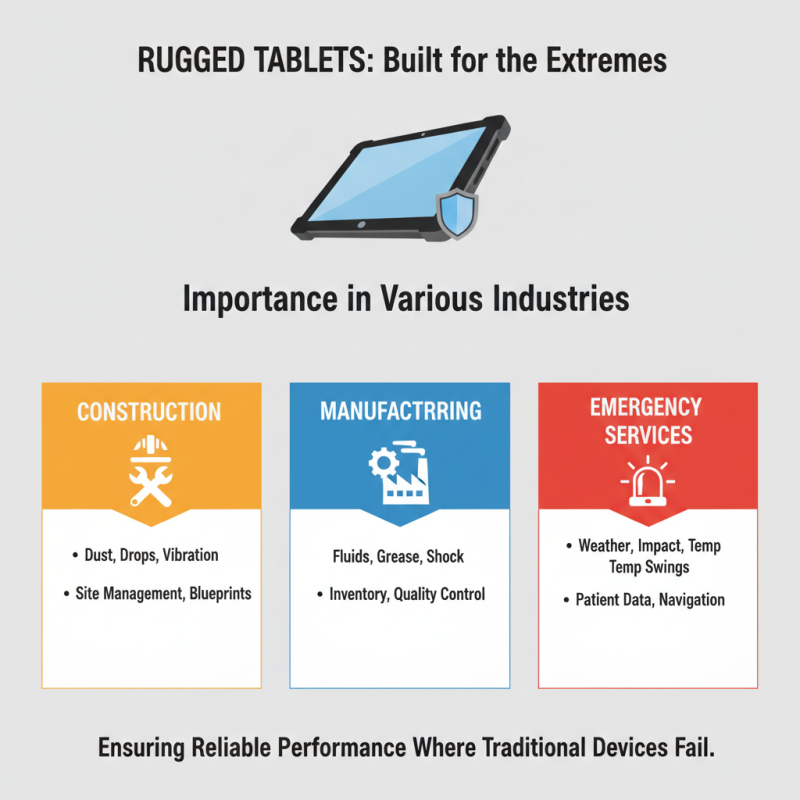
Overview of Rugged Tablets and Their Importance in Various Industries
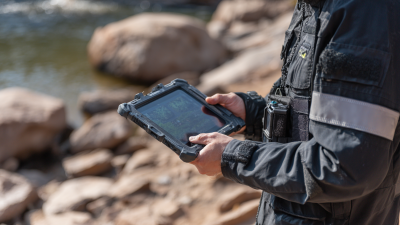
Rugged tablets are vital tools in various industries, offering durability where traditional devices fail. They shine in sectors like construction, manufacturing, and emergency services. These environments often involve exposure to dust, moisture, and extreme temperatures. Rugged tablets can withstand these challenges, ensuring reliable performance.
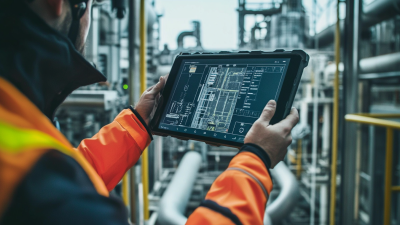
Workers on construction sites often drop their devices. However, rugged tablets are designed to endure such impacts. The screens are typically shatter-resistant, which reduces the risk of failure. In manufacturing, real-time data collection and connectivity are crucial. Rugged tablets provide this while resisting the elements, enhancing productivity.
Yet, choosing a rugged tablet isn't always straightforward. Users may overlook essential features like battery life or screen visibility in bright sunlight. While durability is a highlight, it’s important to balance other specifications. Some tablets may fall short in software capabilities or user interface design. It's crucial for users to assess their specific needs to find the best device for their work environment.
Key Features to Look for in a 2026 Android Rugged Tablet
When selecting a rugged tablet for 2026, focus on key features that enhance durability and performance. Look for devices with a robust chassis. This construction is essential for resisting drops and impacts. Waterproofing adds another layer of protection. A water-resistant rating, like IP68, ensures functionality in various environments. Dustproof designs keep external particles at bay.
Battery life is crucial. Many rugged tablets offer extended operation time, allowing fieldwork without frequent recharges. Consider a device with a replaceable battery. This feature can extend usability in remote locations. Display clarity is also important. A high-brightness screen works well even under direct sunlight, enhancing visibility.
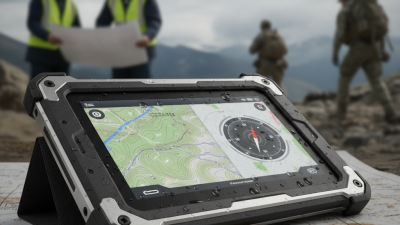
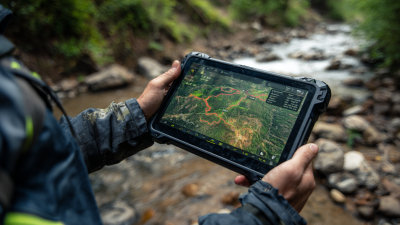
Connectivity options are vital, too. Look for tablets supporting 4G LTE and Wi-Fi 6. These features provide seamless communication in challenging conditions. GPS functionality is beneficial for navigation during outdoor activities. Despite the high-tech specifications, not every rugged tablet meets user expectations. It's crucial to read reviews and conduct hands-on assessments. User experiences often highlight practical weaknesses. Balancing specifications with real-world performance is key to making the right choice.
2026 Best Android Rugged Tablet Features Comparison
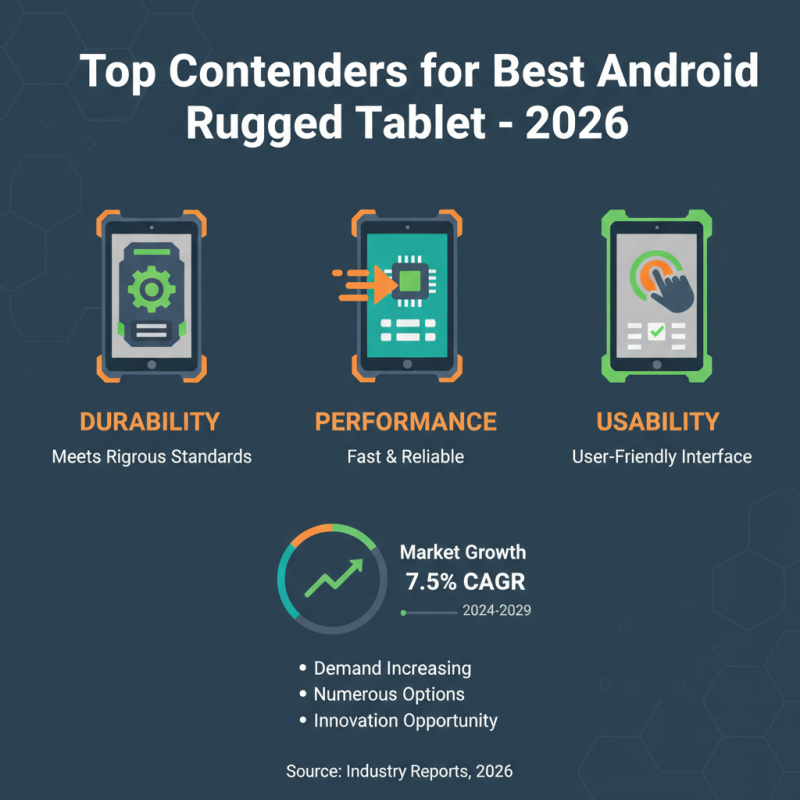
Top Contenders for the Title of Best Android Rugged Tablet in 2026
As the demand for rugged tablets increases, buyers have numerous options in 2026. Industry reports estimate that the rugged tablet market will grow at a CAGR of 7.5% over the next five years. This increasing trend represents a significant opportunity for manufacturers to innovate. However, not all options meet rigorous standards for durability, performance, and usability.
Key factors for consideration include water and dust resistance, screen durability, and battery life. For example, tablets that can withstand extreme temperatures and drops are essential in sectors like construction and emergency services. According to a recent survey, nearly 80% of users prioritize ruggedness over features like high-resolution displays. Yet, some tablets, while durable, tend to underperform in terms of speed and software updates.
Buyers should also consider customer reviews and warranty options before making a purchase decision. Identifying a reliable source for performance metrics is crucial. In an industry where transparency varies significantly, reviews can shed light on long-term reliability. Balancing robust features with user needs remains a challenge for manufacturers. Many products showcase impressive specs but may lack consistent performance in real-world conditions.
Comparison of Performance and Durability in 2026 Rugged Tablet Models
When exploring rugged tablets for global buyers in 2026, the emphasis on performance and durability is paramount. Many users seek devices that can withstand harsh environments. A tablet's build quality often determines its longevity. MIL-STD-810G certification is a common standard for ruggedness. This ensures resistance to dust, shock, and extreme temperatures.
Performance is equally essential for efficiency. A powerful processor boosts productivity during demanding tasks. Multitasking becomes fluid with adequate RAM. Look for tablets that can support intensive applications without lag. Battery life plays a crucial role as well. Tablets that can function all day without frequent charging are highly valuable.
Nevertheless, choices may not always be straightforward. Some models boast impressive specs but may sacrifice weight. Heavier devices can complicate mobility. Others might feature lighter designs yet lack in battery longevity. It’s vital to assess individual needs and use cases. Users should reflect on their environments and intended applications before making a decision. The perfect rugged tablet should balance durability, performance, and user comfort.
Global Market Trends and Buyer Preferences for Rugged Tablets in 2026
In 2026, the rugged tablet market is witnessing significant shifts. Global buyers prioritize durability and performance. Many industries utilize rugged tablets for their resistance to extreme conditions. Construction, fieldwork, and logistics sectors lead in demand. These tablets often feature waterproof ratings and robust screens. Buyers want devices that endure tough environments while remaining functional.
Sustainability is another emerging trend. More consumers seek eco-friendly options. Manufacturers are starting to address these preferences by using recycled materials. This shift may not be enough yet, as many options remain limited. Moreover, battery life concerns persist. Users desire longer-lasting devices that can operate through demanding shifts. Compatibility with various software is also crucial.
Price sensitivity among buyers is increasing. Many seek affordable yet reliable options. The balance between cost and quality remains a challenge. Some buyers end up purchasing underperforming devices due to budget constraints. There’s a pressing need for more transparent product reviews. Users often rely on experiences shared by others. An informed decision can lead to better satisfaction and longevity in usage. The market must strive for clarity and support for potential buyers.
2026 Best Android Rugged Tablet for Global Buyers
| Model |
Screen Size |
Battery Life |
Weight |
Price |
Protection Rating |
| Rugged X1 |
10.1 inches |
15 hours |
1.5 kg |
$499 |
IP68, MIL-STD-810G |
| Field Warrior Pro |
8.4 inches |
12 hours |
1.3 kg |
$599 |
IP67, MIL-STD-810H |
| Adventure Tab Z |
10.5 inches |
10 hours |
1.4 kg |
$429 |
IP65, MIL-STD-810F |
| WorkForce Elite |
9.7 inches |
14 hours |
1.6 kg |
$549 |
IP68, MIL-STD-810G |
| Explorer Tab |
10 inches |
11 hours |
1.2 kg |
$469 |
IP70, MIL-STD-810G |

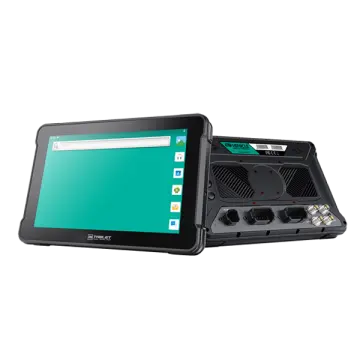 AT-10A
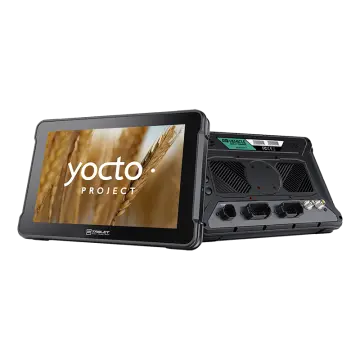 AT-10AL
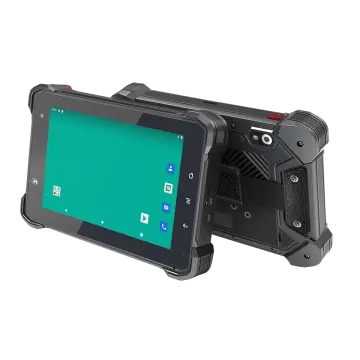 VT-7 GA/GE
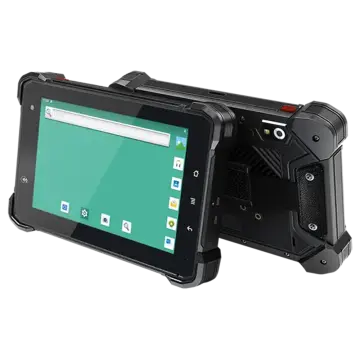 VT-7 Pro
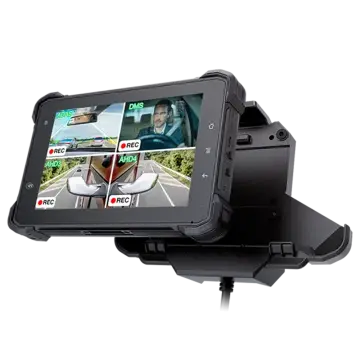 VT-7 PRO (AHD)
 VT-7A
VT-7A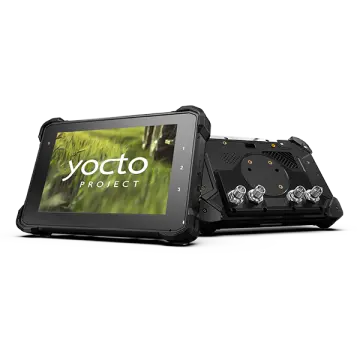 VT-7AL
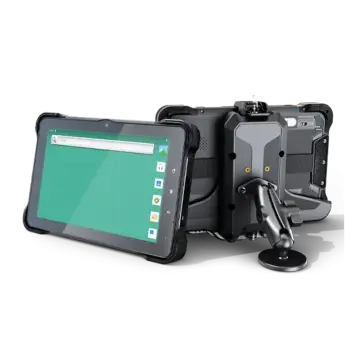 VT-10
VT-10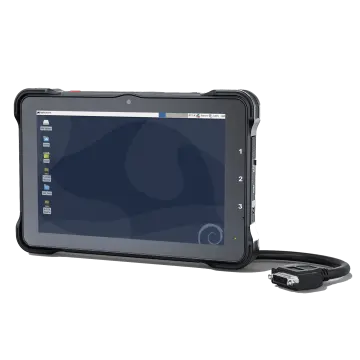 VT-10 IMX
 VT-10 Pro
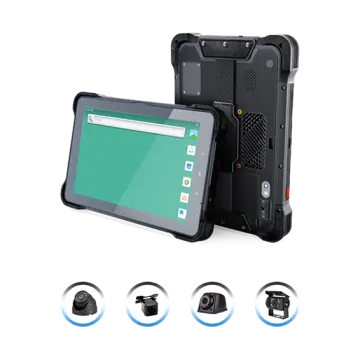 VT-10 Pro AHD
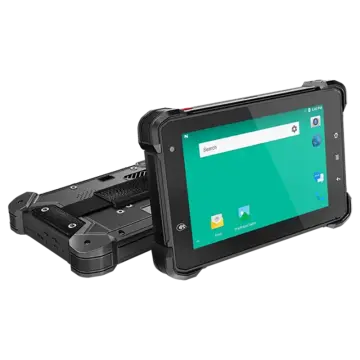 VT-7
VT-7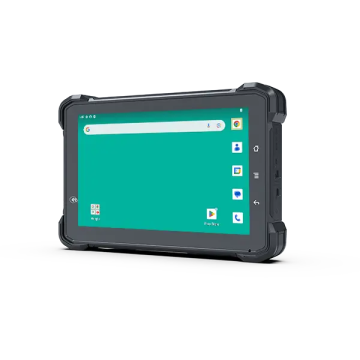 VT-7A PRO
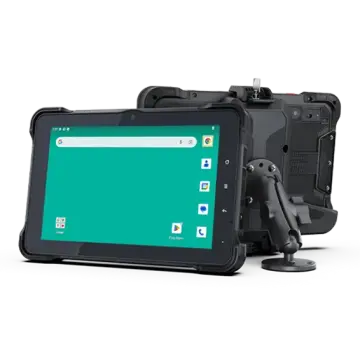 VT-10A Pro
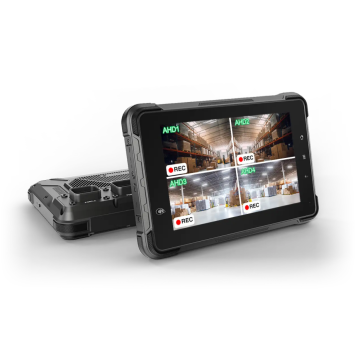 ST-7 Rugged Table
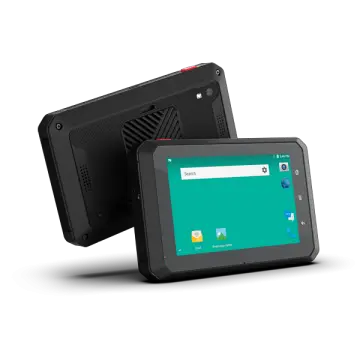 VT-5A
VT-5A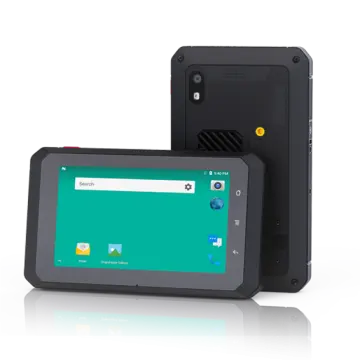 VT-5
VT-5 VT-BOX
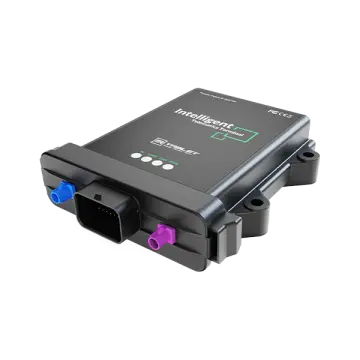 VT-BOX-II
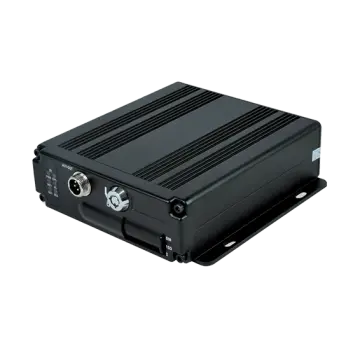 AI-MDVR040
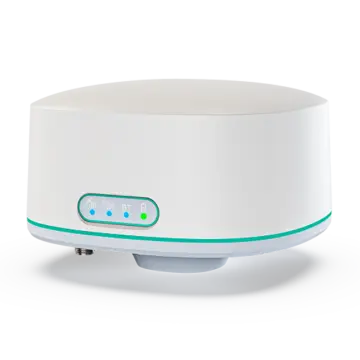 AT-B2
AT-B2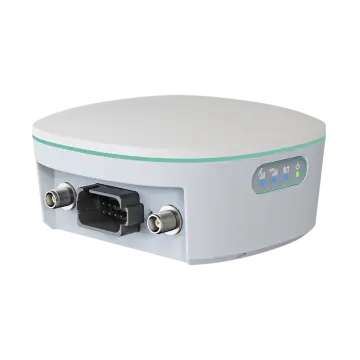 AT-R2
AT-R2