Best Industrial Android Tablet for Efficient Business Solutions?
In the fast-paced world of industrial operations, the right tools are essential for success. Industrial Android Tablets have emerged as transformative devices, streamlining processes and enhancing productivity. According to Dr. Michael Jensen, a leading expert in industrial technology, "The right tablet can redefine agility in manufacturing." This statement emphasizes the role of these devices in modern business.
The efficient integration of Industrial Android Tablets into workflows is not without its challenges. Businesses must carefully consider their specific needs. Factors such as durability, battery life, and software compatibility are crucial. For instance, a tablet that excels in one area may falter in another. Therefore, companies must weigh their options thoughtfully.
Addressing the potential downsides is equally important. Some businesses may experience a learning curve when adopting new technology. This transition can sometimes lead to temporary disruptions. However, the long-term benefits often outweigh initial setbacks. Achieving a balance between technology and operations is key for sustained success.
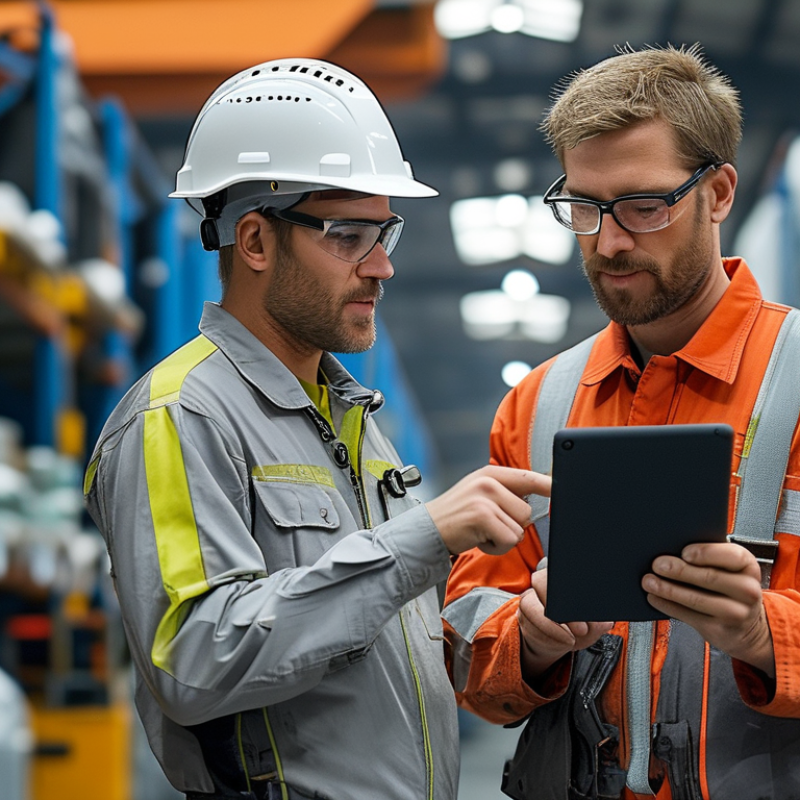
Key Features of Industrial Android Tablets for Business Use
Industrial Android tablets play a crucial role in modern business operations. They come equipped with essential features that enhance efficiency and productivity. A recent industry report highlights that over 65% of enterprises have integrated tablets into their workflows. This trend indicates a significant shift towards mobile solutions in various sectors.
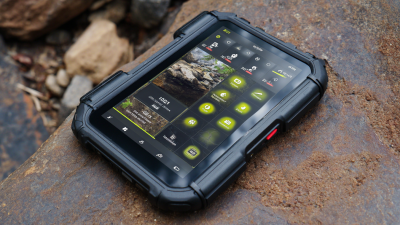
Durability is a key characteristic of industrial Android tablets. Many of these devices meet rigorous standards, including IP65 ratings for dust and water resistance. Such features ensure reliability in challenging environments. Additionally, long battery life is essential for uninterrupted operations, with many models offering over 12 hours on a single charge. The ability to withstand drops or extreme temperatures adds to their appeal.
Security is another important aspect. Research shows that over 70% of organizations prioritize data protection in their mobile strategy. Advanced encryption and secure access controls are vital to safeguard sensitive information. Despite these advancements, companies still face challenges, such as managing updates and ensuring compatibility with legacy systems. These factors highlight the need for ongoing evaluation and adaptation in technology deployment.
Best Industrial Android Tablet for Business Solutions
Comparative Analysis of Leading Industrial Android Tablet Brands
In the competitive market of industrial Android tablets, a comparative analysis reveals key attributes that define the best options for businesses. Advanced functionalities, robust build quality, and outstanding performance play significant roles in these devices. According to a recent industry report, tablet sales in industrial sectors are projected to grow by 8.5% annually through 2025. This growth emphasizes the need for reliable devices tailored for specific business applications.
When evaluating the leading brands, consider factors such as battery life, display quality, and ruggedness. A study by TechNavio highlighted that tablets with at least 10 hours of battery life significantly improve workflow efficiency in field operations. Many brands excel in ergonomics, offering designs that support prolonged usage without discomfort. However, not all devices meet these usability standards, indicating a need for careful selection.
Tip: Before making a purchase, assess how well a tablet integrates with existing systems. Compatibility is crucial for smooth operations. Also, consider testing the device in your typical working environment. Some tablets may not perform as expected under real-world conditions, revealing potential pitfalls to avoid for smoother business processes.
Top Use Cases for Industrial Android Tablets in Various Industries
Industrial Android tablets are reshaping operations across various fields. These devices excel in manufacturing, logistics, and healthcare. They streamline processes by enabling real-time data access and communication. For instance, in logistics, drivers can receive instant updates on routes and delivery schedules. This efficiency reduces delays and enhances customer satisfaction.
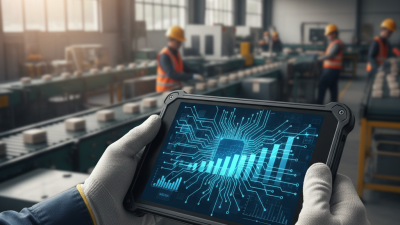
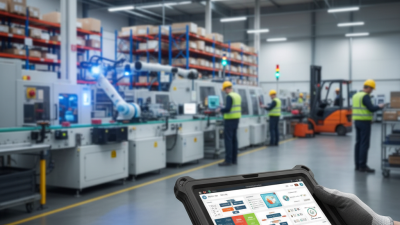
In manufacturing, Android tablets assist with inventory management and equipment monitoring. Workers can scan barcodes and track materials seamlessly. This minimizes errors and speeds up production. However, integrating new technology requires careful planning. Adequate training ensures that staff can utilize these tools effectively.
Tips: Ensure your team understands the device functionalities. Regular training sessions bridge any gaps in knowledge. Additionally, consider device durability. They must withstand tough environments. Balancing advanced features with robust design leads to a more efficient workforce.
Assessing Durability and Performance in Industrial Android Tablets
The choice of an industrial Android tablet significantly impacts business efficiency. These devices must withstand challenging environments while performing at high levels. According to a recent study by Tech Industry Insights, approximately 75% of professionals encountered hardware failures with standard tablets in industrial settings. The need for robust durability is clear.
Durability often assesses multiple factors. For instance, tablets should have a minimum IP67 rating to resist dust and water. Reports indicate that 80% of users say their productivity drops when devices fail in rugged conditions. This highlights the importance of selecting equipment designed for harsh environments. Battery life is equally essential; devices should last through long shifts, with industry benchmarks suggesting at least 12 hours of active use.
Performance isn't just about speed. It involves processing power, memory, and ease of use in demanding tasks. Many reports emphasize that tablets with higher RAM and advanced processors deliver better multitasking capabilities in the field. However, striking a balance between performance and durability remains a challenge for many organizations. Investing in the right industrial Android tablet demands careful consideration of these critical factors.
Cost-Benefit Considerations for Implementing Android Tablets in Business
Implementing Android tablets in business can bring significant advantages, but careful cost-benefit analysis is key. Companies often underestimate hidden costs associated with hardware, software, and training. While Android tablets seem inexpensive upfront, ongoing expenses can add up. Software licenses and updates are recurring fees that can strain the budget.
Effective utilization of Android tablets requires proper training. Employees must feel comfortable using the devices to maximize productivity. Consider investing in tailored training sessions to address specific business needs. Training can reduce mistakes and enhance worker efficiency.
Look for opportunities to integrate tablets into existing workflows. This alignment can streamline processes significantly. Reduce paper usage; digitizing notes and reports saves resources. Encourage feedback on tablet performance. This can reveal usability issues or training gaps. Regular reflections on your experience with the tablets can lead to improvements. Taking the time to assess tablet performance helps in making informed decisions.

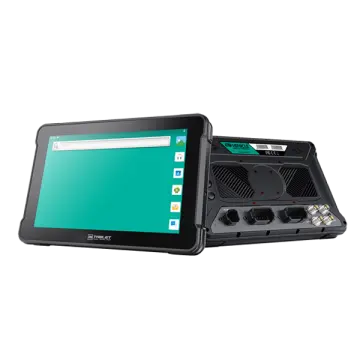 AT-10A
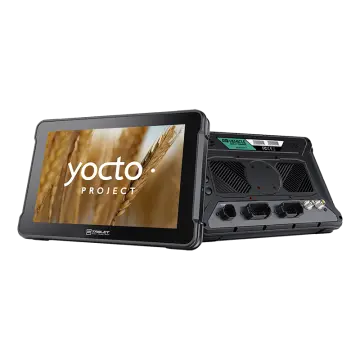 AT-10AL
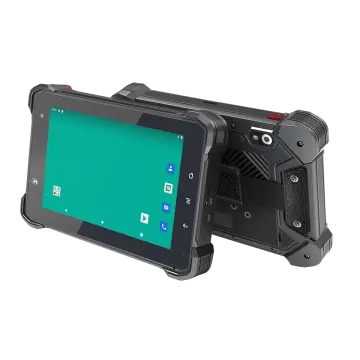 VT-7 GA/GE
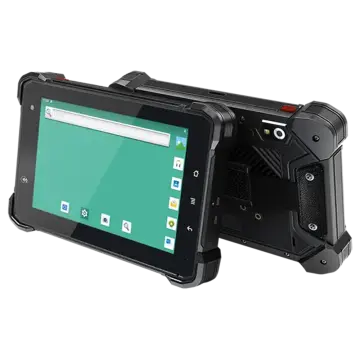 VT-7 Pro
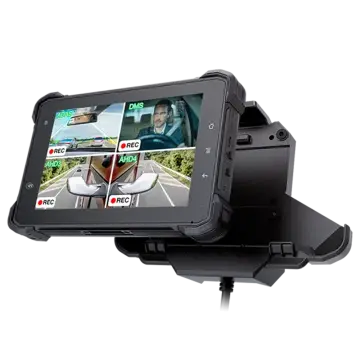 VT-7 PRO (AHD)
 VT-7A
VT-7A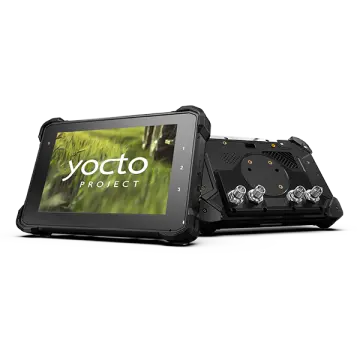 VT-7AL
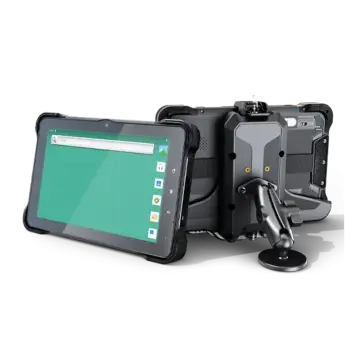 VT-10
VT-10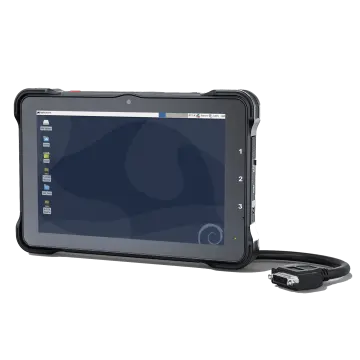 VT-10 IMX
 VT-10 Pro
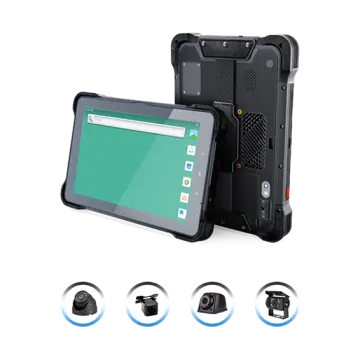 VT-10 Pro AHD
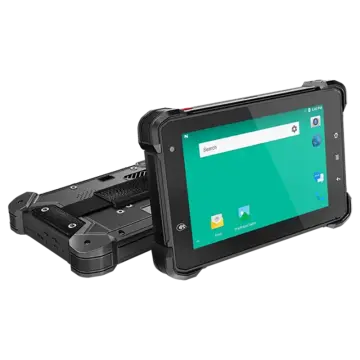 VT-7
VT-7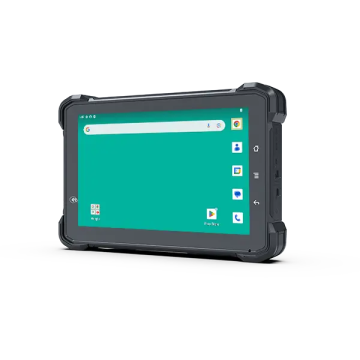 VT-7A PRO
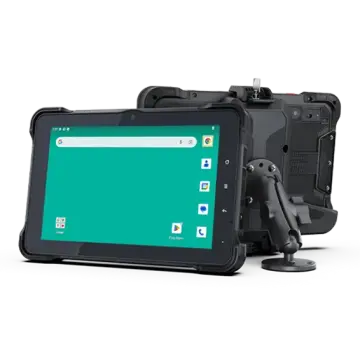 VT-10A Pro
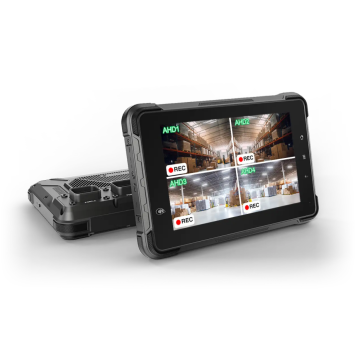 ST-7 Rugged Table
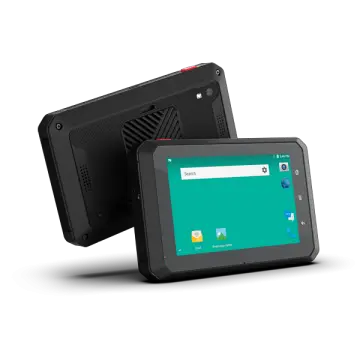 VT-5A
VT-5A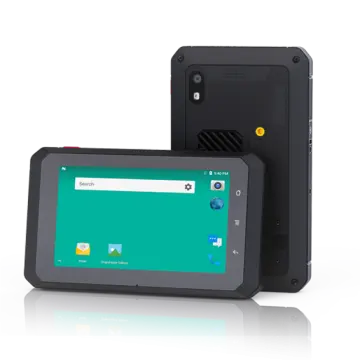 VT-5
VT-5 VT-BOX
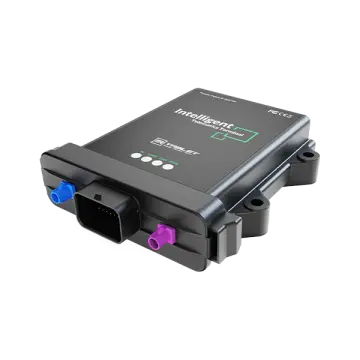 VT-BOX-II
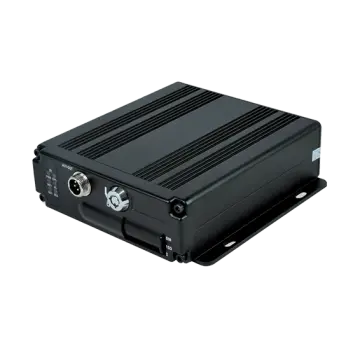 AI-MDVR040
 AT-B2
AT-B2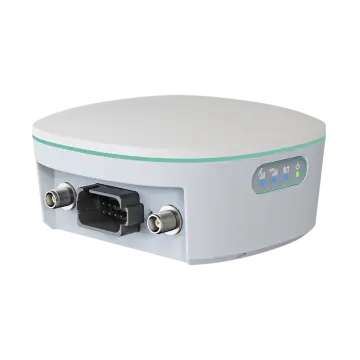 AT-R2
AT-R2