Top 10 Android Rugged Tablet PCs for Global Buyers?
In today's fast-paced world, choosing the right Android Rugged Tablet PC is critical for various industries. These tablets are engineered for tough environments. They withstand drops, extreme temperatures, and water exposure. Professionals need reliable tools that enhance productivity without compromise.
This guide highlights the top 10 Android Rugged Tablet PCs available for global buyers. Each model offers unique features, catering to diverse needs like construction, fieldwork, and outdoor activities. It's essential to evaluate battery life, processing power, and durability. Do these tablets truly deliver on their promises?
While many options exist, finding the right balance between price and performance can be challenging. Buyers must reflect on their specific requirements. What works for one user may not suit another. With careful consideration, you can select an Android Rugged Tablet PC that meets both your professional and personal needs.
Top Characteristics of Rugged Tablet PCs for Industrial Use
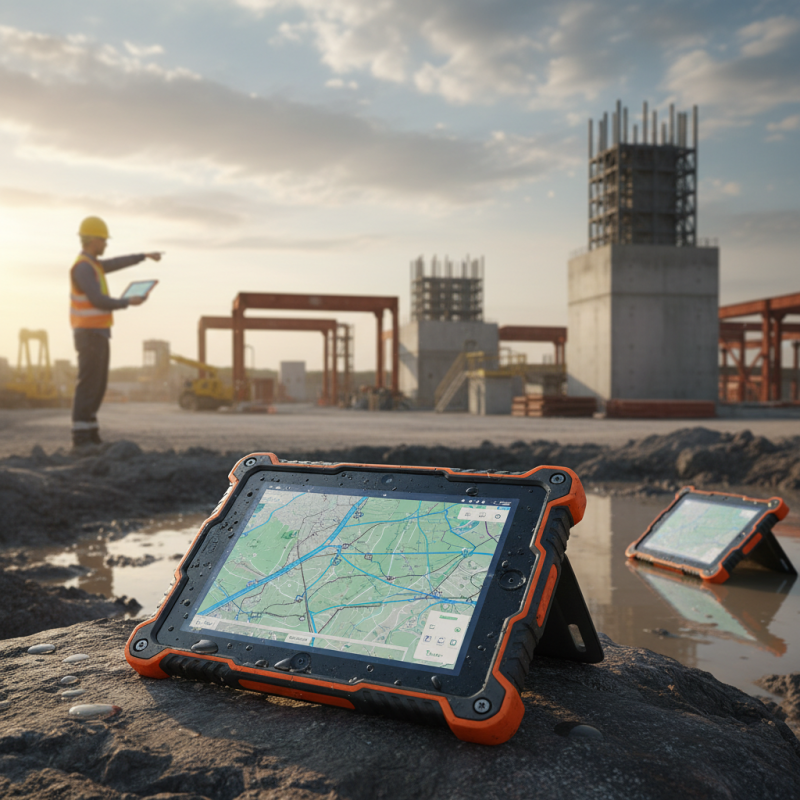
Rugged tablet PCs have gained traction in industrial sectors due to their durability and reliability. These devices must endure extreme conditions. According to a recent industry report, around 70% of enterprises rely on rugged tablets for fieldwork. The tablets are designed to withstand impacts, water exposure, and high temperatures. This makes them ideal for construction, manufacturing, and emergency services.
Key features of rugged tablets include strong processors, long battery life, and brightness for outdoor visibility. A robust battery can last over 12 hours, ensuring continuous use in harsh environments. Additionally, various models offer customizable connectors for specific industrial tools. The screen’s durability is crucial; devices often use Gorilla Glass to minimize damage risk.
Despite their strengths, challenges remain. Some users report issues with weight and bulk, making portability a concern. Moreover, compatibility with existing software systems can be limited. This is an area for manufacturers to improve. There is also a need for better-cost efficiency, as price points may hinder widespread adoption. Continuous innovation is essential for these devices to meet evolving industrial requirements.
Market Trends in Rugged Tablets: Growth Forecasts and Consumer Demands
The rugged tablet market is experiencing significant growth. This surge is driven by the increasing demand for durable devices in harsh environments. Industries such as construction, logistics, and field services rely on these tablets. They need reliable technology that can withstand drops, moisture, and dust.
Consumer demands are evolving. Users seek tablets with longer battery life and enhanced processing power. Many also prioritize features like a responsive touchscreen, even in direct sunlight. Ergonomics plays a vital role too; users want devices that are comfortable to hold during long hours. However, some rugged tablets still lack optimal portability. This can be a barrier for workers on the move.
The forecast suggests a steady increase in sales. Companies are responding to trends by innovating and improving existing models. Despite the advancements, challenges remain. Not all manufacturers meet high durability standards. That's a concern for users investing in these devices. Brands must ensure their products are tested rigorously to earn consumer trust.
Top 10 Android Rugged Tablet PCs Market Trends
Comparative Analysis of Performance Specifications in Leading Brands
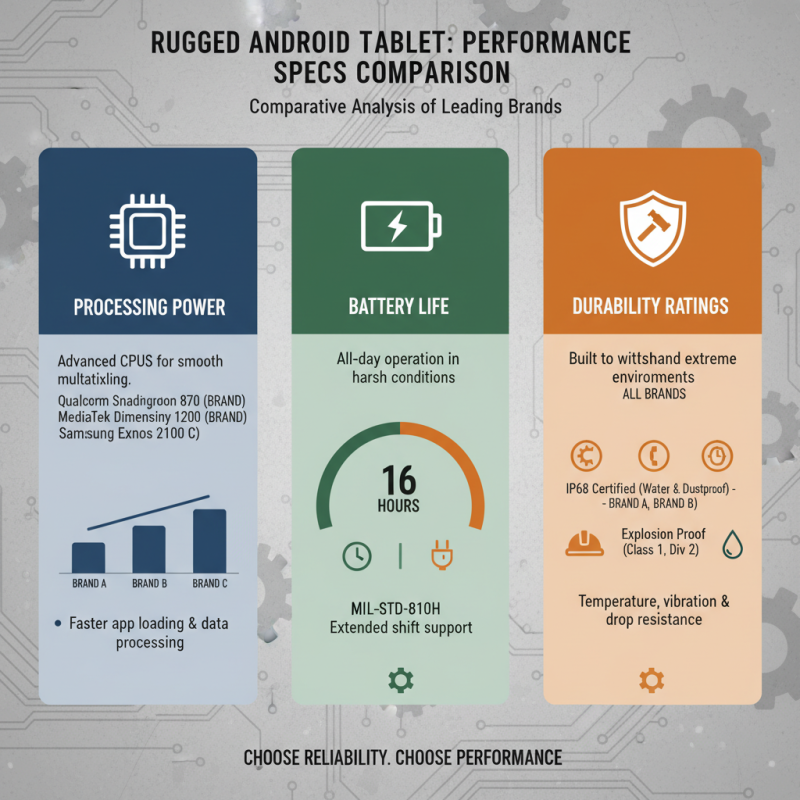
When selecting an Android rugged tablet, performance specifications are crucial. Buyers often seek devices that can withstand harsh environments while delivering reliable performance. Key metrics to consider include processing power, battery life, and durability ratings. Tablets designed for rugged use typically feature advanced processors for smooth multitasking and efficient operation.
Battery life is another essential factor. Many rugged tablets boast long-lasting batteries, but performance can vary significantly. Look for models that provide all-day usage, even under demanding conditions. Durability ratings like IP68 or MIL-STD-810G are indicators of a device’s resistance to dust, water, and drops. These features ensure longevity and reliability in challenging settings.
Tips: Always assess your specific needs before purchasing. Different industries have unique requirements. For example, construction workers may prioritize drop resistance, while field researchers might need superior battery life. Reading user reviews can also provide insights into real-world performance. Don't hesitate to explore multiple options, as not every model will meet your expectations or needs. Balancing performance and price is critical; the most expensive tablet is not always the best choice.
Key Safety Ratings and Standards for Rugged Android Tablets
When selecting rugged Android tablets, safety ratings and standards play a crucial role. Each device must adhere to specific industry benchmarks. The IP (Ingress Protection) rating indicates how well a tablet resists dust and water. Tablets with an IP67 rating can withstand immersion in water up to one meter. This is vital for users in outdoor environments.
Another standard to consider is MIL-STD-810. This military-grade certification tests devices against extreme conditions. It evaluates their performance in temperature fluctuations, vibrations, and drops. Tablets that pass these tests are designed to endure harsh locations. However, finding devices that meet both IP and MIL-STD standards can be challenging for buyers.
Reliability in rugged tablets extends beyond just ratings. User feedback reveals that even high-rated devices can sometimes fail in unexpected scenarios. For instance, prolonged exposure to sunlight can affect screen visibility. Some tablets may not perform well in sub-zero temperatures. These insights are crucial for potential buyers who depend on these devices for daily tasks. Investing time in research can lead to better decisions.
User Experiences: Feedback and Reviews from Global Buyers
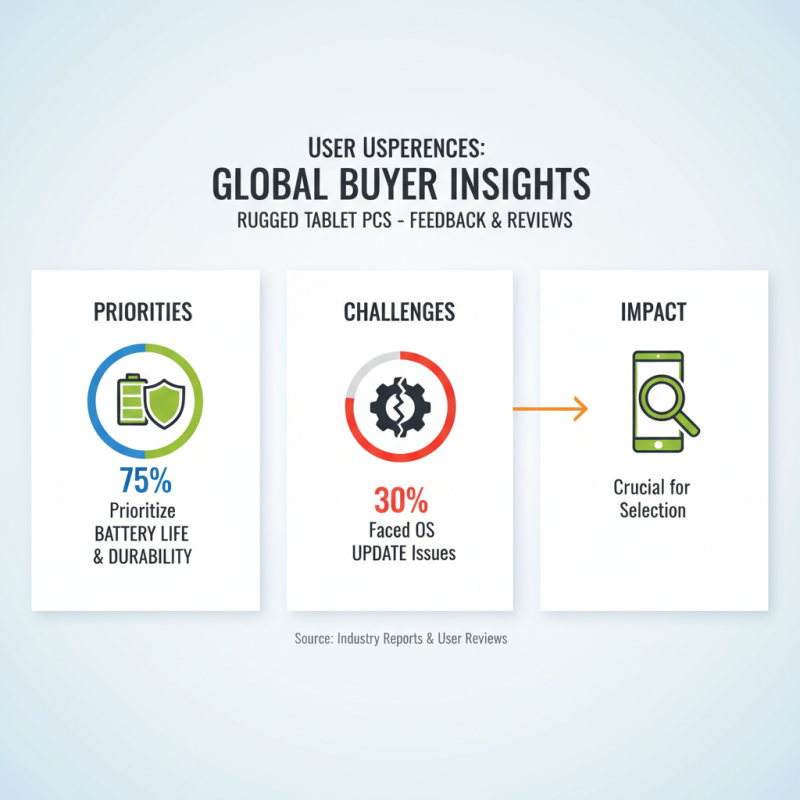
User experiences play a crucial role in selecting rugged tablet PCs. Global buyers frequently share their insights, reflecting both satisfaction and challenges. Several industry reports indicate that around 75% of users prioritize battery life and durability in their reviews. However, despite these preferences, issues with operating system updates have been reported by 30% of users.
Rugged tablets face tough environments. Heavy-duty usage can lead to wear and tear. Users often mention the weight of these devices as a downside. While the protection is vital, a majority find themselves wishing for lighter options. Yet, their investment in rugged technology is justified by improved productivity in field operations.
Tips: Look for devices with user-friendly interfaces. Clear specifications can enhance user experience. Check for updates and support features. Reading multiple reviews is always beneficial. Consolidating feedback reveals trends in reliability and performance. Experience matters; choose wisely.

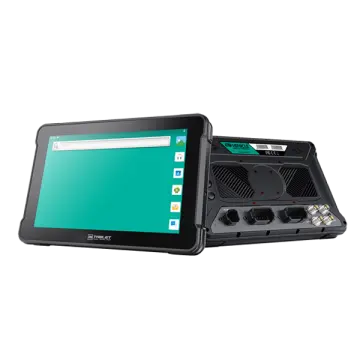 AT-10A
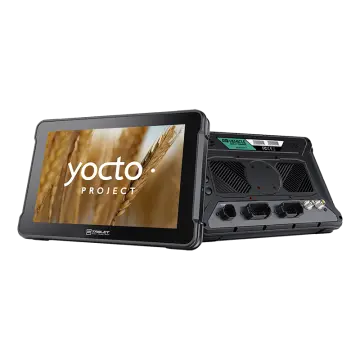 AT-10AL
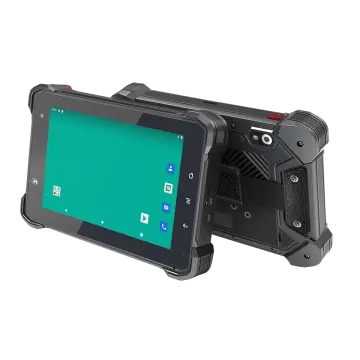 VT-7 GA/GE
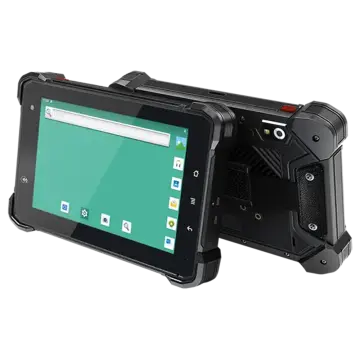 VT-7 Pro
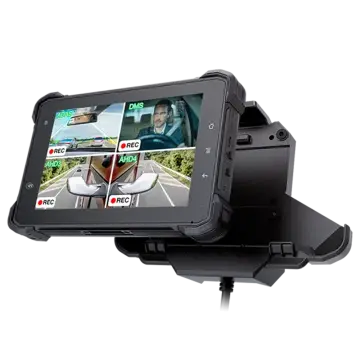 VT-7 PRO (AHD)
 VT-7A
VT-7A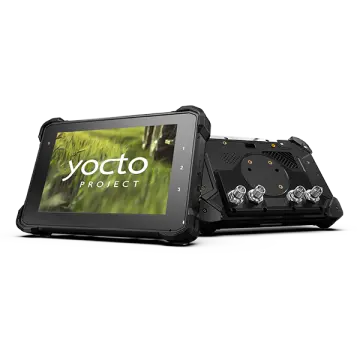 VT-7AL
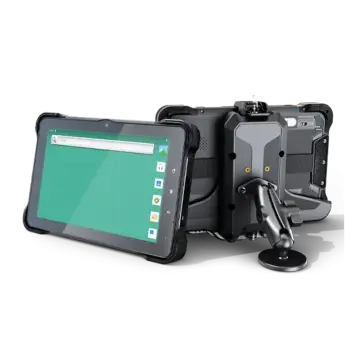 VT-10
VT-10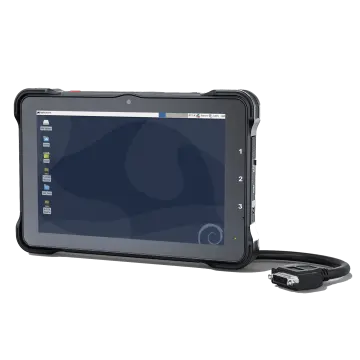 VT-10 IMX
 VT-10 Pro
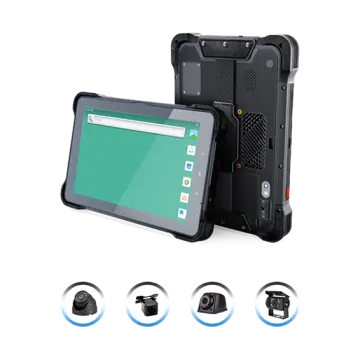 VT-10 Pro AHD
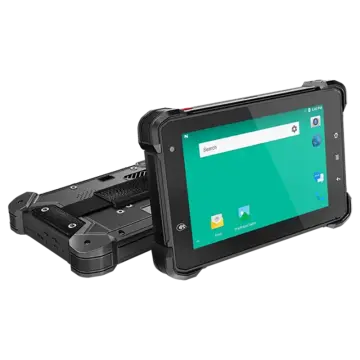 VT-7
VT-7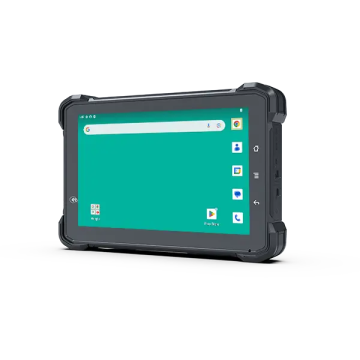 VT-7A PRO
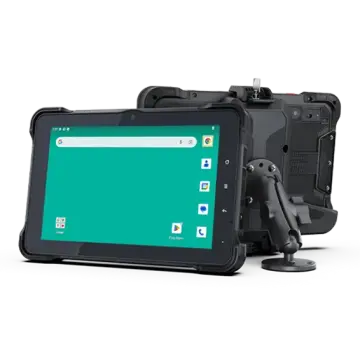 VT-10A Pro
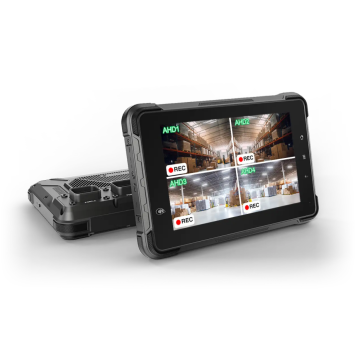 ST-7 Rugged Table
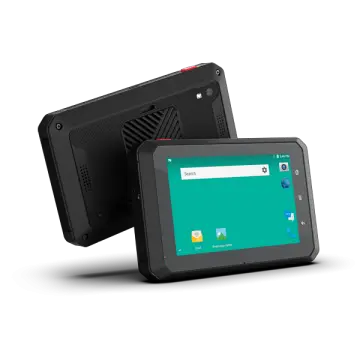 VT-5A
VT-5A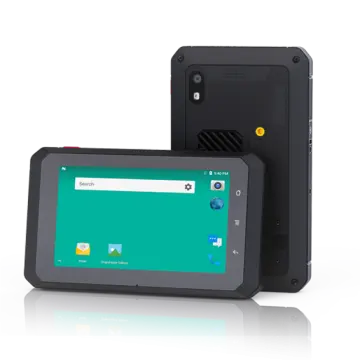 VT-5
VT-5 VT-BOX
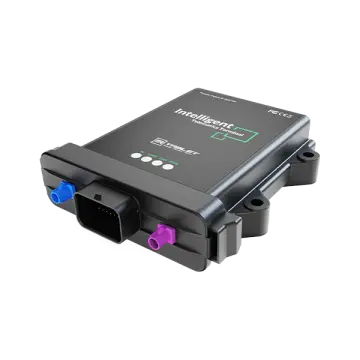 VT-BOX-II
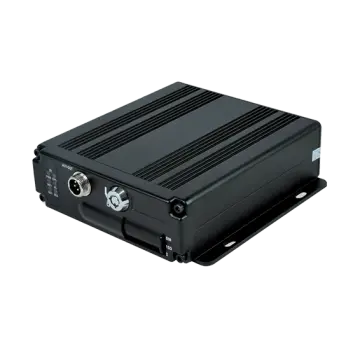 AI-MDVR040
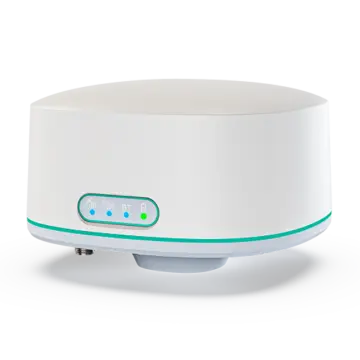 AT-B2
AT-B2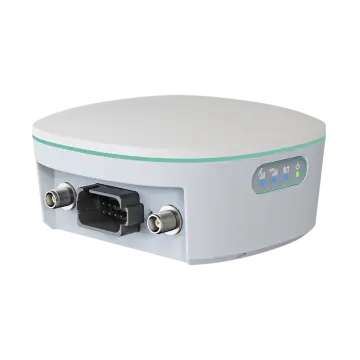 AT-R2
AT-R2