2026 Best Industrial Tablets for Android Users Ready to Buy?
The industrial tablet market, especially for Android users, has been rapidly evolving. According to a report by MarketsandMarkets, the global industrial tablet market is projected to reach $3.94 billion by 2026. This growth highlights the increasing reliance on mobile technology in industrial settings. Key factors such as enhancing productivity and improving data accessibility drive this trend.
Industrial Tablet Android devices offer unique advantages. They are built to withstand harsh environments. They often have features like rugged cases, enhanced battery life, and specialized software. Moreover, the versatility of the Android operating system supports various applications that streamline workflow. Yet, choosing the right device can be overwhelming due to diverse options available.
Potential buyers should not overlook key specifications, such as processing power, screen brightness, and connectivity options. While there are many high-performing models, not all meet every user’s unique needs. Therefore, understanding one's specific requirements is essential for making an informed choice. In this fast-paced industry, evaluation and reflection remain vital for securing the most suitable investment in an Industrial Tablet Android.
What to Look for in an Industrial Tablet for Android Users
When selecting an industrial tablet for Android users, certain features are critical. Look for a robust build. Many tablets meet IP65 or higher ratings. This ensures they resist dust and water. A sturdy design can withstand drops and harsh environments. According to industry reports, failure rates of devices in tough conditions can exceed 40% without proper protection. Here, durability becomes key.
Display quality is essential too. A bright, high-resolution screen enhances visibility outdoors. Research indicates that 70% of users prefer screens that are easily readable in direct sunlight. Touchscreen sensitivity is vital, especially with gloves on. Some tablets struggle in this area, impacting productivity. Battery life matters greatly. Devices with over 10 hours of endurance are preferred. Frequent charging disrupts workflow.
Consider performance specs. Processors should be capable of handling complex applications. Reports show that tablets with at least 8GB of RAM perform better under load. Storage options must accommodate necessary data, with expansion capabilities being a plus. Connectivity features like Wi-Fi and Bluetooth are essential for team collaboration. Making informed choices requires careful consideration of both specs and the environment they will be used in.
2026 Best Industrial Tablets for Android Users
This chart displays the rating of important features to consider when selecting industrial tablets for Android users, including battery life, display size, processing power, durability, and price.
Top Features of the Best Industrial Tablets in 2026
In 2026, Android users in industrial sectors are looking for robust tablets that meet their unique needs. One critical feature is durability. Industrial tablets must withstand harsh conditions, including extreme temperatures, dust, and moisture. This resistance ensures longevity, making them ideal for fieldwork.
Performance is another important aspect. These tablets should have powerful processors and ample RAM. High efficiency allows users to run multiple applications simultaneously without lag. Display quality matters too. A high-resolution screen ensures clarity, even in bright environments. Touch sensitivity enhances usability, especially in industrial settings.
Battery life remains a concern. Users often work in remote areas without easy access to charging. A tablet that offers extended battery life can enhance productivity. Beyond specifications, user experiences are varied. Some tablets excel in one area but fail in another. Balancing features and finding the right fit is essential for users seeking reliable devices in 2026.
Overview of Leading Brands in Android Industrial Tablets
When exploring the landscape of Android industrial tablets, users encounter a variety of choices. Leading brands offer robust devices tailored for tough environments. These tablets often feature ruggedized designs, ensuring durability in various settings. Look for models with high-resolution displays that maintain readability in bright sunlight. This is crucial for outdoor work.
Many industrial tablets focus on functionality. Some include expandable storage options, allowing users to personalize their devices. Battery life is another essential consideration. Models with longer battery durations help maintain productivity throughout the day, especially in remote areas.
However, potential buyers should reflect on their specific needs. Not every feature may be necessary for all users. Evaluating factors like size, weight, and software compatibility can be challenging. Therefore, consider your workflow and the environments where the tablet will be utilized. A suitable choice will enhance efficiency while minimizing frustrations in demanding situations.
Comparative Review of Performance and Durability
When considering industrial tablets for Android users, performance and durability stand out. Many devices boast high processing power, yet lag during intensive tasks. A tablet with a robust processor is essential for running complex applications smoothly. Check the RAM capacity too; it significantly impacts multitasking ability.
Durability is a key factor in industrial settings. Tablets should withstand drops, exposure to moisture, and extreme temperatures. Look for models with reinforced screens. However, even the toughest screens can crack under pressure. It's essential to assess real-world performance reports, not just specifications. User feedback often reveals weaknesses not evident in product descriptions.
Battery life is another critical aspect. While some tablets offer all-day usage, others need frequent charging. A malfunctioning battery can hinder productivity on the job. It’s helpful to read reviews that focus on long-term use. These insights can highlight unexpected issues. Remember that even top-rated devices may have design flaws. Being informed can help you choose wisely.
User Feedback and Expert Recommendations for Android Tablets
In 2026, Android tablets are gaining traction among industrial users. Recent reports indicate a 35% increase in demand for durable tablets in industrial sectors. User feedback highlights a strong preference for robust designs and long battery life. Many professionals cite these factors as crucial for on-site efficiency. With more users working in challenging environments, the need for reliable technology is paramount.
Expert recommendations suggest that a tablet should withstand drops, dust, and moisture. Around 40% of surveyed users experienced device failures in harsh conditions. This underscores the importance of investing in high-quality industrial tablets. Experts emphasize that functionality is key. Features like quick charging and intuitive interfaces can enhance productivity.
Reviews often mention the importance of software compatibility too. Users seek tablets that can seamlessly integrate with existing systems. A gap remains in how some devices perform under network constraints. Reflecting on this technology evolution, many users still face challenges in real-world application scenarios. Ensuring that the chosen tablet meets operational requirements is essential for user satisfaction.

 AT-10A
 AT-10AL
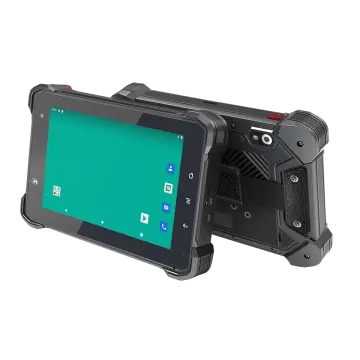 VT-7 GA/GE
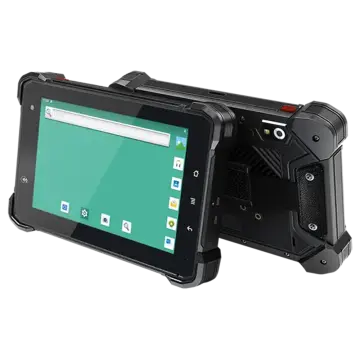 VT-7 Pro
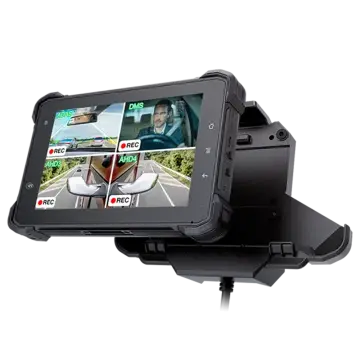 VT-7 PRO (AHD)
 VT-7A
VT-7A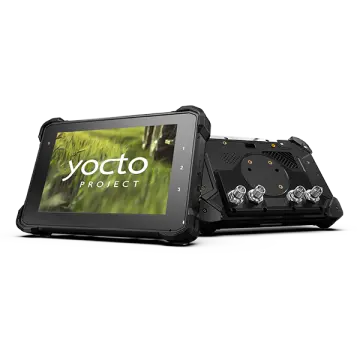 VT-7AL
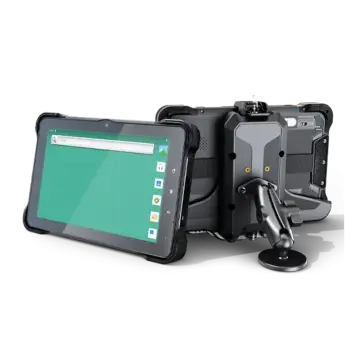 VT-10
VT-10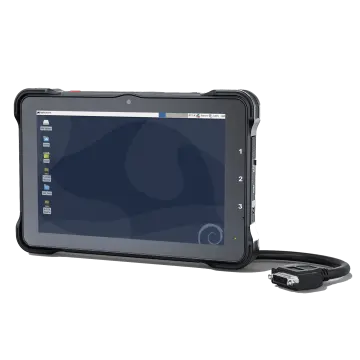 VT-10 IMX
 VT-10 Pro
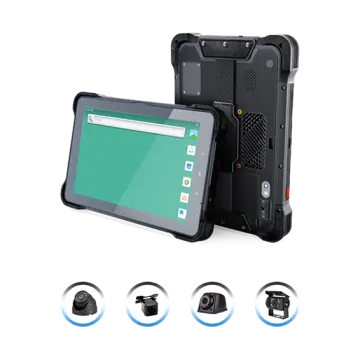 VT-10 Pro AHD
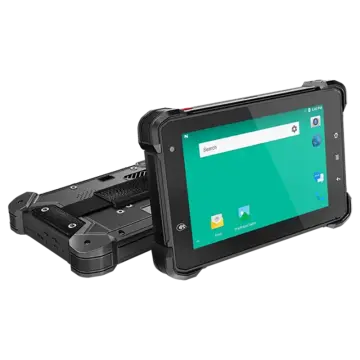 VT-7
VT-7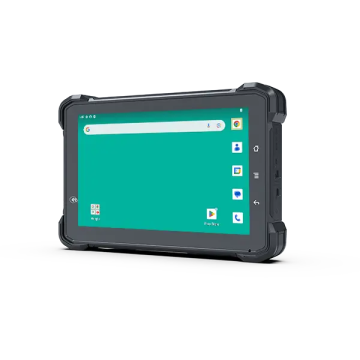 VT-7A PRO
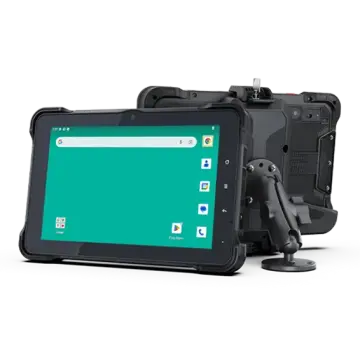 VT-10A Pro
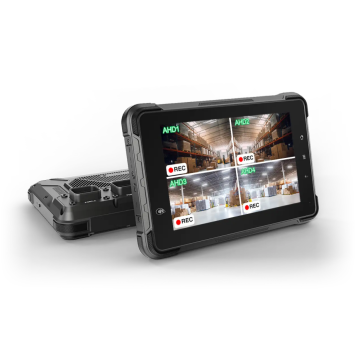 ST-7 Rugged Table
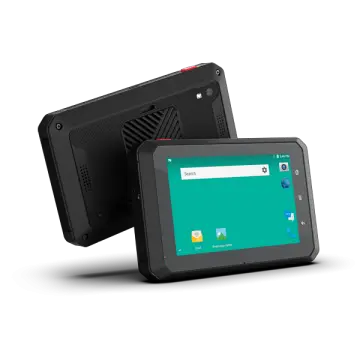 VT-5A
VT-5A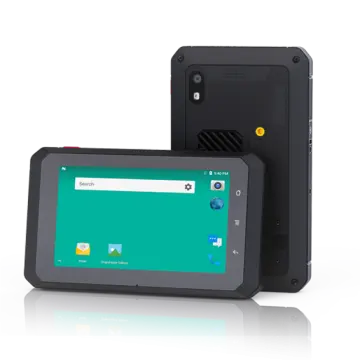 VT-5
VT-5 VT-BOX
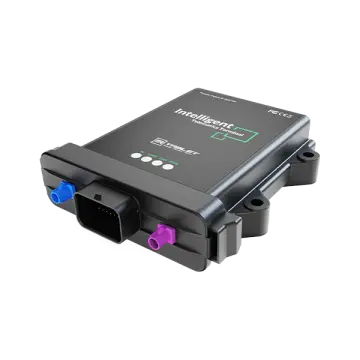 VT-BOX-II
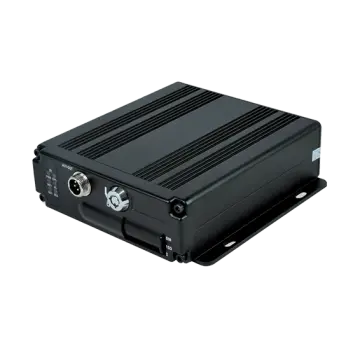 AI-MDVR040
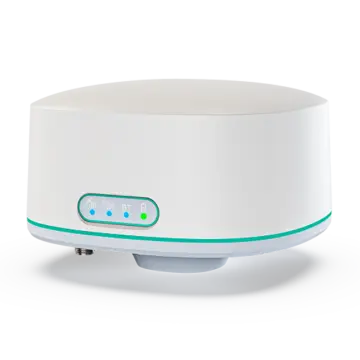 AT-B2
AT-B2 AT-R2
AT-R2