How to Choose the Best Industrial Android Tablet for Your Business?
Choosing an Industrial Tablet Android for your business is crucial. The right tablet can enhance productivity and streamline operations. However, the options can be overwhelming. Many brands claim to offer the best features.
Consider what your business truly needs. Do you require ruggedness for tough environments? Or high-resolution displays for detailed work? Each factor plays a significant role in your decision. You must evaluate battery life, processing power, and durability. An industrial tablet should withstand harsh conditions while maintaining performance.
Do not rush into a choice. Research different models and read user reviews. Engage with industry experts for insights. An informed decision can lead to better outcomes for your organization. Remember, not every tablet labeled "industrial" is suitable for your needs. Trust your instincts and choose wisely.
Understanding the Different Types of Industrial Android Tablets Available
When selecting an industrial Android tablet, it's crucial to understand the types available. These devices cater to various applications, ensuring your business needs are met. Typically, tablets are categorized into rugged, semi-rugged, and standard models.
Rugged tablets are built to withstand extreme conditions. They often feature reinforced screens and durable housings. A recent study indicates that 70% of companies prefer rugged devices for outdoor and hazardous environments. Semi-rugged options provide a balance of durability and weight. Standard tablets are lighter and more affordable, but may not survive harsh industrial settings.
Moreover, performance specifications matter. Look at processor speed, RAM, and battery life. A report showed that long battery life is critical for field workers, with over 60% valuing it highly. However, balancing performance with cost is challenging. Higher specs often mean a higher price tag, which can strain budgets. Finally, consider software compatibility. Some tablets may not support specific industry applications, leading to potential operational issues.
Assessing Durability Standards for Industrial Tablets in Harsh Environments
When selecting an industrial Android tablet for challenging work environments, durability is crucial. Tablets often face extreme temperatures, dust exposure, or accidental drops. A reliable tablet needs to withstand these harsh conditions. Look for devices with certification ratings, like IP65 or MIL-STD-810G. These ratings ensure that the tablet is resistant to water, dust, and impacts.
Consider the material of the tablet's casing. A rugged construction can provide better protection against physical damage. Check for reinforced corners and gorilla glass. These features can prevent screen cracks and enhance longevity.
Tips: Always assess user reviews. Real-world experience is invaluable. Observe how other businesses use the tablet in harsh environments. Evaluate the warranty and after-sales support as well. This can help in making a better-informed choice. A tablet may look good on paper, but actual performance matters more in tough conditions.
Durability Standards for Industrial Android Tablets
Evaluating Operating System Compatibility and Updates for Business Needs
When choosing an industrial Android tablet, evaluating operating system compatibility is crucial. A tablet should seamlessly integrate with existing business applications. Ensure the device runs on the latest Android version compatible with your software tools. This compatibility impacts user experience and productivity. Outdated operating systems can lead to security vulnerabilities and limited app functionality.
Regular updates from the manufacturer also play a vital role. Tablets that receive frequent updates ensure better performance and security. An update may fix bugs or introduce new features. However, not all manufacturers are consistent with their update cycles. Research the brand's history in providing timely updates. This may reflect their commitment to long-term customer support.
Consider the specific needs of your industry as well. Some sectors, like healthcare or manufacturing, may require specialized applications. Check if the tablet supports these apps fully. Testing the device before implementation might reveal unforeseen compatibility issues. Observe how user-friendly the operating system is for your team. Remember, the best choice is one that meets both immediate and future needs.
Analyzing Performance Metrics: RAM, Processor, and Battery Life Requirements
When selecting an industrial Android tablet, performance metrics such as RAM, processor, and battery life are crucial. A tablet with at least 4GB of RAM generally provides adequate multitasking capabilities. This allows users to run multiple applications without lag. However, for more demanding tasks, 8GB or even 12GB may be necessary.
The processor is another key factor, as it directly impacts speed and efficiency. Look for tablets with quad-core or higher processors to ensure responsive performance. A fast processor can reduce wait times and improve workflow. Yet, it is essential to verify if the processor's capability aligns with your specific tasks.
Battery life must not be overlooked. A tablet that lasts a full workday without needing a charge is ideal. However, some options may claim long battery life but do not deliver in real-world conditions. It’s beneficial to check user reviews and conduct tests when possible. Knowing the limitations of each metric is vital. It will help prevent overspending on features that may not fit your operational needs.
Identifying Key Features for Specific Industries and Use Cases
Selecting the right industrial Android tablet involves understanding specific industry needs and use cases. For manufacturing, durability is crucial. Tablets must withstand harsh environments. Look for rugged designs that resist dust, moisture, and drops. An ideal tablet should support essential applications like inventory management and machine monitoring. Ergonomics matter too; a lightweight device can enhance usability on the production floor.
In the healthcare sector, security and portability are top priorities. Ensure devices have robust security features to protect sensitive patient data. Tablets should be easy to disinfect, given the need for hygiene. Consider battery life for continuous use during long shifts. Integration with existing healthcare systems can streamline workflows, improving overall efficiency.
For retail, features like a bright screen and fast connectivity are vital. Tablets in this area should support payment processing and inventory tracking. Front and rear cameras can assist in product management and customer engagement. Flexibility is essential, allowing staff to adapt to varying customer needs. However, investments must align with actual use; overly advanced features may become unnecessary. Balancing cost with required specifications is key.

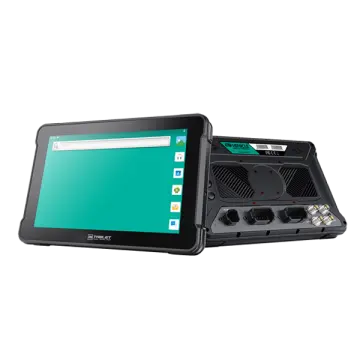 AT-10A
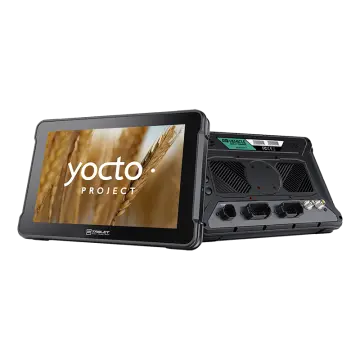 AT-10AL
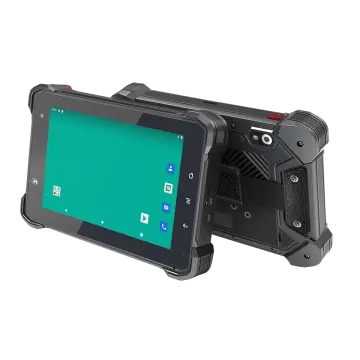 VT-7 GA/GE
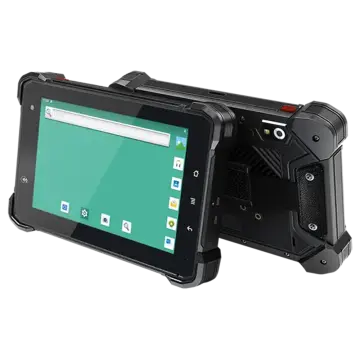 VT-7 Pro
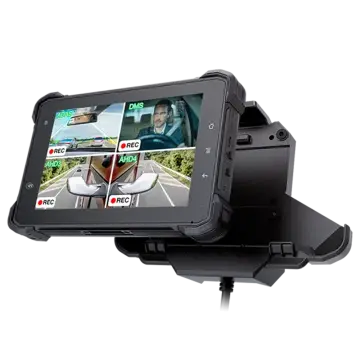 VT-7 PRO (AHD)
 VT-7A
VT-7A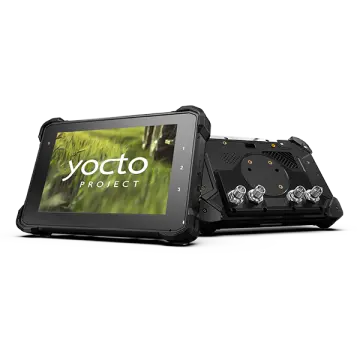 VT-7AL
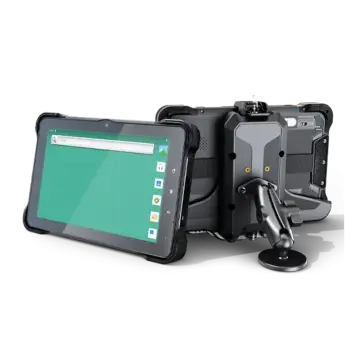 VT-10
VT-10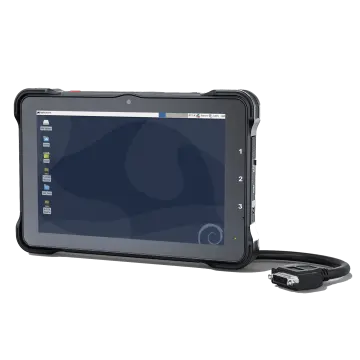 VT-10 IMX
 VT-10 Pro
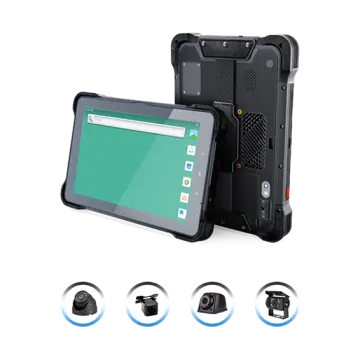 VT-10 Pro AHD
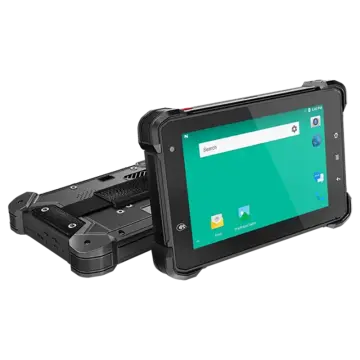 VT-7
VT-7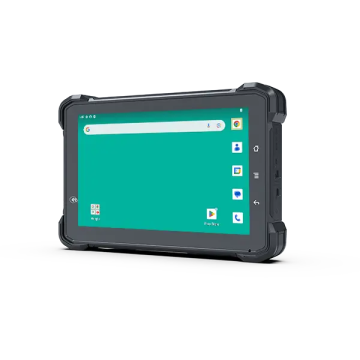 VT-7A PRO
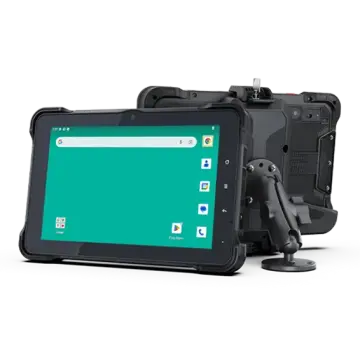 VT-10A Pro
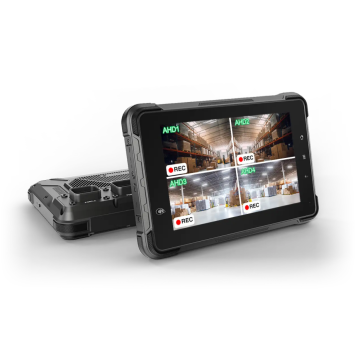 ST-7 Rugged Table
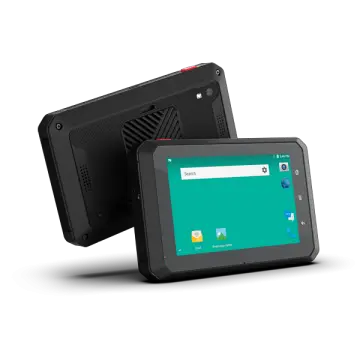 VT-5A
VT-5A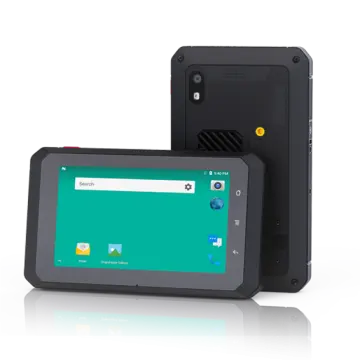 VT-5
VT-5 VT-BOX
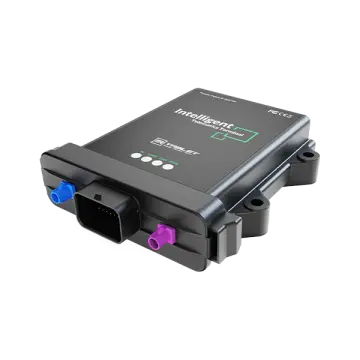 VT-BOX-II
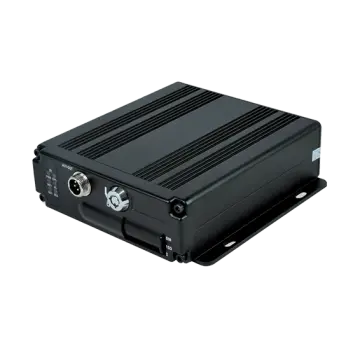 AI-MDVR040
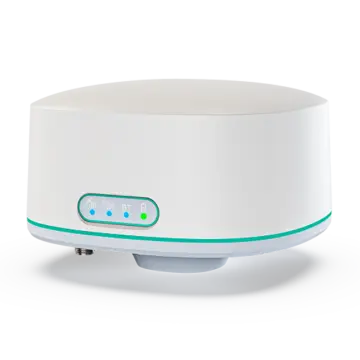 AT-B2
AT-B2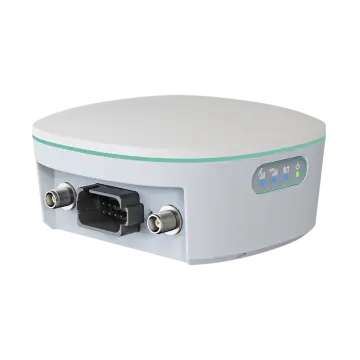 AT-R2
AT-R2