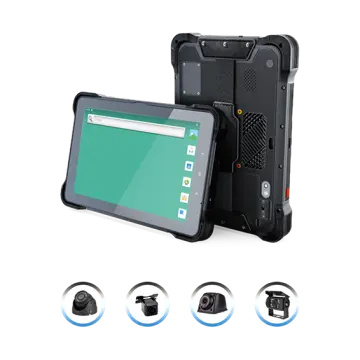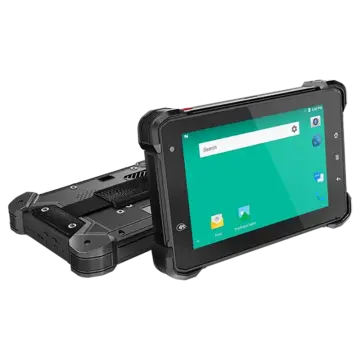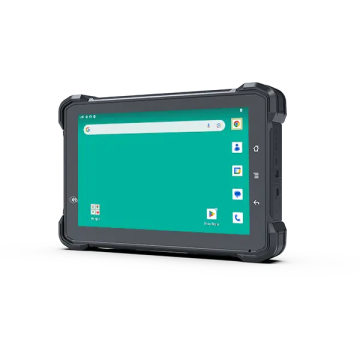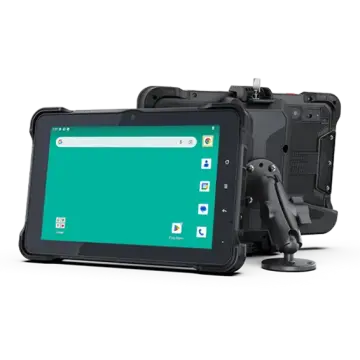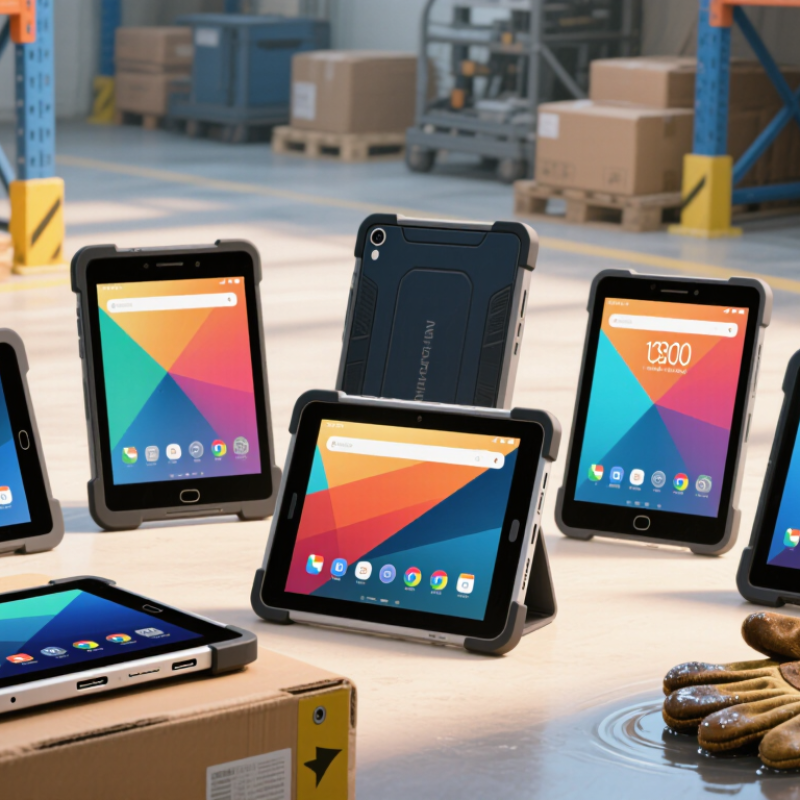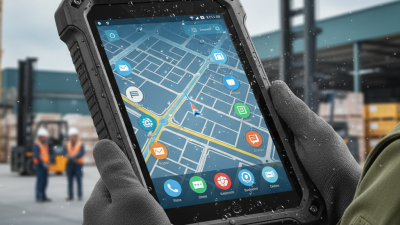
Choosing the best Rugged Android Tablet from China requires more than comparing screen size and processor speed. It means examining real working conditions: warehouse dust, outdoor glare, forklift vibration, wet gloves, and repeated drops from a loading dock.
Industry data supports this demand. IDC reported approximately 147.6 million tablet shipments worldwide in 2024, showing renewed tablet adoption across commercial sectors. Grand View Research also identifies rugged tablets as a growing industrial technology category, driven by logistics, manufacturing, field service, healthcare, and public infrastructure. However, these reports usually measure shipment trends, not long-term reliability. That gap matters.
VDC Research analyst David Krebs captures the practical issue clearly: “Rugged mobility is about matching device design to the work environment, not merely adding protection.” This principle should guide every comparison. A tablet with an IP65 rating may resist dust and water jets, yet still fail under poor software support or weak battery performance. Specifications can look impressive. Field experience may disagree.
The strongest candidates from China often combine Android enterprise features, sunlight-readable displays, replaceable batteries, programmable buttons, and extended product support. Yet buyers should verify test methods, warranty terms, Google Mobile Services availability, and Android update policies. Some manufacturers publish limited documentation. That is a warning sign.
This guide evaluates leading models through durability, connectivity, ergonomics, security, and total ownership cost. No device is perfect. A heavier chassis may protect better but reduce comfort during a twelve-hour shift. The best choice depends on where the tablet works, who carries it, and how failure affects operations.
A high-quality rugged Android tablet is defined by verified performance, not a thick rubber frame. MarketsandMarkets estimates the rugged tablet market will grow by roughly 7% annually through 2028. That growth reflects demand from logistics, construction, field service, and public infrastructure. Buyers increasingly need stable tools, not decorative specifications.
A dependable model should meet a clearly stated IP rating under IEC 60529. IP65 protects against dust and water jets, while IP68 supports deeper temporary immersion under tested conditions. Drop resistance also matters. MIL-STD-810H testing can assess shock, vibration, temperature, and humidity. However, the label alone proves little. Ask for test methods, drop height, device condition, and laboratory evidence. Marketing language is often too confident.
Battery behavior deserves equal attention. VDC Research reports that frontline technology decisions commonly prioritize durability, mobility, and total ownership costs. A practical tablet should survive a full shift, support replaceable or serviceable batteries, and maintain charging stability in cold storage rooms. Wi-Fi performance, sunlight readability, glove touch, and physical ports require hands-on checks. Android security updates should have a written support schedule. I would also inspect repair time and spare-part availability, because one damaged charging port can stop a working team.
No tablet survives every careless drop. That remains an uncomfortable limitation.
Sources: MarketsandMarkets Rugged Tablets Market report; VDC Research rugged mobile computing research; IEC 60529; MIL-STD-810H.
What Is the Best Rugged Android Tablet from China? The answer depends on where the tablet will work. Industrial and outdoor users need more than a thick case and a large screen. They need dependable performance in dust, rain, vibration, and changing temperatures. A practical evaluation should include hands-on testing, not only product specifications.
Screen readability matters in direct sunlight. Look for strong brightness, an anti-glare surface, and controls that respond to wet fingers or work gloves. A sealed housing with an appropriate IP rating helps protect against dust and water. Drop resistance is also important, especially near vehicles, warehouses, and construction areas. However, test methods can differ between suppliers. Ask for clear laboratory reports and check what each rating actually covers.
Battery design deserves close attention. A replaceable battery can reduce downtime during long shifts, while USB-C charging simplifies field use. GPS accuracy, Wi-Fi stability, and optional mobile connectivity support real-time work away from the office. The tablet should also offer enough memory for mapping, inspection, and inventory applications. Too much focus on processor speed can hide weak thermal management. That mistake is common.
Physical ports need protective covers, but those covers must remain usable after repeated opening. Mounting points, a wrist strap, and a bright flashlight can make daily tasks easier. Android update support and repair access also affect long-term reliability. No tablet is perfect. A heavier body may survive more abuse, but it can tire a technician after several hours. Choose by workload, climate, gloves, and maintenance plans rather than appearance alone.
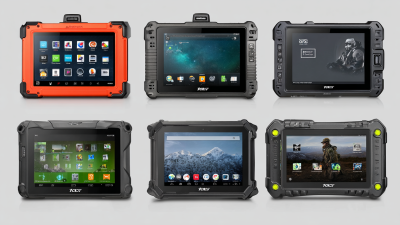
Comparing leading Chinese rugged Android tablet models requires more than checking processor speed. Start with the worksite. An eight-inch model is easier to carry through warehouses and service vehicles. A ten-inch version gives technicians more room for maps, forms, and wiring diagrams. Look for a high-brightness display, glove operation, and physical buttons that remain usable in rain. Sealed ports and a verified IP rating matter when dust reaches every hinge. Good specifications alone are not enough.
Battery capacity separates similar-looking models during long inspections. A replaceable battery helps mobile crews, while a large fixed pack can reduce downtime. However, a heavy battery changes one-handed use. That trade-off is easy to miss. Compare Wi-Fi stability, multi-band positioning, NFC, and optional cellular support. For warehouses, accurate barcode scanning may matter more than a faster processor. For outdoor maintenance, sunlight readability and a strong speaker deserve equal attention. Field trials often show that charging docks influence productivity more than benchmark scores. The dock is part of the system.
Durability claims should be checked against published test methods, not just product photos. Look for documentation covering drops, vibration, temperature changes, and water exposure. Android version support also separates professional equipment from short-lived hardware. Ask how many security updates are promised and whether replacement parts remain available. Some lower-cost models feel impressive initially, but their cameras, speakers, or connectors may age poorly. That is an uncomfortable possibility. I would test the touchscreen with wet gloves, inspect the charging seal, and ask the supplier to document its drop testing before approving a purchase.
| Anonymous Tablet Profile | Best Use Case | Screen | Operating System | Protection | Battery | Connectivity | Approx. Weight | Main Strength |
|---|---|---|---|---|---|---|---|---|
| Compact 8-Inch Entry Model | Field inspection, delivery, inventory | 8-inch IPS, 1280 × 800, glove-capable touch | Android 12 or later | IP65; drop-resistant housing; selected configurations tested to MIL-STD-810H methods | Approximately 5,000–6,000 mAh | Wi-Fi, Bluetooth, optional 4G LTE, USB-C | Approximately 0.65–0.85 kg | Lightweight and easy to carry for routine mobile work |
| 8-Inch Professional LTE Model | Utilities, transportation, warehouse operations | 8-inch IPS, 1920 × 1200, sunlight-readable option | Android 13 or later | IP67; sealed ports; multi-angle drop protection; MIL-STD-810H option | Approximately 7,000–8,000 mAh | Dual-band Wi-Fi, Bluetooth, 4G LTE, GPS, USB-C, optional NFC | Approximately 0.75–1.00 kg | Balanced mobility, cellular communication, and outdoor durability |
| 10-Inch Industrial Model | Manufacturing, logistics, construction, service teams | 10.1-inch IPS, 1920 × 1200, high-brightness option | Android 13 or later | IP65 or IP67; rugged corner protection; optional MIL-STD-810H testing | Approximately 8,000–10,000 mAh | Wi-Fi 5 or later, Bluetooth, optional 4G/5G, GPS, USB-C, pogo-pin dock | Approximately 1.10–1.45 kg | Large workspace for forms, dashboards, maps, and industrial applications |
| 10-Inch High-Capacity Model | Remote worksites, public safety, long-shift operations | 10.1-inch IPS, 1920 × 1200, glove and wet-touch support | Android 12 or later | IP67; reinforced chassis; drop resistance; optional sealed expansion ports | Approximately 10,000–13,000 mAh; removable battery on selected configurations | Wi-Fi, Bluetooth, 4G LTE, GPS, USB-C, serial or Ethernet options | Approximately 1.30–1.70 kg | Extended operating time and flexible industrial I/O |
| 12-Inch Large-Display Model | Vehicle inspection, control rooms, engineering documentation | 12.2-inch IPS, 1920 × 1200 or higher, optional high brightness | Android 13 or later | IP65; ruggedized frame; selected versions include MIL-STD-810H testing | Approximately 8,000–10,000 mAh | Wi-Fi, Bluetooth, optional 4G/5G, GPS, USB-C, docking interface | Approximately 1.40–1.90 kg | Best visibility and productivity for detailed documents and dashboards |
| 5G Advanced Rugged Model | Connected field service, video support, mobile command applications | 8-inch or 10-inch IPS, 1920 × 1200, high-brightness configuration available | Android 13 or later | IP67; reinforced enclosure; drop protection; testing varies by configuration | Approximately 8,000–10,000 mAh | 5G, Wi-Fi, Bluetooth, multi-band GNSS, USB-C, optional NFC and barcode scanner | Approximately 0.95–1.50 kg | Fast mobile data and advanced positioning in areas without reliable Wi-Fi |
Note: The specifications shown are representative configurations commonly offered by Chinese rugged-tablet manufacturers. Actual screen brightness, processor, battery capacity, cellular bands, ingress rating, drop certification, and operating temperature can vary by configuration and production batch.
What Is the Best Rugged Android Tablet from China?
What Should Buyers Check Before Choosing a Rugged Android Tablet?
Demand is rising. IDC reported 147.6 million tablet shipments worldwide in 2024, a 9.2% annual increase. Grand View Research also forecasts steady growth in the rugged tablet market through 2030. These figures show opportunity, but they do not prove durability.
Check the enclosure, ports, and screen before comparing processor speed. An IP65 or IP67 rating should come from documented laboratory testing, not a product photograph. IEC 60529 defines protection against dust and water, while MIL-STD-810H testing covers selected environmental conditions. It is not a universal durability guarantee. A tablet may survive rain but fail after repeated drops onto concrete.
Test it properly.
Battery capacity matters less than usable runtime in cold warehouses or direct sunlight. Ask for measured results, charging temperature limits, and replacement-battery availability. Android version, security-patch policy, mobile-device-management support, and update duration deserve equal attention. IDC research repeatedly identifies enterprise reliability and lifecycle value as important purchasing factors. A low purchase price can become expensive when charging docks, spare parts, or technical support disappear.
Chinese manufacturing can offer strong customization and competitive pricing. Still, buyers should verify factory test records, sample consistency, warranty procedures, and repair response times. I would not trust one impressive sample. Ten units tested across a real shift reveal more. The uncomfortable part is simple: rugged claims are often clearer than long-term service evidence.
Choosing the best rugged Android tablet starts with the worksite, not the specification sheet. A warehouse picker needs a bright display, barcode support, gloves-friendly controls, and stable Wi-Fi. A field engineer may need LTE, GPS, a replaceable battery, and reliable outdoor visibility. According to VDC Research’s 2023 rugged mobile computing analysis, durability, battery life, and lifecycle support remain major purchase factors for mobile workers. The report also warns that device failure can create higher operational costs than the original purchase price.
Match protection levels to real exposure. An IP65 rating can resist dust and water jets, but it does not guarantee survival after repeated drops. Check the stated drop height, tested surface, operating temperature, and port covers. SGS technical testing guidance also emphasizes that laboratory ratings depend on test conditions. Do not treat a marketing label as field evidence. Ask for independent test records when possible. Small details matter. Can workers charge it inside a vehicle? Is the screen readable under direct sunlight? Can technicians replace the battery without excessive downtime?
Software support deserves equal attention. Android Enterprise security guidance recommends reviewing update policies, device management compatibility, and enrollment controls before deployment. Ask how many Android version upgrades are promised. Confirm monthly security support in writing. MarketsandMarkets projected the rugged devices market to grow from about 2.3 billion dollars in 2023 to 3.4 billion dollars by 2028, showing stronger demand for specialized hardware. Still, bigger is not always better. A heavier tablet may survive harsh use, yet exhaust a worker during an eight-hour shift. Test one unit in the actual workflow. Mistakes happen when buyers compare specifications instead of measuring hands, weather, network coverage, and repair time.
The chart compares practical minimum specifications for four common rugged-tablet use cases. Outdoor inspection generally requires the brightest display and the highest drop protection, while logistics applications benefit from lower weight and longer battery endurance. For demanding field work, prioritize an IP65 or higher enclosure, a 1.2-meter or greater drop rating, at least 700 nits of brightness, and a battery capable of a full working shift.