Why Choose an Android Industrial Tablet for Your Business Needs?
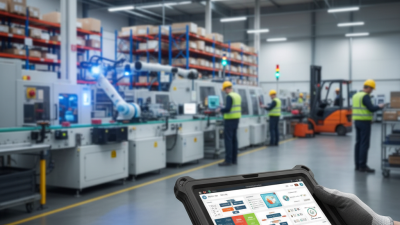
In today’s fast-paced business environment, companies are constantly seeking efficient solutions. An Android Industrial Tablet stands out as a versatile tool that can enhance productivity. These tablets are designed specifically for industrial usage, ensuring durability and performance. They withstand harsh conditions while maintaining functionality.
Choosing the right device is crucial. Many businesses struggle with outdated technology that hinders workflow. An Android Industrial Tablet offers modern features that can alleviate this issue. With an intuitive interface and extensive app support, employees can streamline operations effectively. However, not every tablet meets industrial standards. Companies must assess their specific needs to avoid potential pitfalls.
Opting for an Android Industrial Tablet means considering factors like battery life, ruggedness, and connectivity. While these devices offer great advantages, it’s essential to reflect on your business requirements. Investing in the wrong technology could lead to inefficiencies. Therefore, careful evaluation is necessary to ensure long-term success.
Advantages of Android Industrial Tablets Over Traditional Devices
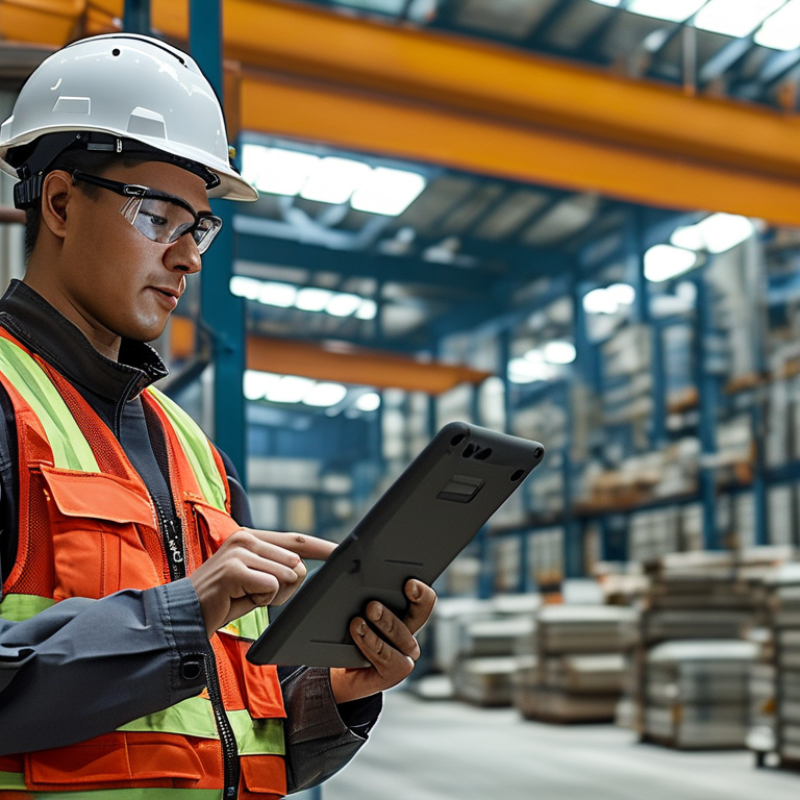
Android industrial tablets are becoming the go-to choice for many businesses. These devices offer specific advantages that traditional tablets lack. One significant benefit is enhanced durability. Industrial tablets are designed to withstand harsh environments. They resist dust, moisture, and extreme temperatures. This makes them ideal for manufacturing or fieldwork.
Another key advantage is the user-friendly interface. Android’s operating system is accessible for many workers. With customizable applications, businesses can tailor their devices for specific tasks. This can lead to increased productivity. Employees can efficiently manage tasks on a familiar platform.
Furthermore, Android industrial tablets often require less maintenance than traditional devices. Their robust build means fewer repairs in the long run. Companies appreciate the lower total cost of ownership. However, organizations must assess their specific needs. Not every situation requires an industrial tablet. Businesses should reflect on their environment and requirements before making a choice.
Advantages of Android Industrial Tablets Over Traditional Devices
This chart demonstrates the advantages of Android industrial tablets over traditional devices. The data reflects ratings based on five key criteria: Durability, Customizability, Cost Efficiency, Software Compatibility, and User Experience.
Key Features to Look for in an Industrial Tablet
When choosing an industrial tablet for your business, specific features are crucial. Durability is vital. Look for a rugged design that can withstand drops and extreme temperatures. An IP rating indicates resistance to dust and water, ensuring reliability in tough conditions. A sturdy exterior keeps your investment protected.
Battery life should not be overlooked. Long-lasting power allows uninterrupted work shifts. Consider devices with hot-swappable batteries. This means you can swap in a new battery without turning off the tablet. Connectivity options are important too. A reliable Wi-Fi connection and support for cellular networks can enhance productivity in remote locations.
Additionally, consider the display quality. A bright, high-resolution screen allows for better visibility in various lighting conditions. Touch responsiveness is also critical, especially when using gloves. Look for industrial tablets with customizable interfaces to fit specific job requirements. Compatibility with necessary software and peripherals is another factor that can influence your choice. These features collectively can support your business needs effectively.
How Android's Flexibility Enhances Business Applications
Android tablets have become a preferred choice for many businesses due to their remarkable flexibility. This flexibility significantly enhances various business applications. For instance, an Android tablet can run diverse software tailored for logistics, healthcare, and retail industries. This adaptability allows employees to use the tools they need without being constrained by hardware limitations.
User-friendly interfaces on Android devices make training more efficient. Employees can quickly learn to navigate applications. This ease of use can lead to increased productivity as team members spend less time fixing issues and more time on core tasks. However, this also raises concerns about over-reliance on technology. Some employees may struggle if they face unexpected reboots or app glitches. Regular updates and proper training are essential to minimize these risks.
Moreover, Android's open-source nature promotes innovation. Businesses can customize applications to meet specific needs. This capability helps in adapting to changing market conditions. However, this can generate challenges. Custom software may require ongoing support and maintenance. Balancing customization with reliability is crucial for businesses aiming for growth.
Cost-Effectiveness of Using Android Tablets in Industries
When businesses consider technology, cost-effectiveness often tops the list. Android industrial tablets offer a significant return on investment. They provide a budget-friendly alternative to traditional computing solutions. Their robust design ensures durability, which reduces replacement costs. Many industries, like logistics and manufacturing, benefit from their reliability.
Another cost-saving advantage is software availability. Android tablets support a vast array of applications. Many tools for inventory management and data collection are either free or low-cost. This accessibility boosts productivity without straining budgets. Maintenance costs also tend to be lower, given the widespread knowledge of the Android operating system.
However, businesses must consider specific needs before transitioning. Some might find that not all applications meet their requirements. Training employees can incur costs and time. Finding the right balance between initial investment and long-term savings requires careful thought. Each industry must evaluate if the switch is worth the potential challenges.
Real-World Use Cases of Android Industrial Tablets in Businesses
Android industrial tablets have become vital tools in various business sectors. Their versatility shines through in logistics, manufacturing, and retail environments. For instance, the logistics industry has seen a 25% increase in shipping efficiency by adopting Android tablets for real-time tracking. These devices facilitate instant data entry and reduce human error, ultimately optimizing delivery processes.
In manufacturing, a study revealed that companies integrating Android tablets reported a 30% improvement in production line efficiency. Workers can access crucial information, such as equipment manuals and inventory levels, from the shop floor. With a user-friendly interface, training time for new employees decreases significantly. Yet, some businesses struggle with data security as they adopt mobile technology, highlighting the importance of robust security measures.
Retailers are also finding value in Android tablets. A report indicated that 70% of retail employees use tablets to assist customers directly on the sales floor. This interaction enhances customer satisfaction and drives sales. However, the fast-paced adoption of these devices can lead to inconsistent customer experiences if staff are not properly trained. Balancing technology usage with personal interaction remains a challenge.
Why Choose an Android Industrial Tablet for Your Business Needs? - Real-World Use Cases of Android Industrial Tablets in Businesses
| Use Case |
Industry |
Key Features |
Benefits |
| Inventory Management |
Retail |
Barcode scanning, real-time updates |
Improved accuracy and efficiency |
| Field Service |
Utilities |
GPS tracking, rugged design |
Enhanced service response time |
| Data Collection |
Manufacturing |
Custom applications, cloud integration |
Streamlined processes and analysis |
| Patient Management |
Healthcare |
Touchscreen interface, secure access |
Improved patient care and record-keeping |
| Customer Engagement |
Hospitality |
Interactive displays, mobile payment |
Enhanced customer experience and satisfaction |

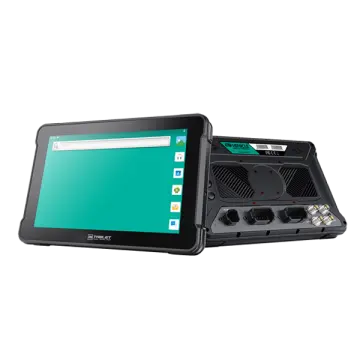 AT-10A
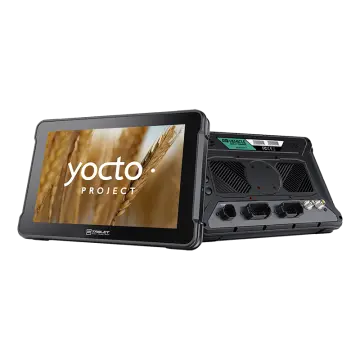 AT-10AL
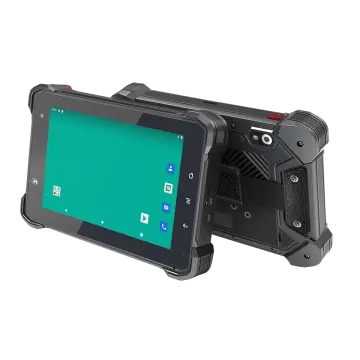 VT-7 GA/GE
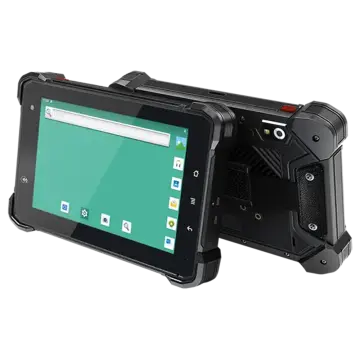 VT-7 Pro
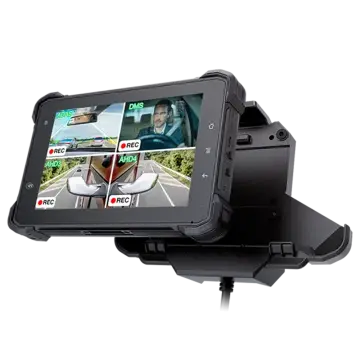 VT-7 PRO (AHD)
 VT-7A
VT-7A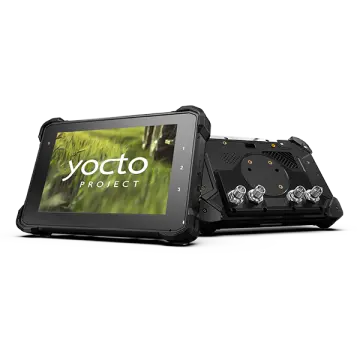 VT-7AL
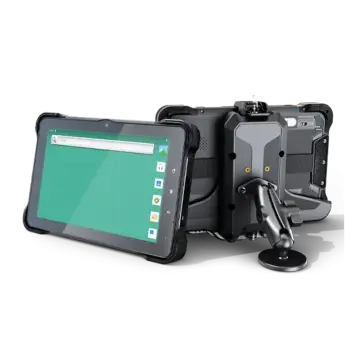 VT-10
VT-10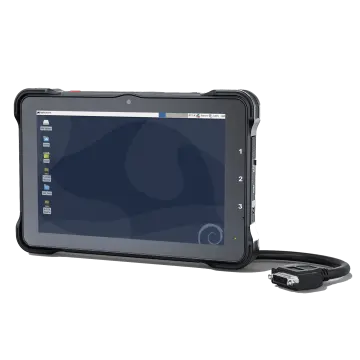 VT-10 IMX
 VT-10 Pro
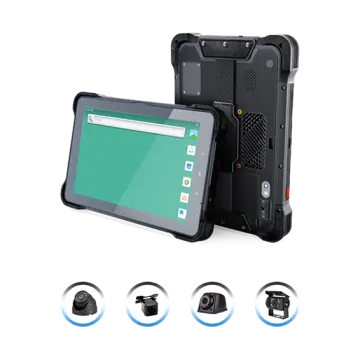 VT-10 Pro AHD
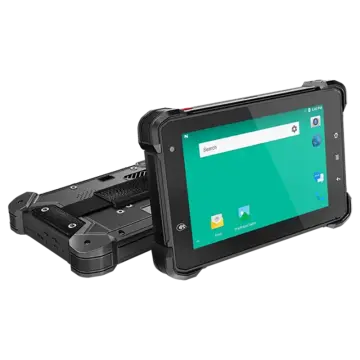 VT-7
VT-7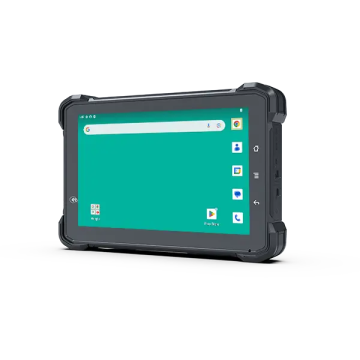 VT-7A PRO
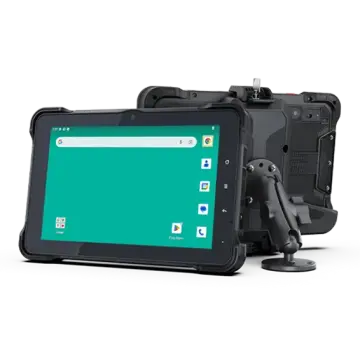 VT-10A Pro
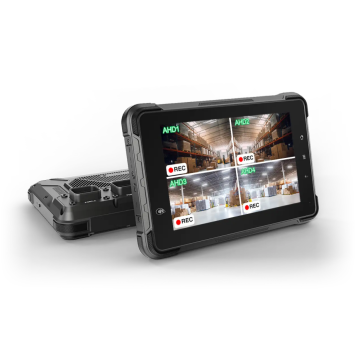 ST-7 Rugged Table
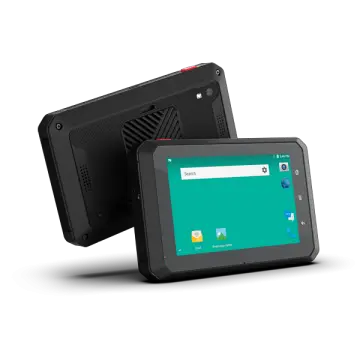 VT-5A
VT-5A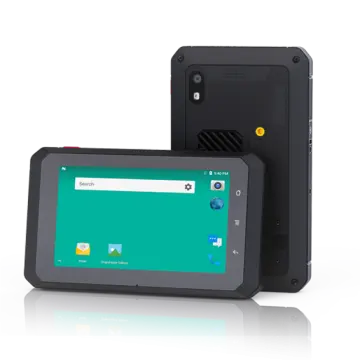 VT-5
VT-5 VT-BOX
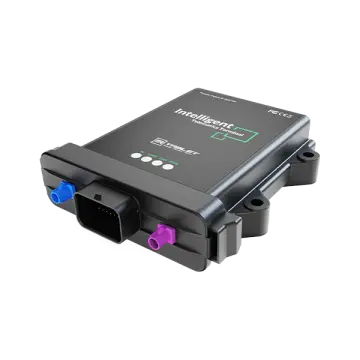 VT-BOX-II
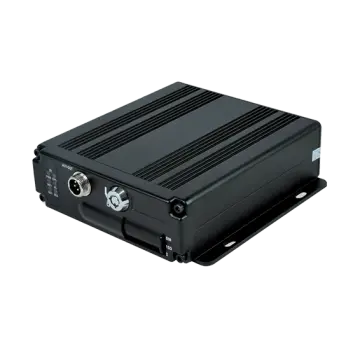 AI-MDVR040
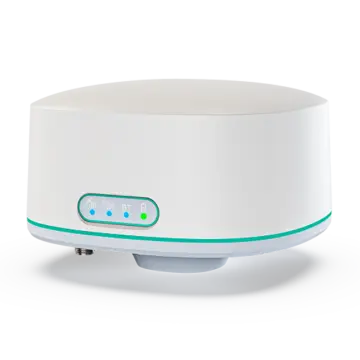 AT-B2
AT-B2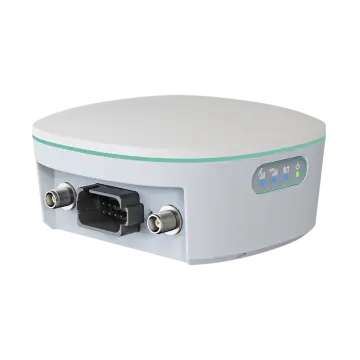 AT-R2
AT-R2