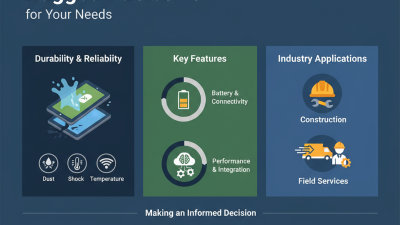
Why Choose an Android Industrial Tablet for Your Business?
In the fast-paced world of business, efficiency and reliability are key. An Android Industrial Tablet serves as an ideal tool for various industries. These tablets combine the power of Android with rugged design. They can withstand harsh environments while delivering optimal performance.
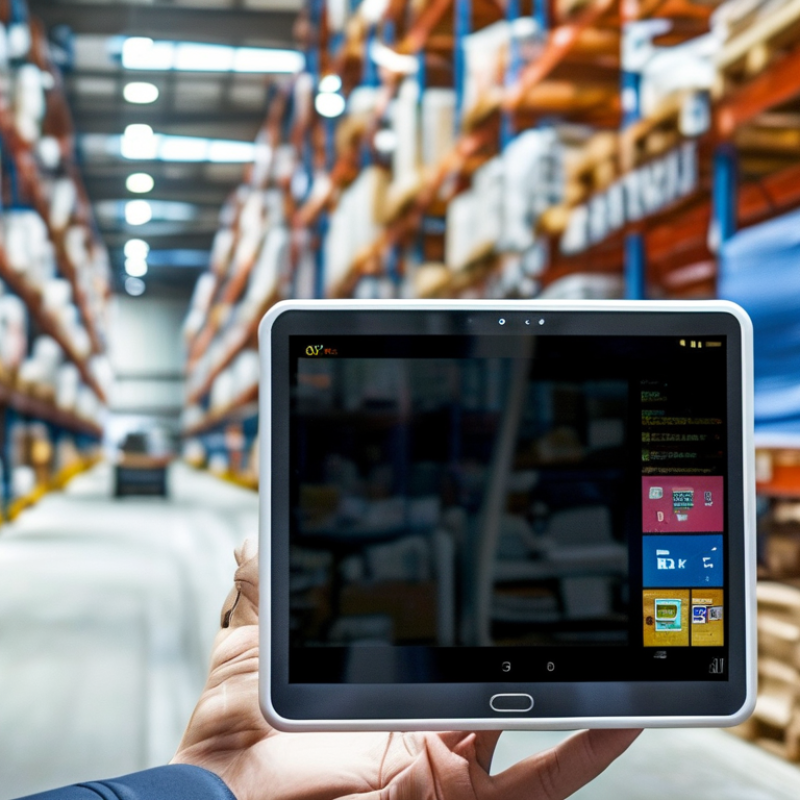
Consider a warehouse setting. An Android Industrial Tablet can help track inventory with ease. It offers real-time data access, enhancing productivity. Workers can scan barcodes and update stock levels seamlessly. The touch screen interface is user-friendly, even for those who are not tech-savvy.
However, choosing the right Android Industrial Tablet requires careful consideration. Manufacturers vary in quality and features. Some tablets may not perform well under extreme conditions. Proper research and consultation with experts are essential. Balancing specifications with practical needs is crucial for maximizing investment.
Advantages of Android Industrial Tablets in Business Applications
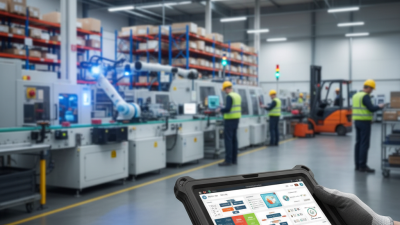
In today’s fast-paced business environment, Android industrial tablets have emerged as a powerful tool. These devices offer versatility and durability that traditional tablets can't match. Workers can access real-time data on the production floor. This immediacy boosts productivity significantly. Moreover, the robust design ensures they can withstand challenging conditions.
Android tablets are highly customizable. Businesses can tailor applications to meet specific needs easily. This adaptability enhances workflow efficiency. Additionally, security features protect sensitive information. However, not all Android industrial tablets are created equal. Businesses must carefully evaluate their requirements and conduct thorough research.
Integration with existing systems can be complex. Staff training is often necessary to maximize the benefits of new technology. Investing time in understanding these devices can yield substantial returns. Embracing Android industrial tablets might seem daunting, but the potential advantages are compelling. Balancing immediate needs with long-term goals is essential for proper implementation.
Why Choose an Android Industrial Tablet for Your Business? - Advantages of Android Industrial Tablets in Business Applications
| Feature |
Benefit |
Application Area |
| Durability |
Resistant to drops, shocks, and extreme environments |
Manufacturing, Warehousing |
| Portability |
Lightweight and easy to carry |
Field Service, Sales |
| Customizable Software |
Tailored apps for specific business needs |
Logistics, Retail |
| Long Battery Life |
Operates for long hours without frequent charging |
Transportation, Health Care |
| Connectivity Options |
Wi-Fi, Bluetooth, and cellular options available |
Remote Work, Inventory Management |
| User-Friendly Interface |
Easy navigation and operation for all skill levels |
Training, Customer Service |
Key Features of Android Industrial Tablets for Work Environments
Android industrial tablets are increasingly popular for various work environments. These devices are designed to withstand tough conditions while providing exceptional functionality. One key feature is their durability. They often meet rugged standards, resisting dust, water, and extreme temperatures. This robustness makes them ideal for industries like manufacturing, logistics, and construction.
Touchscreen operation is another significant advantage. Many workers can interact with applications without needing additional input devices. This feature increases efficiency when workers are busy handling materials. Communication tools are built-in, facilitating quick exchanges among team members. It's essential for streamlining operations.
**Tip:** Always choose a tablet with either a bright display or outdoor visibility. Workers often operate in different lighting conditions.
Battery life is crucial too. A long-lasting battery means the tablet won’t shut down during critical tasks. This won't just affect productivity, but can also hinder safety. It's wise to consider devices with swappable batteries for extended shifts.
**Tip:** Implement regular battery checks to ensure reliability.
Security features are a must-have. Many tablets come with encryption and secure access, protecting sensitive data. In industries where confidentiality is vital, these features cannot be overlooked. Balancing functionality with security is key.
Comparing Android Industrial Tablets to Other Mobile Solutions
When evaluating mobile solutions for business, Android industrial tablets stand out. They are designed for tough environments, ensuring durability and reliability. Traditional tablets often fail under pressure, from spills to drops. However, industrial-grade Android tablets thrive in these situations, reducing downtime and potential costs.
Compared to other mobile devices, Android industrial tablets offer extensive customization. Businesses can tailor the software to meet specific needs. This is not typically possible with standard tablets. Additionally, the Android ecosystem supports a wide range of applications, enhancing productivity. Employees can access the tools they need quickly and easily, improving workflow efficiency.
Moreover, the user-friendly interface of Android tablets benefits training. Employees adapt faster, which is essential for new hires. However, organizations sometimes overlook maintenance and software updates. Neglecting these can lead to security vulnerabilities. Regular checks and updates are crucial to keep devices operational. A balanced approach is necessary to fully leverage these tools.
Cost-Effectiveness of Android Industrial Tablets for Enterprises
When considering technology for business, cost-effectiveness is critical. Android industrial tablets offer impressive affordability without sacrificing functionality. According to a report by ResearchAndMarkets, the global industrial tablet market is projected to reach $5.84 billion by 2025. This rapid growth highlights the increasing reliance on mobile technology in industrial settings, suggesting that companies are recognizing the value of these devices.
The total cost of ownership is a vital factor. Android industrial tablets typically have lower initial costs compared to rugged Windows devices. They also offer longer battery life and lower maintenance expenses. A survey from ABI Research indicated that enterprises save approximately 25% on operational costs when utilizing Android devices. However, not all tablets perform equally in tough environments. Businesses need to evaluate durability and support features carefully.
Consider the user experience. Employees often face challenges when using complex devices. Tablets with intuitive interfaces can reduce training time. According to the Harvard Business Review, efficient technology can increase productivity by up to 30%. However, despite these advantages, there can be a learning curve. Investing in training ensures that employees can utilize the technology effectively. Balancing cost and capability requires careful planning and reflection on long-term needs.
Cost-Effectiveness of Android Industrial Tablets for Enterprises
Future Trends in Android Industrial Tablets for Business Use
The landscape of industrial tablets is shifting. Android industrial tablets are gaining traction in various sectors. Their future trends reveal significant potential for businesses.
One prominent trend is the rise of rugged designs. These devices are built to endure challenging environments. Dust, water, and drops should not stop productivity. As businesses prioritize durability, manufacturers are responding with better specifications. The focus should always be on real-world performance. However, some options still lack sufficient testing in extreme conditions.
Another crucial trend is the integration of AI and IoT. The goal is to enhance operational efficiency. Imagine tablets that can predict maintenance needs before equipment fails. This proactive management can save costs and time. Yet, businesses must be cautious about data security. As reliance on technology grows, so do concerns about data breaches. Navigating this balance is not straightforward. Companies need to invest in reliable security solutions. Only then can they harness the full potential of these advancements.

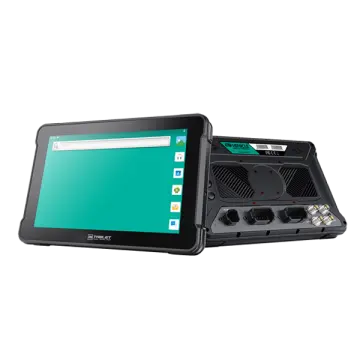 AT-10A
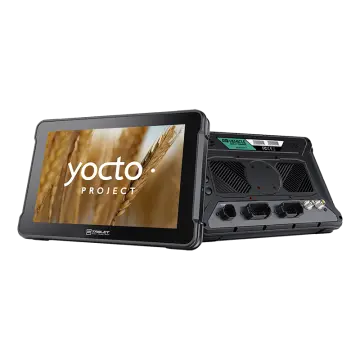 AT-10AL
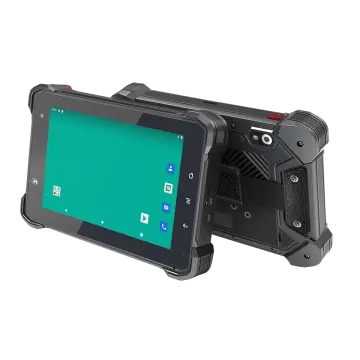 VT-7 GA/GE
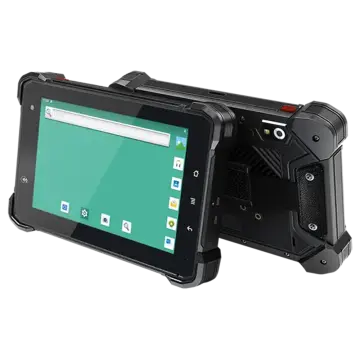 VT-7 Pro
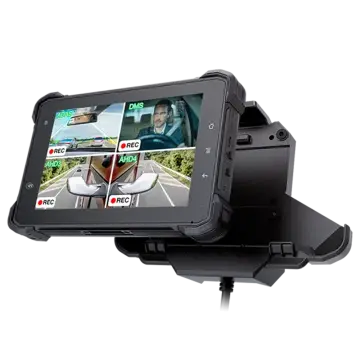 VT-7 PRO (AHD)
 VT-7A
VT-7A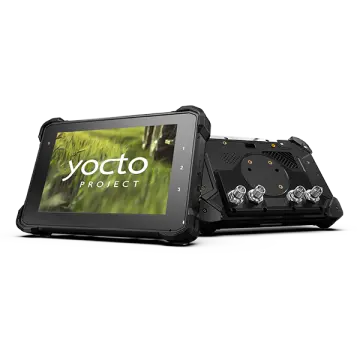 VT-7AL
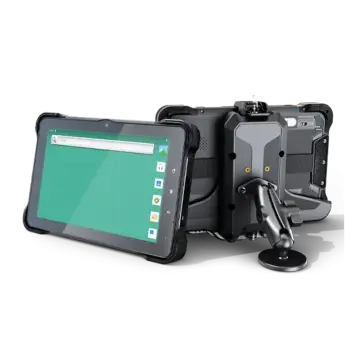 VT-10
VT-10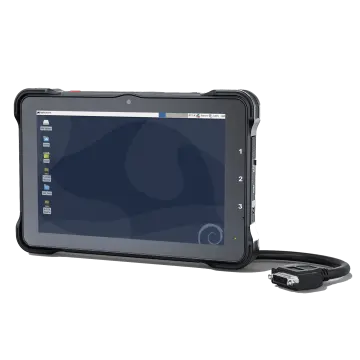 VT-10 IMX
 VT-10 Pro
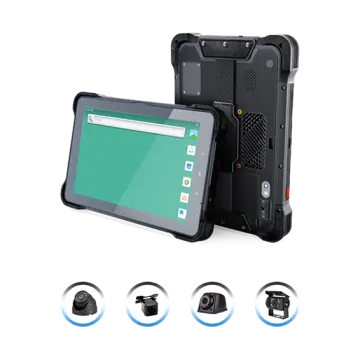 VT-10 Pro AHD
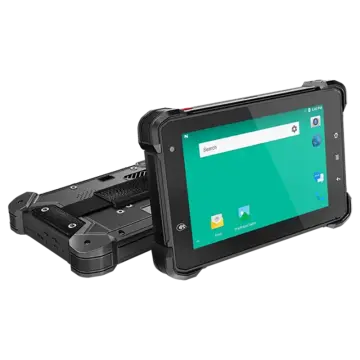 VT-7
VT-7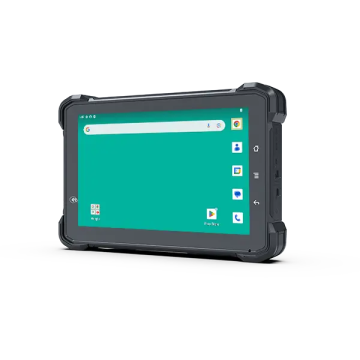 VT-7A PRO
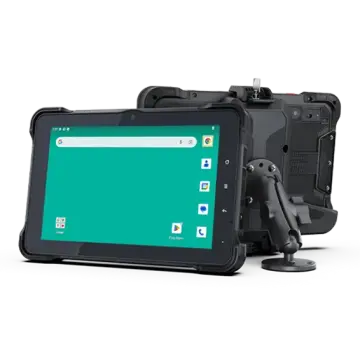 VT-10A Pro
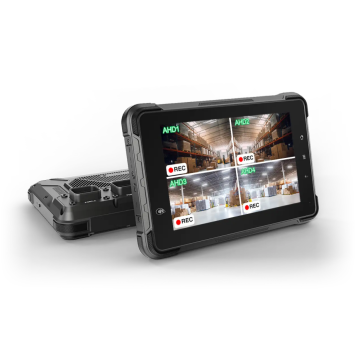 ST-7 Rugged Table
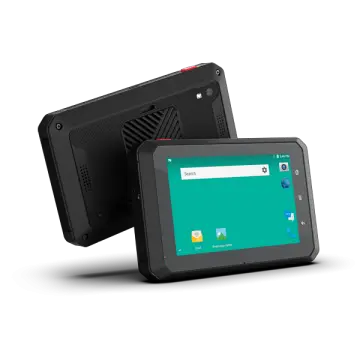 VT-5A
VT-5A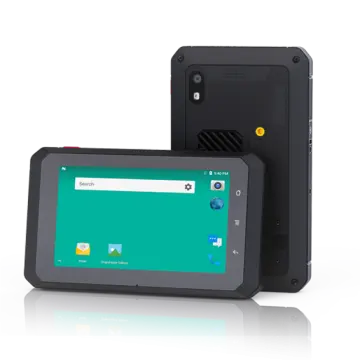 VT-5
VT-5 VT-BOX
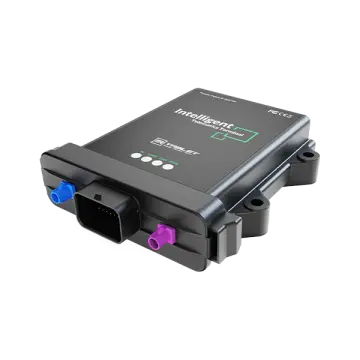 VT-BOX-II
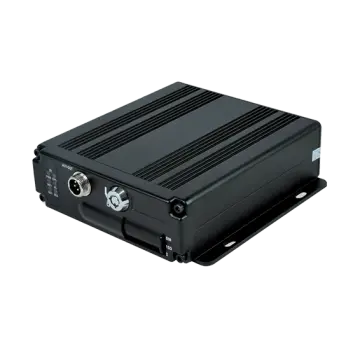 AI-MDVR040
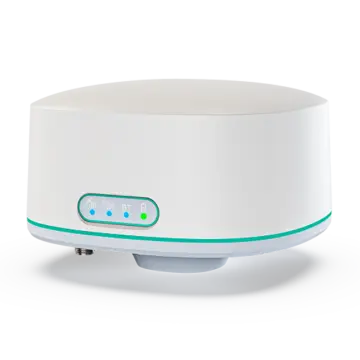 AT-B2
AT-B2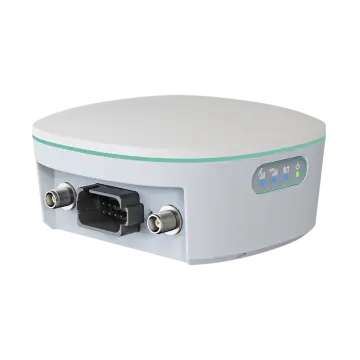 AT-R2
AT-R2