How to Choose the Best Tablet Industrial Android for Your Business?
Choosing the right Tablet Industrial Android for your business can be challenging. These devices offer numerous features. However, not all options are created equal. Understanding your specific needs is crucial.
Tablet Industrial Androids differ in functionality, durability, and performance. Some are designed to withstand harsh environments. Others focus on high processing power for complex applications. Each business has unique requirements. Assessing your priorities helps narrow down the choices.
Investing in the right Tablet Industrial Android is essential for efficiency. The right device can improve productivity and streamline operations. However, the wrong choice can lead to inefficiencies. Take time to research models and read reviews. Make decisions that align with your business goals.
Understanding the Unique Needs of Your Business for a Tablet
When selecting a tablet industrial Android for your business, understanding your unique needs is crucial. Different industries require specific features. A construction site may prioritize durability and battery life. Meanwhile, a retail setting might focus on ease of use and display quality. Evaluate your daily tasks to determine which specifications matter most.
Take note of the environment where the tablet will be used. Is it a factory with dusty conditions? Or perhaps a hospital where hygiene is paramount? Consider factors like display readability, touch response, and ruggedness. These elements can make or break productivity. Each industry presents unique challenges, so list your priorities clearly and weigh them against potential options.
User experience is another key factor. Gather insights from team members who will use the tablets daily. Are they comfortable with touchscreen navigation or require physical buttons? Their feedback can uncover needs you may overlook. A tablet that suits your operations can streamline processes. Yet, it's essential to recognize that no solution is perfect; continuous adaptation may be necessary. This reflection can help you refine your choices and improve overall efficiency.
Key Features to Consider in an Industrial Android Tablet
When selecting an industrial Android tablet for your business, consider essential features that enhance productivity. Durability is paramount. A rugged design protects against drops, dust, and moisture. Look for tablets with a high IP rating, indicating their resistance to environmental conditions. This aspect ensures longevity and reliability in tough settings.
Battery life also plays a critical role. Extended usage hours mean devices can operate through long shifts without frequent recharging. Aim for at least 10 hours of battery life. This reduces downtime and keeps operations running smoothly. You might want to assess how well different tablets perform under heavy use.
Another key feature is connectivity. Robust wireless options are vital for real-time data transfer. Ensure the tablet supports Wi-Fi, Bluetooth, and possibly cellular connections for mobile access. Evaluate your business needs and the environments where the tablets will be used.
Tip: Always prioritize user feedback. Prospective users can offer insights into the tablet's performance in real-world tasks. Consider a pilot program to test various models in action. Gather data to make informed decisions. Remember, usability in specific scenarios often reveals the strengths and weaknesses of each option. Regular updates and support from the manufacturer are important too.
How to Choose the Best Tablet Industrial Android for Your Business? - Key Features to Consider in an Industrial Android Tablet
| Feature |
Description |
Importance Level |
| Durability |
Built to withstand harsh environments with rugged designs and materials. |
High |
| Battery Life |
Long battery life to support prolonged use without frequent charging. |
High |
| Operating System |
Android version that supports required applications and updates. |
Medium |
| Screen Size |
Appropriate screen size for visibility in various work scenarios. |
Medium |
| Connectivity Options |
Wi-Fi, Bluetooth, and cellular capabilities for versatile connectivity. |
High |
| Storage Capacity |
Ample internal and expandable storage for applications and data. |
Medium |
| Camera Quality |
Quality of cameras for documentation and scanning purposes. |
Low |
| Customization Options |
Ability to tailor the device’s software and hardware to specific needs. |
Medium |
Evaluating Performance and Durability for Industrial Use
When choosing a tablet for industrial use, performance and durability are key factors. Many industry reports indicate that durability standards, such as IP65 or higher, are crucial for tablets exposed to dust and moisture. These devices must endure harsh conditions, including extreme temperatures and rough handling. Research shows that nearly 50% of mobile devices used in industrial settings fail due to insufficient protection.
Battery life is another essential consideration. A reliable industrial tablet should last a full work shift, typically requiring at least 8 hours of continuous use. In many fields, downtime due to battery failure can lead to significant productivity losses. Recent studies show that over 25% of industries reported a direct correlation between battery performance and operational efficiency.
Tips for selection include assessing the specific needs of your work environment. Evaluate features like screen readability in direct sunlight. Additionally, consider whether the device supports necessary applications and connectivity options. Always prioritize rugged features. Sometimes, a balance between cost and quality may lead to premature failures. This reflection can guide better decision-making in future purchases.
Assessing Compatibility with Existing Business Systems
Assessing compatibility with existing business systems is crucial when choosing an Android tablet for industrial use. This step ensures that the new device will integrate smoothly into your current workflow. Outdated systems might face challenges. For instance, older software may not support the latest Android versions, causing operational hiccups.
Evaluating software compatibility is key. Examine the applications your team relies on daily. If these apps malfunction or fail to install on the new tablet, productivity may decline. Sometimes, the transition could require retraining staff. This could lead to disruptions during the adjustment period.
Hardware compatibility should not be overlooked. Ensure the tablet supports necessary peripherals like scanners, printers, or external monitors. Differences in connection types can complicate daily tasks. Reflect on the unique needs of your business. A thorough assessment can prevent potential issues down the line. It’s important to consult with your IT team during this process. Their insights will guide you in making informed decisions.
Compatibility Assessment of Industrial Android Tablets with Business Systems
Budgeting for Your Industrial Tablet Investment
Budgeting for industrial tablet investments can be challenging. Data suggests that businesses often underestimate costs. According to a report from Grand View Research, the global industrial tablet market is projected to reach $18.67 billion by 2027. This indicates rising demand, but also increased competition.
When budgeting, initial costs are not the only considerations. Maintenance and support can significantly impact your overall investment. Studies show that total cost of ownership can increase by 30% with these factors included. It’s essential to evaluate not just purchase price but also long-term expenses. A rugged tablet may appear costly upfront, but its durability may lead to savings.
Additionally, businesses should assess their specific needs before making a decision. Choosing the right features can affect the budget greatly. Investing in unnecessary capabilities can lead to wasted resources. Organizations often struggle to balance between functionality and cost. Clear budgeting and strategic planning are crucial for a successful purchase. Prioritizing essential features can provide a more effective return on investment.

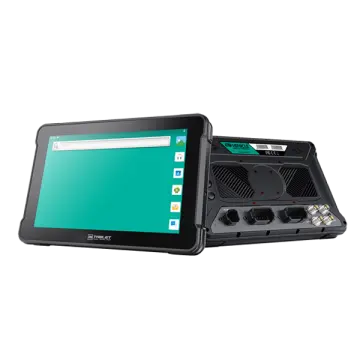 AT-10A
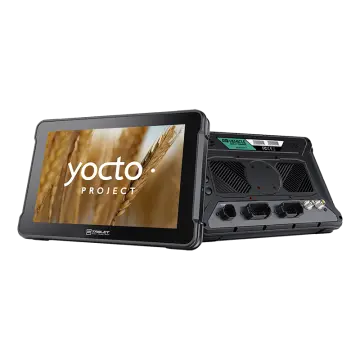 AT-10AL
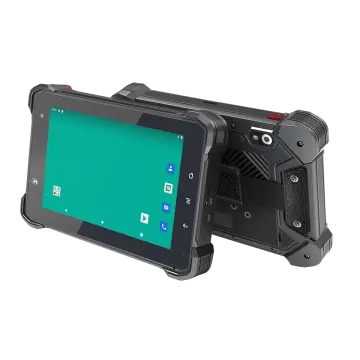 VT-7 GA/GE
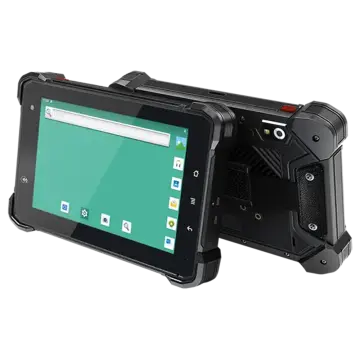 VT-7 Pro
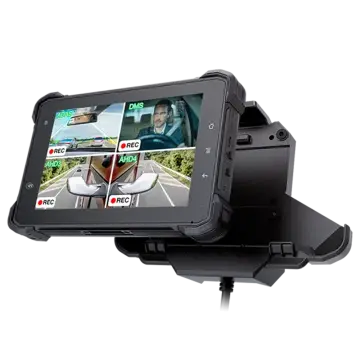 VT-7 PRO (AHD)
 VT-7A
VT-7A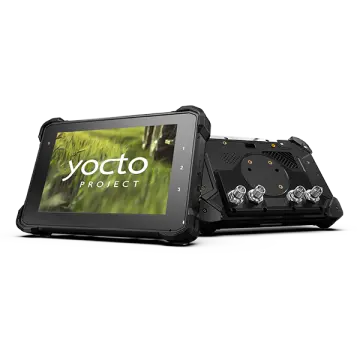 VT-7AL
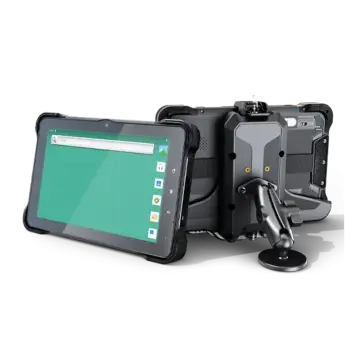 VT-10
VT-10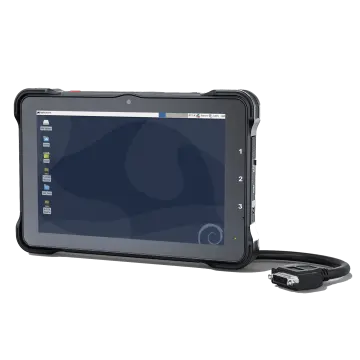 VT-10 IMX
 VT-10 Pro
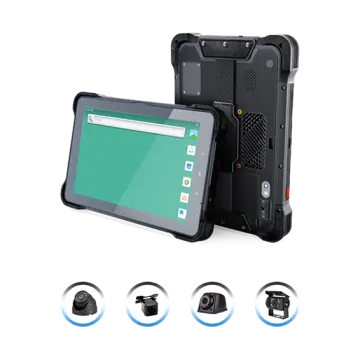 VT-10 Pro AHD
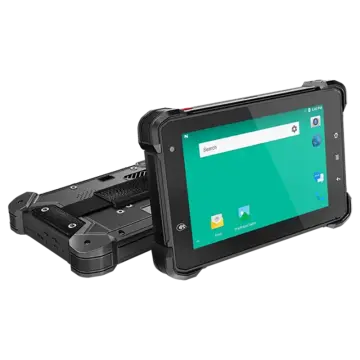 VT-7
VT-7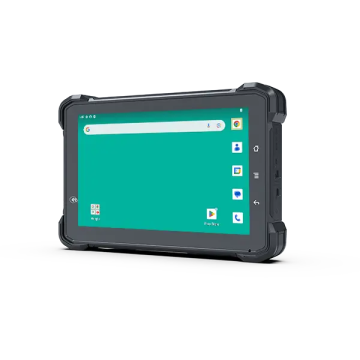 VT-7A PRO
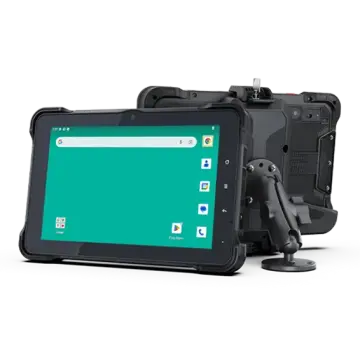 VT-10A Pro
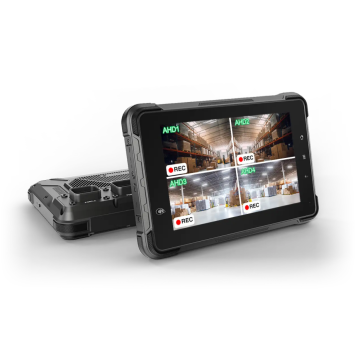 ST-7 Rugged Table
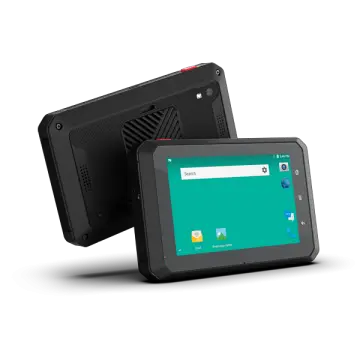 VT-5A
VT-5A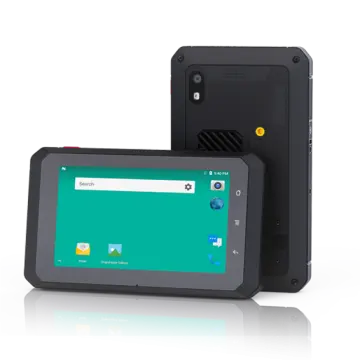 VT-5
VT-5 VT-BOX
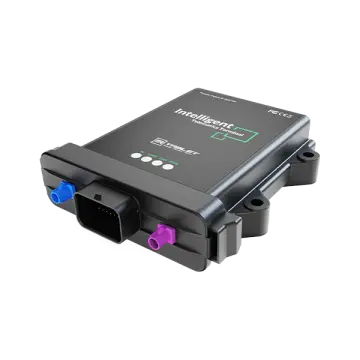 VT-BOX-II
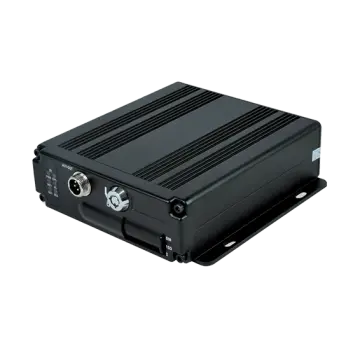 AI-MDVR040
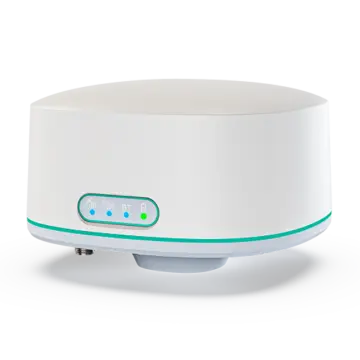 AT-B2
AT-B2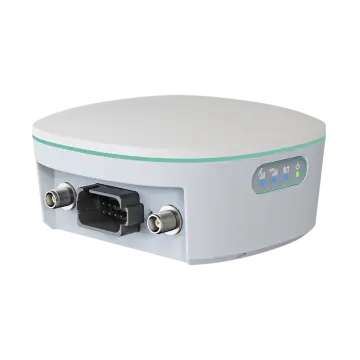 AT-R2
AT-R2