What is a Rugged Tablet PC and Why Do You Need One?
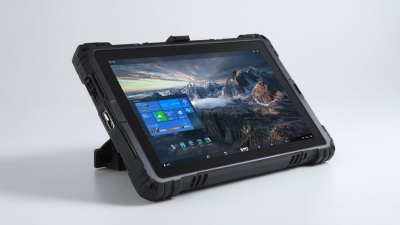
In the rapidly evolving tech landscape, the Rugged Tablet PC stands out for its durability and resilience. Industry expert Dr. Emily Carter, a leading figure in rugged computing technology, asserts, “Rugged Tablet PCs are designed to withstand the challenges of extreme environments.” These devices are built for professionals working in construction, fieldwork, or emergency services.
Rugged Tablet PCs combine powerful performance with protection against drops, water, and dust. Unlike standard tablets, they offer reliable functionality in harsh conditions. This reliability is crucial for workers who rely on technology to perform their jobs safely. A rugged design ensures that these devices can endure the unexpected, reducing downtime.
Choosing to invest in a Rugged Tablet PC reflects a commitment to efficiency and safety. These tablets provide intuitive interfaces while withstanding heavy use. While they may cost more upfront, their long-term benefits can outweigh initial expenses. Thus, evaluating the value of a Rugged Tablet PC is essential for anyone in demanding roles.
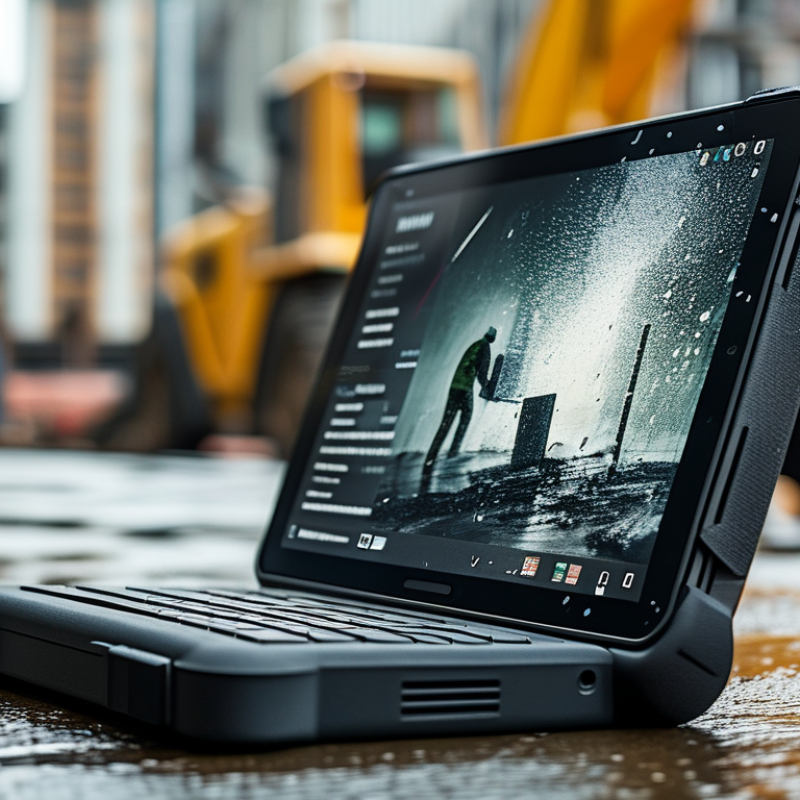
What Defines a Rugged Tablet PC?
A rugged tablet PC is specifically designed for harsh environments. These devices undergo rigorous testing to withstand extreme conditions. According to the market research firm VDC Research, the rugged tablet market is projected to grow at a CAGR of 10% through 2025. This growth reflects increasing demand in sectors like construction, military, and emergency services.
Key features define rugged tablets. They often have enhanced durability to resist drops, water, and dust. For example, many rugged tablets meet IP65 standards, which signify protection against dust and low-pressure water jets. Furthermore, they typically feature screens that are brighter and more visible in outdoor settings. A study by TechNavio emphasizes that 70% of field workers prioritize screen readability when selecting a device.
However, rugged tablets are not without challenges. Their weight and bulk can be drawbacks for mobility. Moreover, battery life may not meet the expectations of those working long hours in remote locations. Despite these issues, many professionals see value in their resilience and capability to function in tough conditions. Balancing these factors is essential for organizations aiming to enhance operational efficiency.
Key Features of Rugged Tablet PCs
Rugged tablet PCs are specifically designed for challenging environments. They combine the functionality of traditional tablets with durability. These devices are often built to withstand drops, water, and extreme temperatures. They are lighter than some rugged laptops and offer versatile usage. Users can easily deploy them in industries like construction, military, and field service.
When looking for key features in rugged tablet PCs, consider their build quality. Many come with reinforced casings and impact-resistant screens. The long battery life is crucial for outdoor work where charging options may be limited. Connectivity options, such as 4G or Wi-Fi, ensure that users can stay connected in remote areas. Additionally, many tablets offer customizable interfaces and expandable memory.
However, not all rugged tablets fulfill expectations. Some may lag in performance, especially under heavy applications. It’s essential to assess whether the features meet your specific needs. Reviewing user feedback and expert insights can help highlight potential flaws. Emphasizing quality over brand names can often lead to better choices.
Industries That Benefit from Rugged Tablet PCs
Rugged tablet PCs are gaining traction across various industries. They are designed to withstand harsh environments, making them essential for sectors like construction, manufacturing, and field services. According to a recent market research report, the rugged tablet market is projected to grow at a CAGR of 7% between 2021 and 2026. This growth is driven by the increasing need for durable, portable technology in challenging conditions.
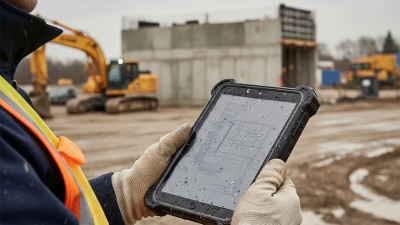
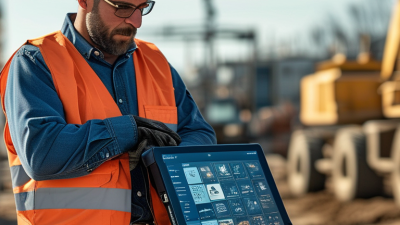
In the construction industry, workers often face extreme weather, dust, and physical impacts. Rugged tablets can handle these conditions, providing real-time data access on the job site. According to statistics, over 60% of construction professionals report improved efficiency with these devices. Similarly, in healthcare, medical staff benefit from the portability and durability of rugged tablets. They enable secure access to patient records, even in emergency situations.
Despite their advantages, challenges remain. The cost of rugged tablets can be higher than standard ones. Organizations must evaluate whether the investment aligns with their operational needs. This reflection is crucial to ensure that resources are allocated efficiently. Ultimately, rugged tablet PCs can offer unparalleled support in demanding environments, but careful consideration is key.
Industries That Benefit from Rugged Tablet PCs
Comparing Rugged Tablet PCs to Standard Tablets
Rugged tablet PCs are specially designed for tough environments. They can withstand drops, water, and extreme temperatures. This durability makes them ideal for industries like construction, manufacturing, and military applications. Traditional tablets, while sleek and lightweight, are not built for such conditions. They can break easily, leading to costly repairs and downtime.
In addition, rugged tablets often come with advanced features. They can include reinforced screens and enhanced battery life. Many have customizable interfaces for specific work tasks. Standard tablets may lack these functionalities, making them less user-friendly in challenging situations. However, rugged tablets can be heavier and bulkier. This trade-off may not appeal to everyone.
Choosing between rugged and standard tablets depends on your needs. If you work in an area with high risk of damage, a rugged device is crucial. On the other hand, if portability is your main concern, standard tablets might suffice. It's important to weigh these factors based on your work environment and practical requirements.
How to Choose the Right Rugged Tablet for Your Needs
Choosing the right rugged tablet for your needs can be a daunting task. Consider your specific environment first. Rugged tablets are designed for harsh conditions, including extreme temperatures and moisture. A study by VDC Research suggests that 48% of organizations utilizing rugged devices report fewer failures in the field. This data underscores the importance of durability in selection.
Evaluate the specifications. Screen size, battery life, and processing power are crucial. A six-inch screen may suit fieldwork, while a larger screen benefits design work. A battery lasting over 10 hours is ideal for extended use without interruption. Communication features like 4G LTE are essential for remote areas, ensuring connectivity where it matters.
Think about weight and ergonomics. Heavy devices can be burdensome during long hours of use. Choose lightweight options with comfortable grips for better handling. Often, rugged tablets are bulkier than standard models. It's vital to balance rugged features with user comfort. In some cases, this balance may lead to compromises in performance or usability. Always reflect on what aspects are non-negotiable for your work needs.

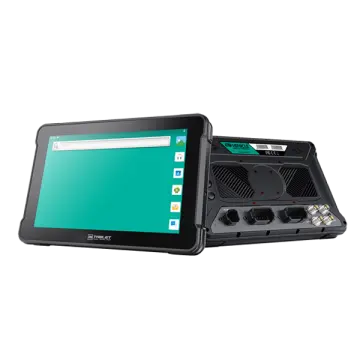 AT-10A
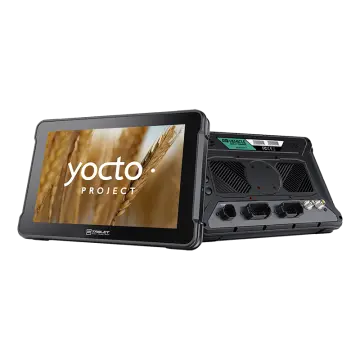 AT-10AL
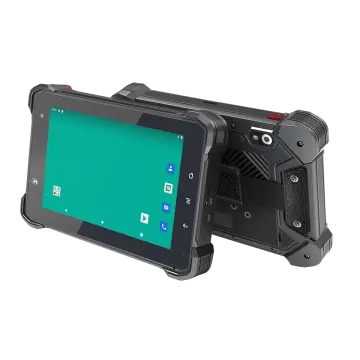 VT-7 GA/GE
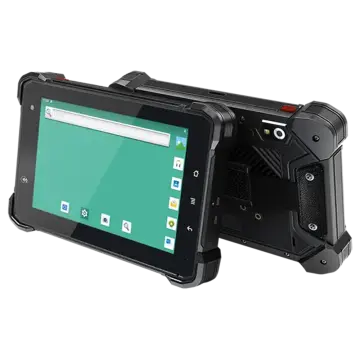 VT-7 Pro
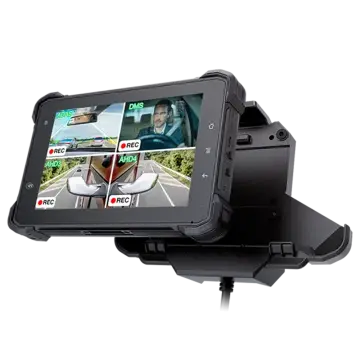 VT-7 PRO (AHD)
 VT-7A
VT-7A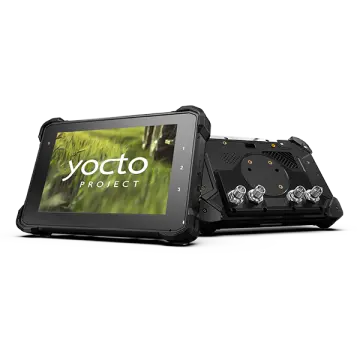 VT-7AL
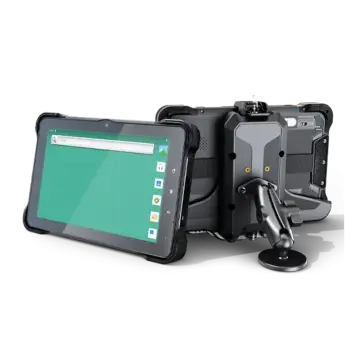 VT-10
VT-10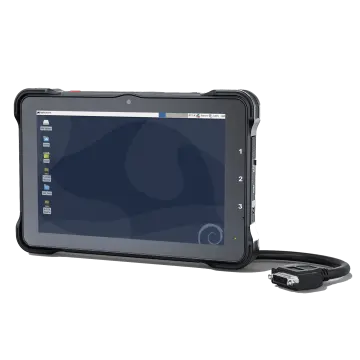 VT-10 IMX
 VT-10 Pro
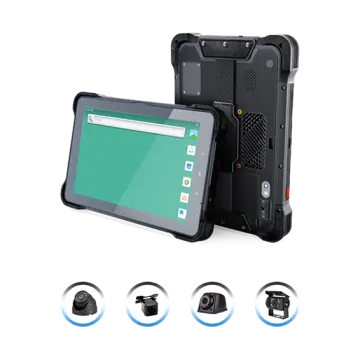 VT-10 Pro AHD
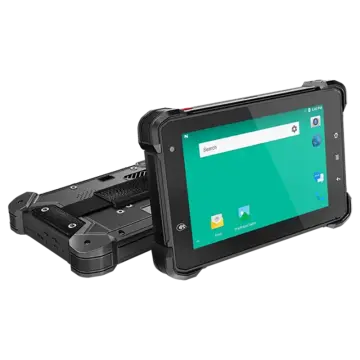 VT-7
VT-7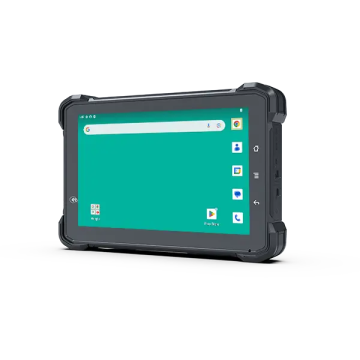 VT-7A PRO
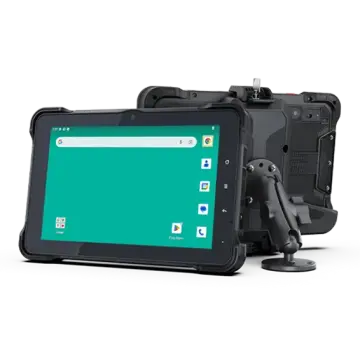 VT-10A Pro
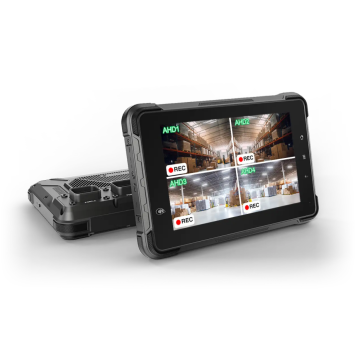 ST-7 Rugged Table
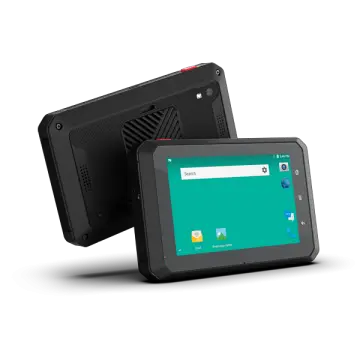 VT-5A
VT-5A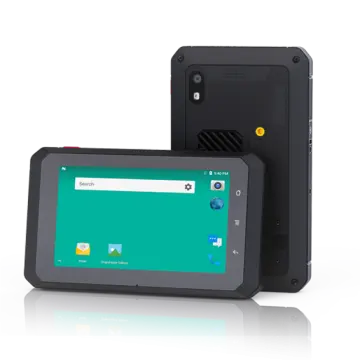 VT-5
VT-5 VT-BOX
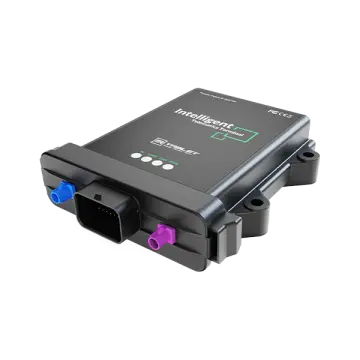 VT-BOX-II
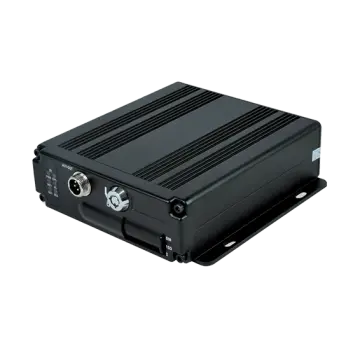 AI-MDVR040
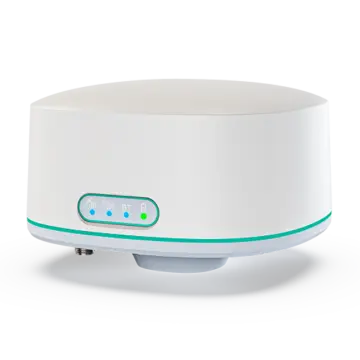 AT-B2
AT-B2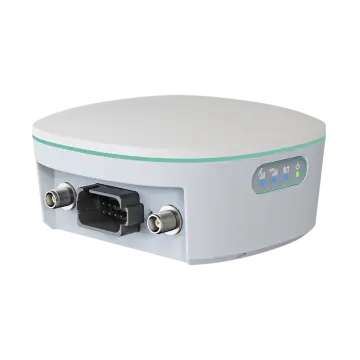 AT-R2
AT-R2