The Industrial Evolution of Autonomous Driving Tests
The global automotive industry is undergoing a paradigm shift toward fully autonomous systems. From Advanced Driver Assistance Systems (ADAS) to Level 4 (L4) and Level 5 (L5) self-driving platforms, the path to commercialization is paved with millions of miles of rigorous physical road testing. Autonomous driving test vehicles are essentially mobile supercomputers, packed with LiDAR, radar, cameras, ultrasonic sensors, and high-precision GNSS/RTK systems. However, managing, monitoring, and validating these complex systems during real-world testing demands specialized in-cabin hardware. This is where the 4G Rugged Android Tablet for Autonomous Driving Test acts as the central interface between the test engineer, the vehicle's computer, and the cloud.
Historically, test engineers relied on standard consumer laptops or fragile tablets to interface with autonomous vehicle (AV) platforms. These consumer devices quickly failed due to extreme in-cabin temperatures, continuous vehicle vibrations, and lack of dedicated vehicle-bus interfaces (like CAN Bus). In contrast, a specialized rugged Android tablet delivers the necessary physical durability, I/O connectivity, and operating system flexibility required to withstand the demanding conditions of closed-course and public-road autonomous trials.
Why 4G Connectivity is Indispensable for AV Testing
While autonomous test vehicles record terabytes of raw sensor data locally on high-speed solid-state drives, critical telemetry data must be synchronized with remote control centers in real-time. Integrated 4G LTE-Advanced connectivity allows test fleets to transmit vital diagnostic codes, vehicle state-of-health, GPS positions, and disengagement logs instantly. This enables remote engineering teams to monitor test progress, diagnose system faults, and even push over-the-air (OTA) software patches to the vehicle's central compute unit mid-test, saving valuable field testing time.
Deep-Dive Application Scenarios in Autonomous Vehicle Testing
1. Human-Machine Interface (HMI) for Safety Drivers and Test Engineers
During public road testing, safety drivers are legally and operationally required to monitor the vehicle's automated actions and take control instantly if an anomaly occurs. A 4G rugged Android tablet serves as the primary HMI in the cabin. Placed securely on a dashboard mount, it visualizes the vehicle’s "perception world" in real-time. The tablet displays bounding boxes around detected pedestrians, vehicles, and traffic signs, showing the driver exactly what the AI system sees. If the system's confidence level drops or a sensor becomes obstructed, the tablet sounds an immediate visual and auditory alert, prompt the driver to take manual control.
For the test engineer sitting in the passenger seat, the tablet provides a comprehensive dashboard to monitor CPU/GPU temperatures of the trunk-mounted AV computer, sensor latency, localization accuracy, and RTK positioning status. The high-resolution, sunlight-readable multi-touch screen allows engineers to quickly flag events, take notes on system behavior, and tag timestamps directly into the log files.
2. Multi-Channel AHD Camera Integration for Visual Validation
Camera systems are the eyes of autonomous vehicles. Verifying that the perception algorithms are correctly interpreting video feeds requires continuous monitoring of camera alignment and image quality. Rugged tablets equipped with multi-channel Analog High Definition (AHD) camera inputs allow engineers to view live, uncompressed camera streams from the vehicle's exterior. This is crucial for detecting lens contamination (mud, dust, rain), verifying dynamic range performance in changing light conditions, and ensuring that the physical cameras have not shifted from their calibrated positions due to road vibrations.
3. Real-Time CAN Bus Diagnostics and Sensor Calibration
Autonomous vehicles rely on the Controller Area Network (CAN) bus protocol to communicate with mechanical actuators for steering, braking, and acceleration. A rugged Android tablet with integrated CAN Bus (J1939 or CAN FD) interfaces can tap directly into the vehicle's network. Test engineers can read real-time diagnostic trouble codes (DTCs), monitor steering angle feedback, brake pressure, and wheel speed sensor data. Furthermore, during field setup, the tablet can run proprietary calibration apps to align LiDAR and camera sensors, eliminating the need for engineers to carry bulky, fragile laptops around the vehicle exterior.
4. Cloud-Connected Telemetry and Fleet Management
Autonomous testing is rarely done with a single vehicle; developers deploy fleets of tens or hundreds of cars across different cities. A 4G rugged tablet acts as an intelligent IoT gateway. It continuously sends telemetry packets—including vehicle speed, localization accuracy, battery health, and disengagement rates—to a centralized fleet management platform. Using Mobile Device Management (MDM) software, fleet administrators can securely manage the tablet's applications, push updates, and track the exact location of every test vehicle in real-time, ensuring optimal operational security and efficiency.
Key Technical Requirements for Rugged AV Test Tablets
To operate reliably inside autonomous test vehicles, tablet hardware must meet strict industrial standards:
Ingress Protection (IP67/IP69K): Dust-tight and waterproof construction ensures the tablet survives open-cabin testing (such as in autonomous agricultural tractors or mining machinery) and exposure to rain during external calibration.
Vibration and Shock Resistance (MIL-STD-810H): Continuous road vibration can cause internal solder joints to crack in consumer electronics. Military-grade rugged tablets are designed to absorb constant shocks and vibrations.
Wide Temperature Range: Vehicle cabins parked in the sun can exceed 60°C, while winter testing can drop below -20°C. Tablets must feature fanless thermal designs that operate reliably across these extremes without thermal throttling.
ISO 7637-2 Compliance: Vehicle power supplies are notoriously unstable, suffering from voltage spikes and cranking drops. Rugged tablets must feature wide-voltage inputs (typically 8-36V) with surge protection to prevent data corruption during engine ignition.
High-Precision GNSS & RTK: For applications like autonomous farming and mining, centimeter-level positioning is required. Tablets with integrated RTK modules ensure the screen displays precise spatial data relative to the vehicle's path.
Future Market Trends: The Road to 5G and Edge AI
As autonomous driving technology matures, the role of the rugged tablet will expand. The transition from 4G to 5G connectivity will unlock ultra-low latency teleoperation, allowing remote operators to steer or guide autonomous vehicles out of complex situations from miles away. The tablet will serve as the primary video decoding and control terminal for these remote operators. Additionally, the integration of dedicated Neural Processing Units (NPUs) inside rugged tablets will enable local Edge AI processing, allowing the tablet to filter and analyze diagnostic data locally before transmitting only key insights to the cloud, drastically saving cellular bandwidth costs.
3Rtablet is a Globally Leading Rugged Tablet Manufacturer
Technology-based, market-oriented, innovative enterprise that develops and manufactures rugged Internet of Vehicles (IOV) terminals and IOT system solutions. With more than 18 years of professional experience, 3Rtablet has cooperated with many top brand telematics solution providers around the world, and the products are widely recognized for their stable performance and professional technical support.
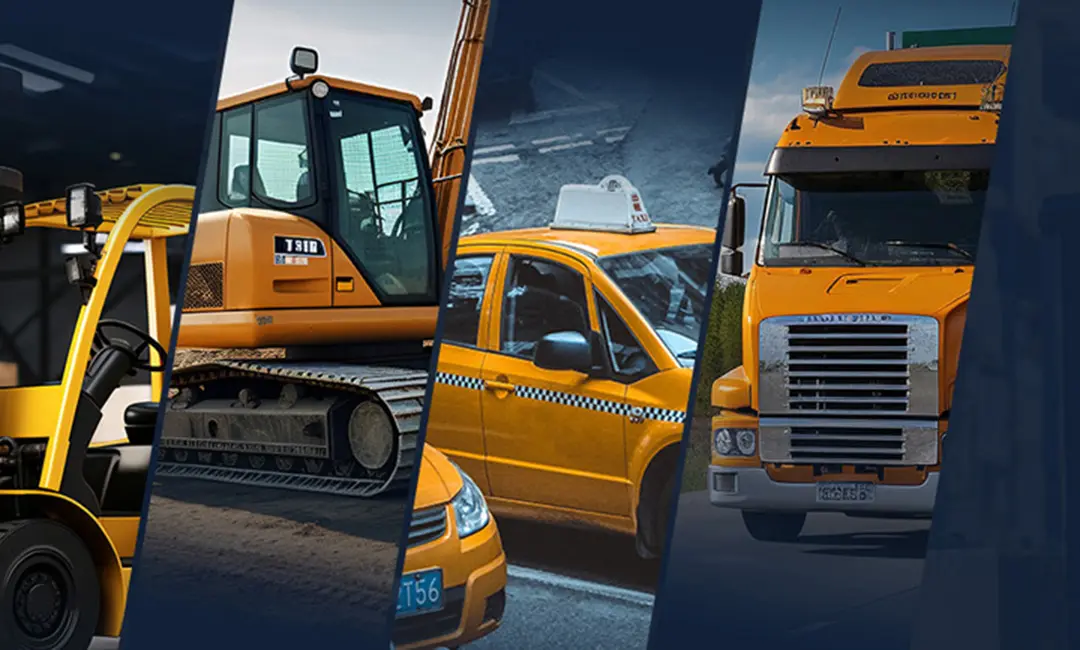
The main products include IP67 rugged tablets, MDM Rugged Device, Intelligent Vehicle Telematics Terminal, and RTK Base Station and Receiver, On-board Computers, Mobile Data Terminal, Agriculture display, Vehicle-mounted Tablets, AHD Camera Integrated Tablets, IP67/IP69K Android telematics boxes, MDVR and AI Dashcam. AI algorithmic vehicle video surveillance and recording technology and comprehensive IoT solutions for a wide range of fleet management application, including ELD/HOS in trucks, construction equipment, mining, forklift safety, taxi dispatch, agriculture precision, intelligent transportation systems, etc. Offering OEM/ODM services, we customize products to meet specific needs.
18 years
Of Production Experience
Our Advantages
3Rtablet R&D team with more than 18 years field experience to do technical support, and has been ready to support you in building professional solutions in specific markets.
Regions We Serve
3Rtablet has served customers among more than 70 countries in the North America, Europe, Latin America, Oceania, Africa, and the Asia Pacific region.
Industries We Related
Fleet Management, Precision Agriculture, Mining, Taxi Dispatch, Forklift Safety, Construction, Public Transportation, Heavy Machinery & Trucks, Crane, Waste management, Vehicle tracking’s and Emergency Response Solutions, and Autonomous Driving Test Validation.
Service We Provide
3Rtablet's Hardware devices are mainly powered by NXP, Qualcomm, TI solutions. We support functional requirements, hardware test-bed evaluation, schematic diagram design, brand customization, and comprehensive OEM/ODM services.
Our Value
3Rtablet follows innovative technologies, complete solutions, friendly products, excellent quality, and professional services to continuously improve product quality and customer satisfaction, delivering customers with Rugged, Reliable, and Ready Internet of Vehicle (IOV) devices. 3Rtablet has three core values at the heart of its operation: We are ‘Sincere’, we ‘Share’ and always strive for ‘Success’ with our business partners.

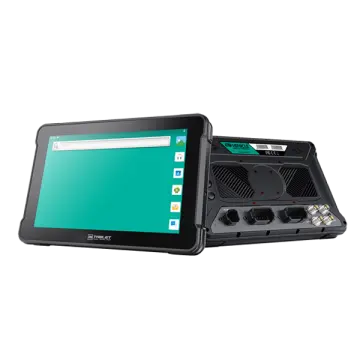 AT-10A
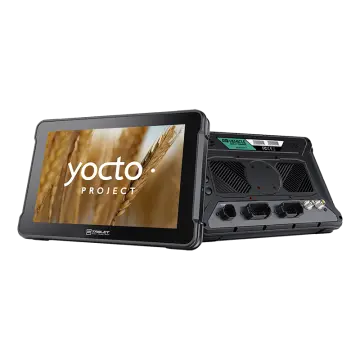 AT-10AL
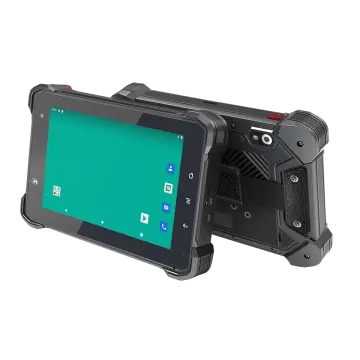 VT-7 GA/GE
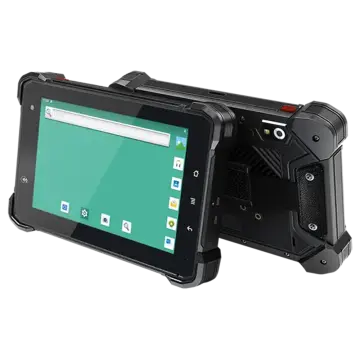 VT-7 Pro
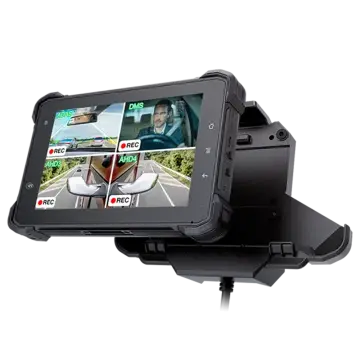 VT-7 PRO (AHD)
 VT-7A
VT-7A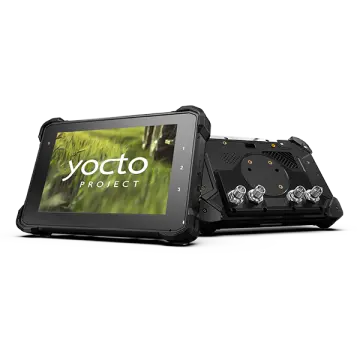 VT-7AL
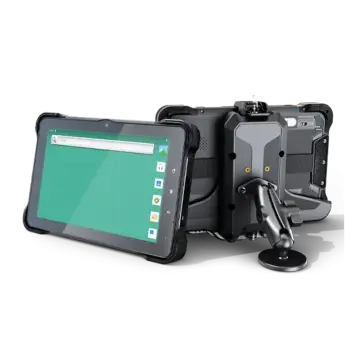 VT-10
VT-10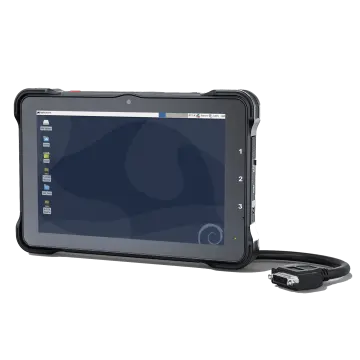 VT-10 IMX
 VT-10 Pro
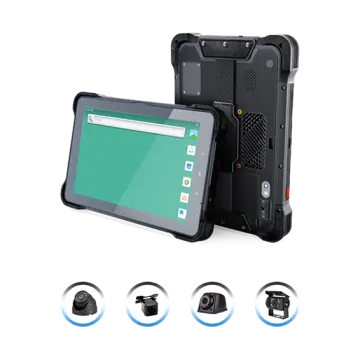 VT-10 Pro AHD
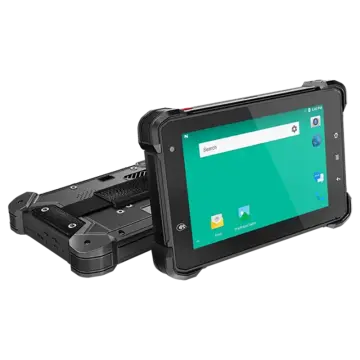 VT-7
VT-7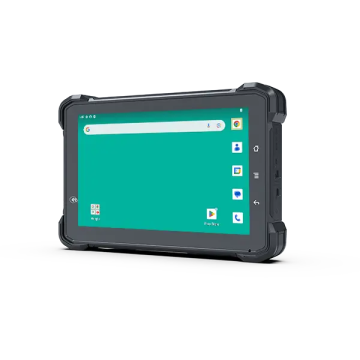 VT-7A PRO
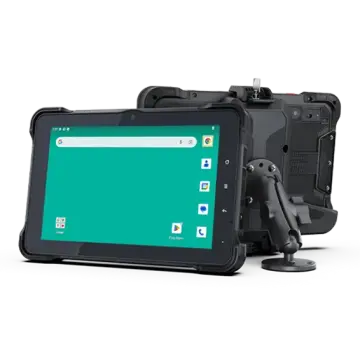 VT-10A Pro
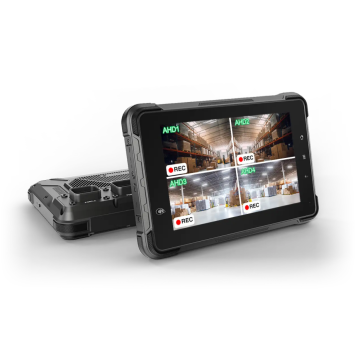 ST-7
ST-7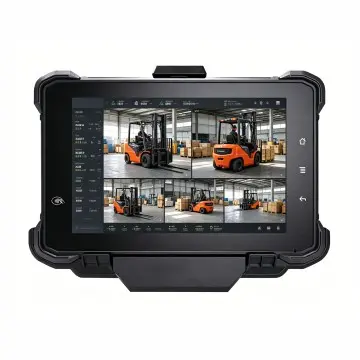 VT-7A PRO AHD
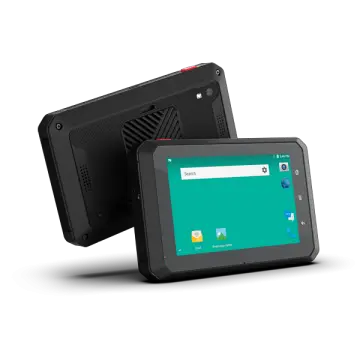 VT-5A
VT-5A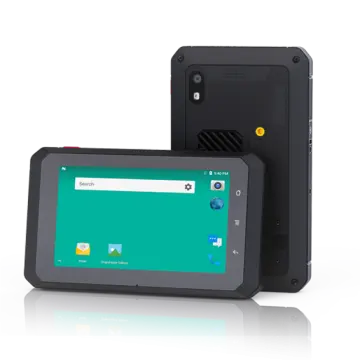 VT-5
VT-5 VT-BOX
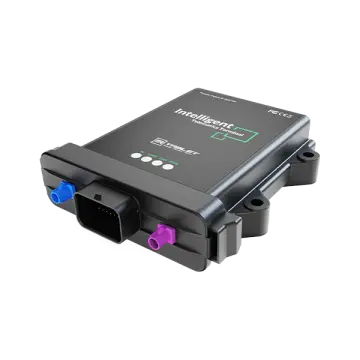 VT-BOX-II
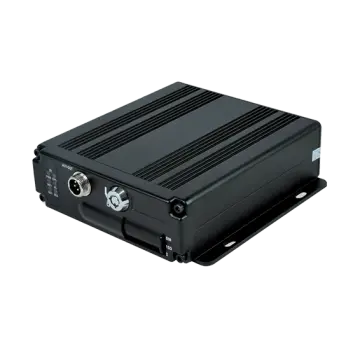 AI-MDVR040
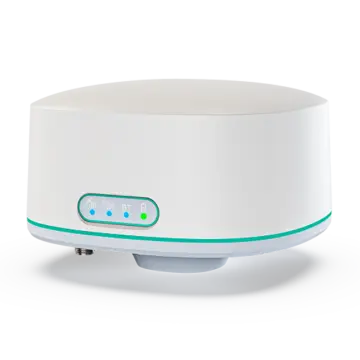 AT-B2
AT-B2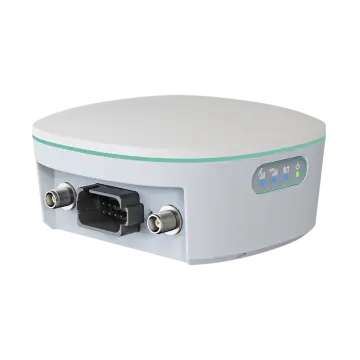 AT-R2
AT-R2