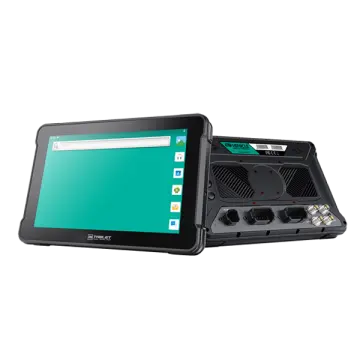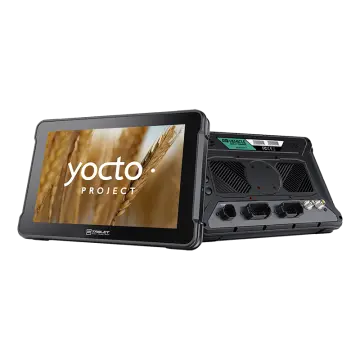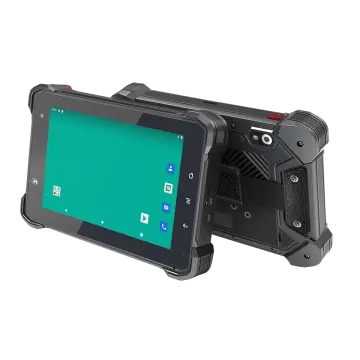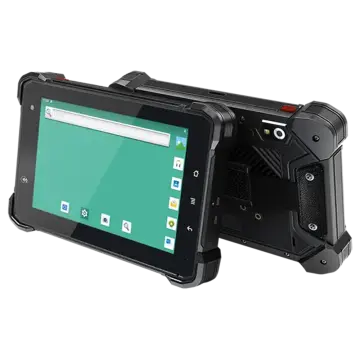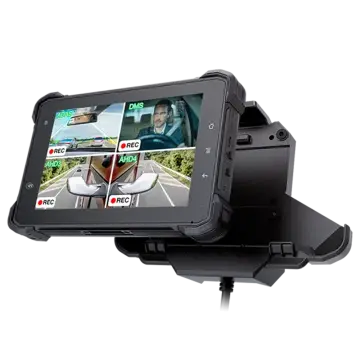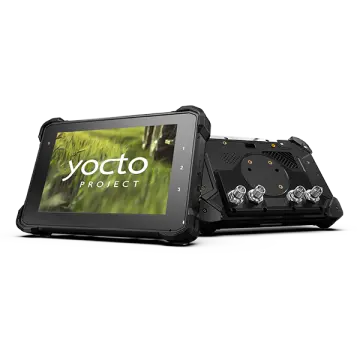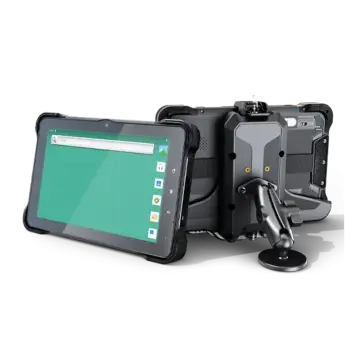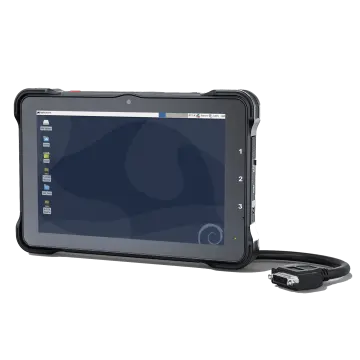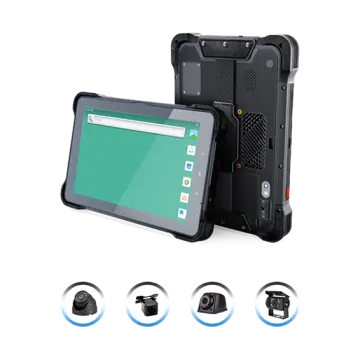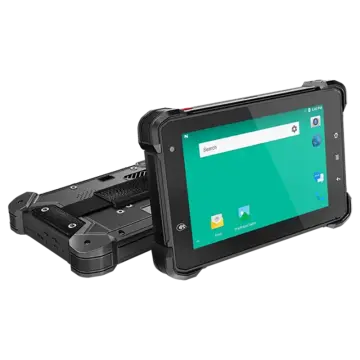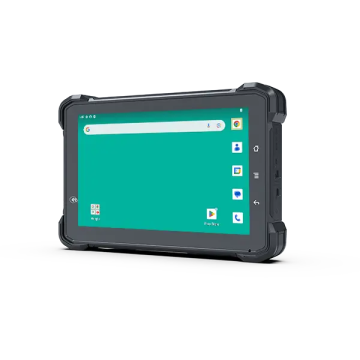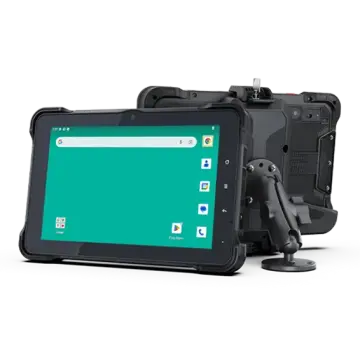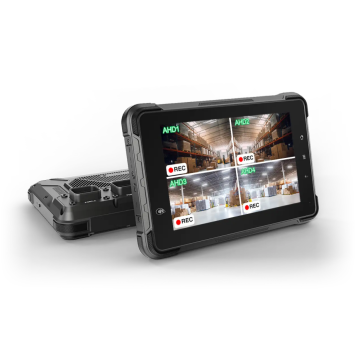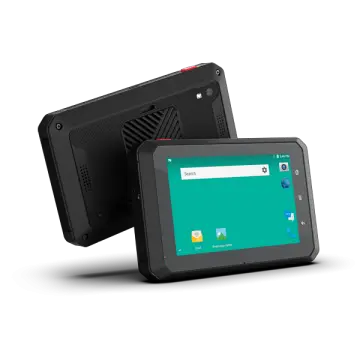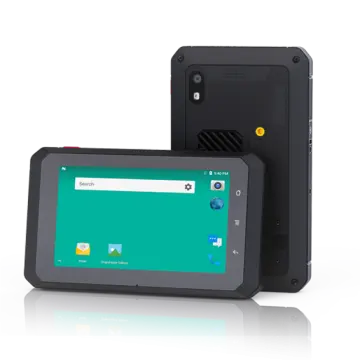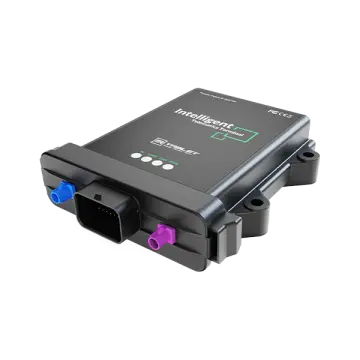
Engineered for extreme environments, precision data logging, and seamless AI algorithm integration.
The transition from traditional Advanced Driver Assistance Systems (ADAS) to fully autonomous driving (Level 4 and Level 5) is one of the most resource-intensive technological leaps of the 21st century. At the heart of this revolution lies the rigorous testing phase. Autonomous driving tests are no longer confined to pristine laboratory conditions; they are actively deployed in harsh, real-world environments ranging from scorching desert test tracks to freezing urban winterscapes. In these unforgiving conditions, standard consumer electronics fail spectacularly. This critical gap has catalyzed the explosive demand for the Android Industrial Grade Tablet Pc For Autonomous Driving Test.
Commercially, the autonomous vehicle (AV) testing market is experiencing exponential growth. Tech giants, traditional automotive OEMs, and specialized AV startups are accumulating billions of miles in simulated and real-world driving. During these physical tests, human safety drivers and test engineers require a robust Human-Machine Interface (HMI) to monitor the vehicle's "brain" in real-time. An Android industrial-grade tablet PC serves as this vital nerve center. It allows engineers to visualize LiDAR point clouds, monitor radar feeds, assess camera object detection algorithms, and execute emergency takeovers if the AI encounters an edge case it cannot resolve.
Industrially, the requirements for these devices are staggering. An Android Industrial Grade Tablet Pc deployed in an autonomous test vehicle must withstand continuous high-frequency vibrations from the vehicle chassis, extreme temperature fluctuations within the cabin, and potential exposure to dust and moisture. Furthermore, these tablets must possess exceptional computational power and connectivity. They act not just as displays, but as edge-computing nodes that interface directly with the vehicle's CAN bus, processing gigabytes of telemetry data per second without latency. The adoption of robust, ruggedized Android tablets has become a non-negotiable industrial standard for any serious autonomous driving program.
IP67/IP69K ratings ensure survival against intense vibrations, extreme temperatures (-20°C to 70°C), and dust, crucial for off-road and harsh weather AV testing.
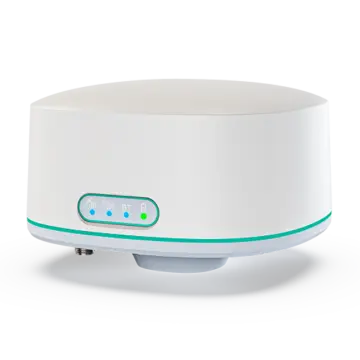
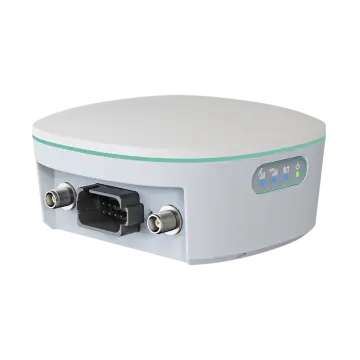
Integrated Real-Time Kinematic (RTK) modules provide centimeter-level GPS accuracy, an absolute necessity for validating autonomous trajectory planning.
Powered by advanced NXP and Qualcomm chipsets, enabling zero-latency data visualization and localized AI algorithm execution directly in the test vehicle.
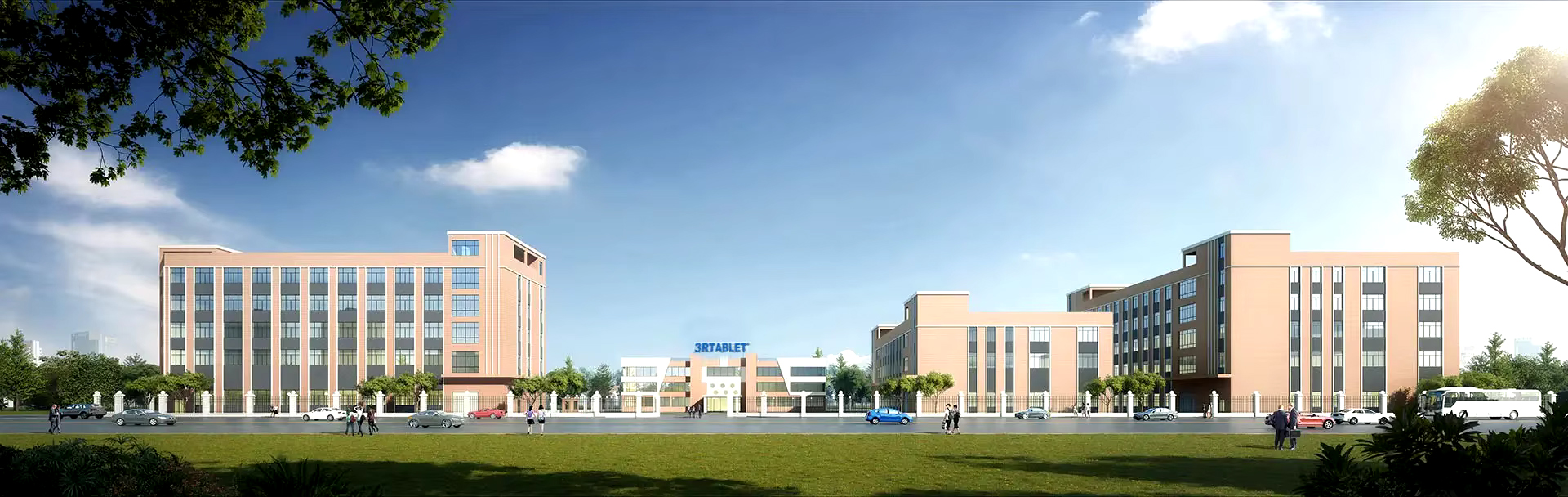
Technology-based, market-oriented, innovative enterprise that develops and manufactures rugged Internet of Vehicles (IOV) terminals and IOT system solutions. With more than 18 years of professional experience, 3Rtablet has cooperated with many top brand telematics solution providers around the world, and the products are widely recognized for their stable performance and professional technical support.
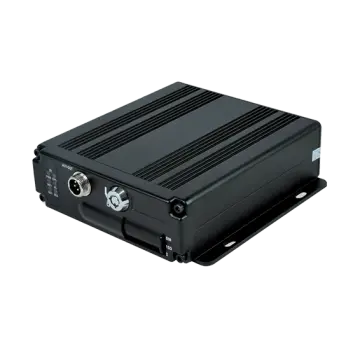
The main products include IP67 rugged tablets, MDM Rugged Device, Intelligent Vehicle Telematics Terminal, and RTK Base Station and Receiver, On-board Computers, Mobile Data Terminal, Agriculture display, Vehicle-mounted Tablets, AHD Camera Integrated Tablets, IP67/IP69K Android telematics boxes, MDVR and Al Dashcam. Al algorithmic vehicle video surveillance and recording technology and comprehensive loT solutions for a wide range of fleet management application, including ELD/HOS in trucks, construction equipment, mining, forklift safety, taxi dispatch, agriculture precision, intelligent transportation systems, etc. Offering OEM/ODM services, we customize products to meet specific needs.

The deployment of an Android Industrial Grade Tablet Pc For Autonomous Driving Test extends far beyond simple GPS navigation. These devices are deeply integrated into the complex architecture of self-driving research and development. Let us dissect the core application scenarios where these rugged tablets prove indispensable.
Autonomous vehicles generate terabytes of data daily from a myriad of sensors: LiDAR, RADAR, ultrasonic sensors, and high-definition optical cameras. Test engineers sitting in the passenger seat require a reliable interface to ensure these sensors are correctly fusing data to create a 3D map of the environment. The Android industrial tablet, connected via high-speed interfaces, renders these complex sensor fusion algorithms in real-time. If a LiDAR sensor experiences a blind spot due to heavy rain, the engineer can immediately see this anomaly on the tablet's high-brightness display and log the event for the development team.
As autonomous vehicles move towards Level 4 (High Automation) without safety drivers inside the vehicle, remote monitoring becomes critical. Industrial Android tablets are utilized at remote command centers and within chase vehicles. Utilizing 5G connectivity and low-latency video streaming, operators use these tablets to monitor the autonomous vehicle's status. In the event the AI encounters an unmapped construction zone or a complex traffic scenario, the operator can use the tablet's interface to safely assume remote control, guiding the vehicle to safety. The tablet's reliability here is a matter of public safety.
Standard GPS is insufficient for autonomous driving, which requires centimeter-level accuracy to stay within lanes and avoid obstacles. Industrial tablets equipped with Real-Time Kinematic (RTK) modules serve as the primary localization tool during the mapping phase. Surveyors and test engineers use these tablets to create high-definition (HD) maps of test tracks and city streets. The tablet logs the precise coordinates, combining them with IMU (Inertial Measurement Unit) data to create the foundational maps that the autonomous AI relies upon.
For Level 2 and Level 3 autonomous systems, the human driver must remain attentive and ready to take over. Android industrial tablets are used to test and validate in-cabin Driver Monitoring Systems. Connected to AI dashcams, the tablet processes facial recognition and eye-tracking algorithms to ensure the safety driver is focused. The robust processing power of the tablet allows for edge-AI computation, ensuring that driver distraction alerts are triggered instantly without relying on cloud processing.
3Rtablet R&D team with more than 18 years field experience to do technical support, and has been ready to support you in building professional solutions in specific markets.

3Rtablet has served customers among more than 70 countries in the North America, Europe, Latin America, Oceania, Africa, and the Asia Pacific region.

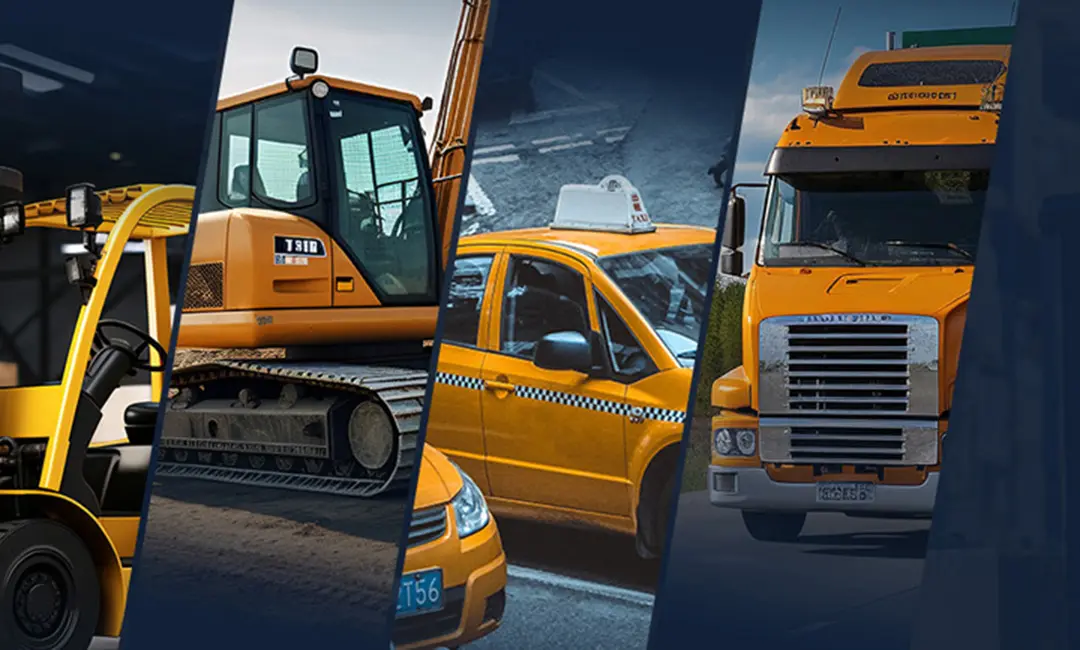
Fleet Management, Precision Agriculture, Mining, Taxi Dispatch, Forklift Safety, Construction, Public Transportation, Heavy Machinery & Trucks, Crane, Waste management, Vehicle tracking's and Emergency Response Solutions etc.

3Rtablet's Hardware devices are mainly powered by NXP, Qualcomm, TI solutions, Functional requirements, Hardware test-bed evaluation, Schematic diagram design, Brand requirements for more requirements, please refer to OEM/ODM service.
As the autonomous driving industry accelerates, the hardware supporting it must evolve concurrently. The future of the Android Industrial Grade Tablet Pc For Autonomous Driving Test is defined by several key technological trajectories. Foremost among these is the integration of ultra-fast 5G Advanced and Vehicle-to-Everything (V2X) communication modules. Future tablets will not only process data from the host vehicle but will also communicate with traffic lights, smart city infrastructure, and other autonomous vehicles to predict traffic patterns and avoid collisions before sensors even detect an obstacle.
Furthermore, the integration of dedicated Neural Processing Units (NPUs) directly into the tablet's architecture is becoming a standard. This shifts the burden of AI inference from the vehicle's central computer to the tablet itself, creating a decentralized, highly redundant safety architecture. If the main autonomous computer fails during a test, the industrial tablet, equipped with its own NPU and backup battery, can safely bring the vehicle to a halt using secondary sensor feeds.
Finally, the physical design of these tablets is trending towards even more extreme ruggedization. We are seeing a push for IP69K ratings, making devices resistant to high-pressure, high-temperature washdowns—a necessity for autonomous mining and agricultural vehicles that operate in deep mud and corrosive environments. The screens are also evolving, utilizing advanced optical bonding and anti-glare technologies to ensure perfect readability under the blinding glare of direct sunlight or the pitch black of night testing.
3Rtablet follows innovative technologies, complete solutions, friendly products, excellent quality, and professional services to continuously improve product quality and customer satisfaction, delivering customers with Rugged, Reliable, and Ready Internet of Vehicle (IOV) devices. 3Rtablet has three core values at the heart of its operation: We are 'Sincere', we 'Share' and always strive for 'Success' with our business partners.
Explore our full range of ruggedized Android and Linux terminals designed for every tier of autonomous vehicle development and fleet dispatching.