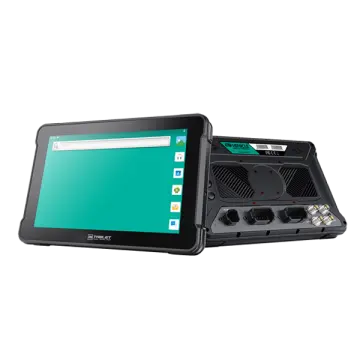
 AT-10A
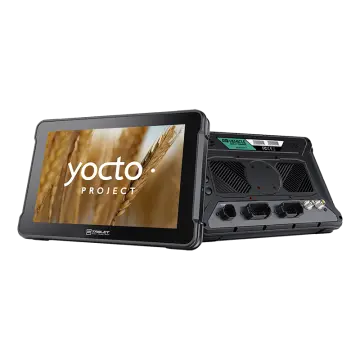 AT-10AL
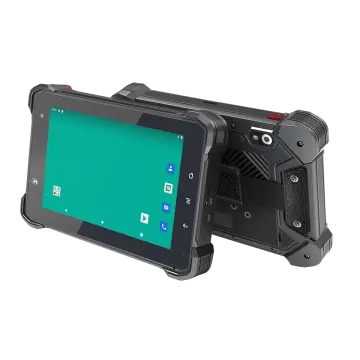 VT-7 GA/GE
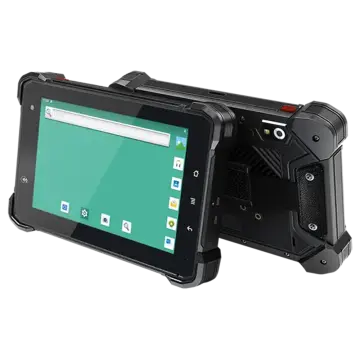 VT-7 Pro
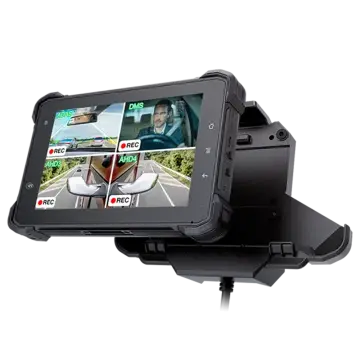 VT-7 PRO (AHD)
 VT-7A
VT-7A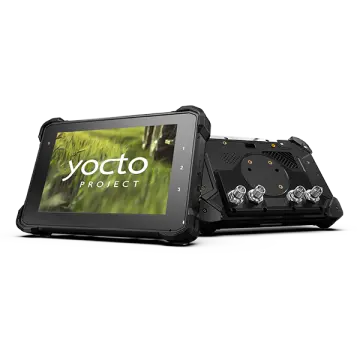 VT-7AL
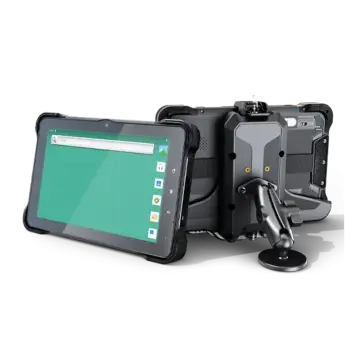 VT-10
VT-10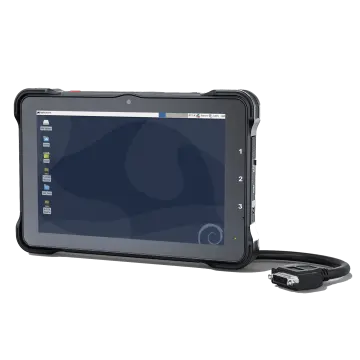 VT-10 IMX
 VT-10 Pro
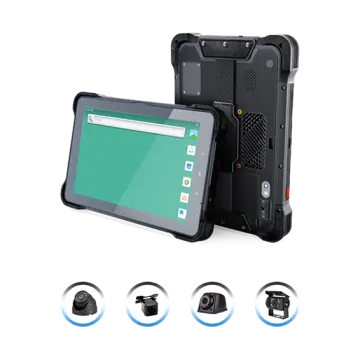 VT-10 Pro AHD
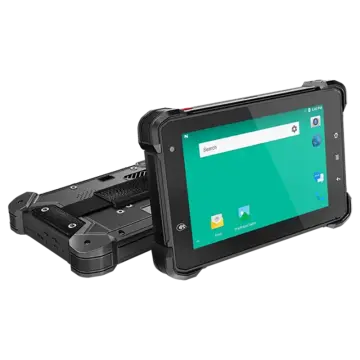 VT-7
VT-7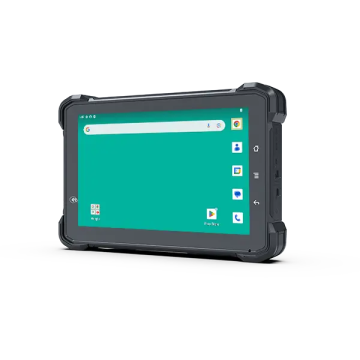 VT-7A PRO
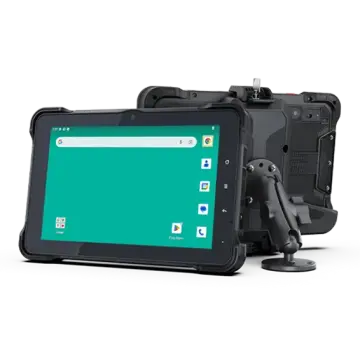 VT-10A Pro
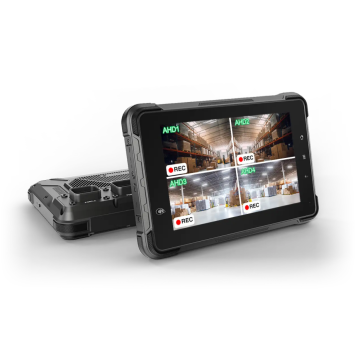 ST-7 Rugged Table
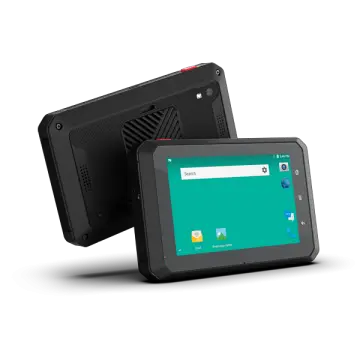 VT-5A
VT-5A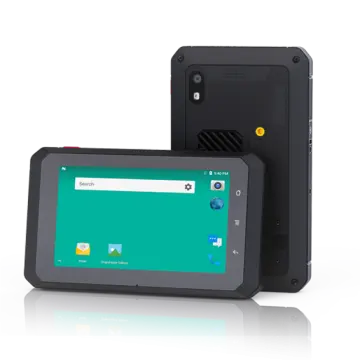 VT-5
VT-5 VT-BOX
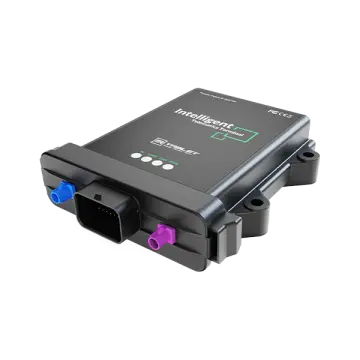 VT-BOX-II
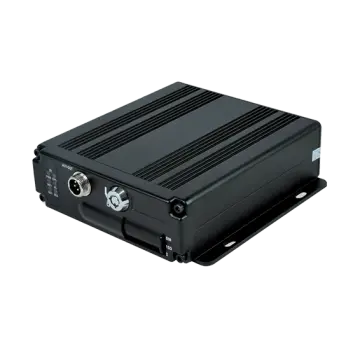 AI-MDVR040
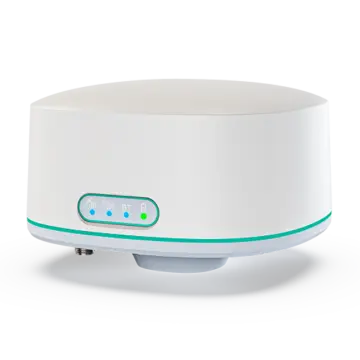 AT-B2
AT-B2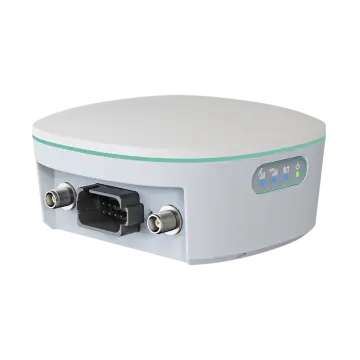 AT-R2
AT-R2
Regions We Serve
3Rtablet serves customers in more than 70 countries, including North America, Europe, Latin America, Oceania, Africa, and Asia Pacific regions.

In the evolving domain of precise geospatial measurements, Android rugged tablet PCs designed for high-precision GNSS surveying are revolutionizing how professionals in construction, agriculture, mining, and environmental monitoring execute critical field operations. Combining rugged hardware, advanced GNSS receivers, and flexible Android ecosystems, these tablets deliver resilience and reliability in the harshest environments while supporting cutting-edge positioning accuracy.
One of the core advantages of Android rugged tablet PCs lies in their tough, IP67/IP69K-rated chassis, capable of withstanding drops, water, dust, and extreme temperatures. This robustness is essential for GNSS professionals who work outdoors in unpredictable environments—ranging from muddy agricultural fields to dusty mining sites, or windy construction zones. Additionally, these devices often integrate multi-constellation GNSS chipsets (supporting GPS, GLONASS, Galileo, BeiDou) paired with real-time kinematic (RTK) correction technology to achieve centimeter-level surveying accuracy.
The commercial and industrial adaptation of rugged Android tablets in high-precision GNSS surveying is broad and rapidly expanding. Precision agriculture benefits from these devices by enabling exact crop mapping, automated planting, and yield optimization through detailed geospatial data. In mining operations, the rugged tablets facilitate stepwise excavation planning, pit volume calculations, and safety monitoring with spatial intelligence. Construction sectors employ these devices for site surveying, building layout verification, and infrastructure inspection, significantly reducing manual errors and rework costs.
Furthermore, integration with cloud platforms and IoT frameworks enables seamless data synchronization and remote collaboration, empowering organizations to make smarter, faster decisions and optimize resource allocation. The Android ecosystem remains adaptable, providing access to a wide range of surveying and mapping applications while allowing customization and OEM/ODM solutions tailored to specific industrial needs.
The future of Android rugged tablets for GNSS surveying is marked by greater integration of AI-powered analytics, edge computing, and enhanced sensor fusion technologies. Manufacturers are focusing on embedding ultra-fast processors, enhanced battery endurance, and modular designs that allow addition of custom GNSS antennas and communication modules (e.g., 5G, LoRaWAN). These advancements will empower in-field surveyors to process and visualize complex spatial datasets in real-time, improving situational awareness and precision.
Additionally, sustainability considerations are influencing design, with eco-friendly materials and energy efficiency becoming priorities. Enhanced ergonomic features, such as sunlight-readable screens and intuitive touch interfaces optimized for gloved operation, further improve usability in challenging outdoor conditions. These innovations will continue to establish Android rugged tablets as indispensable tools for high-precision geospatial professionals worldwide.
Technology-driven and market-oriented, 3Rtablet has more than 18 years of professional experience in developing and manufacturing rugged Internet of Vehicles (IOV) terminals and IoT system solutions. Our collaboration with worldwide top telematics providers ensures our products deliver stable performance and expert technical support across diverse industrial applications.
Our main product portfolio includes IP67-rated rugged tablets, MDM rugged devices, intelligent vehicle telematics terminals, RTK base stations and receivers, onboard computers, mobile data terminals, and agricultural displays, among others. These solutions serve a wide array of industries such as fleet management, construction, mining, precision agriculture, intelligent transportation, and more.
Offering comprehensive OEM/ODM services, we customize products to meet unique client requirements, emphasizing innovation and quality to deliver rugged, reliable, and ready Internet of Vehicle devices.
Professional Support & Market Expertise
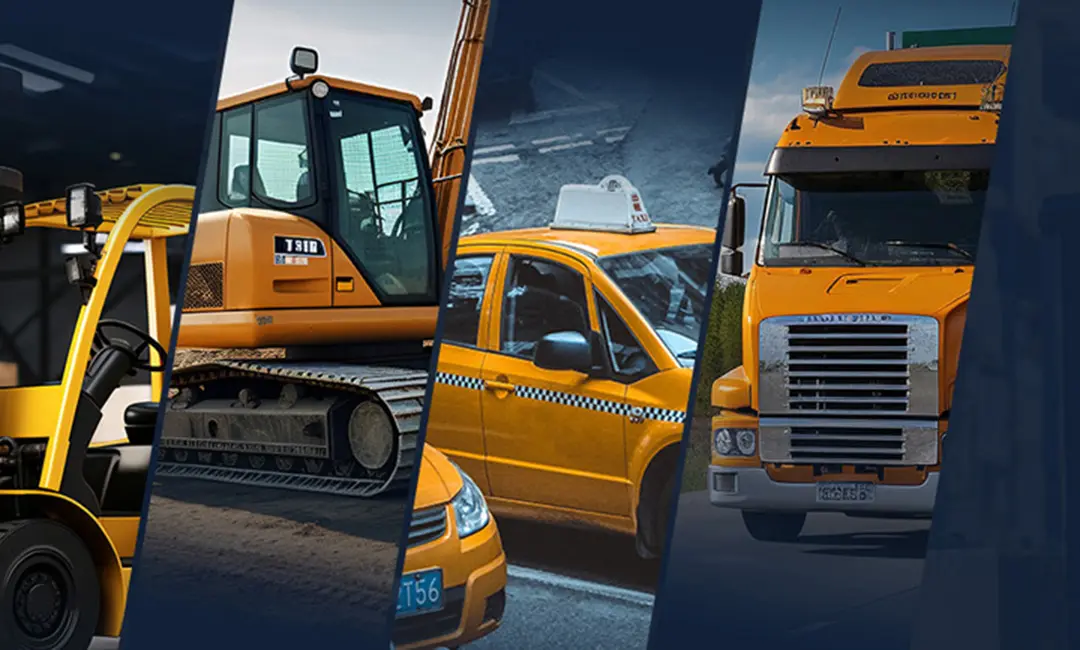

3Rtablet embodies a culture of innovation, quality, and customer-centric product design. We strive for ruggedness, reliability, and readiness in our Internet of Vehicle (IOV) devices. Our three core values - Sincerity, Sharing, and Success - guide every partnership and drive continuous improvement, enabling us to deliver exceptional rugged Android tablet solutions to the global marketplace.