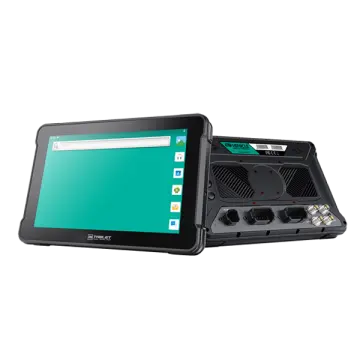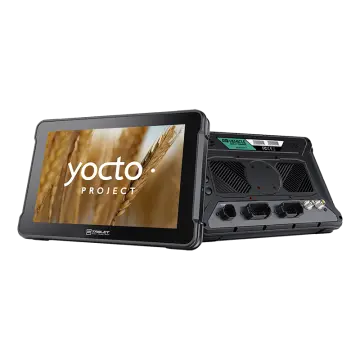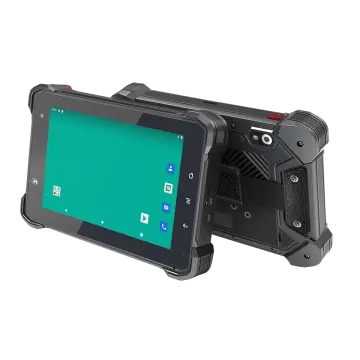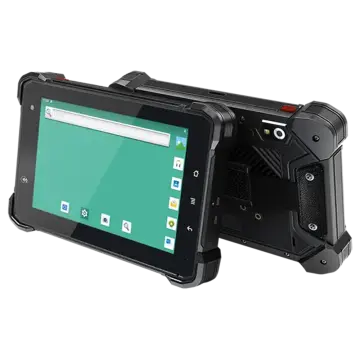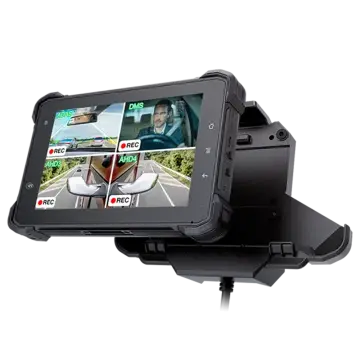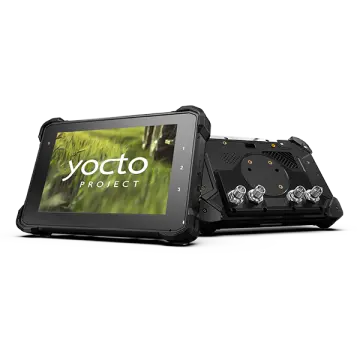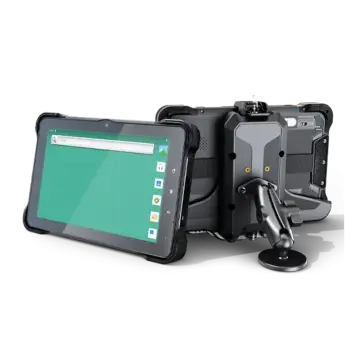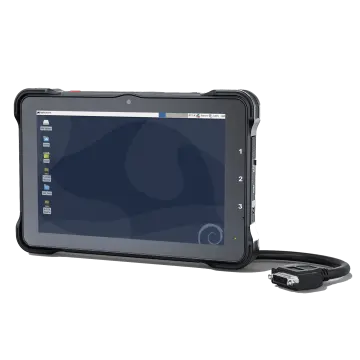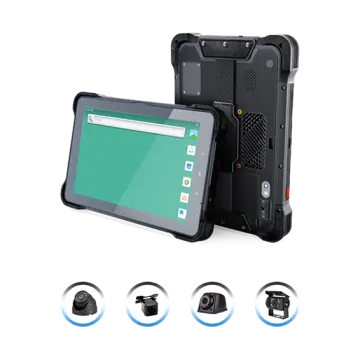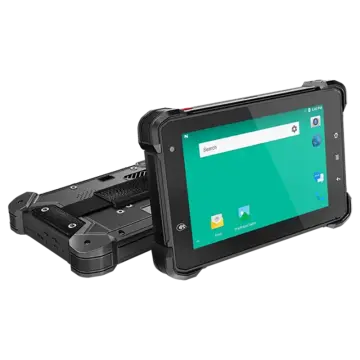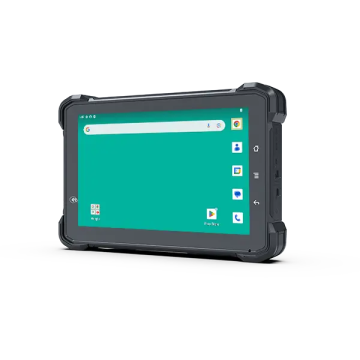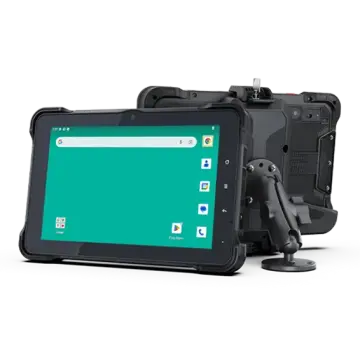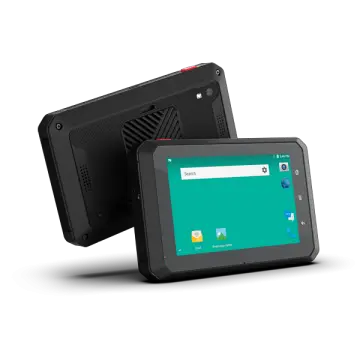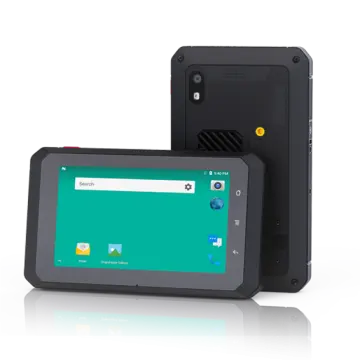
Purpose-built rugged Android tablet terminals designed for the demanding environment of public bus transportation, offering real-time dispatch, passenger management, and fleet telematics.
Public bus transportation is one of the world's largest and most complex mobility ecosystems, serving billions of passengers daily across urban, suburban, and rural networks. As cities grow smarter and sustainability mandates tighten, transit authorities are under mounting pressure to modernize their fleets with intelligent, connected technologies.
Android rugged tablet PCs have rapidly emerged as the central intelligence hub within modern bus cabins. Unlike consumer-grade tablets, these purpose-built devices are engineered to withstand continuous vibration, extreme temperatures ranging from -20°C to +70°C, high humidity, dust ingress, and the relentless power cycling demands of 24/7 transit operations.
According to industry research, the global intelligent transportation system (ITS) market is projected to exceed $50 billion USD by 2030, with in-vehicle computing terminals representing a significant and fast-growing segment. Bus operators across North America, Europe, Asia-Pacific, and Latin America are actively deploying rugged Android tablets to replace legacy hardware, reduce operational costs, and deliver a superior passenger experience.
The intersection of IoT connectivity, AI analytics, and rugged hardware engineering is reshaping how public bus systems operate at every level.
Next-generation rugged tablets now integrate 5G modems and Vehicle-to-Everything (V2X) communication protocols, enabling buses to exchange real-time data with traffic infrastructure, dispatch centers, and passenger information systems with sub-10ms latency — a critical requirement for smart city transit networks.
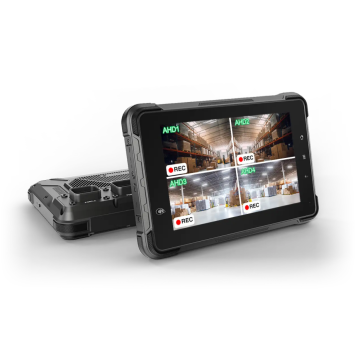
Modern rugged Android tablets serve as edge computing nodes, running on-device AI algorithms for driver behavior monitoring, fatigue detection, and predictive maintenance alerts. Integration with AHD multi-channel cameras enables real-time ADAS (Advanced Driver Assistance Systems) processing directly within the vehicle terminal.
As electric buses proliferate globally, rugged tablets are evolving to manage battery state-of-health monitoring, charging schedule optimization, and range prediction alongside traditional fleet telematics — becoming the unified digital cockpit for the new generation of zero-emission public transport.
Rugged Android tablets act as the critical on-board gateway between vehicle hardware and cloud-based transit management platforms. OTA (Over-The-Air) firmware updates, remote diagnostics, and centralized configuration management allow transit authorities to manage hundreds of buses from a single dashboard without physical intervention.
With increasing digitalization comes heightened security requirements. Enterprise-grade rugged tablets now ship with Mobile Device Management (MDM) capabilities, hardware-level encryption, and compliance with transit authority cybersecurity mandates — ensuring passenger data and operational systems remain protected against emerging threats.
Transit operators spanning multiple regulatory jurisdictions require devices certified across CE, FCC, RoHS, E-Mark, and regional GMS standards. Leading rugged tablet manufacturers are investing heavily in multi-certification programs to serve global bus OEMs and fleet operators with a single, compliant hardware platform.
From the driver's cab to the back-office control center, rugged Android tablet PCs are embedded across every operational layer of modern public bus transportation.
Rugged Android tablets provide bus drivers with live route navigation, dynamic schedule updates, and detour alerts pushed directly from the dispatch center. Integration with GPS/GNSS modules ensures sub-meter positioning accuracy, enabling precise arrival time predictions displayed on passenger information boards and mobile apps — directly improving passenger satisfaction scores and on-time performance KPIs.
Modern rugged tablets integrate NFC readers, barcode scanners, and contactless payment modules to serve as all-in-one fare collection terminals. This eliminates the need for separate ticketing hardware, reduces cabin clutter, and enables seamless interoperability with city-wide smart card and mobile payment ecosystems — a key requirement for MaaS (Mobility as a Service) deployments.
Tablets supporting 4-channel AHD camera input enable comprehensive 360° cabin and exterior video surveillance. Footage is recorded locally to encrypted storage and simultaneously streamed to cloud platforms for incident investigation, insurance claims, and driver coaching programs. AI-powered video analytics detect unauthorized access, overcrowding, and safety incidents in real time.
Connected via CAN bus and OBD-II interfaces, rugged Android tablets continuously monitor engine parameters, brake performance, tire pressure, and fuel consumption. Anomaly detection algorithms generate predictive maintenance alerts before failures occur, reducing unscheduled downtime by up to 35% and extending vehicle service life — delivering measurable ROI for transit authorities.
Integrated accelerometers, gyroscopes, and AI camera analytics enable continuous driver behavior scoring covering harsh braking, rapid acceleration, cornering, and distraction events. Automated reports are transmitted to fleet managers, supporting driver coaching programs, insurance premium optimization, and regulatory compliance with transport authority safety mandates.
Rugged tablets interfaced with infrared or AI vision-based passenger counting sensors provide real-time occupancy data to transit management platforms. This enables dynamic bus frequency adjustment, route optimization, and capacity planning — helping operators reduce empty running costs while improving service levels during peak demand periods.
Rugged Android tablets drive automated stop announcements, next-stop displays, and emergency broadcast systems through integration with onboard audio and display networks. Multilingual support and text-to-speech engines ensure accessibility compliance, while content management systems allow transit authorities to push promotional and operational messages remotely across entire fleets.
One-touch SOS functionality, integrated panic buttons, and automated incident reporting workflows allow drivers to immediately alert dispatch centers and emergency services. GPS coordinates, live camera feeds, and vehicle telemetry are simultaneously transmitted to enable rapid response — a critical safety feature increasingly mandated by transit authorities globally.

3Rtablet has served customers across more than 70 countries spanning North America, Europe, Latin America, Oceania, Africa, and the Asia Pacific region — with proven deployments in urban bus rapid transit (BRT), intercity coach networks, and school bus fleets.

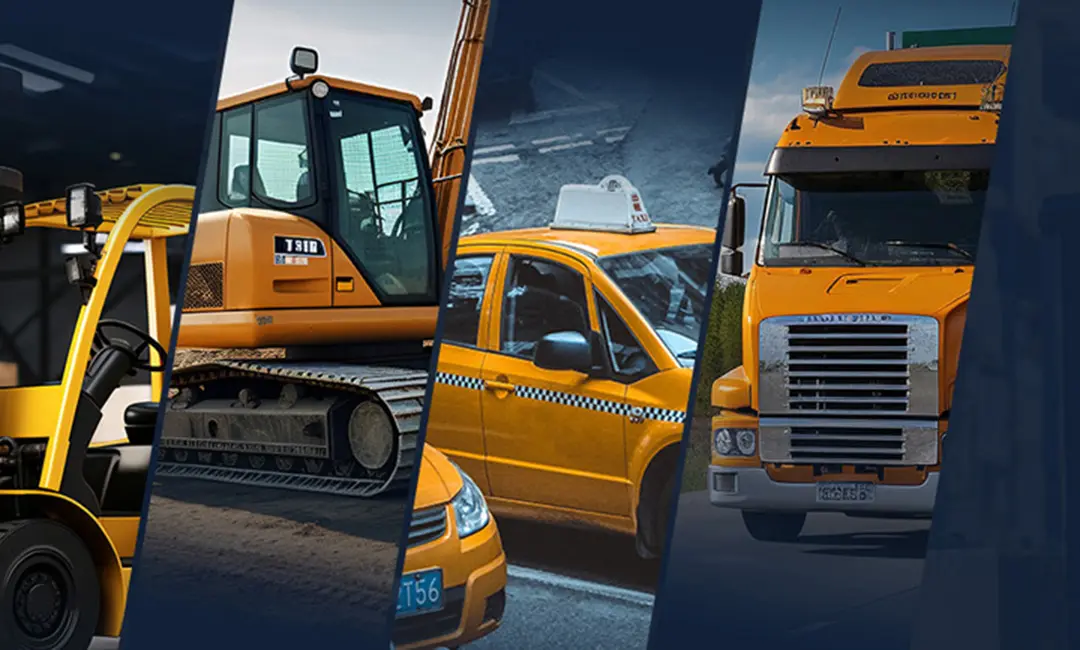
Our rugged tablet solutions span Fleet Management, Public Transportation, Taxi Dispatch, Construction, Mining, Forklift Safety, Precision Agriculture, Heavy Machinery & Trucks, Waste Management, Vehicle Tracking, and Emergency Response — delivering a unified hardware platform across diverse verticals.

3Rtablet's hardware devices are powered by NXP, Qualcomm, and TI solutions. Our engineering team delivers functional requirements analysis, hardware test-bed evaluation, schematic diagram design, and full OEM/ODM customization to meet the specific branding and technical requirements of transit authorities and system integrators.
Technology-based, market-oriented, and innovation-driven, 3Rtablet develops and manufactures rugged Internet of Vehicles (IOV) terminals and comprehensive IoT system solutions specifically engineered for the demands of public transportation and industrial fleet environments.
With more than 18 years of professional experience, 3Rtablet has cooperated with many top-tier telematics solution providers around the world. Our products are widely recognized for stable performance under harsh operating conditions and professional technical support that keeps transit fleets running reliably.
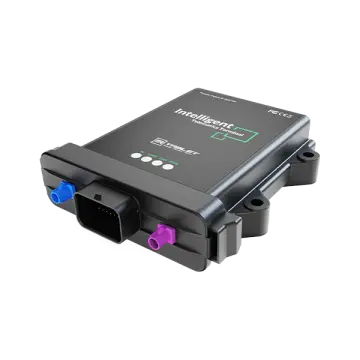
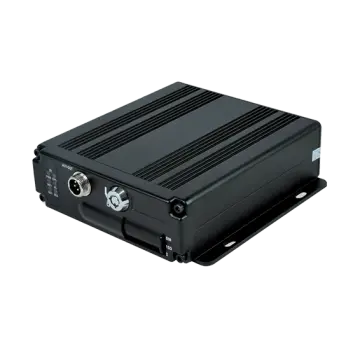
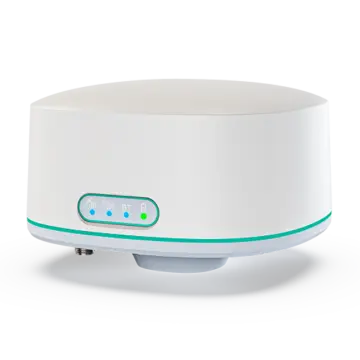
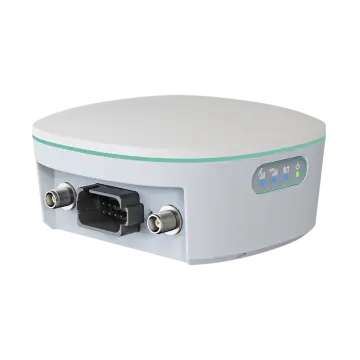
Our core product portfolio includes: IP67 Rugged Tablets, MDM Rugged Devices, Intelligent Vehicle Telematics Terminals, RTK Base Stations and Receivers, On-Board Computers, Mobile Data Terminals, AHD Camera Integrated Tablets, IP67/IP69K Android Telematics Boxes, MDVR systems, and AI Dashcams — forming a complete ecosystem for public bus transportation digitalization.
Explore our complete lineup of rugged Android tablet PCs, vehicle terminals, and IoT computing devices engineered for public bus transportation and industrial fleet applications.