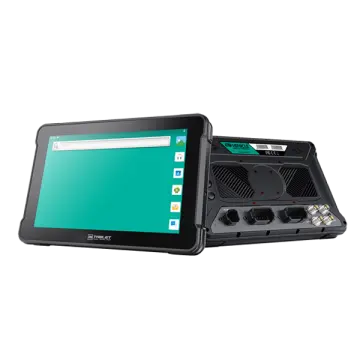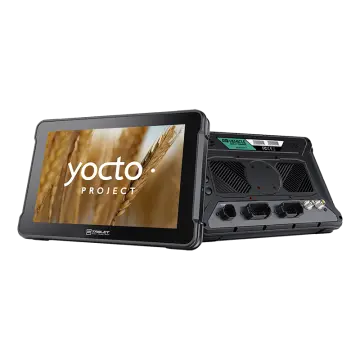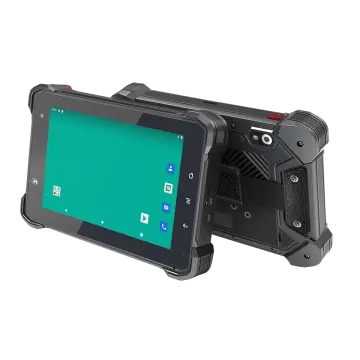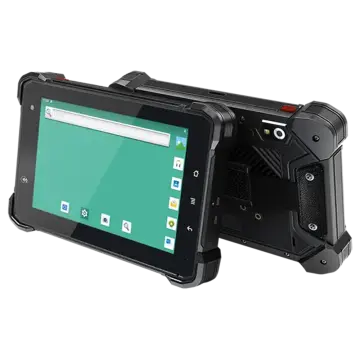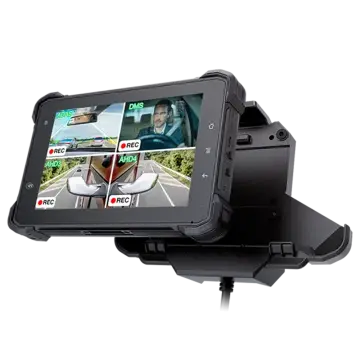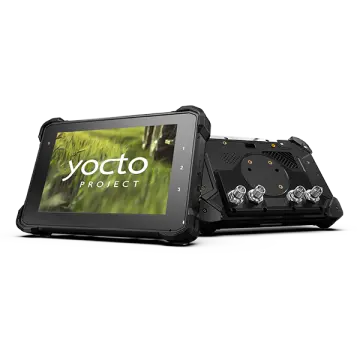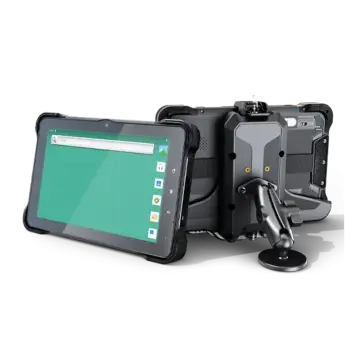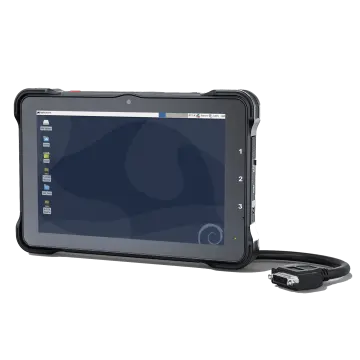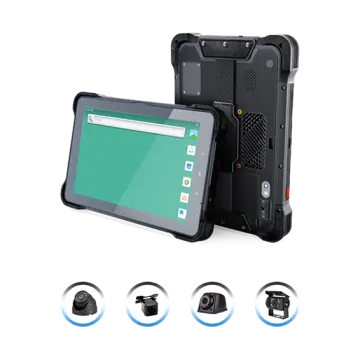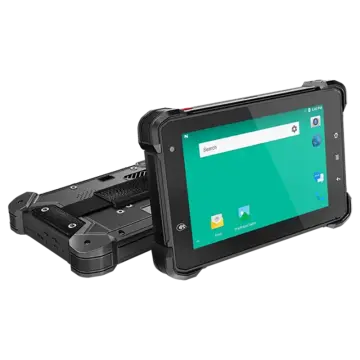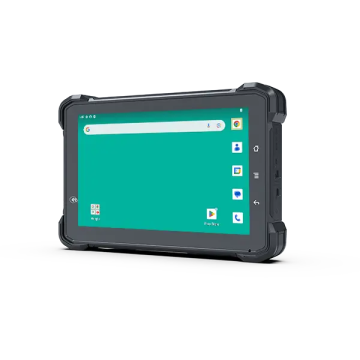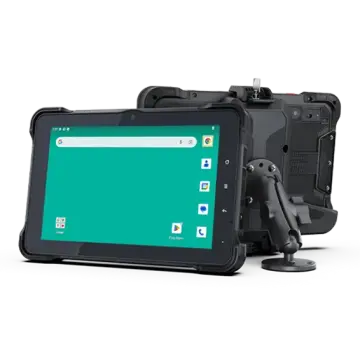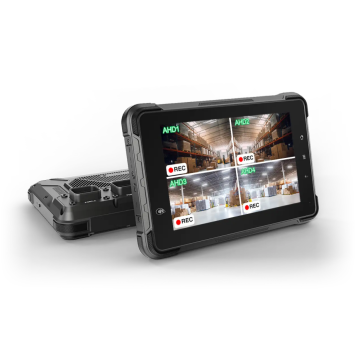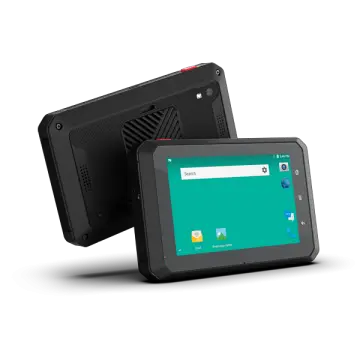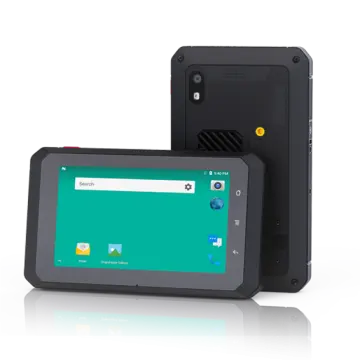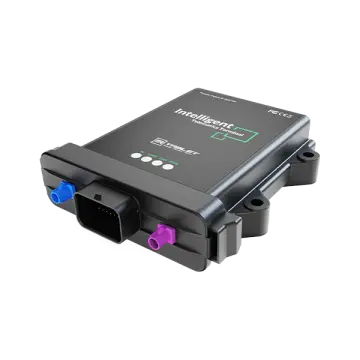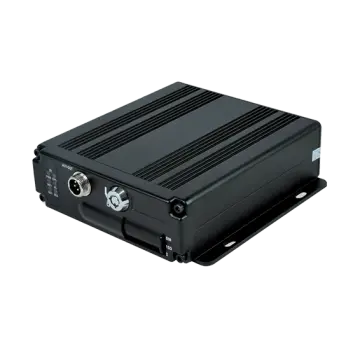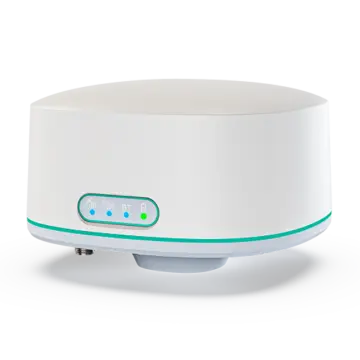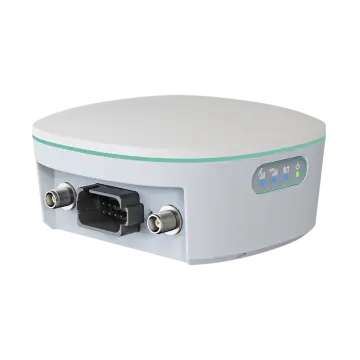
Deploying reliable hardware is the first step in successful self-driving R&D. Below are our top-tier rugged terminals specifically engineered to meet the stringent demands of autonomous vehicle sensor monitoring, fleet telemetry, and real-time mapping.
The evolution of autonomous driving from Level 2 advanced driver-assistance systems (ADAS) to Level 5 full automation is one of the most complex engineering challenges of our time. At the heart of this revolution lies an unprecedented volume of data. During an autonomous driving test, vehicles generate terabytes of data per hour through LiDAR, radar, ultrasonic sensors, and high-definition cameras. To interface with, monitor, and relay this data, engineers require hardware that bridges the gap between the vehicle's central computing unit and the human test operator. This is where the Android Tablet IP67 GPS Navigator 4G becomes an indispensable industrial tool.
In the commercial sector, major tech conglomerates and legacy automotive manufacturers are heavily investing in autonomous fleet testing. However, early testing phases revealed a critical operational bottleneck: standard consumer-grade tablets and laptops completely fail in real-world automotive environments. Consumer devices suffer from thermal throttling under the intense heat of a vehicle dashboard, their screens wash out in direct sunlight, they lack the interface ports (like CAN bus or RS232) needed for vehicle diagnostics, and their fragile chassis cannot withstand the constant multi-axis vibration of road testing. Consequently, the industry has aggressively pivoted toward ruggedized, military-grade mobility solutions.
An IP67 rating ensures that the tablet is entirely protected against dust ingress and can withstand water immersion, a mandatory requirement for open-cabin testing, heavy machinery automation, and agricultural autonomous vehicles. Furthermore, the integration of high-precision GPS (often supporting RTK for centimeter-level accuracy) and 4G LTE/5G connectivity allows these tablets to function as critical nodes in the Internet of Vehicles (IoV). They stream real-time telemetry back to central command centers, download high-definition (HD) map updates on the fly, and enable immediate remote intervention if an autonomous system encounters an edge case.
Engineered to survive extreme shock, vibration, dust, and moisture. Essential for off-road autonomous testing and extreme weather condition simulations.
Advanced navigation modules provide pinpoint accuracy required for mapping out geofences, waypoints, and validating the vehicle's internal localization algorithms.
Maintains constant communication with cloud servers for real-time data offloading, OTA updates, and remote fleet management across vast testing grounds.
During a live autonomous driving test, the safety driver or test engineer must monitor the AI's decision-making processes in real-time. An Android Tablet IP67 GPS Navigator acts as the primary Human-Machine Interface (HMI). Connected directly to the vehicle's CAN bus or central compute node, the tablet displays sensor fusion data, bounding boxes for object detection, and planned trajectories. With a powerful Android OS, software teams can easily deploy custom APKs tailored to their specific neural network outputs. The 4G connectivity ensures that if an anomaly occurs, the exact telemetry and video snippet can be instantly flagged and uploaded to the engineering team for immediate debugging.
As autonomous testing scales from single prototypes to massive fleets operating in geofenced urban areas (like Robotaxi pilot programs), fleet orchestration becomes paramount. Dispatchers need to know the exact location, battery/fuel status, and system health of every autonomous vehicle. Rugged tablets mounted in the vehicles serve as the tracking beacon and communication hub. The integrated GPS navigator provides accurate localization independent of the vehicle's experimental systems, acting as a reliable fail-safe for tracking. Dispatchers can push new routes or recall vehicles to the depot via the 4G network.
To prove the safety of autonomous systems, vehicles must be tested in the harshest environments on Earth—from the blistering heat of Death Valley to the freezing temperatures of the Arctic Circle. An IP67 rated tablet is designed with wide operating temperature ranges (often -20°C to 60°C or more). Unlike standard devices whose batteries fail in the cold or whose processors overheat in the sun, these industrial tablets feature advanced thermal management and industrial-grade batteries. Their high-brightness screens (often exceeding 800-1000 nits) ensure that test engineers can read critical data even under direct, glaring sunlight during desert proving-ground runs.
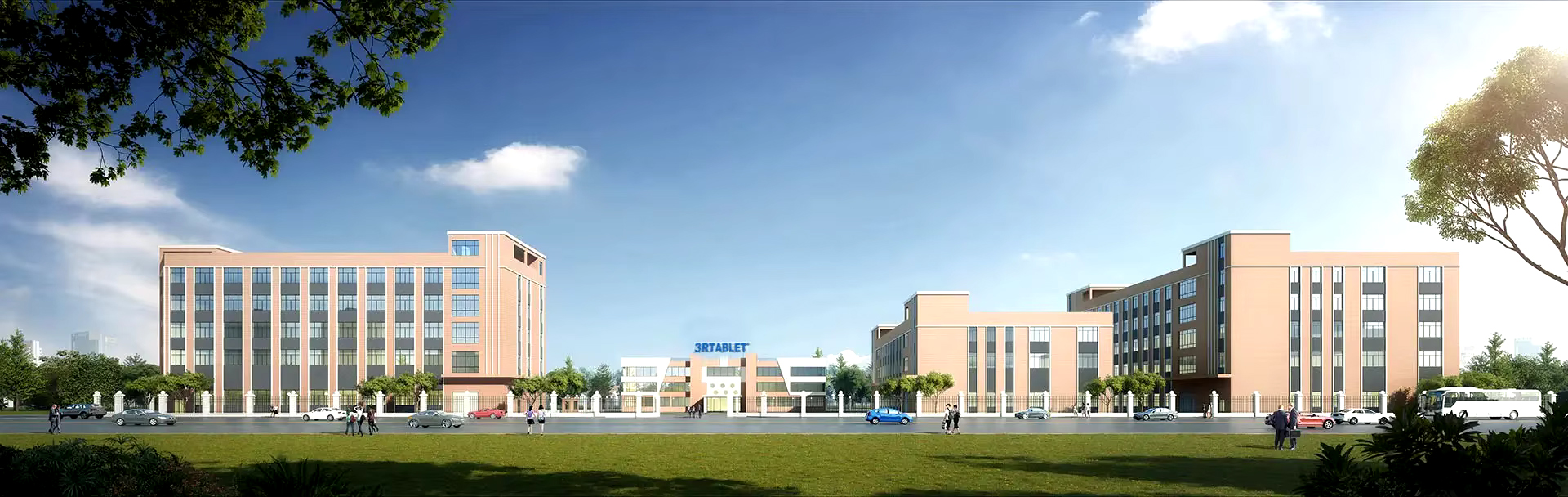
Technology-based, market-oriented, innovative enterprise that develops and manufactures rugged Internet of Vehicles (IOV) terminals and IOT system solutions. With more than 18 years of professional experience, 3Rtablet has cooperated with many top brand telematics solution providers around the world, and the products are widely recognized for their stable performance and professional technical support.
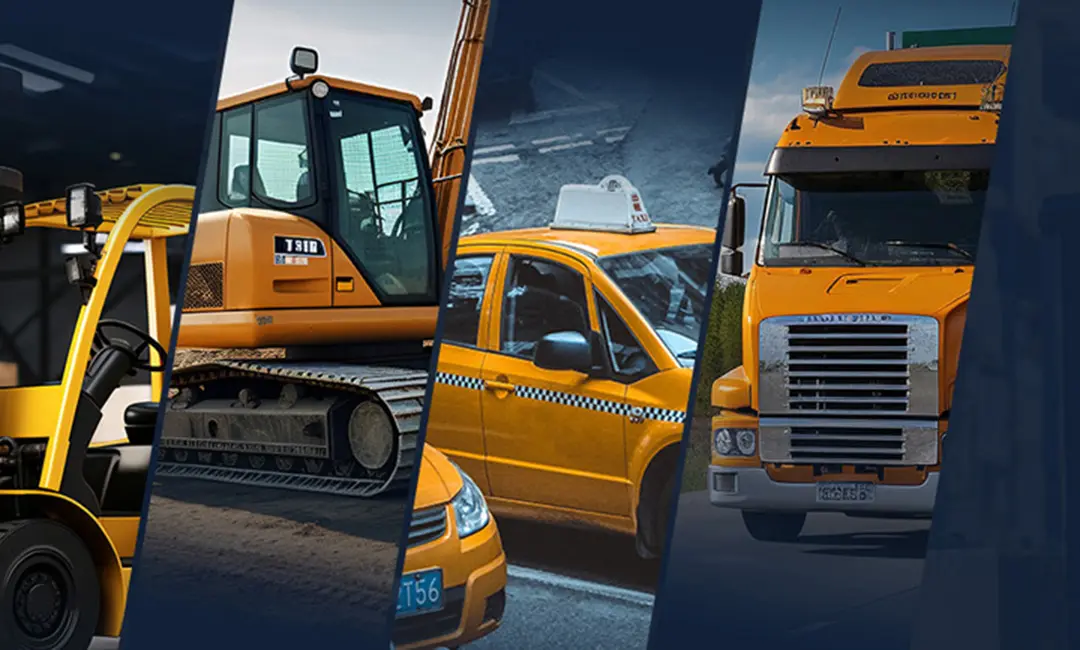
The main products include IP67 rugged tablets, MDM Rugged Device, Intelligent Vehicle Telematics Terminal, and RTK Base Station and Receiver, On-board Computers, Mobile Data Terminal, Agriculture display, Vehicle-mounted Tablets, AHD Camera Integrated Tablets, IP67/IP69K Android telematics boxes, MDVR and Al Dashcam. Al algorithmic vehicle video surveillance and recording technology and comprehensive loT solutions for a wide range of fleet management application, including ELD/HOS in trucks, construction equipment, mining, forklift safety, taxi dispatch, agriculture precision, intelligent transportation systems, etc. Offering OEM/ODM services, we customize products to meet specific needs.

3Rtablet R&D team with more than 18 years field experience to do technical support, and has been ready to support you in building professional solutions in specific markets.


3Rtablet follows innovative technologies, complete solutions, friendly products, excellent quality, and professional services to continuously improve product quality and customer satisfaction, delivering customers with Rugged, Reliable, and Ready Internet of Vehicle (IOV) devices. 3Rtablet has three core values at the heart of its operation: We are ‘Sincere’, we ‘Share’ and always strive for ‘Success’ with our business partners.
As the autonomous driving industry matures, the requirements for in-vehicle testing hardware are shifting rapidly. The traditional Android Tablet IP67 GPS Navigator 4G is evolving into a highly sophisticated edge-computing node. One of the most prominent trends is the integration of Edge AI directly into the tablet's architecture. Future rugged tablets will not merely display data; they will feature dedicated Neural Processing Units (NPUs) capable of running lightweight machine learning models locally. This allows the tablet to independently verify the vehicle's AI decisions, offering a redundant layer of safety validation without relying on cloud latency.
Another significant trend is the transition from 4G LTE to 5G and Cellular V2X (C-V2X) communication standards. While 4G provides excellent coverage for telemetry, 5G's ultra-reliable low-latency communication (URLLC) is essential for remote teleoperation. In scenarios where an autonomous vehicle encounters an unnavigable obstacle, a remote human operator can take control of the vehicle via the tablet's 5G connection, utilizing real-time, high-definition multi-camera streams with near-zero lag. The tablet will serve as the secure gateway for this critical V2X data exchange.
Furthermore, the physical interfacing of these devices is becoming more standardized yet versatile. We are seeing a rise in smart docking stations equipped with rich I/O ports (RJ45, RS485, multiple USB Type-C, and dedicated GPIOs). These docks allow the tablet to be instantly snapped into a test vehicle, immediately connecting to the vehicle's power system (supporting 9-36V wide voltage inputs to handle alternator spikes) and data buses. When the test concludes, the engineer can undock the tablet and walk away, taking all the encrypted proprietary testing data with them securely.
The journey toward fully autonomous vehicles is paved with massive data collection, rigorous safety validation, and millions of miles of real-world testing. Standard consumer electronics simply cannot survive or perform in this demanding industrial arena. By leveraging an Android Tablet IP67 GPS Navigator 4G, automotive engineers and fleet managers equip themselves with a rugged, reliable, and intelligent interface. From withstanding harsh environmental extremes to providing seamless cloud connectivity and precise localization, these specialized devices are the unsung heroes accelerating the future of autonomous transportation.
Explore our complete range of ruggedized Android and Linux terminals, designed specifically to interface with advanced driver-assistance systems, manage autonomous fleets, and withstand the rigors of continuous vehicular testing.