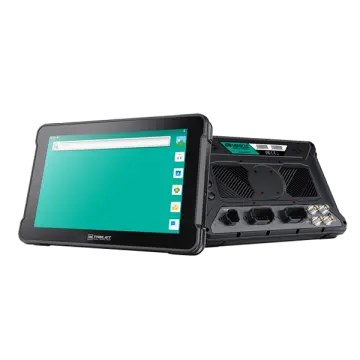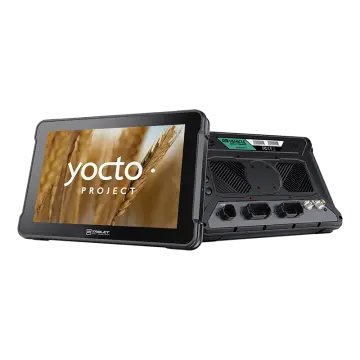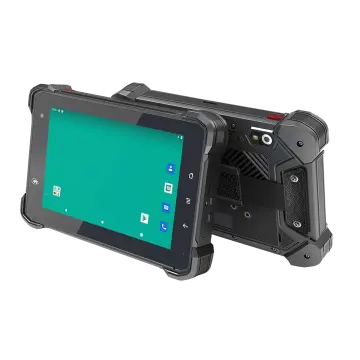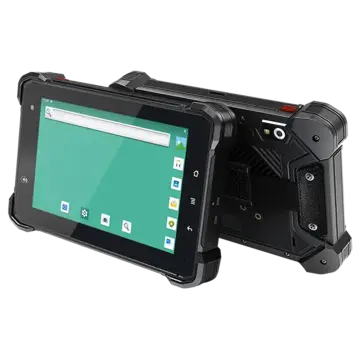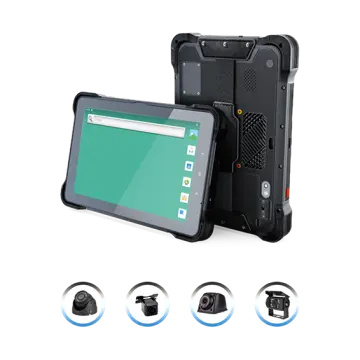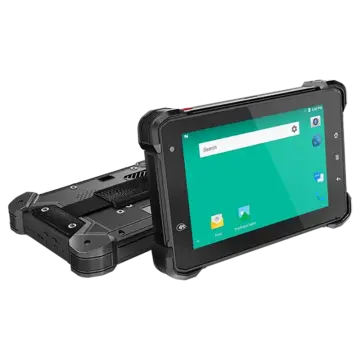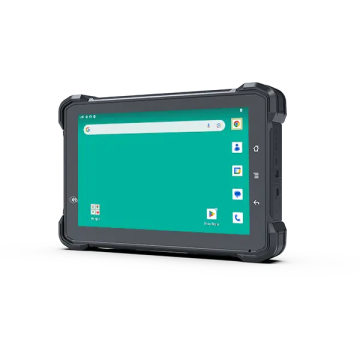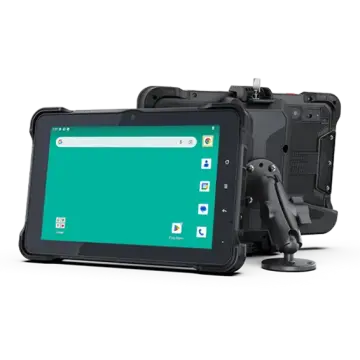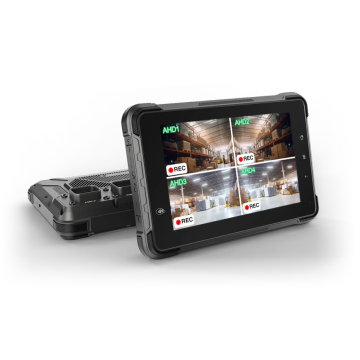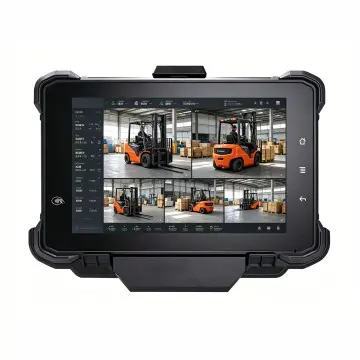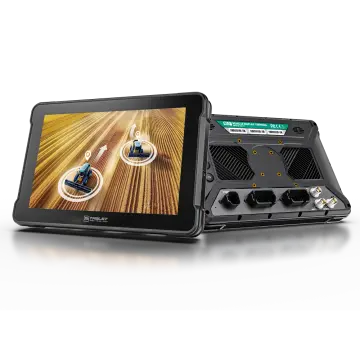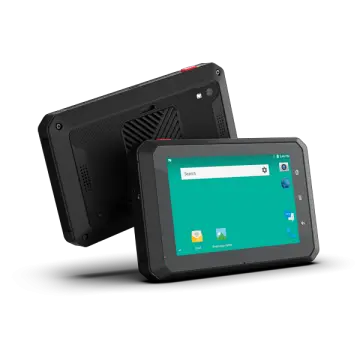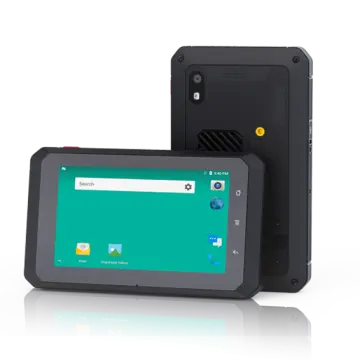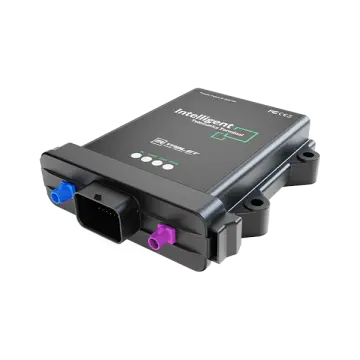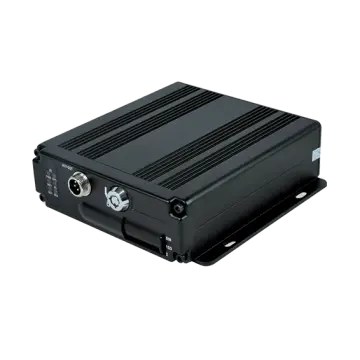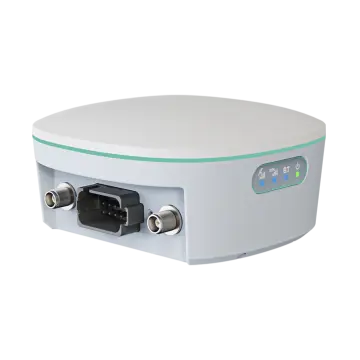
High-reliability in-vehicle Android computational hardware engineered for commercial transport, bulk logistics, and machinery operations across Melbourne and Regional Victoria.
Understanding the growing demand for intelligent all-in-one vehicle mounted terminals across Australia's busiest freight capital.
Greater Melbourne represents the economic heartbeat of southeastern Australia, accounting for a substantial volume of interstate commerce, port-side container transfers, and urban deliveries. As the home to the Port of Melbourne—the nation’s largest container and general cargo port handling upwards of 3.2 million TEU annually—the Victorian capital serves as a mission-critical gateway linking international sea trade to metropolitan warehousing precincts such as Truganina, Altona, Dandenong South, and Somerton. Within this high-throughput logistics network, the deployment of Android Tablet Vehicle All In One units has shifted from an operational convenience to a core competitive requirement.
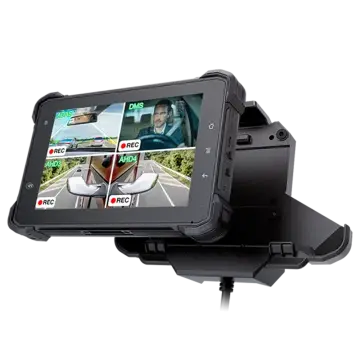
Urban mobility corridors across Victoria, including the Monash Freeway (M1), the Western Ring Road (M80), CityLink, and the massive West Gate Tunnel Project, present unique routing challenges. Commercial heavy vehicles, B-doubles, container sideloader trucks, and city distribution vans navigate stringent National Heavy Vehicle Regulator (NHVR) performance mandates, mandatory fatigue monitoring protocols, and fluctuating congestion patterns. In-vehicle Android tablets furnish transport operators with low-latency computing at the vehicle edge, enabling simultaneous execution of Electronic Work Diaries (EWD), cross-dock proof of delivery (POD), dual-facing AI dashcam feeds, and direct telematics reporting to central dispatch towers.
Streamlined integration with terminal operating systems at Swanson and Webb Docks, delivering real-time vehicle booking system (VBS) slot reconciliation and yard tracking.
Certified digital workflow engines providing drivers with clear, real-time rest-break alerts and legally binding heavy-vehicle compliance logs across Victoria roads.
Continuous vehicle diagnostics parsing SAE J1939, OBD-II, and CAN 2.0B protocols to isolate engine faults, fuel consumption spikes, and vehicle thermal stresses.
Melbourne is globally renowned for experiencing "four seasons in one day." Fleet hardware must endure scorching summer asphalt temperatures in excess of 40°C across the northern and western plains, sudden coastal cold fronts, torrential downpours, high interior vehicle humidity, and prolonged mechanical vibration caused by road expansion joints and rough warehouse yards. Consumer-grade tablets routinely suffer battery thermal throttling, touchscreen failure under moisture, or shattered enclosures when exposed to heavy vibration.
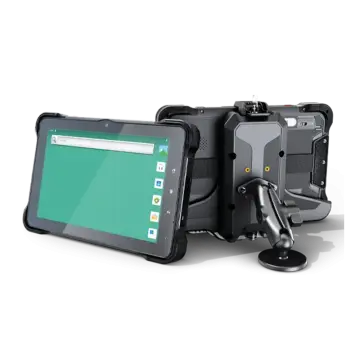
Our rugged all-in-one vehicle tablets are purposefully engineered with IP67-rated ingress protection, military-grade drop and vibration resistance (MIL-STD-810H/G), wide operating temperature tolerances (-20°C to 70°C), and broad voltage power inputs (9V to 36V DC) equipped with ISO 7637-2 transient spike protection. This resilient hardware baseline guarantees zero unexpected downtime for field service fleets operating across the Yarra Valley, municipal recycling trucks traversing inner-city narrow streets in Fitzroy and Carlton, or inter-capital linehaul transports departing Dynon Rail Terminals for Sydney or Adelaide.
The modern supply chain and municipal ecosystem in Melbourne encompasses far more than simple long-haul tracking. Rugged in-cab Android terminals are transforming four major local industrial pillars:
Designed around industrial computing silicon—including NXP i.MX, Qualcomm Snapdragon, and Texas Instruments platforms—each vehicle terminal is optimized for Android Enterprise, supporting custom Mobile Device Management (MDM), zero-touch staging, and restricted kiosk operating environments.
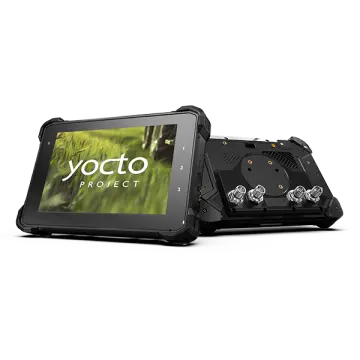
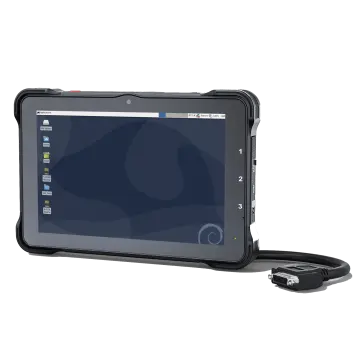
Built-in I/O expandability ensures direct compatibility with existing commercial vehicle peripherals: RS232/RS485 serial ports for scale indicators and RFID badge scanners, digital inputs/outputs for PTO (power take-off) sensors and door switches, and unified aviation connectors for multi-channel video surveillance systems (MDVR/AI Dashcam).
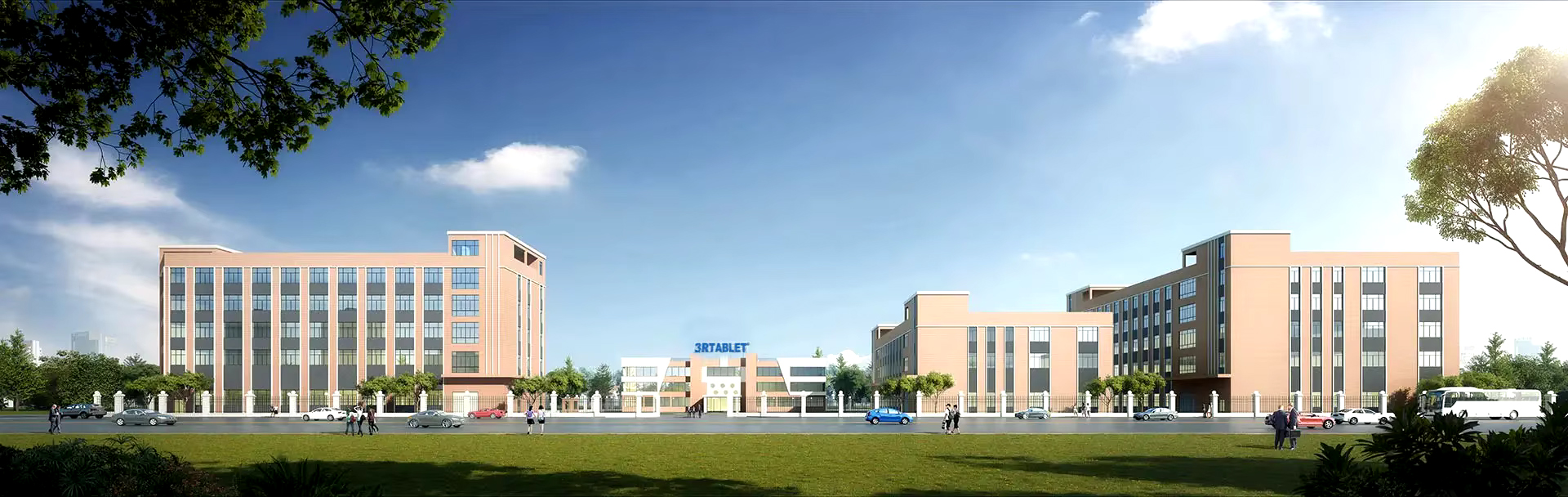
Technology-based, market-oriented, innovative enterprise that develops and manufactures rugged Internet of Vehicles (IOV) terminals and IOT system solutions. With more than 18 years of professional experience, 3Rtablet has cooperated with many top brand telematics solution providers around the world, and the products are widely recognized for their stable performance and professional technical support.
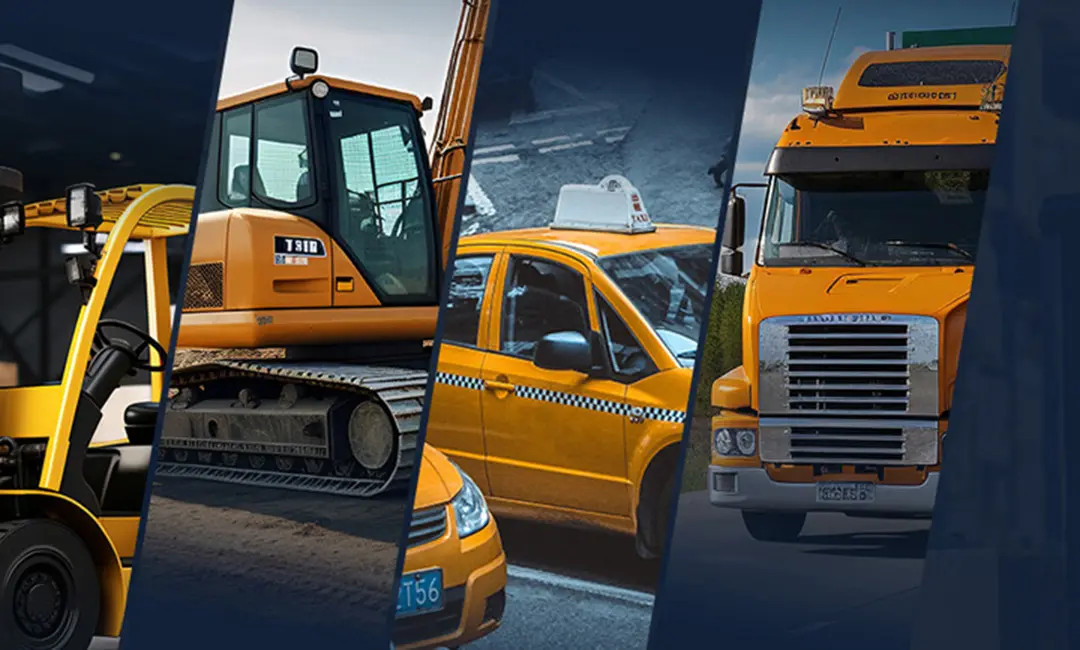
The main products include IP67 rugged tablets, MDM Rugged Device, Intelligent Vehicle Telematics Terminal, and RTK Base Station and Receiver, On-board Computers, Mobile Data Terminal, Agriculture display, Vehicle-mounted Tablets, AHD Camera Integrated Tablets, IP67/IP69K Android telematics boxes, MDVR and AI Dashcam. AI algorithmic vehicle video surveillance and recording technology and comprehensive IoT solutions for a wide range of fleet management application, including ELD/HOS in trucks, construction equipment, mining, forklift safety, taxi dispatch, agriculture precision, intelligent transportation systems, etc. Offering OEM/ODM services, we customize products to meet specific needs.
3Rtablet R&D team with more than 18 years field experience to do technical support, and has been ready to support you in building professional solutions in specific markets.
3Rtablet has served customers among more than 70 countries in the North America, Europe, Latin America, Oceania, Africa, and the Asia Pacific region.
Fleet Management, Precision Agriculture, Mining, Taxi Dispatch, Forklift Safety, Construction, Public Transportation, Heavy Machinery & Trucks, Crane, Waste management, Vehicle tracking's and Emergency Response Solutions etc.
3Rtablet's Hardware devices are mainly powered by NXP, Qualcomm, TI solutions, Functional requirements, Hardware test-bed evaluation, Schematic diagram design, Brand requirements for more requirements, please refer to OEM/ODM service.
How artificial intelligence, electric commercial vehicles (EVs), and edge processing are shaping vehicle computing architectures.
The Australian transportation sector is undergoing a rapid modernization cycle driven by zero-emission targets, smart infrastructure initiatives, and intelligent transportation systems (ITS). In Victoria, major transport bodies and city councils are actively evaluating electric commercial fleets for last-mile freight and municipal sanitation. This transformation introduces new telematics parameters: battery state-of-health (SoH) diagnostics, dynamic regenerative braking telemetry, and smart charging scheduling at commercial depot hubs.
Our Android tablet vehicle all-in-one ecosystem bridges traditional vehicle CAN bus data with next-generation edge AI computation. Rather than transmitting massive raw video streams across cellular links, on-device neural processing units (NPU) perform real-time Advanced Driver Assistance Systems (ADAS) and Driver Monitoring Systems (DMS) algorithms locally. Potential road hazards, driver distraction, seatbelt evasion, or lane departures are analyzed instantly at the vehicle level, providing audible and visual cab warnings to protect heavy vehicle drivers on the busy Tullamarine Freeway, Princess Highway, or Hume Freeway.
Additionally, Melbourne's cold chain logistics providers—servicing major pharmaceutical and supermarket distribution corridors—rely on in-vehicle tablets connected via BLE or RS485 temperature probes. Multi-zone refrigerated containers require constant automated thermal logging to ensure compliance with the Australian Cold Chain Guidelines. An integrated Android tablet serves as both the driver interface and the IoT gateway, continuously synchronizing container temperatures to cloud databases without driver intervention.
Complete lineup of rugged tablets, telematics gateways, MDVR systems, and precision RTK controllers engineered for heavy transport and off-road machinery.