2026 Best OEM Android Tablet Suppliers for Global Buyers
Choosing among the 2026 Best OEM Android Tablet Suppliers requires more than comparing factory prices. Global buyers need evidence of engineering depth, production consistency, and after-sales reliability. An Oem Tablet Android partner should show audited facilities, stable component sourcing, clear certifications, and practical experience with regional requirements.
Andy Rubin, Android’s co-founder, once described the platform as “open and free.” That principle still shapes OEM tablet development. It gives brands room to customize displays, processors, interfaces, security tools, and packaging. However, openness does not guarantee quality. A supplier may offer a sharp quotation while using weaker batteries, outdated chipsets, or inconsistent firmware. The difference becomes visible in a classroom, warehouse, or hotel reception desk.
Real evaluation starts with physical details. Buyers should inspect screen brightness, speaker clarity, charging temperature, button durability, and sleep-mode battery loss. Factory samples matter. So do pilot orders. A capable supplier should explain Android update policies, testing procedures, defect rates, and replacement timelines without vague promises. Documentation should match the delivered device.
There is no perfect supplier. Even experienced manufacturers can miss a regional network band or underestimate software support costs. That uncomfortable reality deserves attention. Buyers should record every assumption, test samples under daily workloads, and confirm production controls before signing. The strongest OEM relationship combines transparent communication, measurable quality standards, and the willingness to correct mistakes early. Reliability is built on evidence, not impressive brochures.
What OEM Android Tablet Suppliers Offer Global Buyers
For global buyers, OEM Android tablet suppliers offer more than finished hardware. They help adapt screen sizes, processor options, memory, cameras, ports, and battery capacity. Buyers can request custom logos, packaging, startup screens, and preinstalled business applications. Language support also matters when tablets serve schools, retailers, or field teams across several regions.
Reliable suppliers provide engineering samples before mass production. They should share test reports, material specifications, warranty terms, and production schedules. Ask how they control battery safety, charging performance, touchscreen accuracy, and heat management. Clear documentation supports import reviews and local compliance checks. It also reduces unpleasant surprises after shipment. Small details matter.
The best supplier relationship includes regular factory communication and independent quality inspections. A supplier may accept a reasonable minimum order, flexible packaging, or staged deliveries. However, customization can increase development time and technical risk. The first sample may look excellent but perform poorly under continuous use. That is a warning. Buyers should test Wi-Fi stability, sleep-mode power loss, firmware updates, and drop resistance before approving production. No supplier is perfect, and even experienced teams sometimes underestimate after-sales support. Replacement parts, repair guidance, and response times deserve the same attention as the tablet itself.
Key Criteria for Evaluating OEM Android Tablet Manufacturers
2026 Best OEM Android Tablet Suppliers for Global Buyers
Evaluating an OEM Android tablet manufacturer requires more than comparing prices. Check its engineering experience, production history, and ability to document quality procedures. Ask for recent factory audit records, sample inspection reports, and clear production timelines. A reliable supplier should explain processor options, display brightness, battery capacity, charging standards, and thermal performance in practical terms.
Request a working sample before approving tooling. Test Wi-Fi stability, touch response, speaker volume, camera performance, and battery endurance. Review firmware update procedures and device security controls. Confirm whether the manufacturer can support regional certifications and packaging requirements.
A polished prototype can still hide weak components. I have seen specifications change between samples and mass production, so written approval points are essential. Some buyers focus too heavily on unit price. That can become expensive later.
Tips:
Compare three suppliers using the same checklist. Inspect random production units, not only showroom samples. Ask who owns the tooling and how defects are handled. Confirm minimum order quantities, replacement policies, spare-part access, and response times. A useful test includes cold starts, repeated charging, and several hours of video playback. Keep evidence in one shared file. Small gaps matter.
Hardware, Software, and Customization Options to Compare
Global tablet sourcing now demands more than a low factory quotation. IDC recorded 147.6 million tablet shipments in 2024, up 9.2% year over year (Worldwide Quarterly Personal Computing Device Tracker, January 2025). Buyers should compare processor stability, memory speed, display brightness, battery capacity, and long-term thermal performance. Ask suppliers for test videos and independent laboratory records. Do not trust impressive samples alone.
Hardware customization should match the use case. A warehouse tablet may need a reinforced frame, glove-friendly touch, and programmable buttons. A classroom model may require lighter weight, stronger speakers, and effective parental controls. Canalys reported approximately 9% global tablet market growth in 2024 (Global Tablet PC Market, Q4 2024). That expansion can encourage rushed production. It can also hide inconsistent components between batches.
Software deserves equal attention. Confirm system version, security patch policy, device-management support, language coverage, and application compatibility before signing. Request a written update schedule, not a verbal promise. Custom boot screens, restricted settings, remote diagnostics, and kiosk modes can reduce deployment costs. Yet customization sometimes weakens stability. This is easy to overlook. Suppliers should provide reproducible firmware builds, source-code responsibility terms, and over-the-air update testing. In my sourcing experience, the best quotation often fails when software ownership remains unclear. A smaller pilot batch can expose those weaknesses before global rollout.
2026 Best OEM Android Tablet Suppliers for Global Buyers
Use this buyer-focused benchmark to compare OEM capabilities across hardware, software, customization, compliance, supply-chain readiness, and long-term support. The percentages represent a practical procurement weighting model rather than a ranking of individual companies.
Hardware and software flexibility are weighted most heavily because they directly affect product differentiation, deployment requirements, and total ownership cost. Buyers should validate certifications, minimum order quantities, lead times, security-update policies, and warranty terms during the RFQ process.
Global Compliance, Quality Control, and Supply Chain Factors
Choosing an OEM Android tablet supplier in 2026 requires more than a competitive quotation. Global buyers should verify compliance for every destination market before approving production. Ask for current test reports covering radio performance, electrical safety, battery transport, restricted substances, and local labeling requirements. Documents must match the exact tablet model, charger, battery, and firmware version.
Quality control should begin with approved samples, not the first container. Experienced teams inspect display brightness, touch accuracy, charging temperature, camera focus, and Wi-Fi stability. They also review factory calibration records and production-line controls. AQL sampling can support acceptance decisions, but it cannot replace functional testing. Small failures matter. A loose charging port can become a costly return problem.
Supply chain reliability depends on traceability and realistic planning. Suppliers should identify component sources, maintain controlled firmware releases, and report material changes before shipment. Buyers can request lot numbers, inspection photos, carton drop-test results, and spare-parts plans. A pilot order often reveals packaging weaknesses or slow engineering responses. That is useful evidence. However, one successful batch does not prove long-term consistency. Regular factory audits, shipment inspections, and quarterly performance reviews create stronger protection. Some buyers overlook after-sales support because the purchase price looks attractive. That decision may age badly. Reliable cooperation requires clear escalation contacts, documented corrective actions, and honest discussion when targets are missed.
How to Choose the Right OEM Android Tablet Supplier in 2026
Choosing the right OEM Android tablet supplier in 2026 requires more than comparing unit prices. Experienced buyers should inspect production records, sample quality, and communication speed. Ask for a working sample with the exact screen, processor, memory, battery, and ports required. A polished sample is not enough. Test it for heat, charging stability, Wi-Fi performance, and touch accuracy.
The supplier should provide clear quality-control procedures and traceable component information. Request factory audit evidence, product test reports, and certifications required in your target markets. Discuss Android version support, security updates, packaging, and replacement policies before signing an agreement. A reliable supplier explains limitations instead of promising everything. That honesty is valuable. My practical mistake was trusting a delivery estimate without checking component availability. Build time buffers into your launch plan.
Tips:
Compare at least three suppliers using the same checklist. Test ten or more pilot units, not only one. Measure battery life during video playback and standby. Confirm carton dimensions, labeling, and spare-part availability. Keep written approval records for every design change. Details matter. A lower price can hide weaker quality control, slower updates, or expensive rework. Evaluate total ownership cost, including tooling, inspection, freight, warranty handling, and technical support. Suppliers with responsive engineers usually solve small issues before they become large production failures.

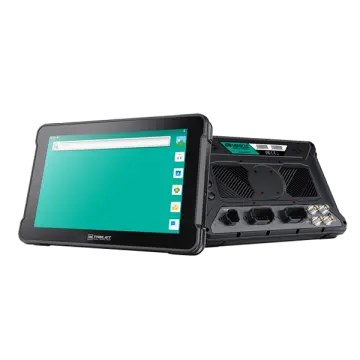 AT-10A
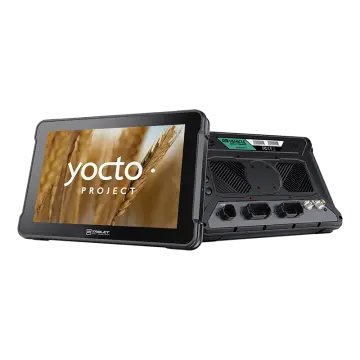 AT-10AL
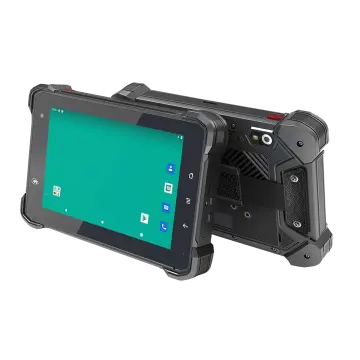 VT-7 GA/GE
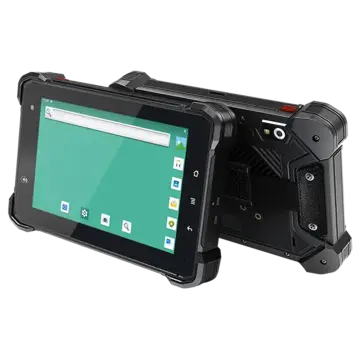 VT-7 Pro
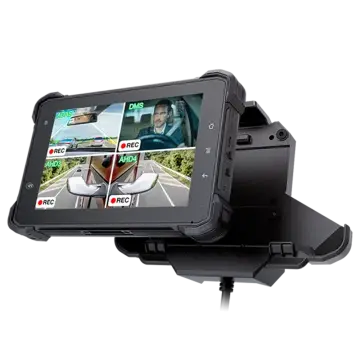 VT-7 PRO (AHD)
 VT-7A
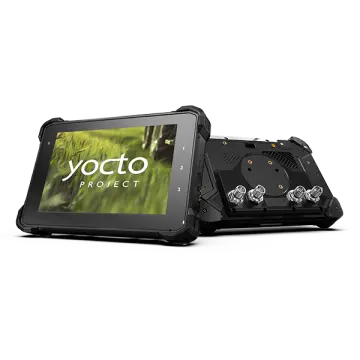 VT-7AL
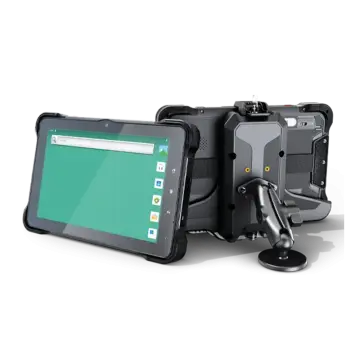 VT-10
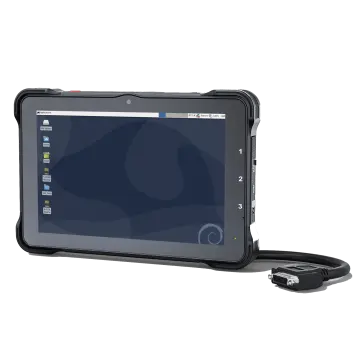 VT-10 IMX
 VT-10 Pro
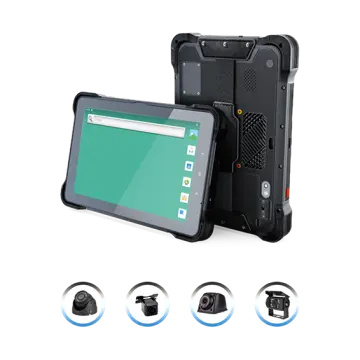 VT-10 Pro AHD
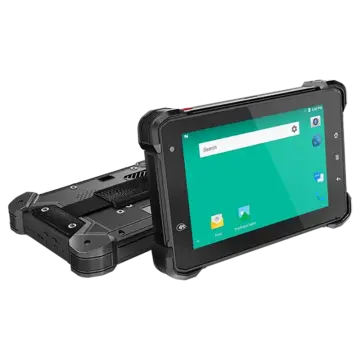 VT-7
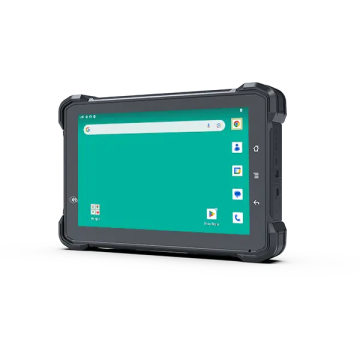 VT-7A PRO
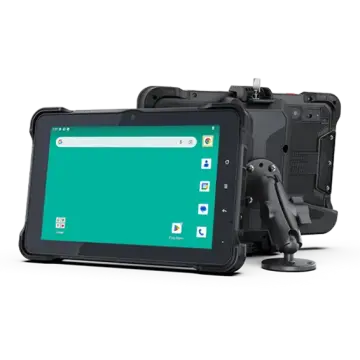 VT-10A Pro
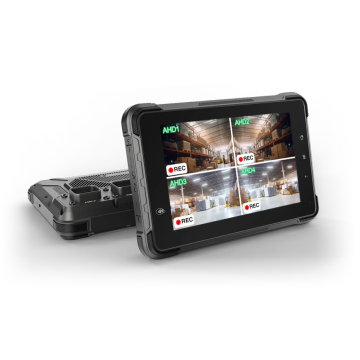 ST-7 Rugged Table
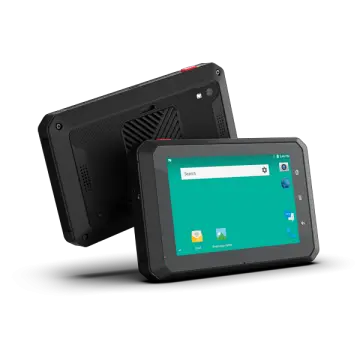 VT-5A
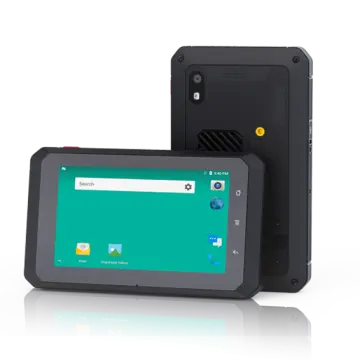 VT-5
 VT-BOX
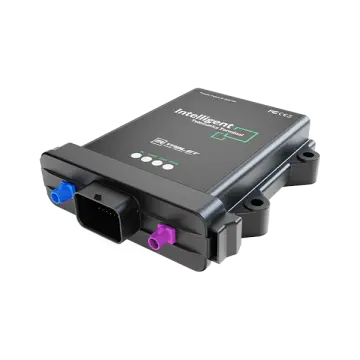 VT-BOX-II
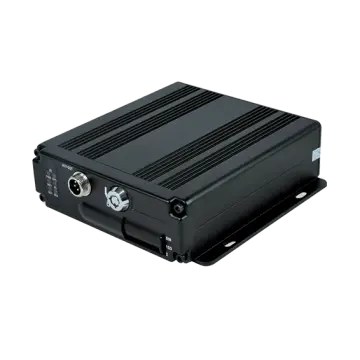 AI-MDVR040
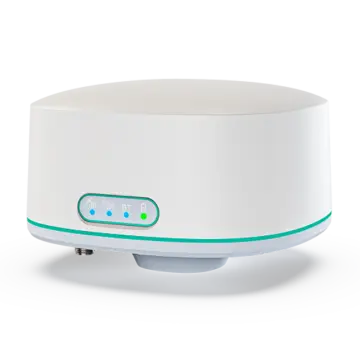 AT-B2
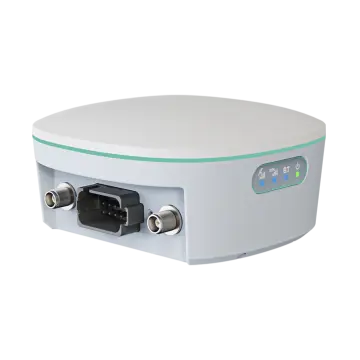 AT-R2