Top 10 Tips for Choosing the Best Android Rugged Tablet Pc?
Choosing the right Android Rugged Tablet Pc can be challenging. These devices are designed for tough environments, making durability essential. However, identifying the best model involves various factors, from performance to features.
In the field, users need reliability. An Android Rugged Tablet Pc must withstand drops, water, and dust. Features like battery life and display clarity are crucial. Users often overlook software compatibility, yet it plays a vital role in usability. Additionally, rugged tablets come at various price points, and balancing cost with quality raises questions.
Every user has unique needs. Some prioritize a lightweight design, while others require extensive storage. It’s essential to reflect on personal requirements. The right device should align with your specific tasks. This guide helps navigate that choice, ensuring you make an informed decision. Your ideal Android Rugged Tablet Pc is key to enhancing your productivity in demanding environments.
Understanding Rugged Tablets: Definition and Key Features
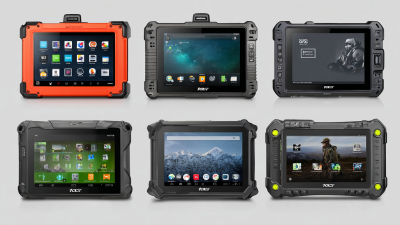
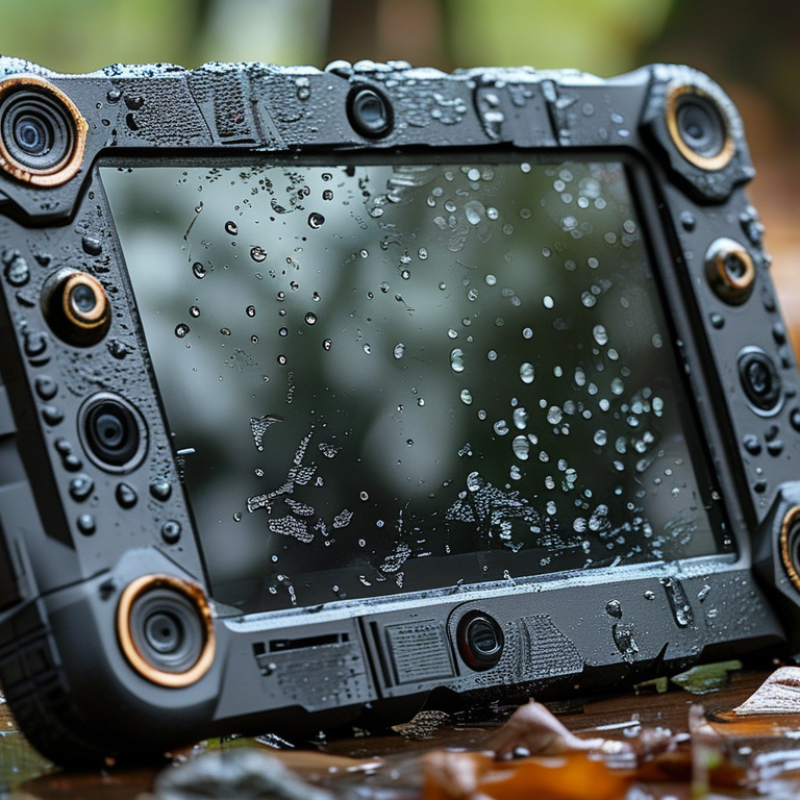
Rugged tablets are specialized devices designed for extreme conditions. They offer durability against water, dust, and shocks. According to industry reports, the rugged tablet market is expected to grow by over 10% annually. This growth reflects their increasing use in industries like construction, healthcare, and logistics. Understanding the defining features of rugged tablets is crucial for making an informed choice.
These devices typically boast reinforced casings, high IP ratings, and enhanced battery life. An IP rating of 67 means the tablet can withstand dust and immersion in water. Many rugged tablets also feature sunlight-readable screens, vital for outdoor work. Opting for a tablet that meets these specifications can ensure long-term reliability.
When selecting a rugged tablet, consider its processing power. A robust processor enhances performance in demanding applications. Battery longevity is also key. Some rugged tablets can operate for up to 12 hours on a single charge. Choosing a model with comprehensive support and warranty options is also wise. Such measures reflect the manufacturer’s confidence and can help users rely on their devices under tough conditions.
Identifying Your Use Case: How to Choose Based on Environment Needs
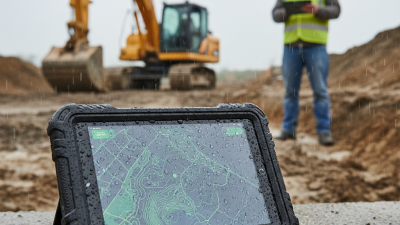
When choosing an Android rugged tablet, understanding your use case is crucial. Different environments demand various features. For example, if you work outdoors, you need a device that can withstand extreme temperatures and heavy rainfall. Look for tablets with high IP ratings, which ensure resistance to dust and water. A rugged design can offer additional protection against drops and shocks.
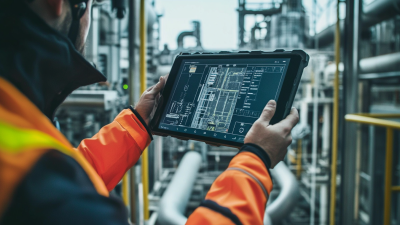
Consider how you will use the tablet. Will it be on construction sites or in industrial settings? Such environments may require higher durability and bright displays for visibility in direct sunlight. Battery life is another priority; long-lasting power is essential for prolonged outdoor use. Reflect on features like touchscreen responsiveness when wearing gloves, as this can impact efficiency.
In contrast, if your use case is more on the administrative side, you might prioritize connectivity options. A reliable Wi-Fi connection can be vital for data transfer in remote areas. However, don’t overlook physical attributes like weight and size. A heavier tablet may offer durability but can be cumbersome to carry around. Finding the right balance between toughness and portability is important.
Evaluating Performance: Key Specifications to Consider in Rugged Tablets
When selecting a rugged Android tablet, performance is a crucial consideration.
Look for tablets with a robust processor, ideally a multi-core option. A dual or quad-core CPU can handle multitasking more efficiently. Reports show that tablets with higher processing power, typically starting from 1.8 GHz, provide smoother user experiences.
Memory is another vital specification. Aim for at least 4GB of RAM for optimal performance. This ensures your tablet functions well under demanding applications, especially in fieldwork scenarios.
A study by industry analysts indicates that performance drops significantly when RAM is below this threshold, particularly for graphics-intensive applications.
Additionally, battery life should not be overlooked. Rugged tablets should ideally have at least 10 hours of battery life. This is essential for professionals working in remote locations. Just as important is the durability standard, like MIL-STD-810G, which ensures resilience against drops and environmental challenges.
Consider these tips: Review user feedback on performance and durability. Opt for devices with replaceable batteries to enhance longevity. Evaluate additional features like high-resolution screens and touchscreen responsiveness in wet conditions, which can be pivotal in certain jobs.
Assessing Durability: Key Standards and Certifications for Ruggedness
When choosing a rugged Android tablet PC, evaluating its durability is essential. Key standards, such as IP ratings and MIL-STD-810 certifications, provide insight into a tablet's resilience against shocks, water, and dust.
Look for an IP rating, which indicates a device's resistance to solids and liquids. An IP67 rating means dust-tight and can withstand immersion in water up to 1 meter deep. This is crucial for outdoor environments and industrial settings.
Seek tablets with MIL-STD-810G certification. This standard tests electronics under extreme conditions, including high temperature, vibrations, and drops from specific heights. A tablet meeting these criteria is likely to survive in harsh conditions.
Tip: Check user reviews on durability. Sometimes, official claims don't match real-world performance. Consider testing the tablet, if possible.
Always assess how it performs in your work environment. A tablet might excel in one area but falter under different conditions. Be critical of the specifications and ask questions. A rugged tablet should align with your specific needs.
Budgeting for Quality: Balancing Cost and Features in Your Selection
When selecting an Android rugged tablet, budgeting for quality is crucial. A recent industry report indicates that many users often fall into the trap of prioritizing price over essential features. However, spending just a little more can result in significant improvements in durability and performance. For instance, tablets priced above $300 typically offer better water and dust resistance ratings, such as IP68. Investing wisely in these features is essential for long-term use.
Consider the durability certifications. Look for tablets that meet MIL-STD-810G standards. They can withstand harsh conditions, which is vital for fieldwork. A survey reveals that rugged devices notably reduce repair costs by an average of 40%. This statistic illustrates the importance of initial investment versus ongoing costs.
While evaluating your options, balance between cost and essential features. It’s tempting to choose the cheapest model, but this could lead to unplanned expenses later. Features like enhanced battery life and brighter displays can significantly impact usability. In this crowded market, always prioritize what truly matters: reliability, performance, and longevity. What may seem more affordable now could become costly in the long term. Always ask yourself: Is this choice worth the future risks?

 AT-10A
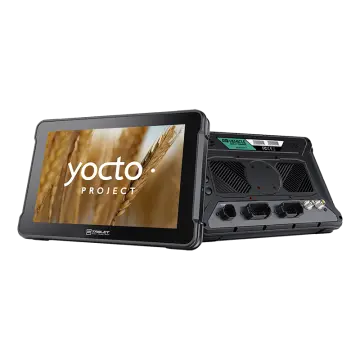 AT-10AL
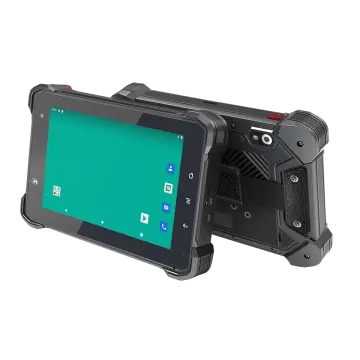 VT-7 GA/GE
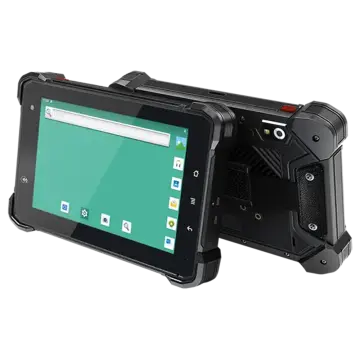 VT-7 Pro
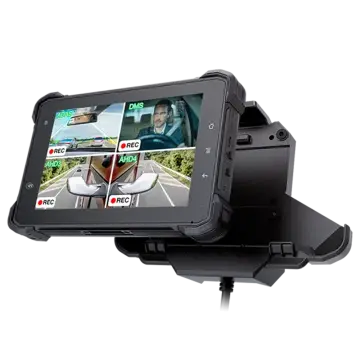 VT-7 PRO (AHD)
 VT-7A
VT-7A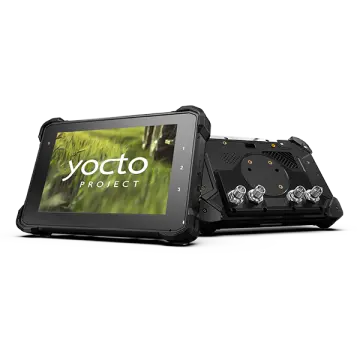 VT-7AL
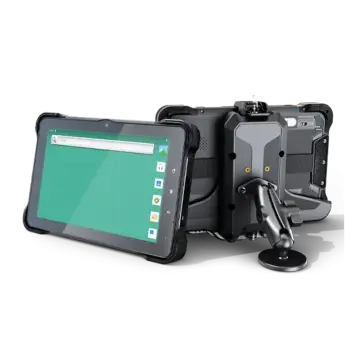 VT-10
VT-10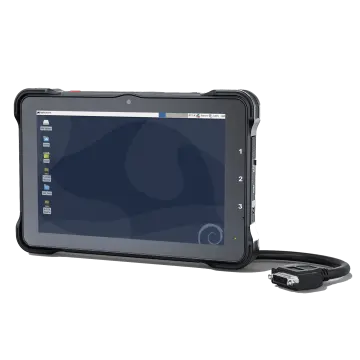 VT-10 IMX
 VT-10 Pro
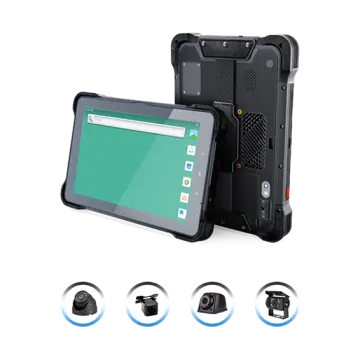 VT-10 Pro AHD
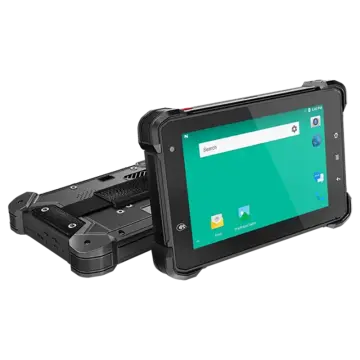 VT-7
VT-7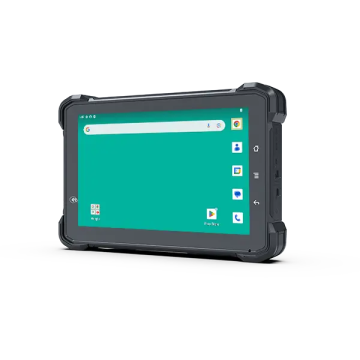 VT-7A PRO
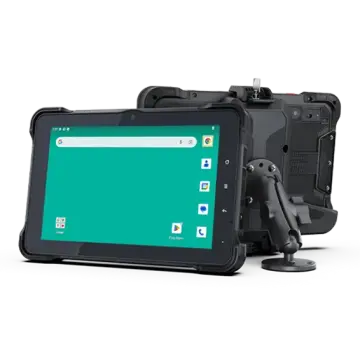 VT-10A Pro
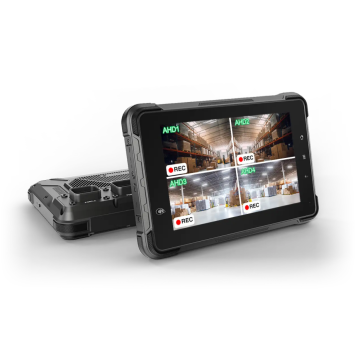 ST-7 Rugged Table
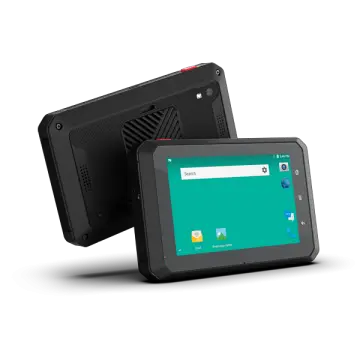 VT-5A
VT-5A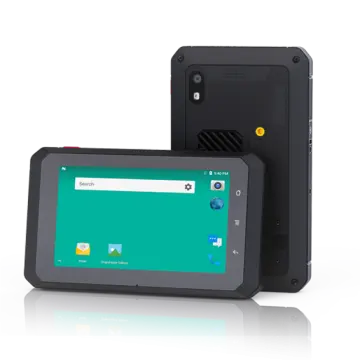 VT-5
VT-5 VT-BOX
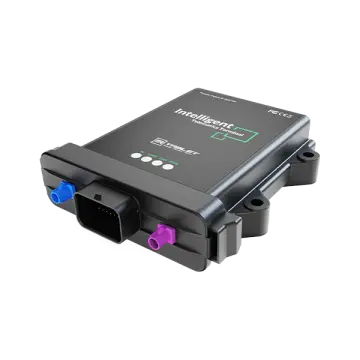 VT-BOX-II
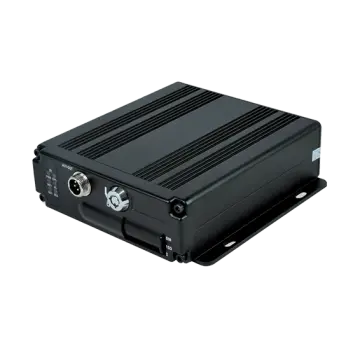 AI-MDVR040
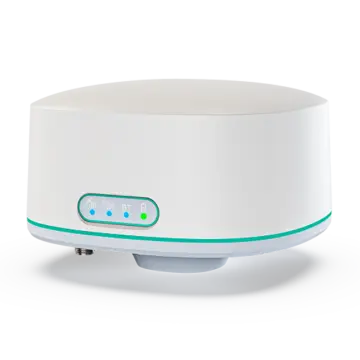 AT-B2
AT-B2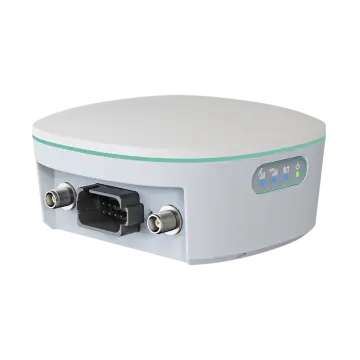 AT-R2
AT-R2