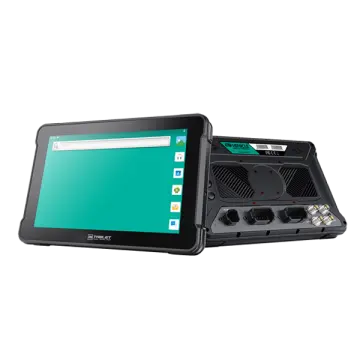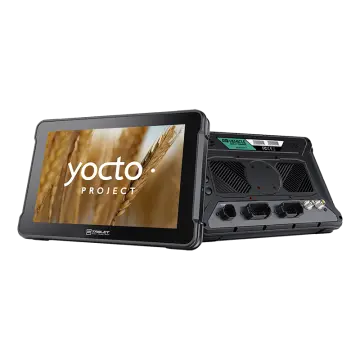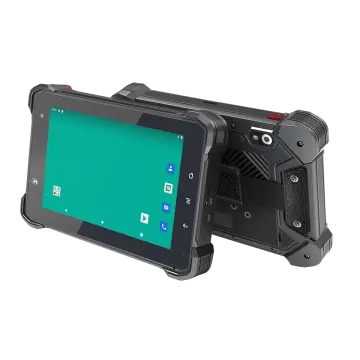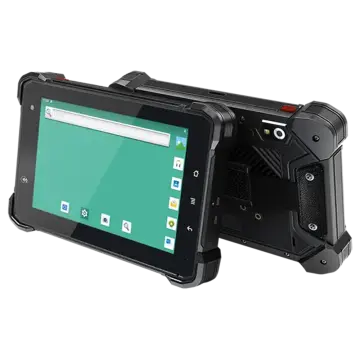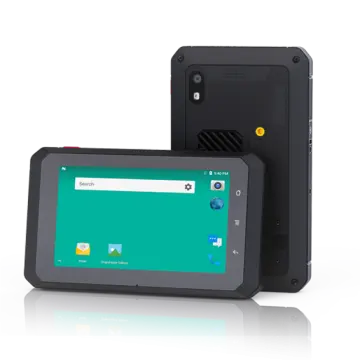
Modern urban development demands smart, sustainable, and highly efficient public transit networks. As cities grow, public bus transportation networks face unprecedented pressure to optimize route efficiency, ensure passenger safety, reduce operational costs, and transition to eco-friendly fleets. At the heart of this digital transit revolution is the Industrial Android Rugged Tablet.
Unlike consumer-grade tablets, an industrial-grade in-vehicle tablet functions as the centralized hub or the "brain" of the bus. It bridges the gap between drivers, transit control centers, vehicle mechanics, and the passengers themselves. By integrating advanced GPS navigation, real-time communication modules, CAN-bus vehicle diagnostics, and multi-channel camera inputs, these tablets allow fleet operators to transition from reactive management to proactive, data-driven optimization.
For years, legacy transit systems relied on proprietary, single-purpose hardware or Windows-based mobile data terminals (MDTs). Today, the shift toward Android-based rugged tablets is overwhelming. This transition is driven by several critical advantages:
Public buses are no longer isolated vehicles; they are moving IoT nodes in a smart city grid. Industrial Android tablets enable Vehicle-to-Everything (V2X) communications, allowing buses to interact with traffic signals to request transit priority, communicate with bus shelters to update real-time passenger information (RTPI) displays, and upload telemetry data to municipal cloud databases.
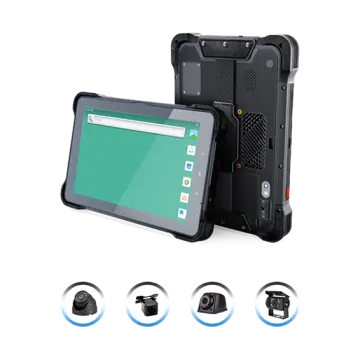
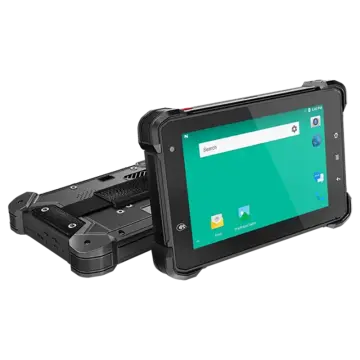
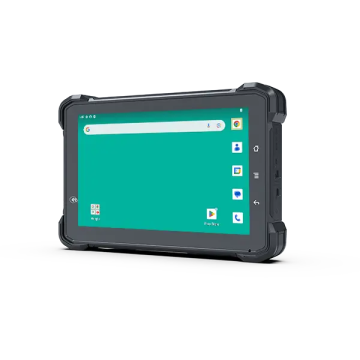
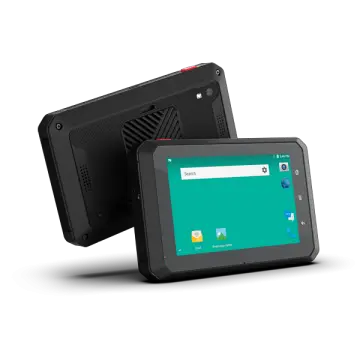
An industrial Android rugged tablet is much more than a screen. It is an all-in-one terminal that integrates multiple operational workflows into a single ruggedized interface.
Equipped with high-precision GPS/GNSS receivers (and RTK capabilities for sub-meter accuracy), rugged tablets provide drivers with real-time, turn-by-turn navigation tailored for large passenger vehicles. Central dispatchers can monitor the exact location of every bus, instantly communicate schedule adjustments, re-route buses dynamically to avoid heavy traffic or accidents, and manage driver shift schedules seamlessly.
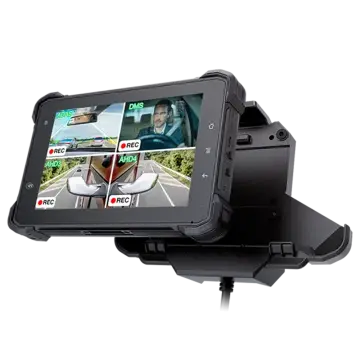
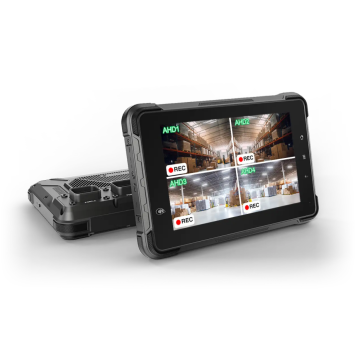
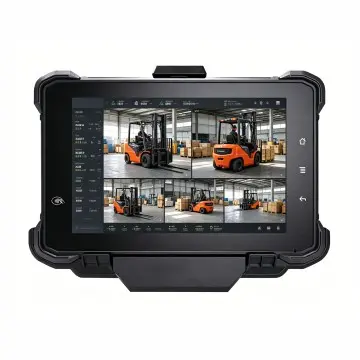
Integrating multi-channel AHD (Analog High Definition) cameras directly into the tablet allows for real-time video surveillance and AI-driven safety features. Advanced Driver Assistance Systems (ADAS) and Driver Status Monitoring (DSM) algorithms run in tandem with the tablet to detect driver fatigue, distraction (such as phone use or smoking), lane deviations, and forward collision risks, issuing immediate audio-visual alerts to protect passengers.
By utilizing built-in NFC/RFID readers, Bluetooth connectivity, or external QR code scanners, the rugged tablet can serve as an Electronic Ticket Machine (ETM). Drivers can validate passenger smart cards, process mobile wallet payments, and track passenger boarding data, significantly reducing boarding times and streamlining the revenue collection process.
Through integrated interfaces like CAN-bus (supporting J1939, OBD-II protocols), the tablet continuously communicates with the bus's Electronic Control Unit (ECU). It monitors critical telemetry data such as engine temperature, fuel/battery consumption, brake wear, and tire pressure. If an anomaly is detected, the tablet alerts the driver and uploads the diagnostic trouble codes (DTC) to the maintenance depot, preventing costly on-route breakdowns.
The tablet can act as the master controller for the bus's internal and external LED/LCD destination displays and automated voice announcement systems. Based on real-time GPS location, the tablet triggers automated stop announcements and displays upcoming transfer points, tourist highlights, or safety reminders, greatly improving the passenger experience, especially for disabled travelers.
By tracking acceleration, harsh braking, cornering, and idling patterns, the in-vehicle tablet scores driver performance in real-time. This feedback encourages eco-driving habits, reducing fuel consumption or battery drain in electric buses, lowering emissions, and ensuring a smoother, safer ride for passengers.
Unlike office-grade tablets, in-vehicle tablets operating on public buses must withstand extreme and hostile environments. Public buses operate up to 20 hours a day, through freezing winters and scorching summers, encountering constant vibrations, electrical surges, and heavy physical wear. To guarantee uninterrupted operation, several critical specifications are required:
Devices must carry IP67 or IP69K ratings, ensuring they are completely dust-tight and waterproof. They must also meet MIL-STD-810H standards for shock, drop, and vibration resistance to withstand the constant rumbling of heavy urban transit vehicles.
Buses parked overnight in cold climates or left in hot sunlit depots require tablets that operate reliably in temperatures ranging from -20°C to 70°C (-4°F to 158°F).
Vehicle electrical systems are notoriously unstable, experiencing severe voltage spikes during engine ignition. Rugged vehicle tablets must support wide voltage inputs (typically 8V to 36V DC) and feature ISO 7637-2 compliant power protection. Additionally, an intelligent ignition detection system (ACC) ensures the tablet boots up and shuts down automatically with the vehicle's engine.
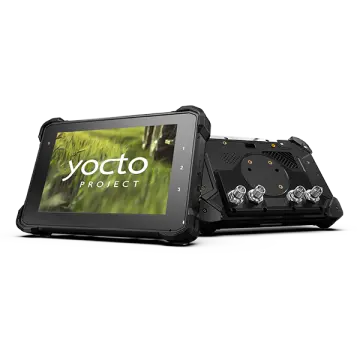
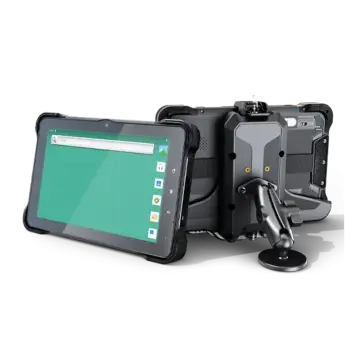
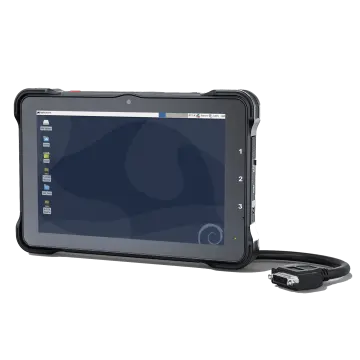
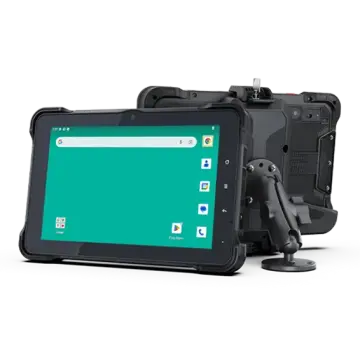
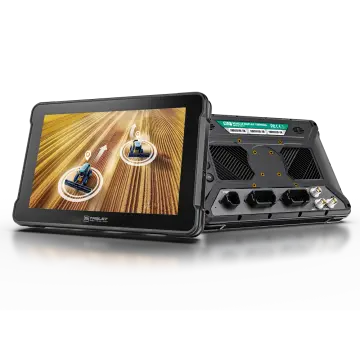
A specialized locking docking station is vital. It must hold the tablet securely in place during collisions while providing easy quick-release mechanisms for drivers when shifts change. The dock also acts as an extension hub, offering heavy-duty connectors (M12 or specialized pigtail cables) for power, USB, RS232/485, CAN-bus, and video inputs.
Bus drivers face varying light conditions throughout the day. A high-brightness screen (typically 800 to 1000 nits) with anti-glare coatings and optical bonding is crucial to ensure clear visibility under direct sunlight without causing eye strain.
To maintain constant contact with the control room, tablets must feature high-speed 4G/5G LTE cellular connectivity with dual SIM slots for carrier redundancy, dual-band Wi-Fi for high-speed data offloading at depots, and stable Bluetooth for peripheral integrations.
Technology-based, market-oriented, innovative enterprise that develops and manufactures rugged Internet of Vehicles (IOV) terminals and IOT system solutions. With more than 18 years of professional experience, 3Rtablet has cooperated with many top brand telematics solution providers around the world, and the products are widely recognized for their stable performance and professional technical support.
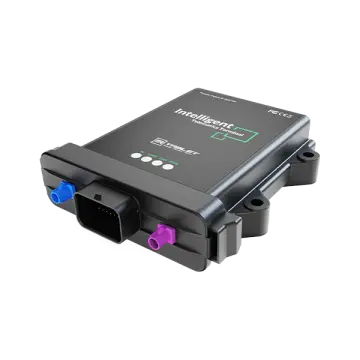
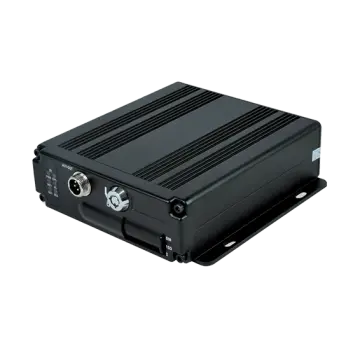
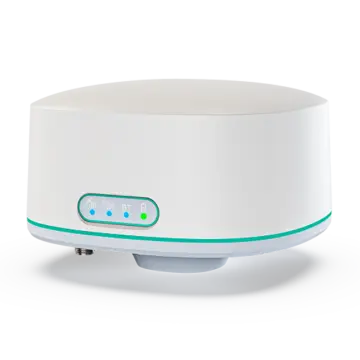
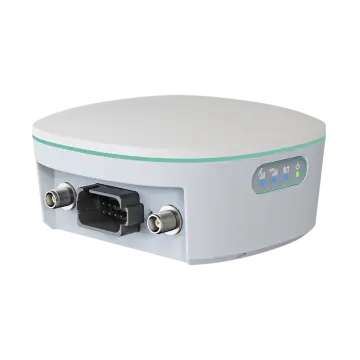
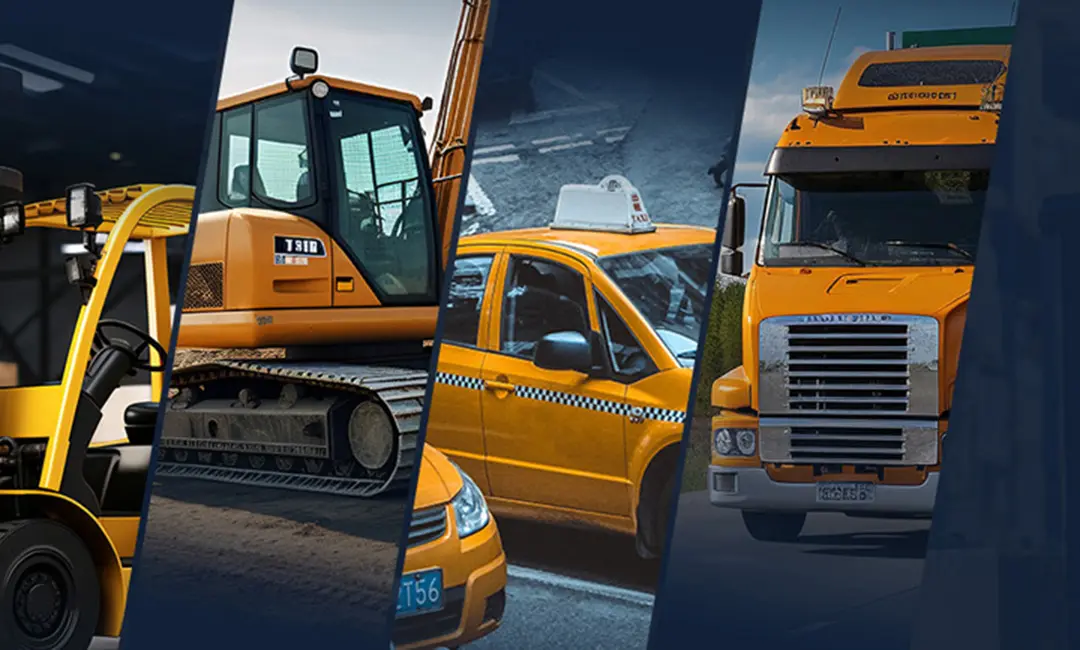
The main products include IP67 rugged tablets, MDM Rugged Device, Intelligent Vehicle Telematics Terminal, and RTK Base Station and Receiver, On-board Computers, Mobile Data Terminal, Agriculture display, Vehicle-mounted Tablets, AHD Camera Integrated Tablets, IP67/IP69K Android telematics boxes, MDVR and AI Dashcam. AI algorithmic vehicle video surveillance and recording technology and comprehensive IoT solutions for a wide range of fleet management application, including ELD/HOS in trucks, construction equipment, mining, forklift safety, taxi dispatch, agriculture precision, intelligent transportation systems, etc. Offering OEM/ODM services, we customize products to meet specific needs.
3Rtablet R&D team with more than 18 years field experience to do technical support, and has been ready to support you in building professional solutions in specific markets.

3Rtablet has served customers among more than 70 countries in North America, Europe, Latin America, Oceania, Africa, and the Asia Pacific region.

Fleet Management, Precision Agriculture, Mining, Taxi Dispatch, Forklift Safety, Construction, Public Transportation, Heavy Machinery & Trucks, Crane, Waste management, Vehicle tracking's and Emergency Response Solutions etc.

3Rtablet's Hardware devices are mainly powered by NXP, Qualcomm, TI solutions. Functional requirements, Hardware test-bed evaluation, Schematic diagram design, Brand requirements - for more requirements, please refer to OEM/ODM service.
Explore our complete selection of high-performance Android vehicle tablets, engineered to optimize public transportation, agricultural operations, and heavy fleet management.