3Rtablet is a globally leading rugged tablet manufacturer
Technology-based, market-oriented, innovative enterprise developing rugged Internet of Vehicles (IOV) terminals and IoT system solutions. With over 18 years of professional experience, 3Rtablet has partnered with top global telematics solution providers. Their products are acclaimed for stable performance and comprehensive technical support.
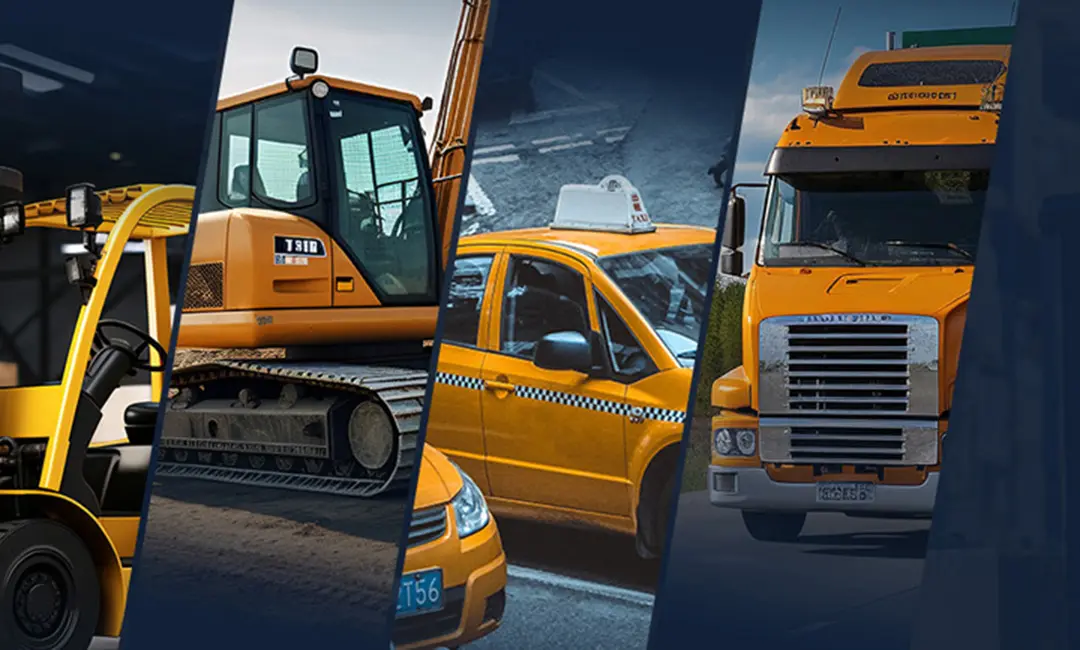
The main product portfolio includes IP67 rugged tablets, MDM rugged devices, intelligent vehicle telematics terminals, RTK base stations and receivers, on-board computers, mobile data terminals, agricultural displays, vehicle-mounted tablets, and integrated AHD camera tablets. These products offer robust Android telematics boxes compliant with IP67/IP69K protections, MDVR, and AI dashcam solutions with advanced algorithmic video surveillance for fleet management applications. Industries served range from trucking, construction machinery, mining, forklift safety, taxi dispatch, precision agriculture, to intelligent transportation systems. Customized OEM/ODM services allow tailoring to specific industrial needs.
Our Advantage
3Rtablet's R&D team brings more than 18 years of industry experience to provide technical support and tailor professional solutions for specialized markets.
Regions We Serve
Serving customers in more than 70 countries across North America, Europe, Latin America, Oceania, Africa, and the Asia Pacific region.
Industries We Related
Expertise across fleet management, precision agriculture, mining, taxi dispatch, forklift safety, construction, public transportation, heavy machinery & trucks, crane operations, waste management, vehicle tracking, and emergency response solutions.
Service We Provide
Powered by cutting-edge NXP, Qualcomm, and TI solutions. Services include hardware test-bed evaluation, schematic design, functional customization, and comprehensive OEM/ODM product customization.
Our Business Values
At 3Rtablet, innovation drives us alongside a commitment to complete solutions, user-friendly product design, exceptional quality, and professional customer service. We strive continually to enhance product reliability and customer satisfaction. Our rugged and dependable Internet of Vehicle (IOV) devices embody our core philosophy.
We embrace three fundamental values: Sincerity in our dealings, sharing knowledge and success with partners, and a relentless pursuit of business excellence. These pillars enable us to build lasting industry relationships and foster collaborative growth.
Industrial Android Tablets for Construction Site Machinery: Trends, Applications, and Industry Insights
The construction industry is increasingly adopting rugged industrial Android tablets as essential tools to improve productivity, safety, and operational efficiency at site machinery operations. These devices operate reliably in harsh environments — characterized by dust, vibrations, moisture, and extreme temperatures — ensuring uninterrupted connectivity and data access on the go.
With rugged IP67 and IP69K rated casings and reinforced displays, these tablets withstand drops and outdoor conditions commonly faced on construction sites. Using Android OS allows compatibility with a wide ecosystem of apps, enabling real-time machinery diagnostics, equipment tracking, and seamless communication between field operators and central dispatch.
Notably, the tablets serve as centralized control hubs integrating with telematics systems, GPS, and sensor networks embedded in heavy machinery — from cranes to bulldozers and excavators. This integration facilitates predictive maintenance, reducing costly downtime by alerting operators before component failure. Furthermore, live video streaming and AHD camera support enhance site monitoring and safety compliance.
The growth of IoT in construction equipment management underscores the importance of industrial Android tablets designed specifically for these sectors. Apart from hardware ruggedness, security features such as biometric authentication and encrypted data communication safeguard sensitive operational and fleet data critical to contractors and machinery manufacturers.
As Industry 4.0 advances in construction, the role of such tablets expands — enabling augmented reality (AR) overlays for operator training, digital blueprint access, and precise control of automated machinery. Integration with cloud-based construction management platforms ensures stakeholders at all project levels have accurate, real-time information to make informed decisions.
In the near future, artificial intelligence (AI) will enhance these tablets’ analytical capabilities to optimize equipment utilization, energy consumption, and site logistics. By leveraging advanced sensors and edge computing, industrial Android tablets become indispensable in making construction sites smarter, safer, and more cost-efficient.
Given these exciting trends, manufacturers like 3Rtablet dedicate resources to continuous innovation in rugged tablet design — delivering tailored Android tablets with features and certifications matched to the rigorous demands of modern construction machinery usage.
Expanded Application Scenarios
Beyond construction sites, industrial Android tablets have become a versatile platform supporting multiple industry verticals by providing real-time operational intelligence and enhanced control. Some notable application areas include:
Fleet and Heavy Machinery Management: Streamlined dispatch, route optimization, equipment status monitoring, and driver safety compliance through integrated telematics.
Mining Operations: Rugged tablets enable underground and surface monitoring of excavators, transport vehicles, and drilling equipment — even in extreme conditions.
Precision Agriculture: Real-time data acquisition from sensors and controls for irrigation systems, planting devices, and harvesters, enhancing yield while lowering resource waste.
Public Transportation & Waste Management: Tablets facilitate efficient route tracking, vehicle diagnostics, operator communications, and passenger safety monitoring.
Emergency Response Solutions: Critical for coordination in disaster or accident sites, providing robust data access and communications for vehicles and handheld units.
Each scenario benefits from the rugged hardware combined with versatile Android software, enabling customizable solutions that evolve with end-user requirements. The tablets’ extensive wireless connectivity options (4G/5G, Wi-Fi, Bluetooth, GNSS) further empower mobile use cases demanding up-to-the-minute information.

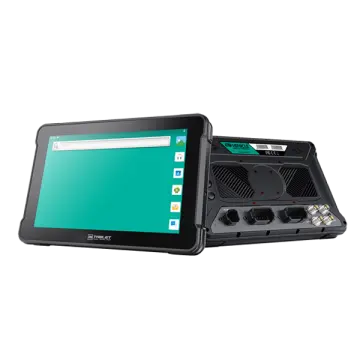 AT-10A
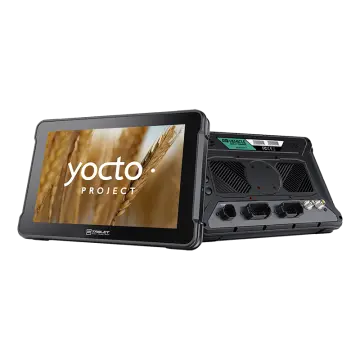 AT-10AL
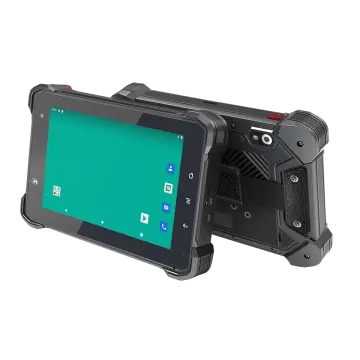 VT-7 GA/GE
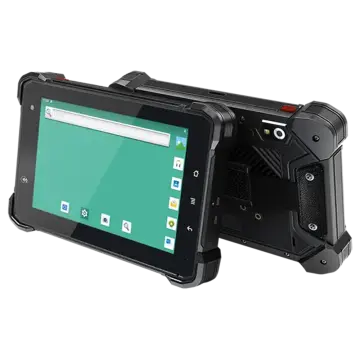 VT-7 Pro
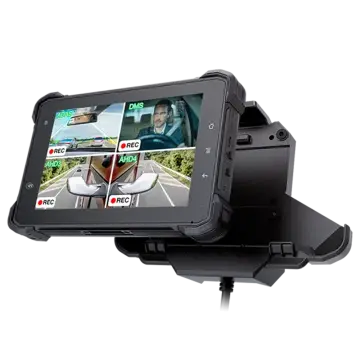 VT-7 PRO (AHD)
 VT-7A
VT-7A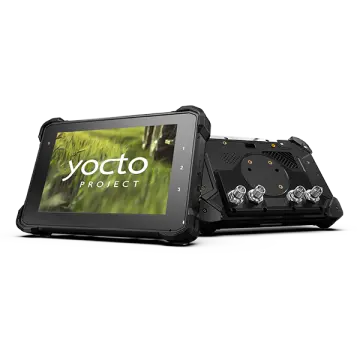 VT-7AL
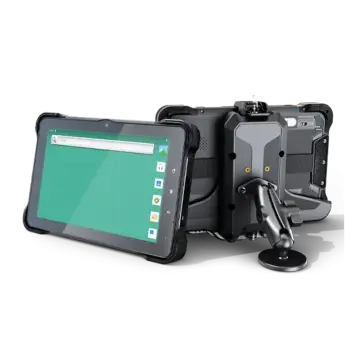 VT-10
VT-10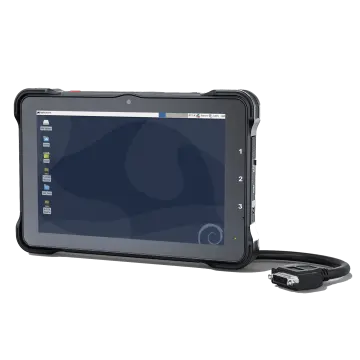 VT-10 IMX
 VT-10 Pro
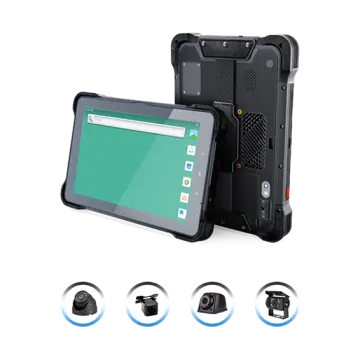 VT-10 Pro AHD
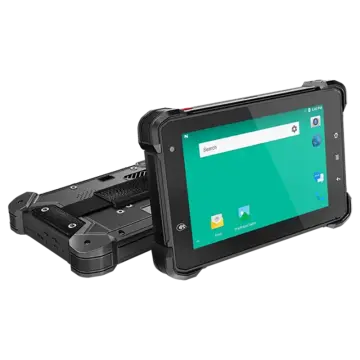 VT-7
VT-7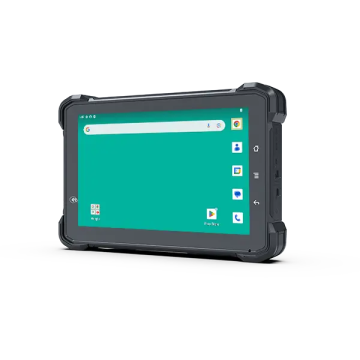 VT-7A PRO
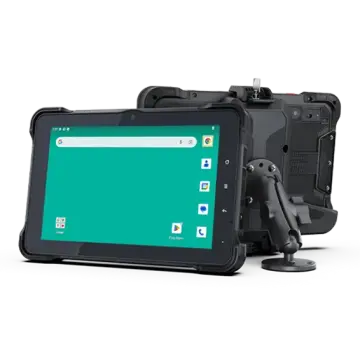 VT-10A Pro
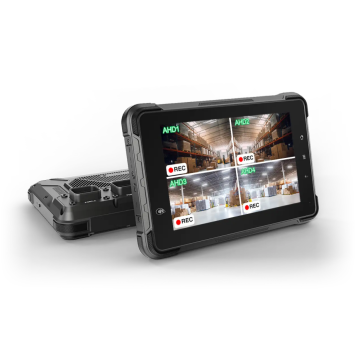 ST-7 Rugged Table
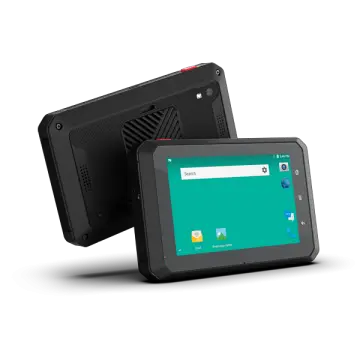 VT-5A
VT-5A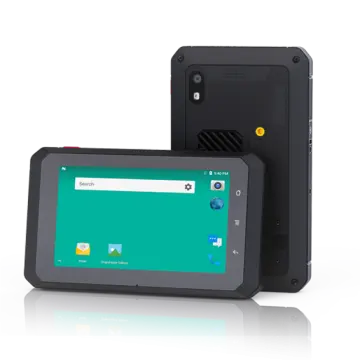 VT-5
VT-5 VT-BOX
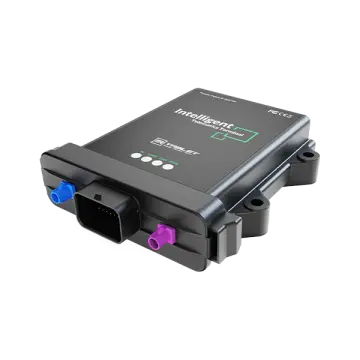 VT-BOX-II
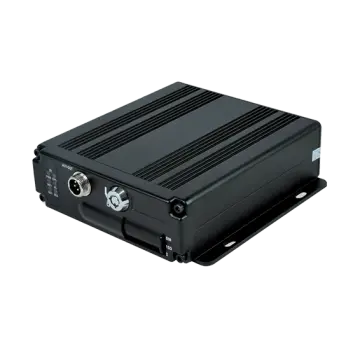 AI-MDVR040
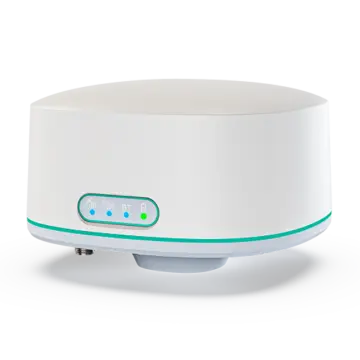 AT-B2
AT-B2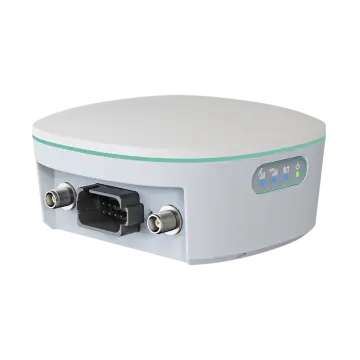 AT-R2
AT-R2