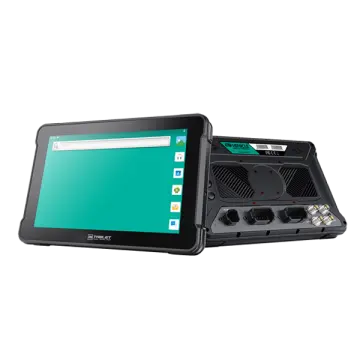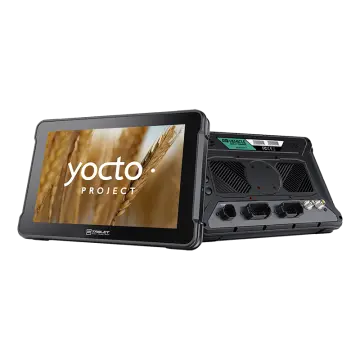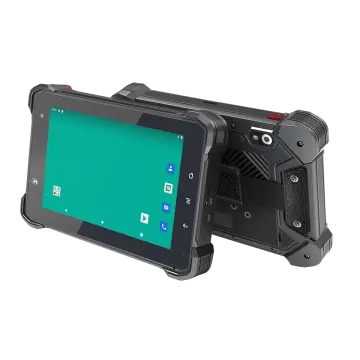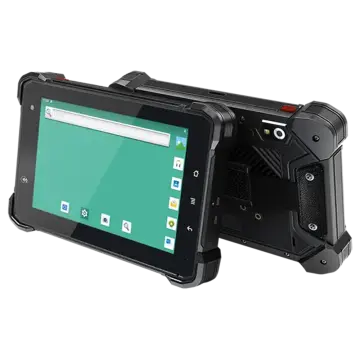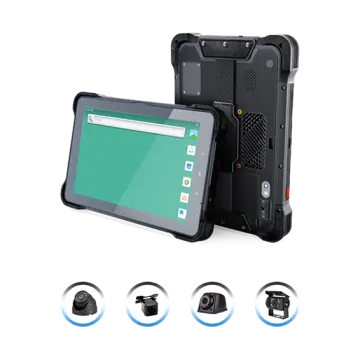
Purpose-built rugged Android tablets delivering real-time data acquisition, multi-channel camera integration, and edge-AI processing for autonomous vehicle validation environments.
The global autonomous vehicle (AV) industry is undergoing one of the most transformative technological revolutions in modern history. As OEMs, Tier-1 suppliers, and technology startups race to validate self-driving systems across increasingly complex real-world scenarios, the demand for reliable, ruggedized mobile computing platforms has surged dramatically. At the center of this shift is the Industrial Tablet Android — a purpose-engineered device that bridges the gap between raw sensor data and actionable intelligence inside the vehicle cabin and test rig.
Unlike consumer-grade tablets, industrial Android tablets deployed in autonomous driving test environments are built to withstand extreme temperatures, vibration, dust, and moisture — all while maintaining uninterrupted connectivity and processing power. These devices serve as the critical interface for test engineers, safety drivers, and remote monitoring teams who need real-time visibility into the vehicle's sensor fusion outputs, ADAS decision logs, and system health metrics.
In today's autonomous driving test programs — whether conducted by robotaxi companies, automotive OEMs, or university research labs — the industrial Android tablet has evolved from a supplementary tool into a mission-critical component. Commercial deployments now span multiple continents, with test fleets in North America, Europe, and Asia-Pacific relying on ruggedized Android platforms to execute the following core functions:
Leading AV testing programs now standardize on Android-based industrial tablets because the open-source ecosystem allows deep customization of the OS, application layer, and hardware interfaces — something impossible with proprietary embedded systems or consumer tablets locked behind vendor restrictions.
Next-generation industrial tablets are being equipped with 5G NR and V2X (Vehicle-to-Everything) modems, enabling sub-10ms latency communication between the test vehicle, road infrastructure, and cloud command centers — a prerequisite for Level 4 and Level 5 AV validation.
Powered by Qualcomm Snapdragon and NXP platforms, modern industrial Android tablets now integrate dedicated NPU (Neural Processing Unit) cores capable of running computer vision and sensor fusion models locally, reducing dependency on cloud infrastructure during field tests.
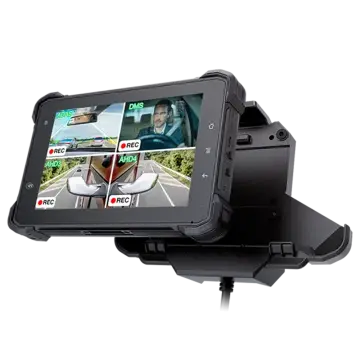
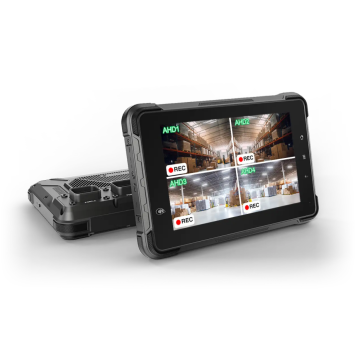
Support for 4-channel and 8-channel AHD camera inputs has become a standard requirement in AV test tablets, enabling 360-degree surround-view recording, blind-spot monitoring, and simultaneous multi-angle evidence capture for incident reconstruction.
As AV testing expands into extreme environments — from Arctic cold-weather proving grounds to desert heat-soak facilities — industrial tablets must maintain full functionality across -30°C to +70°C operating ranges with IP67 or IP69K ingress protection ratings.
Industrial Android tablets for AV test vehicles support wide-range DC input (typically 9V–36V), with built-in ignition control and power management circuits that prevent data loss during engine start/stop cycles — critical for preserving continuous test session integrity.
With AV test data representing highly sensitive intellectual property, industrial tablets are now deployed with hardware-level security modules, encrypted storage, and secure OTA (Over-The-Air) update frameworks to protect proprietary algorithms and test results.
From closed-track validation to open-road shadow mode testing, industrial Android tablets serve as the operational backbone across the full autonomous driving development lifecycle.
The dominance of Android in industrial AV testing platforms is no accident. The Android Open Source Project (AOSP) provides test engineering teams with unprecedented flexibility to build custom data acquisition applications, integrate proprietary sensor SDKs, and deploy specialized HMI (Human-Machine Interface) layouts without the licensing constraints of closed embedded operating systems.
Furthermore, the maturity of the Android developer ecosystem means that commercially available tools for CAN bus analysis, GPS data logging, video streaming, and cloud telemetry can be rapidly adapted into production-ready test applications. Combined with the hardware versatility of industrial-grade Android tablets — featuring multiple USB, RS-232, GPIO, and HDMI interfaces — these devices become the central nervous system of any AV test vehicle setup.
From a total cost of ownership perspective, Android-based industrial tablets also offer significant advantages over purpose-built embedded test computers. The ability to remotely update software, push new test application versions via OTA, and reuse hardware across multiple test programs dramatically reduces per-test infrastructure costs for AV development programs operating on tight timelines and budgets.
When evaluating industrial Android tablets for AV testing deployments, engineering procurement teams should assess the following critical specifications:
Technology-based, market-oriented, innovative enterprise that develops and manufactures rugged Internet of Vehicles (IOV) terminals and IOT system solutions. With more than 18 years of professional experience, 3Rtablet has cooperated with many top brand telematics solution providers around the world, and the products are widely recognized for their stable performance and professional technical support.
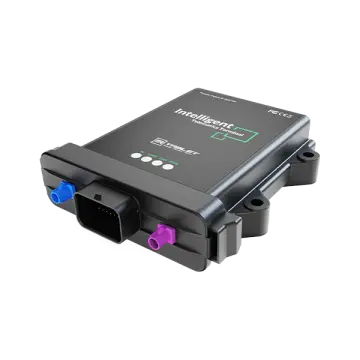
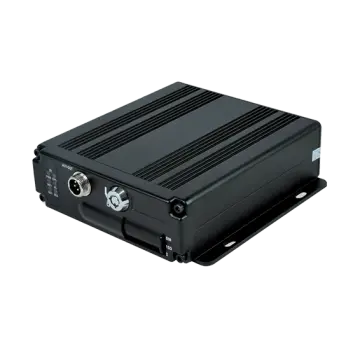
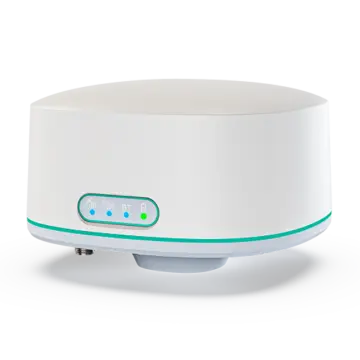
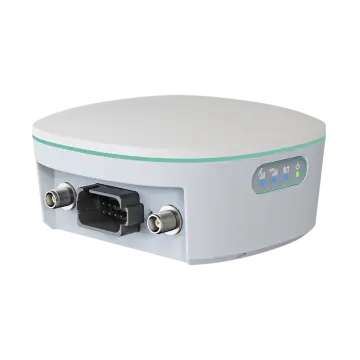
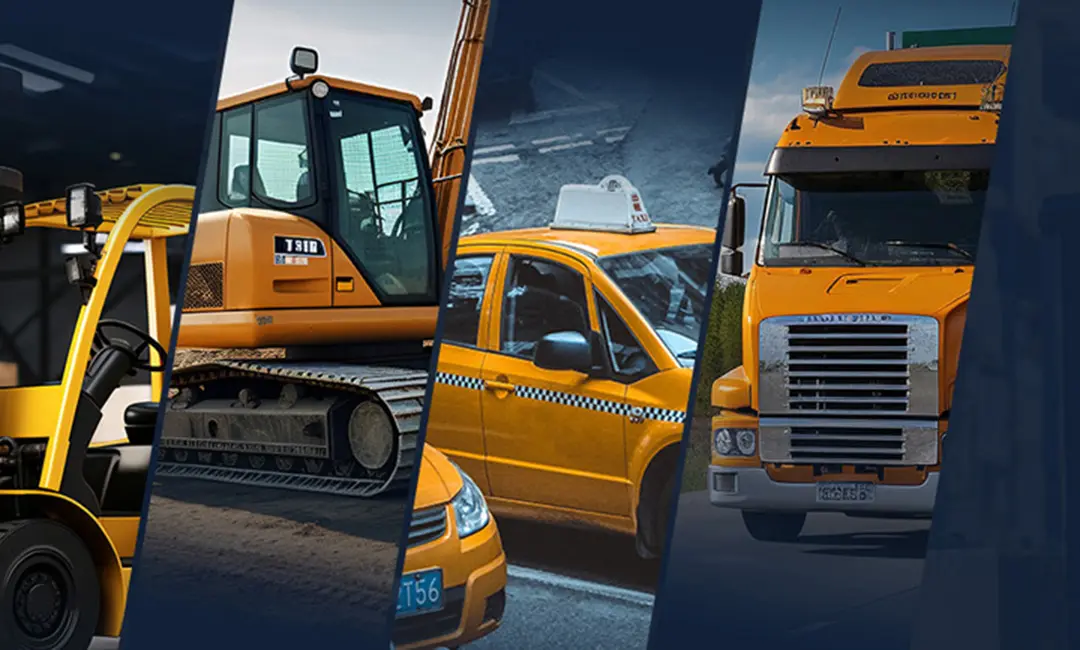
The main products include IP67 rugged tablets, MDM Rugged Device, Intelligent Vehicle Telematics Terminal, and RTK Base Station and Receiver, On-board Computers, Mobile Data Terminal, Agriculture display, Vehicle-mounted Tablets, AHD Camera Integrated Tablets, IP67/IP69K Android telematics boxes, MDVR and AI Dashcam. AI algorithmic vehicle video surveillance and recording technology and comprehensive IoT solutions for a wide range of fleet management application, including ELD/HOS in trucks, construction equipment, mining, forklift safety, taxi dispatch, agriculture precision, intelligent transportation systems, etc. Offering OEM/ODM services, we customize products to meet specific needs.
3Rtablet's R&D team with more than 18 years of field experience provides technical support and has been ready to support you in building professional solutions in specific markets.


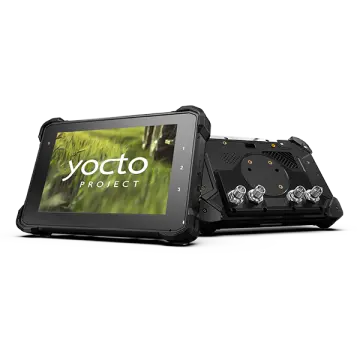
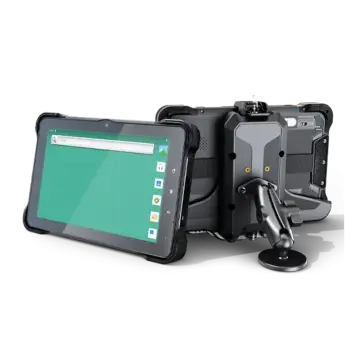
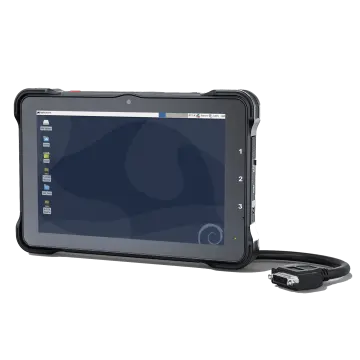
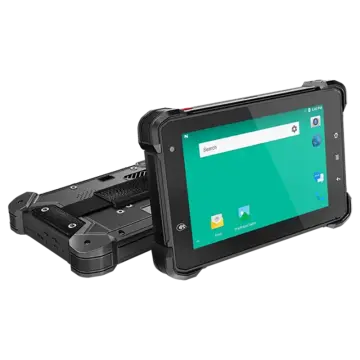
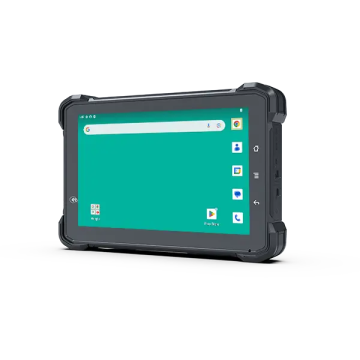
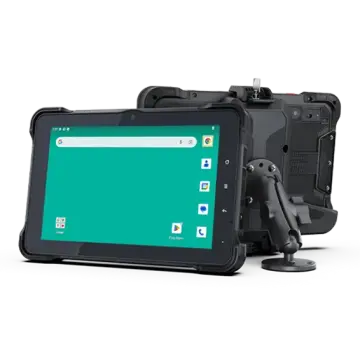
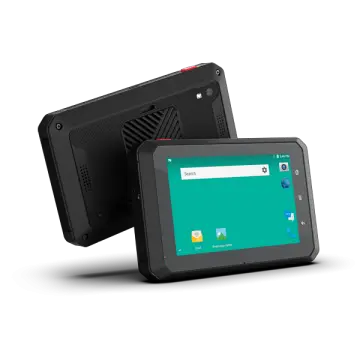
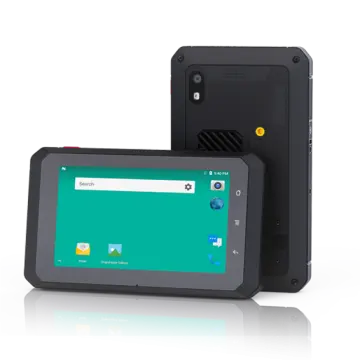
Explore our comprehensive lineup of rugged Android vehicle tablets — engineered for autonomous driving test, fleet management, and industrial IoT deployments worldwide.