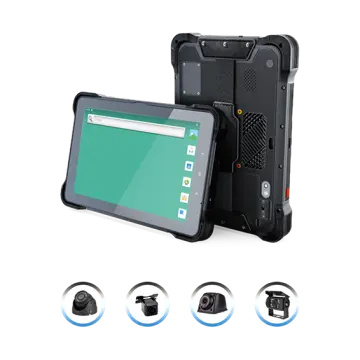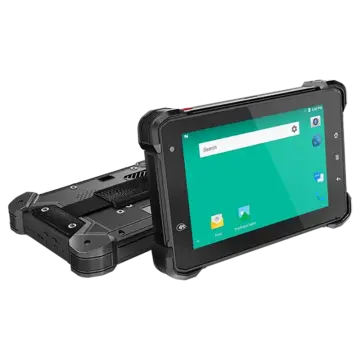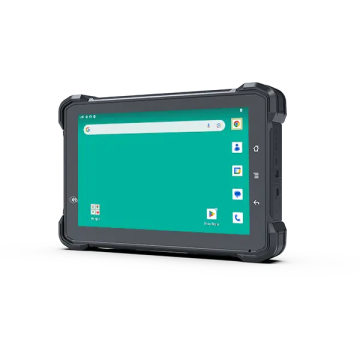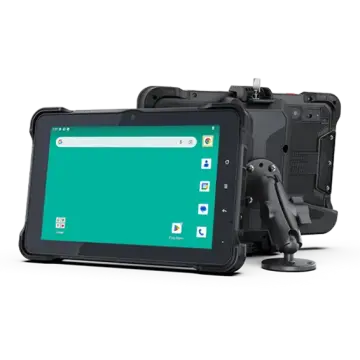
Municipal solid waste management and industrial refuse hauling have entered a critical paradigm shift. Global sustainability targets, carbon reduction directives, and expanding municipal footprints necessitate a rapid departure from manual scheduling and fragmented analog vehicle logging. Modern refuse operations are characterized by unforgiving operating environments: high mechanical shock, persistent vibration, airborne particulate matter, severe hydraulic cycle surges, and exposure to corrosive washdowns. Amid these challenges, commercial-grade tablets routinely fail, resulting in severe downtime, route lapses, and elevated total cost of ownership (TCO).
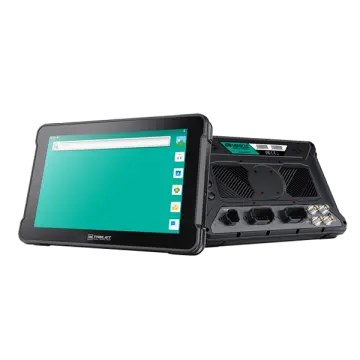
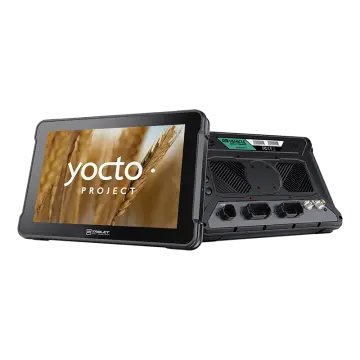
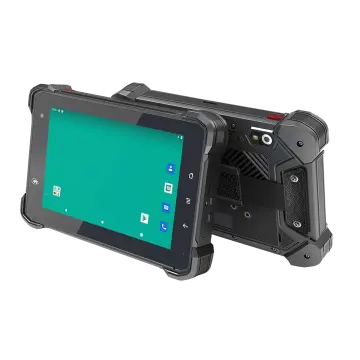
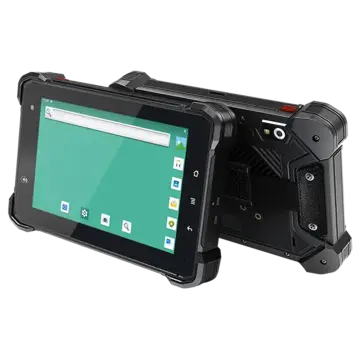
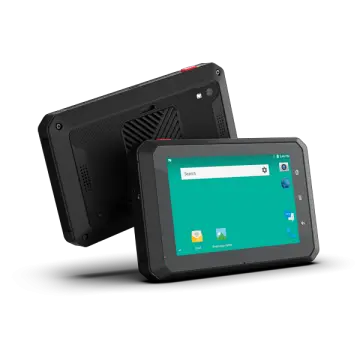
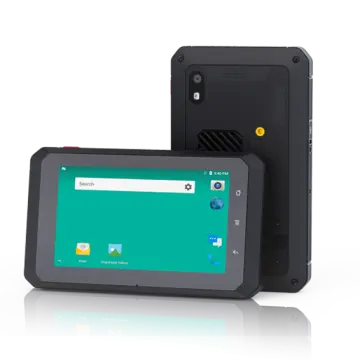
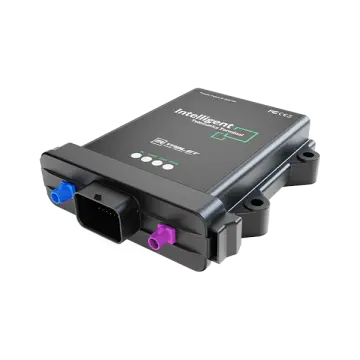
The integration of an industrial tablet Android for waste management serves as the technological linchpin for contemporary smart city logistics. By converging ultra-reliable hardware design with the open agility of Android Enterprise, waste management contractors and municipal authorities achieve unprecedented operational visibility. These devices operate not merely as navigation displays, but as mission-critical edge gateways directly interfacing with vehicle CAN-bus architectures (J1939, OBD-II), automated bin-lifting actuators, onboard payload load cells, and multi-channel vision systems.
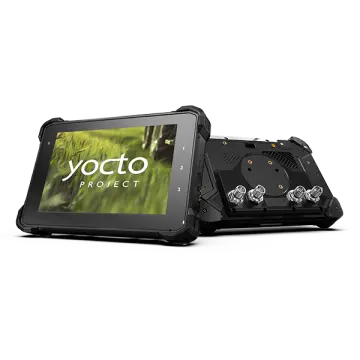
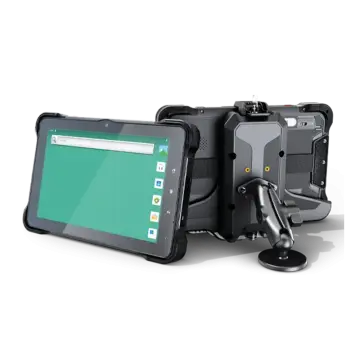
Engineered to meet IP67 and MIL-STD-810H standards, withstand extreme cabin temperature spikes (-20°C to 70°C), mechanical impacts from collection arms, and dirty municipal environments.
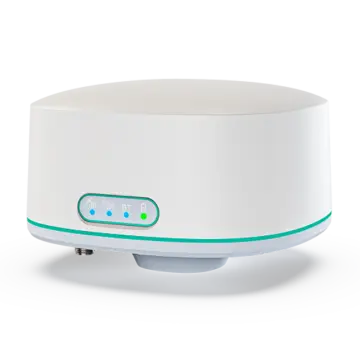
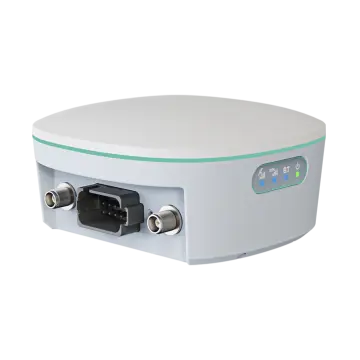
High-precision GNSS, RTK positioning, and dead reckoning capabilities ensure centimeter-precise bin localization, missed pick-up dispute mitigation, and seamless urban canyon tracking.
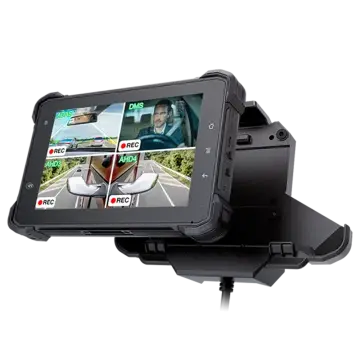
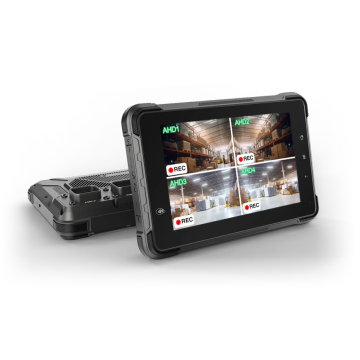
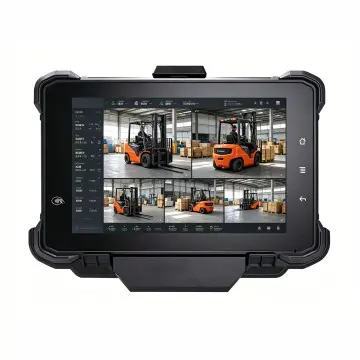
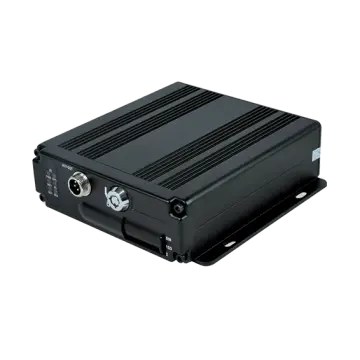
Multi-channel AHD inputs power edge AI monitoring, detecting collection arm interference, worker proximity safety hazards, blind-spot collisions, and automated bin fill-level analysis.
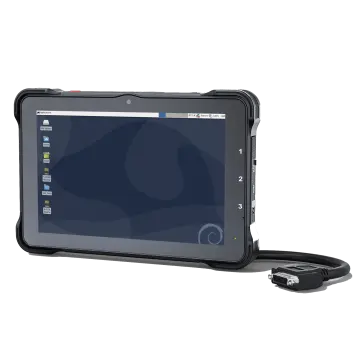
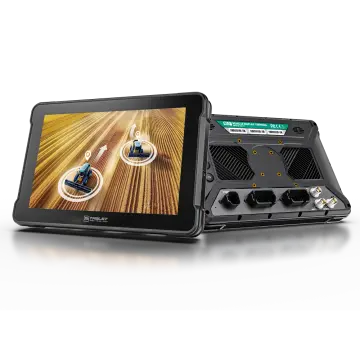
Equipped with integrated RFID/NFC reading interfaces, GPIO ports, and specialized serial protocols (RS232/RS485), industrial Android tablets seamlessly pair with refuse lift sensors and RFID readers installed on automated side loaders (ASL) or rear loaders. As a commercial or residential bin is elevated, the transponder ID is instantly registered, correlated with high-precision GPS coordinates, and stamped with exact tare and gross payload weights from onboard load cells. Real-time data processing directly via the Android runtime allows immediate verification against billing databases, automatically identifying unauthorized containers, delinquent accounts, or contamination.
Waste collection routes are notoriously intricate, involving strict left-turn avoidances, school-zone timing restrictions, and narrow alley navigation. Industrial Android tablets provide robust multi-core processing power (Qualcomm, NXP) running sophisticated Geographic Information Systems (GIS) and route-dispatching software. When emergency road closures, heavy traffic, or dynamic pick-up requests (such as bulky item on-demand collections) arise, the central dispatch hub broadcasts optimized vector routes straight to the vehicle cabin via LTE/5G wireless uplinks, cutting fuel consumption and lowering emissions across the fleet.
A breakdown of a compactor or collection truck mid-shift can derail an entire regional schedule. Rugged vehicle-mounted Android terminals continuously pull data frames from the vehicle's engine control module via J1939 and CAN 2.0B interfaces. Fleet operators gain immediate insight into PTO (Power Take-Off) operational cycles, hydraulic oil pressures, transmission temperatures, brake wear indices, and fuel burn anomalies. Edge computing engines detect impending failures before catastrophic disablement, switching fleet strategies from reactive repair to predictive maintenance.
Dense residential neighborhoods present high liability risks for heavy refuse collection vehicles. By utilizing industrial Android tablets featuring dedicated Neural Processing Units (NPUs) combined with multi-channel AHD camera inputs, systems achieve 360-degree blind-spot coverage, bin verification imaging, and active driver behavior monitoring. Edge AI algorithms detect distracted driving, driver fatigue, and pedestrians within hazardous operating radii, issuing low-latency audible and visual warnings directly on the sunlight-readable in-cab display.


Discover our complete portfolio of rugged vehicle-grade displays, high-performance MDTs, and camera-integrated in-cabin Android terminals designed for heavy-duty sanitation environments.