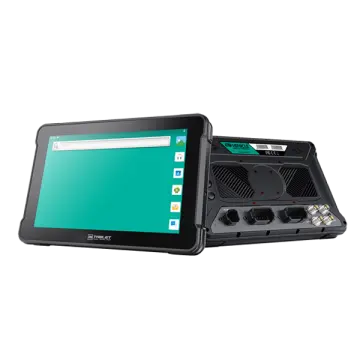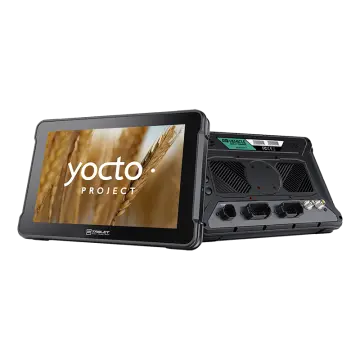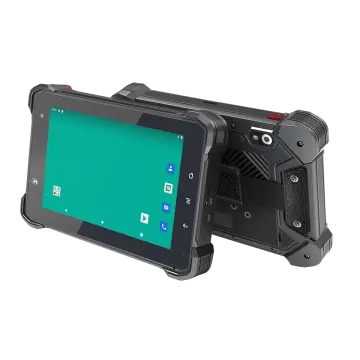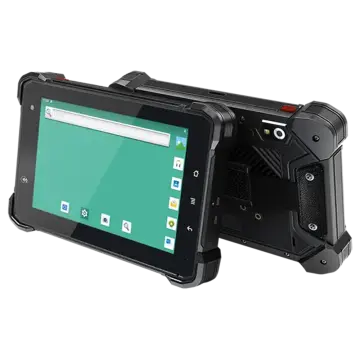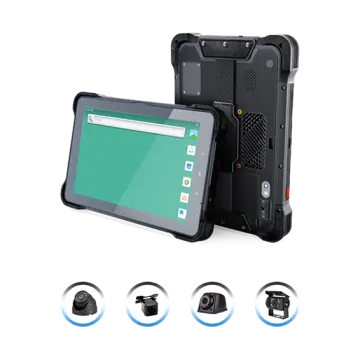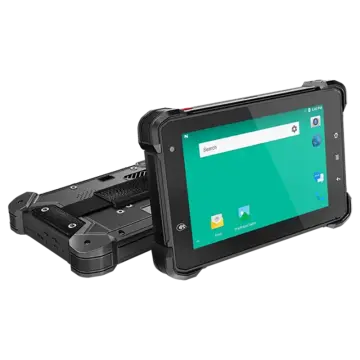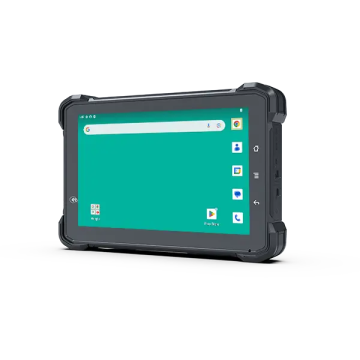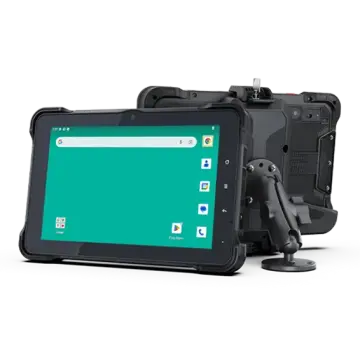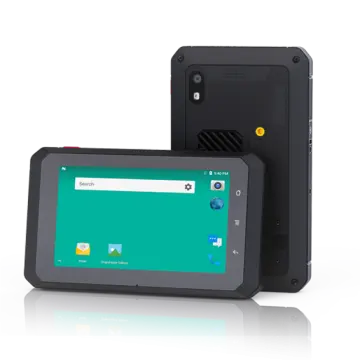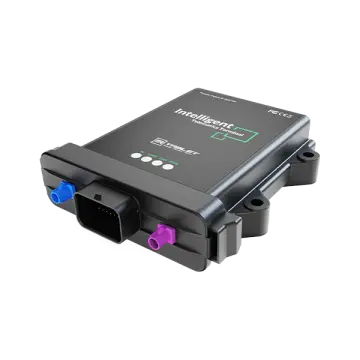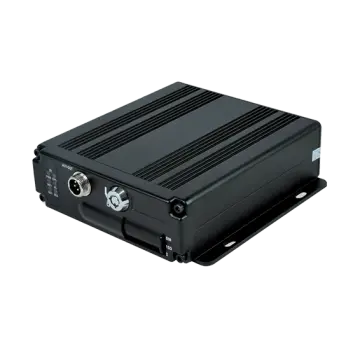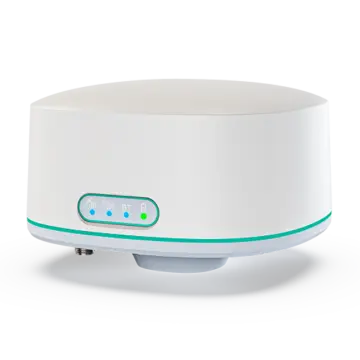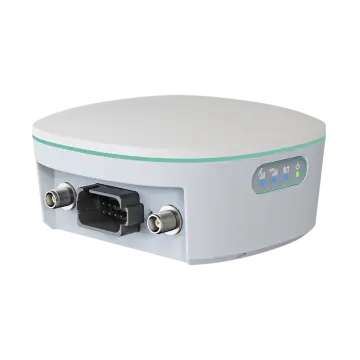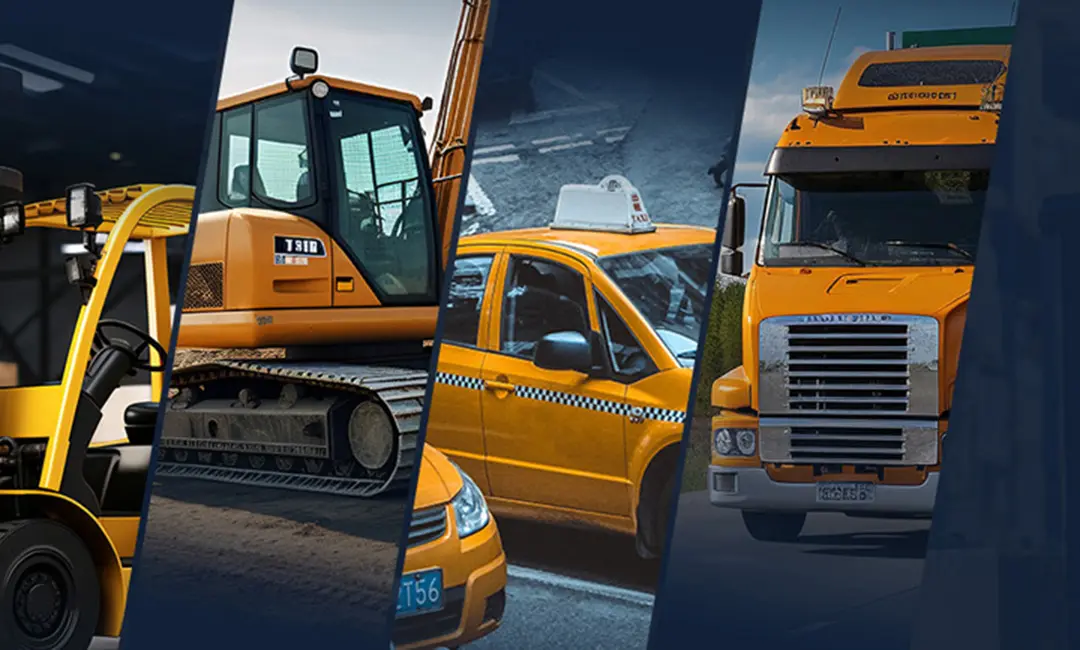
Industrial-grade touch display computers, intelligent vehicle gateways, and high-shock rugged platforms engineered to streamline heavy fleet guidance and operational telemetry.
Civil engineering contractors and heavy original equipment manufacturers (OEMs) are replacing closed, legacy proprietary controllers with flexible, open Android-based Mobile Data Terminals (MDT).
The global infrastructure sector faces unprecedented demands for efficiency, stringent carbon footprint accountability, and extreme worker safety standards. Historically, excavators, wheel loaders, motor graders, and mobile cranes were operated with standalone mechanical instruments or closed-loop electronic control units (ECUs). These legacy architectures created massive data silos, preventing project engineers and site directors from understanding machine kinematics, asset health, and real-time production velocity.
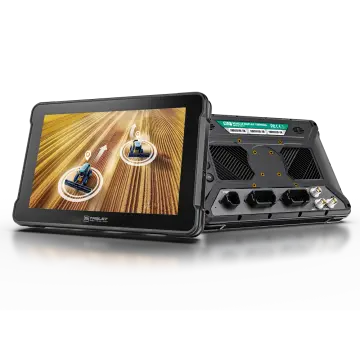
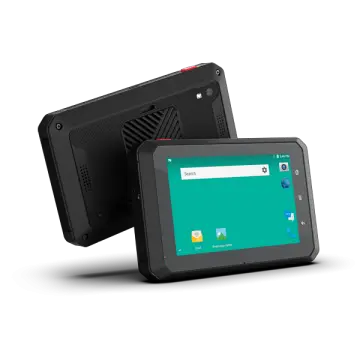
Today, the deployment of MDT Terminal Android systems for construction site machinery is radically redesigning this paradigm. Modern rugged Android MDTs serve as the neurological center inside the machinery cab. By interfacing directly with engine management microcontrollers via standardized protocols like SAE J1939, ISO 11783 (ISOBUS), and CANopen, these intelligent terminals aggregate hydraulic pressures, fuel consumption rates, operational duty cycles, and mechanical strain telemetry, rendering real-time metrics on an ultra-bright, sunlight-readable operator interface while streaming processed telemetry back to central dispatch platforms via LTE and 5G networks.
Proprietary off-highway display systems bind contractors to singular ecosystems, increasing maintenance overhead and upgrade expenses. Android OS allows enterprise construction apps to run across mixed-brand fleets under one harmonized software stack.
Harnessing high-throughput NXP, Qualcomm, and TI heterogeneous processors, the MDT terminal parses high-frequency J1939 CAN frame traffic locally, identifying micro-faults, transmission anomalies, and thermal spikes before mechanical breakdowns occur.
Engineered to MIL-STD-810G/H and IP67/IP69K ratings, these rugged terminals resist hydraulic oil mist, abrasive granite dust, high-pressure equipment pressure washes, extreme cabin thermal variations (-20°C to +70°C), and 50G drop impacts.
Explore how rugged Android Mobile Data Terminals interact with sensors, satellite telemetry, and safety vision AI to empower machine operators in high-risk civil operations.
By pairing the Android MDT terminal with dual-antenna RTK-GNSS receivers and tilt/angle IMU sensors on the boom, stick, and bucket, excavator operators receive real-time, centimeter-accurate elevation models on screen. Excavation cut-and-fill depths are calculated instantly against Civil 3D CAD design models, eliminating manual grade-checking stakes, preventing hazardous over-excavation, and boosting earthworks productivity by upwards of 35%.
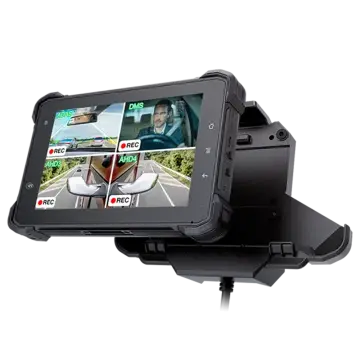
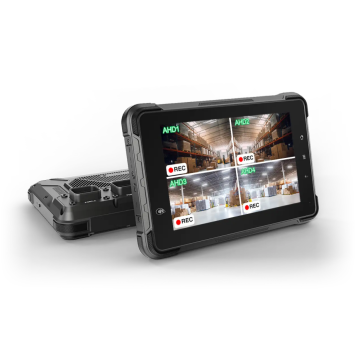
In mobile, crawler, and tower crane deployments, structural load safety is paramount. The MDT terminal acts as an intelligent auxiliary monitor displaying rated capacity indicators (RCI), boom extension angles, wind velocities, and hook tension. Integrated multi-channel low-latency AHD video streams provide crane operators with clear line-of-sight visual feedback over blind drop zones, drastically reducing tipping hazards and struck-by accidents.
For large earthfill dams, highway corridors, and open-pit mining operations, Android MDTs interface with onboard axle suspension strain gauges to measure load tonnages dynamically. Real-time geofenced dispatch algorithms compute haul cycle times, dump point locations, and queue delays at the loading shovel, optimizing diesel consumption and giving fleet coordinators automated digital ticketing for haul tracking.
As asphalt pavers and soil compactors traverse freshly laid road base, the in-cab Android tablet plots precise geospatial coverage maps via RTK positioning. Integrated infrared surface temperature sensors feed thermal data to the terminal screen, alerting the roller operator to optimal compaction temperatures and ensuring every square meter achieves specified engineering density without under-compaction or destructive over-rolling.

3Rtablet R&D team with more than 18 years field experience to do technical support, and has been ready to support you in building professional solutions in specific markets.
The construction sector is experiencing a rapid technological convergence involving on-premise private 5G networks, Edge AI vision analysis, and cloud-synchronized digital twin environments.
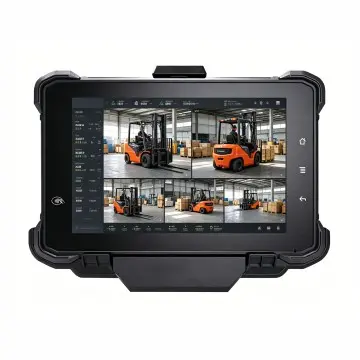
High-risk earthmoving jobsites frequently present complex visual blind spots where large excavators, front-end loaders, and aggregate haulers operate near ground workers. The newest generation of Android MDT terminals features integrated Neural Processing Units (NPUs) capable of running real-time deep learning computer vision models directly at the cab edge. By analyzing high-definition video feeds from ruggedized AHD wide-angle cameras positioned around the vehicle exterior, the terminal executes sub-second pedestrian detection and Driver Status Monitoring (DSM). If a worker in high-visibility clothing enters a hazardous swinging or reversing radius, or if the machinery operator exhibits signs of fatigue or distraction, the MDT triggers immediate audible alarms and high-contrast in-cab alerts, avoiding catastrophic accidents without relying on cloud-roundtrip network latency.
As megaprojects expand across massive geographical footprints, machinery telematics is transcending isolated vehicle tracking. Next-generation Android MDTs integrate dedicated Vehicle-to-Everything (C-V2X) and ultra-reliable low latency communications (URLLC). Equipment units continuously broadcast their spatial positions, travel trajectories, and operational status to adjacent machines and central Site Management BIM platforms. Excavators communicate directly with arriving dump trucks to orchestrate docking bays, while soil compactors synchronize pass plans with asphalt laydown machines. This continuous stream of in-cab telematics updates real-time digital twins of the construction site, empowering asset managers to track volumetric earth movement down to the cubic yard while paving the path toward supervised semi-autonomous equipment control.
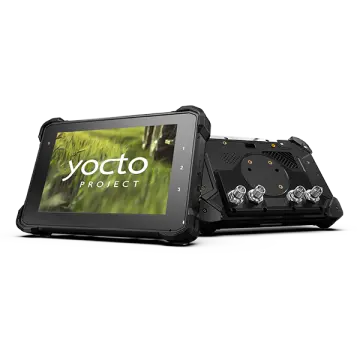
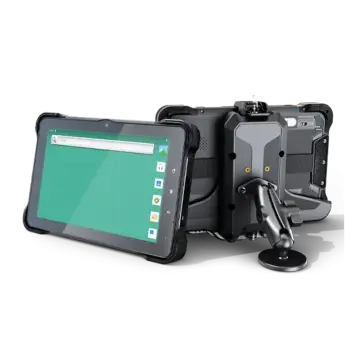
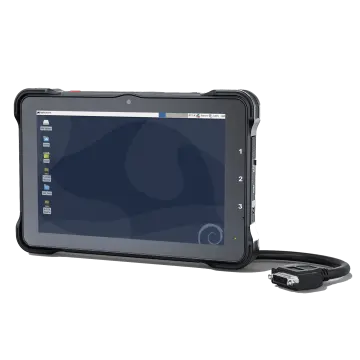
Explore our complete lineup of specialized in-cab Android tablet PCs, intelligent telematics gateway boxes, and multi-channel camera display terminals built for construction machinery.