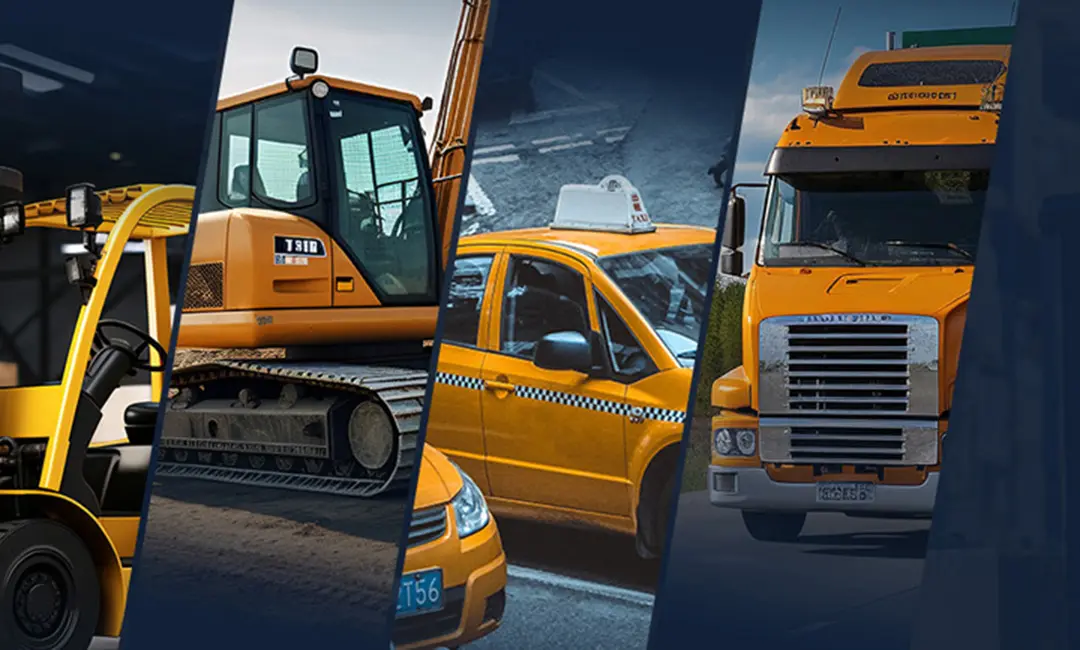
The Industrial Evolution: Android MDT Terminals in Modern Waste Management
The global waste management industry is undergoing a profound digital transformation. Driven by rapid urbanization, soaring operational costs, and stringent environmental compliance mandates, municipal and private waste management operators are turning to advanced Internet of Things (IoT) technologies. At the heart of this revolution is the MDT Terminal Android for Waste Management. These ruggedized, in-vehicle computing systems act as the central nervous system for waste collection fleets, bridging the gap between heavy machinery, field operations, and centralized dispatch centers.
Historically, waste management relied on static routing, manual logging, and paper-based manifests. This traditional approach resulted in substantial inefficiencies, such as fuel wastage, missed pick-ups, lack of accountability, and increased wear and tear on vehicles. By integrating rugged Android Mobile Data Terminals (MDTs) directly into waste trucks, operators gain real-time visibility and control over their entire fleet, dramatically improving operational efficiency and service quality.
"The integration of Android-based Mobile Data Terminals has transformed waste collection from a reactive daily chore into a highly optimized, data-driven logistical operation."
Why Android OS is the Preferred Platform for Waste Fleet MDTs
In the early days of fleet telematics, proprietary systems or Windows Embedded platforms dominated the market. However, the modern industrial landscape has overwhelmingly shifted towards the Android operating system. The reasons for this transition are clear and compelling:
01
Open Ecosystem
Android provides a flexible, open-source environment that allows software developers to create custom applications tailored to the specific workflows of waste management, such as bin weighing, route navigation, and RFID scanning.
02
Mobile Device Management
With robust Mobile Device Management (MDM) platforms, IT administrators can remotely push OTA (Over-The-Air) firmware updates, troubleshoot issues, and lock down devices to run only business-specific applications, ensuring security and minimizing downtime.
03
Cost-Effective Scaling
The vast developer pool and standard Android APIs lower development costs. Hardware developers can focus on optimizing ruggedness and specialized I/O interfaces, while software partners build intuitive, user-friendly interfaces.
Deep-Dive Application Scenarios of Android MDTs in Waste Management
1. Dynamic Route Optimization and Turn-by-Turn Navigation
Waste collection routes are notoriously complex, changing daily based on road closures, construction, weather conditions, and customer requests. An Android MDT equipped with high-precision GPS (and RTK where centimeter-level accuracy is needed) processes real-time traffic and routing data. Instead of following fixed paper maps, drivers receive dynamic, turn-by-turn navigation instructions directly on their dashboard screen. This minimizes missed collections, reduces fuel consumption, and optimizes time-on-route.
2. Automated Service Verification via RFID and Barcode Integration
Proving that a bin was emptied is a critical requirement for billing and customer service. Android MDT terminals can interface directly with RFID readers installed on the truck's lifting arms. When a bin is lifted, the RFID tag is read, and the data is sent to the MDT. The tablet logs the exact timestamp and GPS coordinates of the collection. In case of disputes (e.g., a customer claiming their bin was missed), operators have indisputable digital proof of service.
3. Multi-Channel Video Surveillance and AHD Camera Integration
Waste collection trucks operate in tight residential streets, active construction sites, and crowded commercial zones, presenting significant safety hazards. Modern rugged Android MDTs support multi-channel AHD (Analog High Definition) camera inputs. This allows the tablet to display real-time feeds from the back, sides, and blind spots of the truck. Integrated ADAS (Advanced Driver Assistance Systems) and DSM (Driver Status Monitoring) can detect driver distraction or fatigue, preventing accidents before they occur.
4. CAN Bus Diagnostics and Telematics Integration
Waste trucks are complex machines with hydraulic lifters, compactors, and heavy-duty engines. By connecting the Android MDT to the vehicle's CAN Bus (J1939 interface), the system collects real-time diagnostic data. Fleet managers can monitor fuel consumption, engine temperature, brake wear, and hydraulic pressure. Preventative maintenance alerts can be generated automatically, reducing unexpected vehicle breakdowns and extending the lifespan of the fleet.
- Real-time bin weight logging and payload tracking.
- Digital manifests and instant dispatching updates.
- Electronic Proof of Service (EPOS) with photo capture.
- Geofencing alerts for landfill and transfer station arrivals.
- Driver behavior monitoring (harsh braking, acceleration).
- Seamless integration with municipal billing software.
Commercial and Industrial Trends in Smart Waste Management
As cities push to become "Smart Cities," the demand for intelligent waste management is skyrocketing. The market is transitioning from simple waste disposal to resource recovery and circular economy tracking. Governments around the world are implementing strict regulations that require detailed reporting of waste types, weight, and disposal locations. Android MDTs provide the necessary computing power and connectivity at the edge to capture this granular data.
Furthermore, the rise of Pay-As-You-Throw (PAYT) billing models relies heavily on accurate, real-time data collection. Under PAYT, residents and businesses are billed based on the weight or volume of waste they produce. Android MDTs integrated with on-board weighing systems calculate the exact weight of each bin dump, associate it with the customer's account via RFID, and upload the data instantly to the cloud billing system. This promotes recycling and significantly reduces landfill waste.

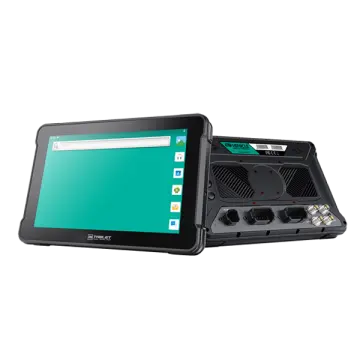 AT-10A
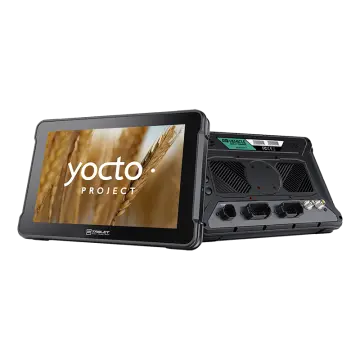 AT-10AL
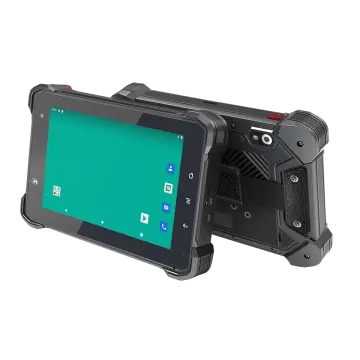 VT-7 GA/GE
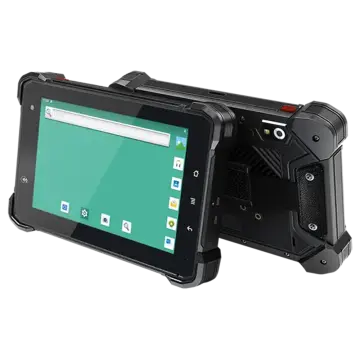 VT-7 Pro
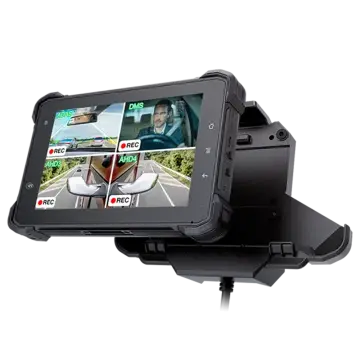 VT-7 PRO (AHD)
 VT-7A
VT-7A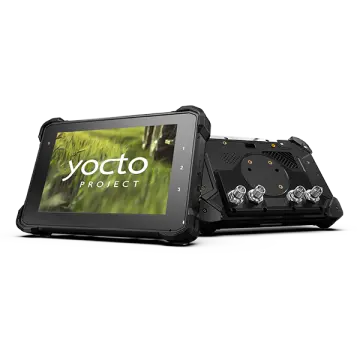 VT-7AL
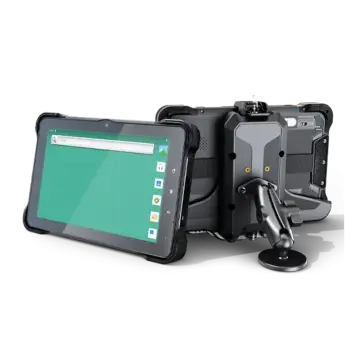 VT-10
VT-10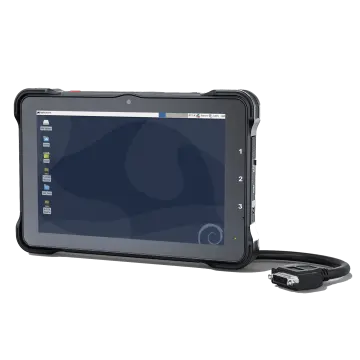 VT-10 IMX
 VT-10 Pro
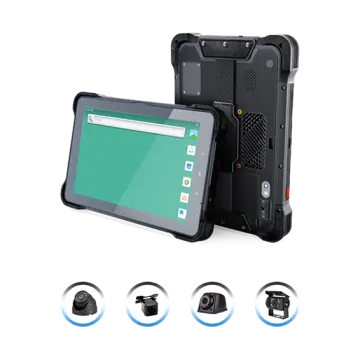 VT-10 Pro AHD
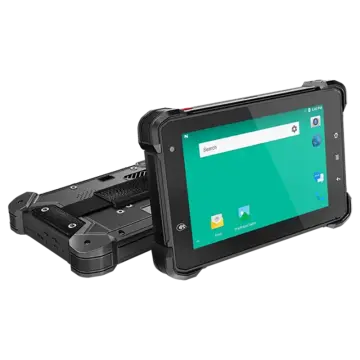 VT-7
VT-7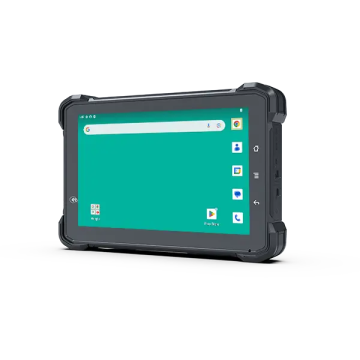 VT-7A PRO
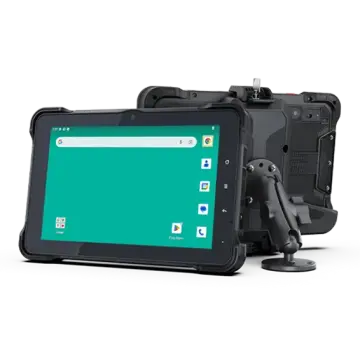 VT-10A Pro
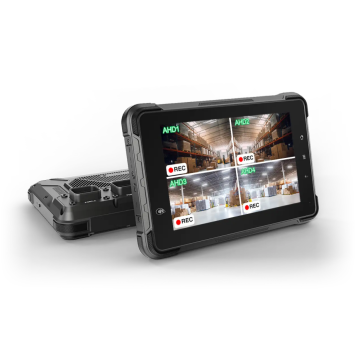 ST-7
ST-7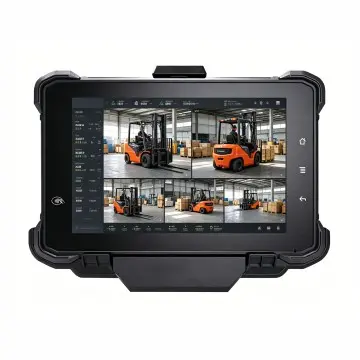 VT-7A PRO AHD
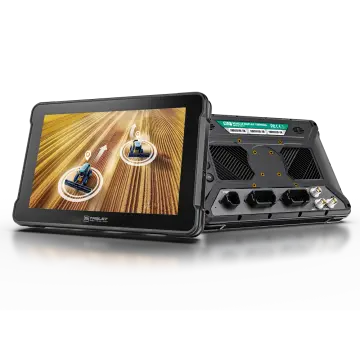 AT‑10A PRO
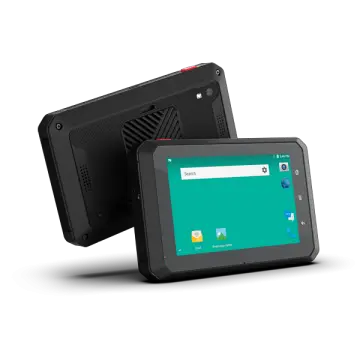 VT-5A
VT-5A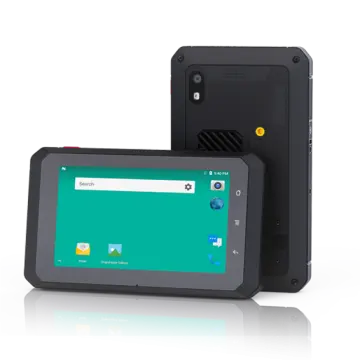 VT-5
VT-5 VT-BOX
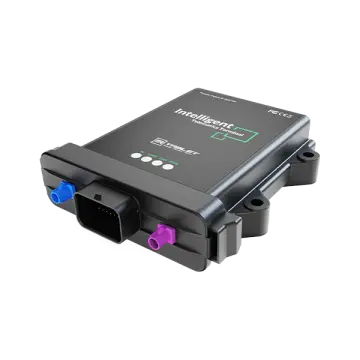 VT-BOX-II
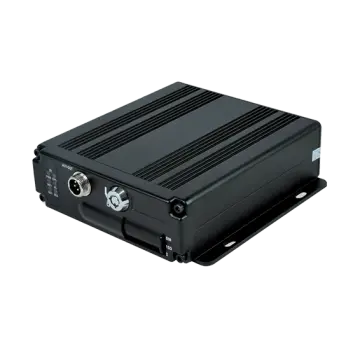 AI-MDVR040
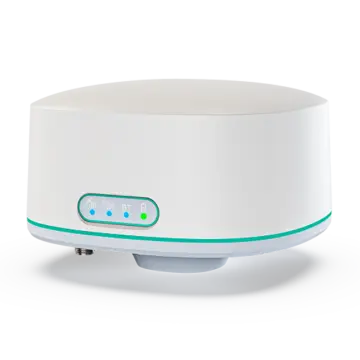 AT-B2
AT-B2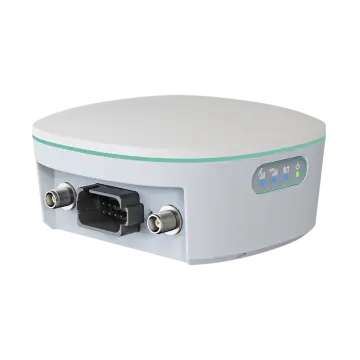 AT-R2
AT-R2