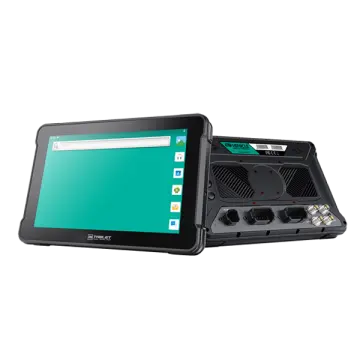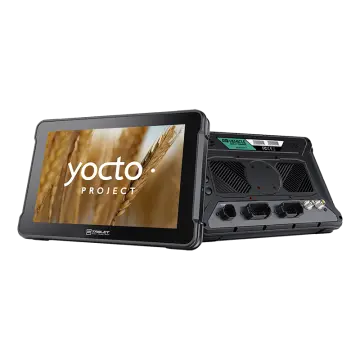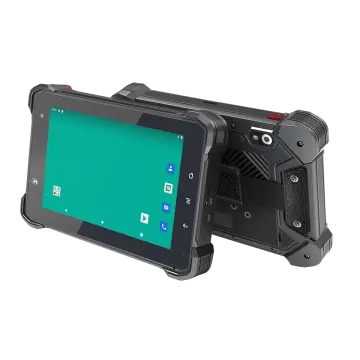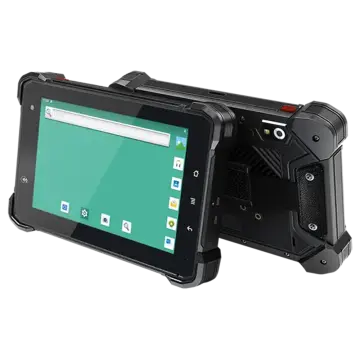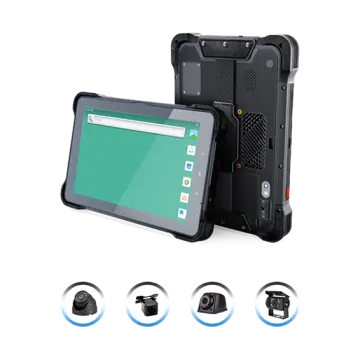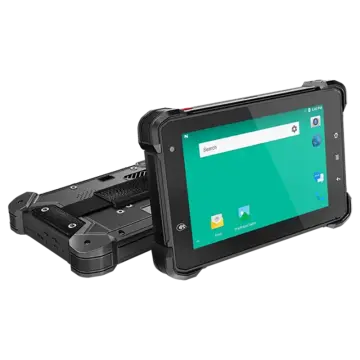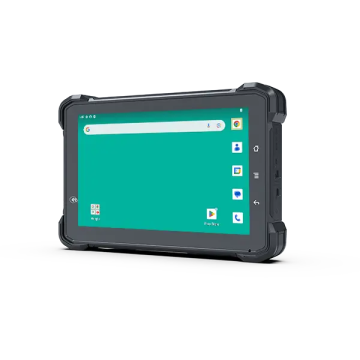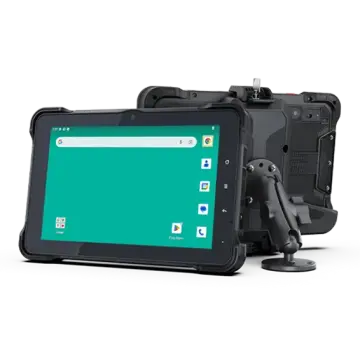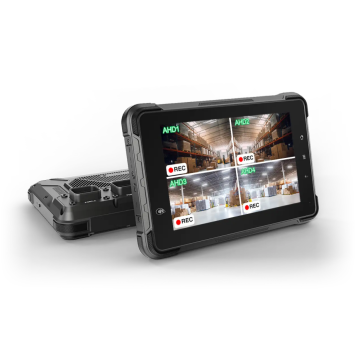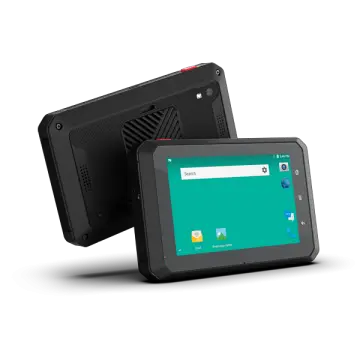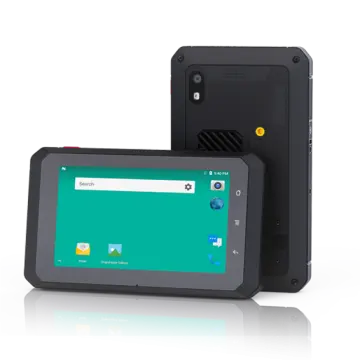
Equip your autonomous fleet with state-of-the-art rugged Android tablets engineered for rigorous testing environments, real-time data logging, and seamless telematics integration.
The global automotive landscape is undergoing a paradigm shift, transitioning rapidly from traditional mechanical engineering to software-defined vehicles (SDVs). At the heart of this revolution lies the autonomous driving sector, which has escalated from theoretical research to massive, real-world deployments. As autonomous driving technology advances from Level 2 (Partial Automation) and Level 3 (Conditional Automation) towards the highly anticipated Level 4 (High Automation) and Level 5 (Full Automation), the volume of real-world road testing has surged exponentially. In this critical phase, the requirement for robust, reliable, and highly customizable in-cabin hardware is paramount. This is precisely where the OEM Tablet Android for Autonomous Driving Test becomes an indispensable asset for automotive manufacturers, tech startups, and tier-one suppliers.
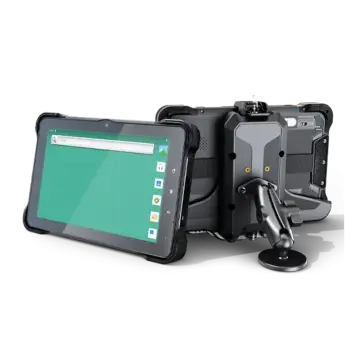
Currently, the industrial status of autonomous vehicle (AV) testing involves logging petabytes of data daily. Test vehicles are equipped with an array of sophisticated sensors, including LiDAR, millimeter-wave radar, ultrasonic sensors, and high-definition optical cameras. Managing, visualizing, and annotating this data in real-time requires powerful edge-computing interfaces. Consumer-grade tablets completely fail in these scenarios due to their inability to withstand the harsh environments of automotive testing—which include extreme temperature fluctuations, constant high-frequency vibrations, and unpredictable power surges from the vehicle's alternator. Consequently, the industry has universally adopted ruggedized OEM Android tablets. These industrial-grade devices offer IP67/IP69K ratings, MIL-STD-810G certification for shock resistance, and wide voltage inputs (typically 8V-36V) to ensure uninterrupted operation during rigorous road trials.
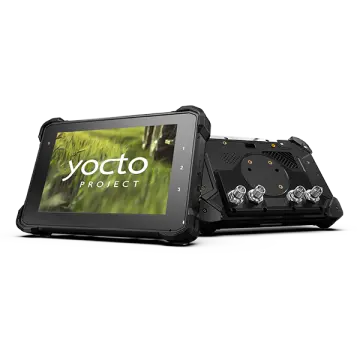
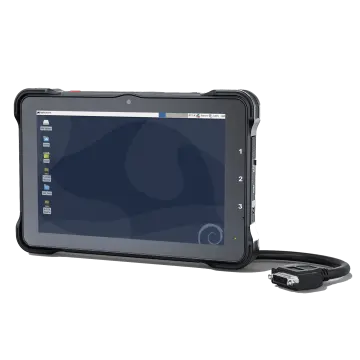
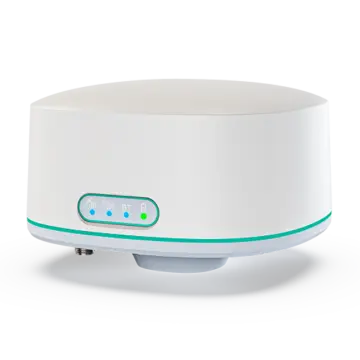
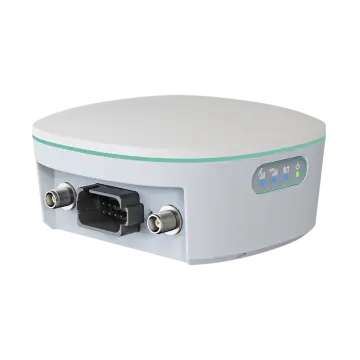
From a commercial perspective, the flexibility of the Android operating system presents a massive advantage. Autonomous driving companies rely heavily on proprietary algorithms and custom-built APKs for data visualization, system diagnostics, and safety driver feedback. An OEM Android tablet allows these companies to bypass the rigid restrictions of commercial OS ecosystems, granting them root access, custom firmware development (OTA updates), and deep integration with the vehicle's CAN bus network (via J1939, OBD-II, or proprietary protocols). Furthermore, the OEM/ODM model allows AV companies to white-label these devices, integrating specific hardware modules like RTK (Real-Time Kinematic) GNSS receivers, 5G modems, and multi-channel AHD camera inputs directly into the tablet's chassis, thereby reducing cabin clutter and points of failure.
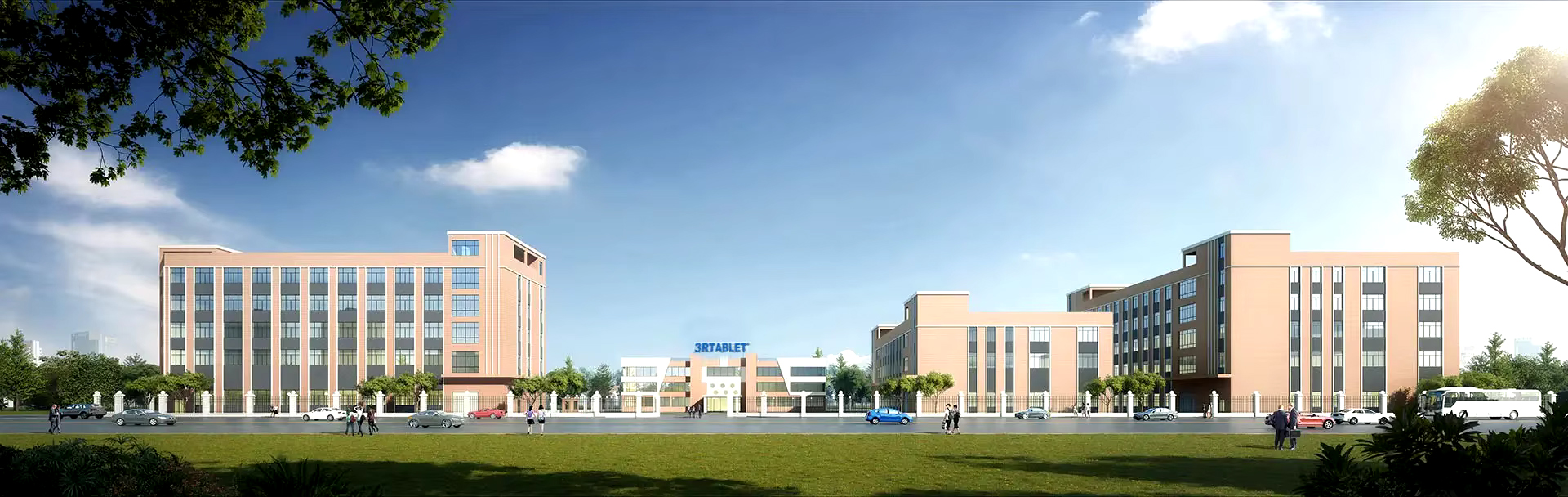
Technology-based, market-oriented, innovative enterprise that develops and manufactures rugged Internet of Vehicles (IOV) terminals and IOT system solutions. With more than 18 years of professional experience, 3Rtablet has cooperated with many top brand telematics solution providers around the world, and the products are widely recognized for their stable performance and professional technical support.
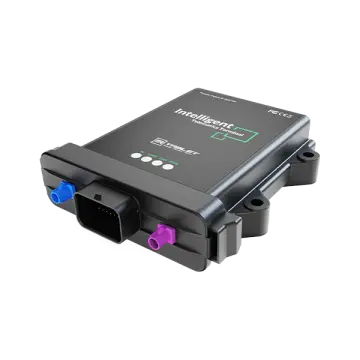
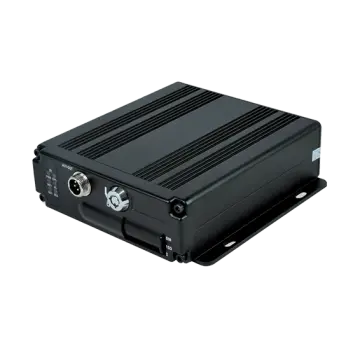
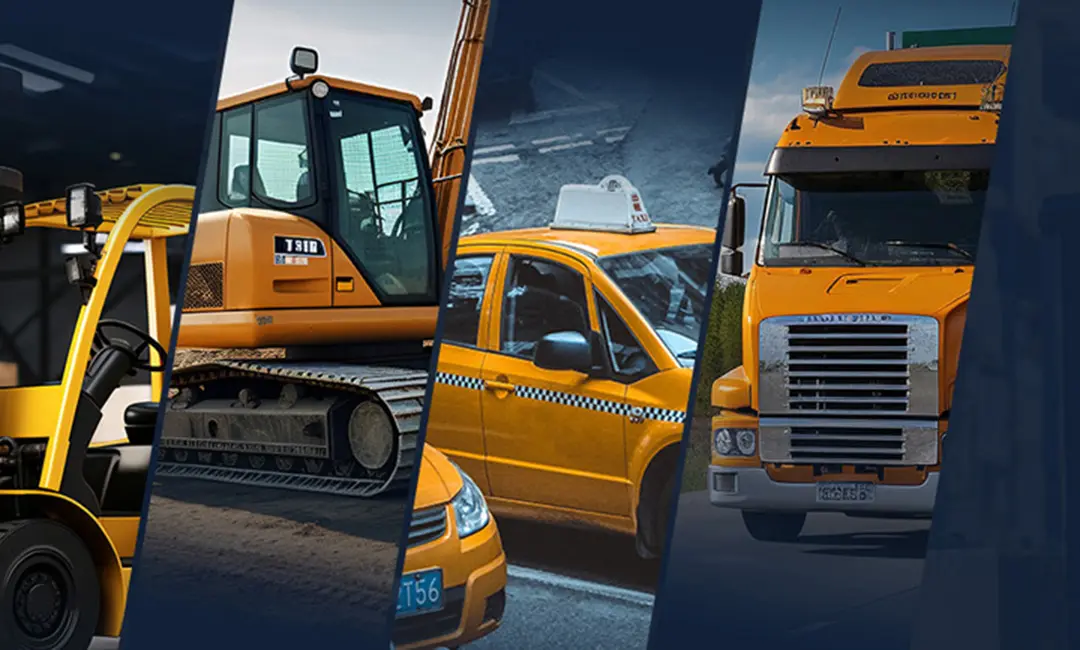
The main products include IP67 rugged tablets, MDM Rugged Device, Intelligent Vehicle Telematics Terminal, and RTK Base Station and Receiver, On-board Computers, Mobile Data Terminal, Agriculture display, Vehicle-mounted Tablets, AHD Camera Integrated Tablets, IP67/IP69K Android telematics boxes, MDVR and Al Dashcam. Al algorithmic vehicle video surveillance and recording technology and comprehensive loT solutions for a wide range of fleet management application, including ELD/HOS in trucks, construction equipment, mining, forklift safety, taxi dispatch, agriculture precision, intelligent transportation systems, etc. Offering OEM/ODM services, we customize products to meet specific needs.

The deployment of an OEM Tablet Android for Autonomous Driving Test extends far beyond simple GPS navigation. These devices act as the central nervous system for human-machine interaction (HMI) within the test vehicle. One of the most critical applications is Real-Time Sensor Visualization and Calibration. During road tests, safety drivers and test engineers must constantly monitor the "worldview" of the autonomous system. The tablet ingests data from the autonomous compute unit and renders high-fidelity 3D point clouds from LiDAR, bounding boxes from object detection cameras, and trajectory planning lines. If a sensor becomes misaligned due to a pothole or debris, the engineer can instantly detect the anomaly on the high-definition, sunlight-readable display of the rugged tablet and initiate recalibration protocols on the fly.
Another deeply integrated scenario is Teleoperation and Remote Fallback Systems. As companies test autonomous pods, robotaxis, and autonomous freight trucks on public roads, regulatory bodies mandate a fail-safe mechanism. In edge cases where the AI cannot confidently navigate a complex scenario (e.g., severe construction zones or erratic pedestrian behavior), the vehicle triggers a fallback state. The rugged Android tablet serves as the primary communication hub, utilizing integrated 5G modules to instantly stream 360-degree AHD camera feeds to a remote teleoperator. The low-latency processing capability of the tablet ensures that the remote human driver receives real-time visual and telemetry data, allowing them to safely guide the vehicle out of the complex situation.
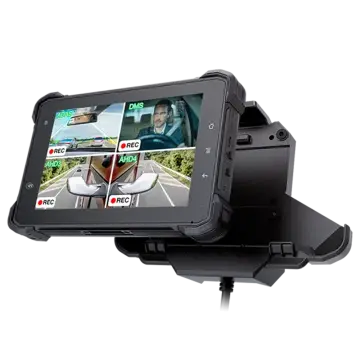
Furthermore, In-Cabin Driver Monitoring Systems (DMS) are essential during Level 2 and Level 3 autonomous testing. The safety driver must remain attentive at all times. OEM Android tablets equipped with AI-capable processors and multi-channel camera inputs actively monitor the safety driver's eye movement, head position, and fatigue levels. If the system detects drowsiness or distraction while the vehicle is in autonomous mode, the tablet triggers immediate auditory and visual alarms. Simultaneously, it logs this event via the fleet management software, ensuring that testing protocols are strictly adhered to. This synergy of MDVR (Mobile Digital Video Recording), AI dashcam capabilities, and rugged computing makes these tablets the ultimate tool for autonomous safety compliance.
3Rtablet R&D team with more than 18 years field experience to do technical support, and has been ready to support you in building professional solutions in specific markets.

3Rtablet has served customers among more than 70 countries in the North America, Europe, Latin America, Oceania, Africa, and the Asia Pacific region.

Fleet Management, Precision Agriculture, Mining, Taxi Dispatch, Forklift Safety, Construction, Public Transportation, Heavy Machinery & Trucks, Crane, Waste management, Vehicle tracking’s and Emergency Response Solutions etc.

3Rtablet's Hardware devices are mainly powered by NXP, Qualcomm, TI solutions, Functional requirements, Hardware test-bed evaluation, Schematic diagram design, Brand requirements for more requirements, please refer to OEM/ODM service.
Looking toward the future, the evolution of the OEM Tablet Android for Autonomous Driving Test is intrinsically linked to the advancements in AI edge computing and hyper-connectivity. One of the most prominent trends is the shift towards Edge AI Integration. Future iterations of rugged vehicle tablets will feature dedicated Neural Processing Units (NPUs) capable of executing lightweight machine learning models directly on the device. This means the tablet won't just display data; it will actively participate in data filtering, identifying critical edge-case video frames (like an unrecognized traffic sign) and prioritizing them for cloud upload via 5G, thereby saving massive amounts of bandwidth and cloud storage costs.
Another significant trend is the integration of High-Precision RTK/GNSS and V2X (Vehicle-to-Everything) Communication directly into the tablet's architecture. As autonomous testing moves into dense urban canyons where traditional GPS signals bounce and degrade, having an RTK-enabled tablet provides a redundant, centimeter-level accurate positioning system independent of the vehicle's main compute. Furthermore, as smart city infrastructure develops, these tablets will act as V2X nodes, communicating with traffic lights, pedestrian crosswalks, and other autonomous vehicles to anticipate traffic flow changes before they enter the vehicle's line of sight.
Lastly, the demand for stringent Mobile Device Management (MDM) and OTA (Over-The-Air) Capabilities is shaping the OEM landscape. Managing a fleet of 500 autonomous test vehicles across different states requires seamless software deployment. OEM Android tablets equipped with deep MDM integration allow fleet managers to push firmware updates, lock down devices into specific kiosk modes, monitor device health (battery temperature, CPU load), and remotely wipe proprietary algorithms in the event of hardware theft. The convergence of rugged durability, open-source Android flexibility, and advanced IoT connectivity guarantees that OEM tablets will remain the cornerstone of autonomous vehicle testing for the next decade.
3Rtablet follows innovative technologies, complete solutions, friendly products, excellent quality, and professional services to continuously improve product quality and customer satisfaction, delivering customers with Rugged, Reliable, and Ready Internet of Vehicle (IOV) devices. 3Rtablet has three core values at the heart of its operation: We are ‘Sincere’, we ‘Share’ and always strive for ‘Success’ with our business partners.
Explore our full range of ruggedized Android tablets, specifically customized for telematics, AI dashcam integration, and autonomous vehicle fleet management.