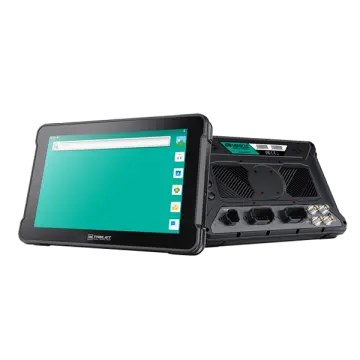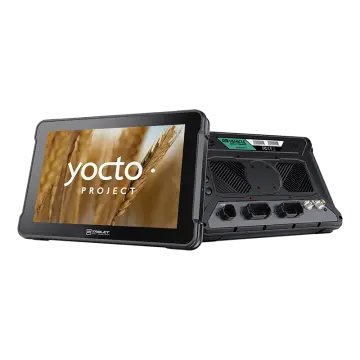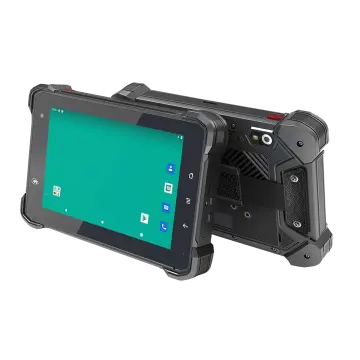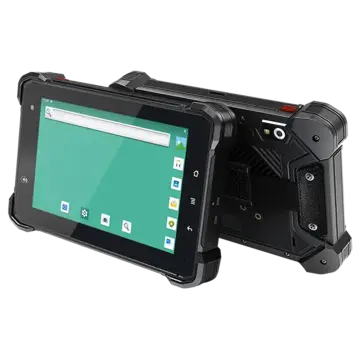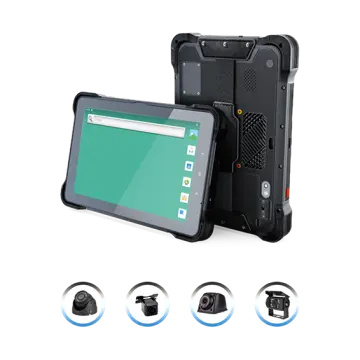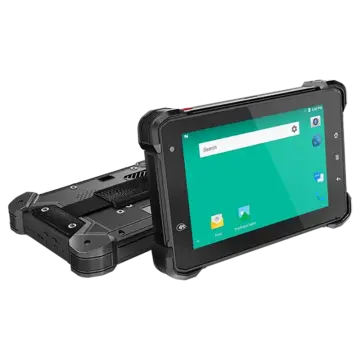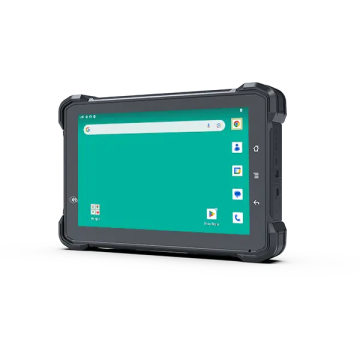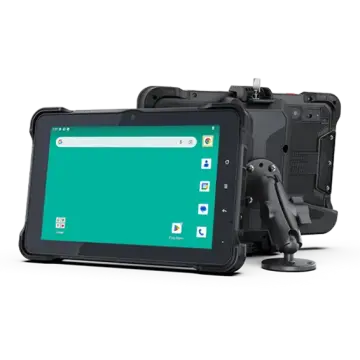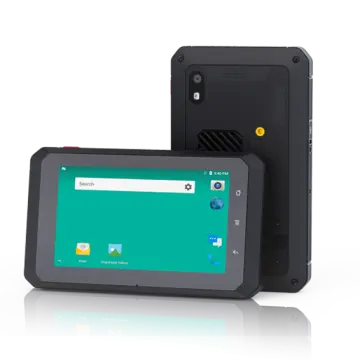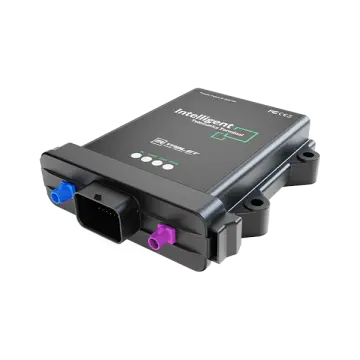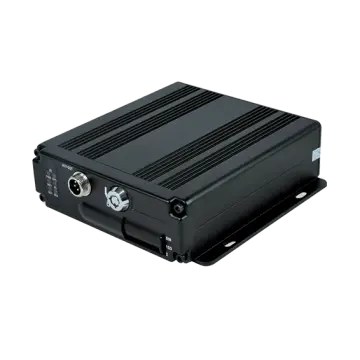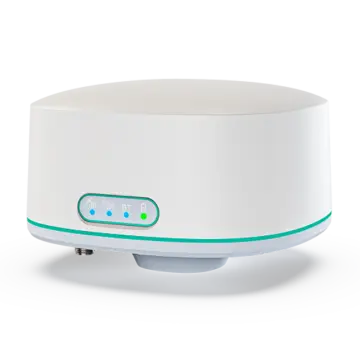
Engineered to withstand mechanical shock, hydraulic power surges, and severe environmental contaminants common in sanitation yards, landfills, and urban collection routes.
How ruggedized Android open platforms are replacing legacy proprietary mobile data terminals (MDTs) across global municipal and private sanitation infrastructures.
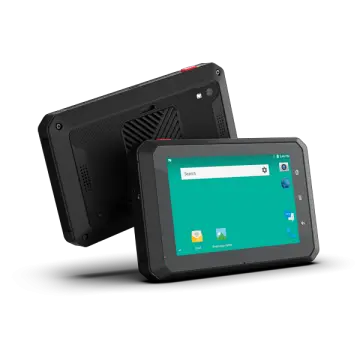
The waste management industry is undergoing an unprecedented digital overhaul driven by stringent environmental regulations, aggressive municipal carbon neutrality targets, and rising operational expenditures. Traditional refuse collection, historically dependent on manual paper manifests, static paper routing, and disconnected analog voice radios, is rapidly giving way to unified Internet of Vehicles (IoV) ecosystems. Central to this transformation is the deployment of dedicated OEM Tablet Android for Waste Management, serving as the in-cab computational neural center.
Modern sanitation operations encompass front-loader commercial container pickups, automated side-loader (ASL) residential curbside routes, roll-off dumpster tracking for construction and demolition (C&D) debris, and specialized hazardous medical waste logistics. Each of these operation modes requires unyielding hardware durability, continuous telemetric reporting, millisecond-level sensor synchronization, and deep vehicle bus interfacing. Commercial consumer tablets, even enclosed in heavy after-market cases, routinely suffer from thermal throttling under sunlit windshields, connector fatigue caused by continuous chassis vibration, and power shutdown during vehicle cranking.
Consequently, fleet system integrators, municipal contractors, and Telematics Solution Providers (TSPs) are standardizing on purpose-engineered OEM rugged Android platforms. Powered by robust chipsets from NXP, Qualcomm, and Texas Instruments, these industrial-grade tablets integrate directly with vehicle electrical architectures, onboard weighing scales, hydraulic lift sensors, RFID bin interrogators, and multi-channel high-definition cameras. By bridging field hardware with cloud-based enterprise resource planning (ERP) platforms, rugged Android tablets unlock real-time situational awareness, dynamic route re-sequencing, and indisputable digital proof-of-service.
Onboard neural processing units (NPUs) execute real-time machine vision algorithms right inside the refuse cab, detecting bin contamination, overflow, and road hazards without relying on constant cellular bandwidth.
Direct integration into vehicle powertrain and CAN-bus networks enables millisecond tracking of Power Take-Off (PTO) status, hydraulic lift arm cycles, fuel burns, and transmission health.
Built with broad 9-36V ISO 7637-2 power protection, supercapacitor backup banks, and chemically hardened anti-scratch glass designed to survive landfill slurry, high-pressure pressure washing, and shock.
Analyzing key operational touchpoints where in-vehicle Android computational terminals optimize waste collection efficiency, driver ergonomics, and municipal accountability.
Modern municipal contracts incentivize waste reduction through dynamic Pay-As-You-Throw billing schemes. As the refuse collection vehicle approaches residential or commercial premises, the in-vehicle tablet interacts seamlessly with external UHF RFID antennas mounted adjacent to the lifter comb.
The OEM Android tablet reads the transponder embedded within the wheeled cart, correlates the unique electronic product code (EPC) with municipal GIS property records, and triggers timestamped logging. Integrated via RS232 or USB to onboard dynamic load cells, the tablet records gross bin weight prior to tipping and tare weight post-tipping.
[UHF RFID Antenna / Lift Strain Gauges] → [RS485 / J1939 Isolation Port] → 3Rtablet Rugged In-Vehicle Tablet → [Android Local Edge DB Engine] → [4G/5G Private APN Encryption] → [Municipal Billing Cloud & SAP ERP].
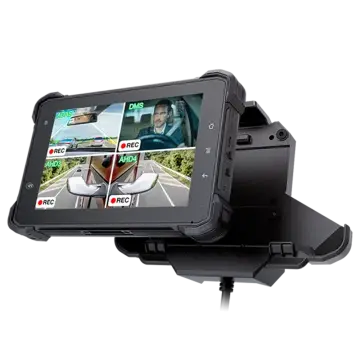
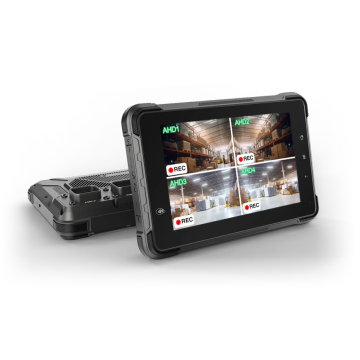
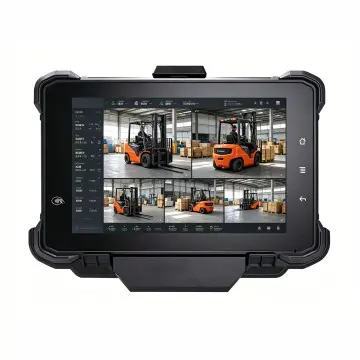
Sanitation trucks are notoriously prone to blind-spot pedestrian accidents and catastrophic recycling contamination. By deploying 10-inch rugged Android terminals fitted with 4-channel analog high-definition (AHD) video inputs, operators gain comprehensive spatial visibility coupled with embedded deep-learning neural models.
One camera channel monitors the rear collection zone, another scans the front blind spot, the third monitors the right-hand curb turning trajectory, and the fourth is focused directly into the hopper. The tablet's GPU/NPU processes frames locally at 30 fps, detecting non-recyclable materials (e.g., lithium-ion batteries, propane tanks, heavy scrap metal) during the hopper compaction cycle.
Eliminates reliance on separate, bulky mobile digital video recorders (MDVRs). By combining the interactive dispatch terminal and multi-camera DVR into a single rugged tablet body, cab ergonomics are dramatically improved while reducing system acquisition costs by over 35%.
Refuse routing differs significantly from standard freight transit. Trucks frequently navigate narrow residential cul-de-sacs, one-way alleys, and low-clearance utility corridors, requiring right-turn-heavy routing to optimize curbside collection times.
Featuring high-precision dual-satellite GNSS (GPS, GLONASS, Galileo, BeiDou) with optional RTK centimeter-level positioning, the OEM Android tablet runs customized GIS route optimization software. Drivers receive visual and audible turn-by-turn guidance tailored to commercial vehicle weight, height, and axle restrictions.
With RTK receiver modules and external active antennas, the tablet records precise vehicle stops adjacent to individual property boundary lines, eradicating customer dispute claims over missed pickups and providing undisputable legal proof-of-presence.
Unplanned refuse truck downtime costs fleet operators hundreds of dollars per hour per vehicle. By continuously sniffing the vehicle's SAE J1939 and OBD-II CAN-bus, the OEM Android tablet correlates engine operating parameters with mechanical lift duty cycles.
Every hydraulic lift engagement is logged alongside engine RPM, hydraulic oil temperature, coolant levels, and transmission gear position. Excessive hydraulic pressure spikes, prolonged idle times during container engagement, and sudden drops in fuel economy are analyzed via onboard threshold rules.
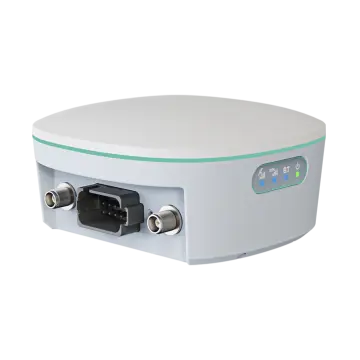
Features isolated CAN 2.0B / CAN FD interfaces with configurable termination resistors, preventing electrical noise injection into mission-critical vehicle control units (VCUs) during heavy mechanical compaction cycles.
Why consumer tablets fail in refuse management and how 3Rtablet rugged vehicle platforms provide long-term operational resilience.
| Performance Parameter | Commercial Consumer Tablet | 3Rtablet OEM Rugged Android Fleet Tablet |
|---|---|---|
| Chassis Ingress Protection | IP52 - IP65 (Susceptible to rain, fine dust, corrosive sanitizing sprays) | IP67 / IP69K full hermetic seal against chemical yard washdowns & mud |
| Power Input & Ignition Sensing | 5V USB-C (Cables loosen, fails to handle 24V cold-crank surges) | 9-36V Wide DC Input, ISO 7637-2 transient protection, intelligent ignition detection |
| Energy Storage Architecture | Standard Lithium-Ion Battery (Swelling, fire risk at >55°C cab temperatures) | 10F Super Capacitor Option / High-Temp Li-Ion safe from -20°C to +70°C |
| Vibration & Shock Rating | Consumer grade; screen cracking within weeks under rigid-chassis refuse bounce | MIL-STD-810H & 5M3 Certified; survives 100G mechanical shocks |
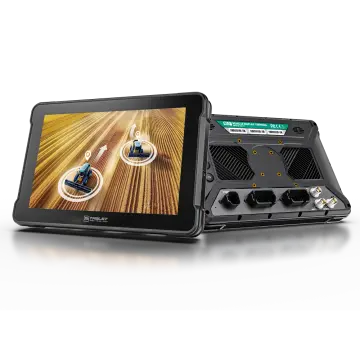
| I/O Interfaces & Peripherals | Single consumer USB port; requires fragile dongles | Industrial DB9 / Pogo Pin / M12: Dual CAN-bus, RS232, RS485, GPIO, 4x AHD |
| Display Ergonomics | 300 - 450 nits (Unreadable in direct midday sunlight, fails with wet gloves) | 800 - 1000 nits Ultra-Bright, optical bonding, wet-finger & heavy-glove touch |
| OS Lifecycle & MDM Control | Forced OS updates disrupt apps; short 1-year product lifecycle | Android Enterprise MDM, root control, locked firmware, 5-7 year stable lifecycle |
One of the most frequent points of failure in vehicle-mounted computing for waste fleets is battery failure induced by extreme thermal cycling and sudden power cutoffs. Refuse trucks operate in punishing temperature spans, from frigid sub-zero winter mornings to blistering summer afternoons where in-cab greenhouse temperatures routinely exceed 65°C (149°F). Traditional lithium batteries inside consumer tablets swell, degrade, and can experience thermal runaway.
By engineering models such as the AT-10A PRO with a 10F Super Capacitor, 3Rtablet eliminates hazardous battery chemistries while providing sufficient reserve power to cleanly park OS processes, close open edge database transactions, upload cached video telemetry, and execute controlled shutdowns when the vehicle ignition is switched off. This guarantees zero file system corruption and maintenance-free computing over the vehicle's entire multi-year municipal leasing cycle.
3Rtablet R&D team with more than 18 years field experience to do technical support, and has been ready to support you in building professional solutions in specific markets.
3Rtablet has served customers among more than 70 countries in North America, Europe, Latin America, Oceania, Africa, and the Asia Pacific region.
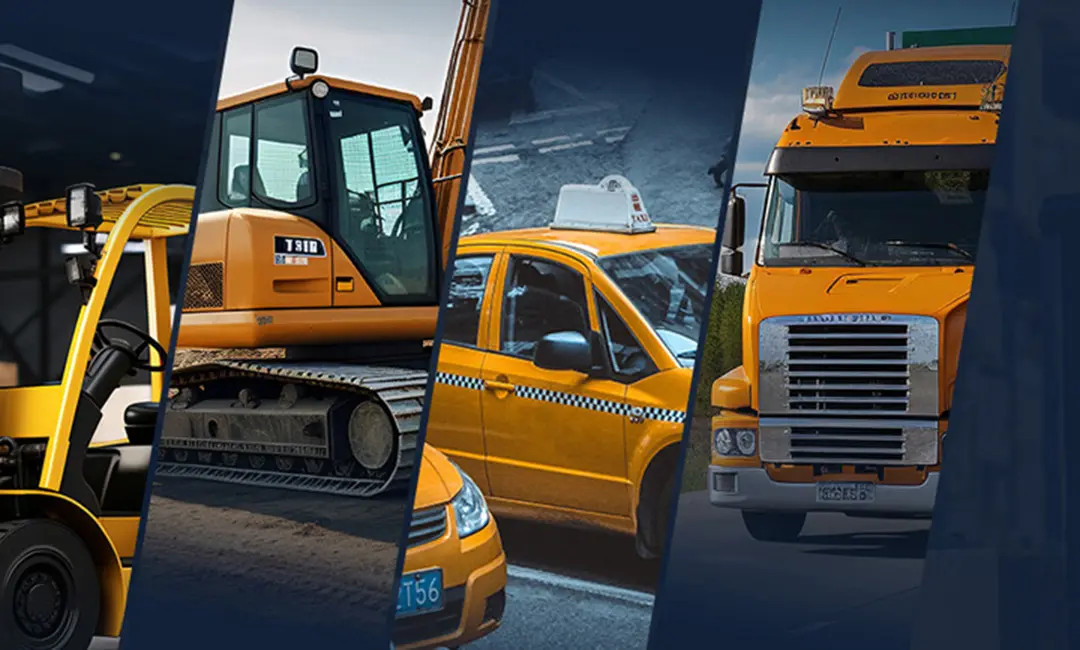
Fleet Management, Precision Agriculture, Mining, Taxi Dispatch, Forklift Safety, Construction, Public Transportation, Heavy Machinery & Trucks, Crane, Waste management, Vehicle tracking’s and Emergency Response Solutions etc.
3Rtablet's Hardware devices are mainly powered by NXP, Qualcomm, TI solutions, Functional requirements, Hardware test-bed evaluation, Schematic diagram design, Brand requirements for more requirements, please refer to OEM/ODM service.
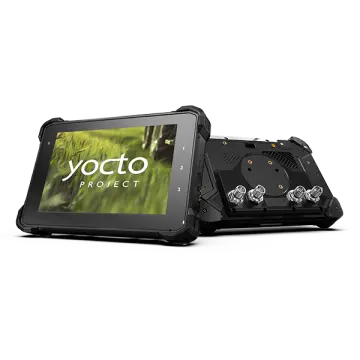
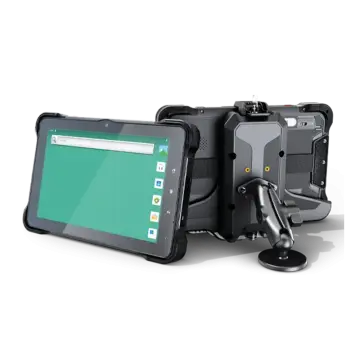
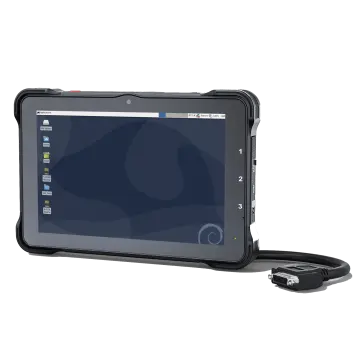
Explore our complete lineup of rugged Android and Linux terminals designed for refuse trucks, sanitation logistics, weigh station validation, and industrial fleet dispatch.